

Keji Hamilton Recalls Fela Kuti’s Hard-Drug Stance.

Quote from Oladosun Joshua Segun on September 3, 2026, 6:23 AM
Drug therapist Keji Hamilton has shared a personal account of his time around Afrobeat pioneer Fela Anikulapo-Kuti, recalling what he described as the musician’s opposition to cocaine and heroin despite Fela’s well-known association with cannabis.
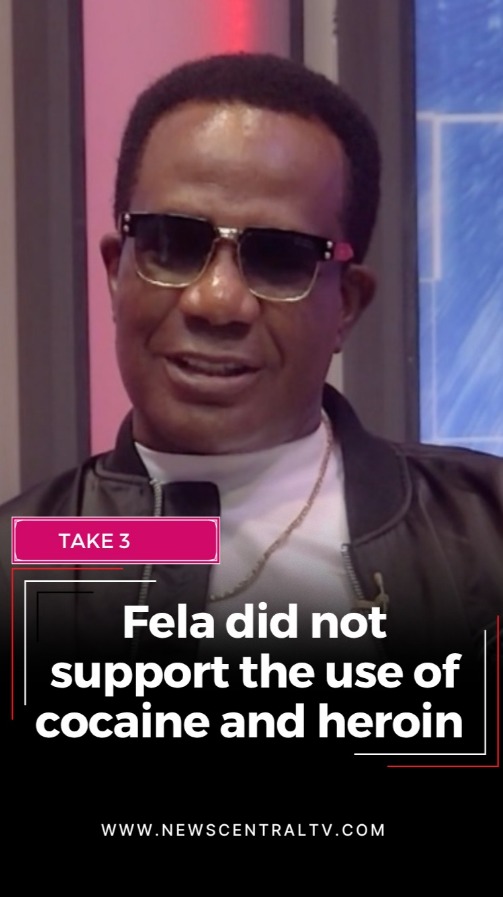
Hamilton made the revelation during an interview with News Central, shared publicly on August 2, 2026, as part of a discussion titled “From Fela to Afrobeats: The Evolution of African Music.”
Reflecting on his experience at Fela’s Afrika Shrine, Hamilton said: “Fela never supported the use of cocaine and heroin. I became the only one that could smoke cocaine and heroin in the shrine.”
Hamilton’s recollection presents a distinction between the cannabis culture associated with Fela’s environment and his claimed attitude toward substances such as cocaine and heroin. According to Hamilton, his own situation was treated differently, allowing him to use the harder drugs at the Shrine.
The comments also connect with an earlier account Hamilton gave about his relationship with Fela and his own struggle with substance dependence. In that account, Hamilton recalled that Fela confronted him after discovering that he had started using cocaine. He said the musician warned him about the dangers of the drug, including its potential impact on coordination and sexual performance.
Hamilton was part of Fela’s musical circle and spent considerable time around the musician’s Kalakuta Republic and Afrika Shrine. He has previously spoken about how his drug use progressed from cannabis to cocaine and heroin, eventually developing into dependence.
Fela Kuti’s association with cannabis became part of the broader culture surrounding his music, lifestyle and political activism. However, Hamilton’s account suggests that this association should not automatically be interpreted as an endorsement of every type of drug. His latest recollection specifically separates Fela’s reported position on cannabis from his alleged opposition to cocaine and heroin.
Beyond his music, Fela built the Afrika Shrine into a major cultural and political space in Lagos, while Kalakuta Republic became closely associated with his resistance to Nigeria’s military governments and political establishment. His music, particularly his development of Afrobeat, turned social criticism, political resistance and commentary on everyday Nigerian life into defining elements of his artistic identity.
Hamilton’s account therefore adds a personal dimension to the continuing discussion about Fela’s lifestyle and the environment surrounding the Afrobeat movement. Rather than simply focusing on Fela’s own public image and reputation, his recollection offers an insider’s perspective on how drug use was reportedly viewed within the musician’s circle.
The interview, which was shared publicly, also coincided with the 29th anniversary of Fela Kuti’s death on August 2, 1997, adding another perspective to ongoing conversations surrounding the Afrobeat pioneer’s life, music and enduring legacy.

Drug therapist Keji Hamilton has shared a personal account of his time around Afrobeat pioneer Fela Anikulapo-Kuti, recalling what he described as the musician’s opposition to cocaine and heroin despite Fela’s well-known association with cannabis.
Hamilton made the revelation during an interview with News Central, shared publicly on August 2, 2026, as part of a discussion titled “From Fela to Afrobeats: The Evolution of African Music.”
Reflecting on his experience at Fela’s Afrika Shrine, Hamilton said: “Fela never supported the use of cocaine and heroin. I became the only one that could smoke cocaine and heroin in the shrine.”
Register for the next Tekedia Mini-MBA.
Register for Tekedia AI in Business Masterclass.
Join Tekedia Capital Syndicate and co-invest in great global startups.
Hamilton’s recollection presents a distinction between the cannabis culture associated with Fela’s environment and his claimed attitude toward substances such as cocaine and heroin. According to Hamilton, his own situation was treated differently, allowing him to use the harder drugs at the Shrine.
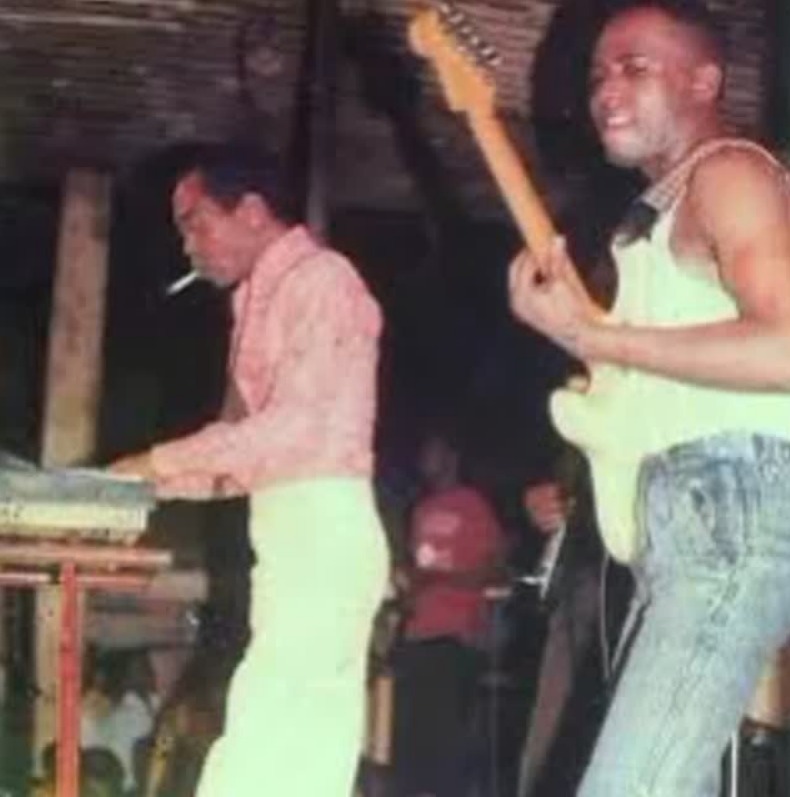
The comments also connect with an earlier account Hamilton gave about his relationship with Fela and his own struggle with substance dependence. In that account, Hamilton recalled that Fela confronted him after discovering that he had started using cocaine. He said the musician warned him about the dangers of the drug, including its potential impact on coordination and sexual performance.
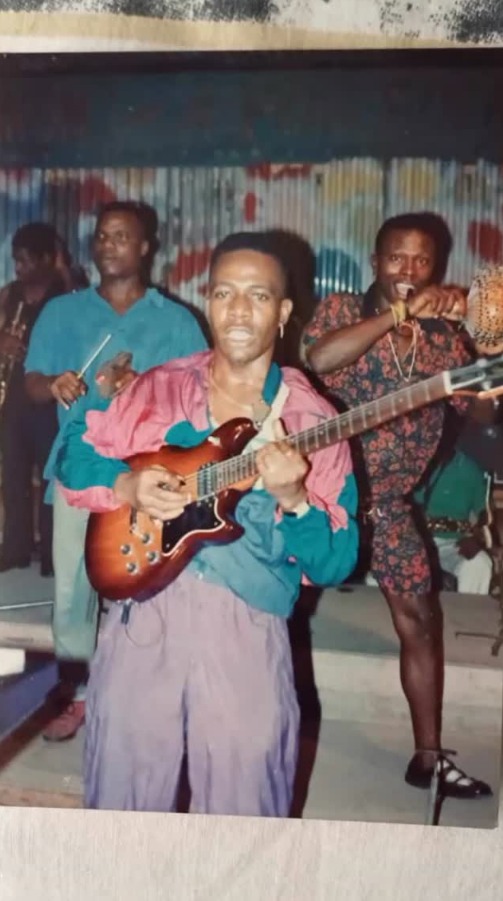
Hamilton was part of Fela’s musical circle and spent considerable time around the musician’s Kalakuta Republic and Afrika Shrine. He has previously spoken about how his drug use progressed from cannabis to cocaine and heroin, eventually developing into dependence.

Fela Kuti’s association with cannabis became part of the broader culture surrounding his music, lifestyle and political activism. However, Hamilton’s account suggests that this association should not automatically be interpreted as an endorsement of every type of drug. His latest recollection specifically separates Fela’s reported position on cannabis from his alleged opposition to cocaine and heroin.

Beyond his music, Fela built the Afrika Shrine into a major cultural and political space in Lagos, while Kalakuta Republic became closely associated with his resistance to Nigeria’s military governments and political establishment. His music, particularly his development of Afrobeat, turned social criticism, political resistance and commentary on everyday Nigerian life into defining elements of his artistic identity.
Hamilton’s account therefore adds a personal dimension to the continuing discussion about Fela’s lifestyle and the environment surrounding the Afrobeat movement. Rather than simply focusing on Fela’s own public image and reputation, his recollection offers an insider’s perspective on how drug use was reportedly viewed within the musician’s circle.

The interview, which was shared publicly, also coincided with the 29th anniversary of Fela Kuti’s death on August 2, 1997, adding another perspective to ongoing conversations surrounding the Afrobeat pioneer’s life, music and enduring legacy.