

Kim Jong Un Leads Pyongyang Ceremony Honouring Troops Who Fought for Russia

Quote from Alex Bobby on August 23, 2025, 5:06 AM
Kim Jong Un Leads Pyongyang Ceremony Honouring Troops Who Fought for Russia
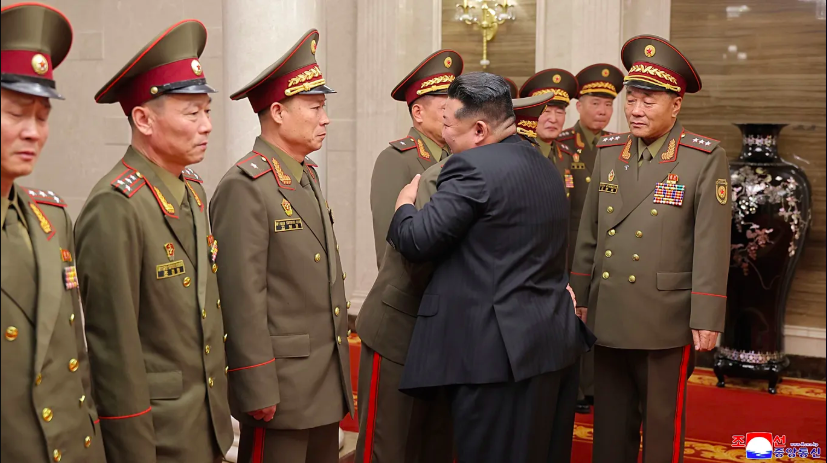
In a rare and highly symbolic display, North Korean leader Kim Jong Un presided over a state ceremony in Pyongyang this week to honour soldiers who fought in Russia’s war in Ukraine. The elaborate event marked the first time North Korea has publicly recognised its direct involvement in the conflict, cementing Pyongyang’s deepening alliance with Moscow and sparking concern across the international community.
A Ceremony of Honour and Mourning
The ceremony, broadcast by state media and accompanied by video footage, showed Kim decorating returning troops with medals and awarding posthumous honours to those who died on the battlefield. Rows of portraits of fallen soldiers, described as “martyrs,” lined the stage, each framed with flowers. Kim laid wreaths, bowed before the memorial, and comforted grieving families.
According to the Korean Central News Agency (KCNA), the leader praised the troops’ “noble sacrifice” and “heroic struggle,” portraying their service in Ukraine as a testament to the loyalty and strength of the Korean People’s Army. “Your bravery has written a new chapter in our revolutionary history,” Kim was quoted as saying.
The event also included a banquet, a military band performance, and a carefully staged appearance of Kim embracing children of fallen soldiers. Analysts noted that such intimate public gestures are rare for the North Korean leader and were likely designed to reinforce his image as both a military commander and a paternal figure to the nation.
North Korea’s Role in the Ukraine War
For months, speculation had mounted about North Korea’s involvement in the war. While Pyongyang has long been accused of supplying Russia with artillery shells, missiles, and other military equipment, this ceremony confirmed the deployment of North Korean troops to the frontlines.
South Korean intelligence estimates suggest that as many as 10,000 to 15,000 North Korean soldiers were sent to assist Russian forces, particularly along the Kursk and Donetsk fronts. Reports indicate hundreds, if not thousands, have been killed in action. The ceremony in Pyongyang publicly acknowledged these casualties for the first time, with more than 100 portraits of fallen soldiers displayed.
For Moscow, the addition of North Korean manpower has offered both political and practical support at a time when Russian forces are under sustained pressure from Ukrainian counterattacks. For Pyongyang, the alliance provides both military experience for its troops and potential access to Russian energy, food, and advanced weapons technology in return.
A New Axis of Military Cooperation
The ceremony underscored the growing partnership between Pyongyang and Moscow. Last year, the two nations signed a Comprehensive Strategic Partnership Agreement, effectively a defence treaty pledging mutual support. Since then, their cooperation has accelerated: Russia has reportedly received large shipments of North Korean weapons, while Pyongyang has welcomed Russian delegations and expanded joint training exercises.
Experts warn that this cooperation could alter the balance of power in both Asia and Eastern Europe. “North Korea is not only supporting Russia logistically but is now sending troops directly into battle,” said one Seoul-based analyst. “That raises questions about how far this military alliance will extend and what Pyongyang might receive in exchange.”
For the United States, South Korea, and Japan, the development is troubling. Not only does it strengthen Russia’s war effort, but it also risks emboldening North Korea’s nuclear and missile programs, which already pose significant security challenges in the region.
Propaganda and Political Messaging
Inside North Korea, the ceremony served as much as a propaganda moment as a commemoration. By honouring soldiers who fought abroad, Kim sought to portray North Korea as an international player standing firmly against what state media calls “Western imperialism.”
State television broadcast images of cheering crowds, military marches, and Kim saluting lines of decorated veterans. The framing emphasised sacrifice, unity, and loyalty to the supreme leader. Analysts suggest the messaging was aimed not only at boosting domestic morale but also at reinforcing Kim’s legitimacy at a time of economic hardship, food shortages, and growing international isolation.
“This was about showing the North Korean people that their sacrifices matter, that their soldiers are heroes, and that their leader stands with them,” said a former U.S. diplomat who previously worked on Korean Peninsula issues.
International Reactions
While the ceremony was framed domestically as a triumph, international reactions have been swift and critical. Western governments condemned North Korea’s direct military role in the Ukraine conflict, warning it further violates international sanctions already imposed on Pyongyang.
The United Nations, which has struggled to enforce sanctions against both Russia and North Korea, expressed concern over the growing alliance. Ukrainian officials denounced the involvement of foreign troops, calling it proof that Russia is increasingly dependent on authoritarian allies to sustain its war effort.
South Korea’s government described the ceremony as “provocative and destabilising,” while Japanese officials called for tighter international coordination to limit Pyongyang’s ability to export troops or arms.
Looking Ahead
The ceremony in Pyongyang represents more than just a memorial—it signals a bold and open declaration of North Korea’s alignment with Russia in the Ukraine war. It also highlights the deepening fracture between authoritarian states and Western-led alliances.
Going forward, the critical questions are how much more support Pyongyang will provide Moscow, and whether Russia will reciprocate with technological or economic assistance that could further strengthen North Korea’s military capabilities. At the same time, the international community will likely intensify efforts to counter this partnership through sanctions, diplomatic pressure, and military readiness in East Asia.
Final Thoughts
Kim Jong Un’s decision to openly honour North Korean troops who fought in Ukraine signals a dramatic shift in Pyongyang’s posture on the global stage. What was once hidden or denied is now being showcased as a source of pride and propaganda. For North Korea, the ceremony strengthens domestic unity and underscores loyalty to its alliances. For Russia, it reflects a growing reliance on authoritarian partners. But for the wider world, it highlights the dangerous ways regional conflicts are becoming increasingly interconnected. As North Korean soldiers are celebrated for fighting in a European war, the boundaries of global security are blurring—leaving the international community to grapple with what this deepening axis between Moscow and Pyongyang will mean for future conflicts.
Conclusion
Kim Jong Un’s emotional tribute to soldiers who fought in Ukraine marks a turning point for North Korea’s international posture. No longer content with covert shipments of weapons, Pyongyang has openly celebrated its role in a foreign war, complete with medals, portraits, and ceremonies.
For North Korea, this moment is framed as a story of sacrifice and loyalty; for Russia, it is a demonstration of enduring alliances; and for the rest of the world, it is a reminder of how deeply intertwined conflicts have become in the 21st century.
Whether this new chapter leads to greater strength for Pyongyang or deeper isolation remains to be seen, but one reality is now undeniable: North Korea is no longer a distant observer of global conflicts—it is a direct participant.
Kim Jong Un Leads Pyongyang Ceremony Honouring Troops Who Fought for Russia
In a rare and highly symbolic display, North Korean leader Kim Jong Un presided over a state ceremony in Pyongyang this week to honour soldiers who fought in Russia’s war in Ukraine. The elaborate event marked the first time North Korea has publicly recognised its direct involvement in the conflict, cementing Pyongyang’s deepening alliance with Moscow and sparking concern across the international community.
A Ceremony of Honour and Mourning
Register for Tekedia Mini-MBA edition 20 (June 8 – Sept 5, 2026).
Register for Tekedia AI in Business Masterclass.
Join Tekedia Capital Syndicate and co-invest in great global startups.
Register for Tekedia AI Lab.
The ceremony, broadcast by state media and accompanied by video footage, showed Kim decorating returning troops with medals and awarding posthumous honours to those who died on the battlefield. Rows of portraits of fallen soldiers, described as “martyrs,” lined the stage, each framed with flowers. Kim laid wreaths, bowed before the memorial, and comforted grieving families.
According to the Korean Central News Agency (KCNA), the leader praised the troops’ “noble sacrifice” and “heroic struggle,” portraying their service in Ukraine as a testament to the loyalty and strength of the Korean People’s Army. “Your bravery has written a new chapter in our revolutionary history,” Kim was quoted as saying.
The event also included a banquet, a military band performance, and a carefully staged appearance of Kim embracing children of fallen soldiers. Analysts noted that such intimate public gestures are rare for the North Korean leader and were likely designed to reinforce his image as both a military commander and a paternal figure to the nation.

North Korea’s Role in the Ukraine War
For months, speculation had mounted about North Korea’s involvement in the war. While Pyongyang has long been accused of supplying Russia with artillery shells, missiles, and other military equipment, this ceremony confirmed the deployment of North Korean troops to the frontlines.
South Korean intelligence estimates suggest that as many as 10,000 to 15,000 North Korean soldiers were sent to assist Russian forces, particularly along the Kursk and Donetsk fronts. Reports indicate hundreds, if not thousands, have been killed in action. The ceremony in Pyongyang publicly acknowledged these casualties for the first time, with more than 100 portraits of fallen soldiers displayed.

For Moscow, the addition of North Korean manpower has offered both political and practical support at a time when Russian forces are under sustained pressure from Ukrainian counterattacks. For Pyongyang, the alliance provides both military experience for its troops and potential access to Russian energy, food, and advanced weapons technology in return.
A New Axis of Military Cooperation
The ceremony underscored the growing partnership between Pyongyang and Moscow. Last year, the two nations signed a Comprehensive Strategic Partnership Agreement, effectively a defence treaty pledging mutual support. Since then, their cooperation has accelerated: Russia has reportedly received large shipments of North Korean weapons, while Pyongyang has welcomed Russian delegations and expanded joint training exercises.
Experts warn that this cooperation could alter the balance of power in both Asia and Eastern Europe. “North Korea is not only supporting Russia logistically but is now sending troops directly into battle,” said one Seoul-based analyst. “That raises questions about how far this military alliance will extend and what Pyongyang might receive in exchange.”
For the United States, South Korea, and Japan, the development is troubling. Not only does it strengthen Russia’s war effort, but it also risks emboldening North Korea’s nuclear and missile programs, which already pose significant security challenges in the region.
Propaganda and Political Messaging
Inside North Korea, the ceremony served as much as a propaganda moment as a commemoration. By honouring soldiers who fought abroad, Kim sought to portray North Korea as an international player standing firmly against what state media calls “Western imperialism.”
State television broadcast images of cheering crowds, military marches, and Kim saluting lines of decorated veterans. The framing emphasised sacrifice, unity, and loyalty to the supreme leader. Analysts suggest the messaging was aimed not only at boosting domestic morale but also at reinforcing Kim’s legitimacy at a time of economic hardship, food shortages, and growing international isolation.
“This was about showing the North Korean people that their sacrifices matter, that their soldiers are heroes, and that their leader stands with them,” said a former U.S. diplomat who previously worked on Korean Peninsula issues.
International Reactions
While the ceremony was framed domestically as a triumph, international reactions have been swift and critical. Western governments condemned North Korea’s direct military role in the Ukraine conflict, warning it further violates international sanctions already imposed on Pyongyang.
The United Nations, which has struggled to enforce sanctions against both Russia and North Korea, expressed concern over the growing alliance. Ukrainian officials denounced the involvement of foreign troops, calling it proof that Russia is increasingly dependent on authoritarian allies to sustain its war effort.
South Korea’s government described the ceremony as “provocative and destabilising,” while Japanese officials called for tighter international coordination to limit Pyongyang’s ability to export troops or arms.
Looking Ahead
The ceremony in Pyongyang represents more than just a memorial—it signals a bold and open declaration of North Korea’s alignment with Russia in the Ukraine war. It also highlights the deepening fracture between authoritarian states and Western-led alliances.
Going forward, the critical questions are how much more support Pyongyang will provide Moscow, and whether Russia will reciprocate with technological or economic assistance that could further strengthen North Korea’s military capabilities. At the same time, the international community will likely intensify efforts to counter this partnership through sanctions, diplomatic pressure, and military readiness in East Asia.
Final Thoughts
Kim Jong Un’s decision to openly honour North Korean troops who fought in Ukraine signals a dramatic shift in Pyongyang’s posture on the global stage. What was once hidden or denied is now being showcased as a source of pride and propaganda. For North Korea, the ceremony strengthens domestic unity and underscores loyalty to its alliances. For Russia, it reflects a growing reliance on authoritarian partners. But for the wider world, it highlights the dangerous ways regional conflicts are becoming increasingly interconnected. As North Korean soldiers are celebrated for fighting in a European war, the boundaries of global security are blurring—leaving the international community to grapple with what this deepening axis between Moscow and Pyongyang will mean for future conflicts.
Conclusion
Kim Jong Un’s emotional tribute to soldiers who fought in Ukraine marks a turning point for North Korea’s international posture. No longer content with covert shipments of weapons, Pyongyang has openly celebrated its role in a foreign war, complete with medals, portraits, and ceremonies.
For North Korea, this moment is framed as a story of sacrifice and loyalty; for Russia, it is a demonstration of enduring alliances; and for the rest of the world, it is a reminder of how deeply intertwined conflicts have become in the 21st century.
Whether this new chapter leads to greater strength for Pyongyang or deeper isolation remains to be seen, but one reality is now undeniable: North Korea is no longer a distant observer of global conflicts—it is a direct participant.
Uploaded files:Share this:
- Click to share on Facebook (Opens in new window) Facebook
- Click to share on X (Opens in new window) X
- Click to share on WhatsApp (Opens in new window) WhatsApp
- Click to share on LinkedIn (Opens in new window) LinkedIn
- Click to email a link to a friend (Opens in new window) Email
- Click to print (Opens in new window) Print