

Lithuania Offers Free Nursing School Tuition to Tackle Healthcare Worker Shortage with EU Support

Quote from Alex Bobby on June 17, 2025, 5:01 PM
Lithuania Makes Nursing School Tuition-Free to Combat Health Worker Shortage
In a bold move to address its deepening healthcare workforce crisis, Lithuania has announced it will make nursing school tuition-free for hundreds of students beginning in the 2025–2026 academic year. Backed by the European Union, the initiative aims to tackle the Baltic country’s nursing shortage by incentivising young people to join the profession—and stay in it.
According to Lithuania’s health ministry, 10 colleges and universities across the country will admit 535 students into fully state-funded nursing programs next year. That figure represents an increase of 100 spots compared to last year. In addition to these fully funded places, approximately the same number of self-funded positions will be offered—though these can effectively become tuition-free for students who agree to work in designated medical centres for two years post-graduation.
The new program is expected to save students between €10,500 and €16,400 each, depending on their chosen institution and course length. But more than just financial relief, it signals a deeper shift in Lithuania’s health education policy: investing in the next generation of medical professionals and empowering them to serve their communities.
A Response to Growing Workforce Gaps
“Nursing is more than a job,” said Laimutė Vaidelienė, Lithuania’s vice minister of health. “It is an opportunity to help, care, be needed, contribute to people's health, public welfare, and the preservation of life.”
Her remarks reflect a growing sense of urgency across Europe, where aging populations and an exodus of trained medical personnel are creating massive strains on national healthcare systems. Lithuania is no exception. According to 2022 data, more than half (51.5%) of Lithuanian nurses were aged 55 or older—the highest proportion in all of Europe.
And although Lithuania ranked 11th out of 33 countries for the number of nurse graduates (with 27.6 graduates per 100,000 people), very few nurses have migrated to Lithuania from other nations. That lack of incoming talent has left the country heavily reliant on domestic training programs to fill the gaps.
How the Program Works
Under the initiative, students who are offered non-funded places at nursing schools can still have their tuition covered—if they commit to working for two years in selected healthcare facilities after graduation. These centres, often located in smaller towns or underserved areas, will directly absorb the tuition costs in exchange for the service commitment.
The health ministry has made it clear that once students graduate, they’ll be encouraged to return to their hometowns. The goal is not just to increase the number of nurses in urban hospitals but to ensure a balanced healthcare workforce across the country.
Students will also be given the flexibility to specialize in a variety of fields including:
- General practice
- Emergency care
- Psychiatry
- Paediatrics
- Geriatrics and more
This flexibility is key to addressing not just quantity but quality within the nursing workforce, ensuring that all aspects of patient care are adequately supported.
EU Support and Broader Implications
The initiative will be largely funded by the European Union, with €17 million earmarked for the program as part of a wider EU strategy to combat nursing shortages across the continent. The issue is continent-wide, with EU officials warning that the health sector could face severe workforce deficits if immediate action is not taken.
By launching this program, Lithuania is positioning itself as a model for other nations in the region. The approach combines financial incentives, service commitments, and decentralisation of healthcare labor—all while focusing on long-term sustainability.
The initiative also serves as a reminder of the value of the nursing profession, which was thrown into sharp relief during the COVID-19 pandemic. From emergency wards to long-term care, nurses continue to play a crucial role in national health systems. Yet, without adequate investment and respect, burnout and retirements could wipe out hard-earned progress.
Final Thoughts
As Lithuania takes this crucial step toward building a stronger, more resilient healthcare system, it’s making a powerful statement: investing in nurses is investing in the future of public health.
For young Lithuanians, the initiative offers more than a free education. It opens the door to a meaningful career that provides personal fulfilment and national impact. And for Europe, it may offer a blueprint for tackling similar health workforce shortages in the years to come.
Conclusion
Lithuania’s decision to offer free nursing school tuition marks a transformative step in addressing the country’s critical healthcare workforce shortage. By removing financial barriers and encouraging young people to serve in their local communities, the initiative not only strengthens the national health system but also fosters a deeper sense of social responsibility. Backed by €17 million in EU funding, this program could serve as a model for other nations grappling with similar demographic and workforce challenges. As Lithuania invests in the future of its nurses, it is also investing in the health, well-being, and resilience of its population for generations to come.
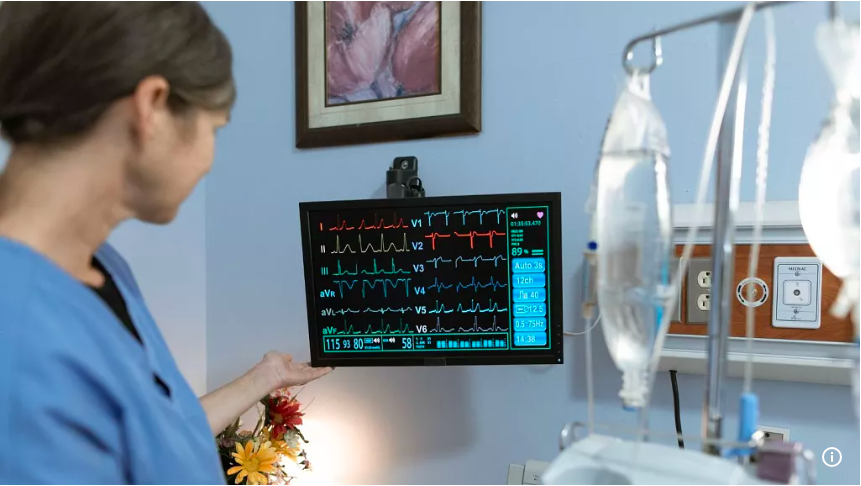
Lithuania Makes Nursing School Tuition-Free to Combat Health Worker Shortage
In a bold move to address its deepening healthcare workforce crisis, Lithuania has announced it will make nursing school tuition-free for hundreds of students beginning in the 2025–2026 academic year. Backed by the European Union, the initiative aims to tackle the Baltic country’s nursing shortage by incentivising young people to join the profession—and stay in it.
According to Lithuania’s health ministry, 10 colleges and universities across the country will admit 535 students into fully state-funded nursing programs next year. That figure represents an increase of 100 spots compared to last year. In addition to these fully funded places, approximately the same number of self-funded positions will be offered—though these can effectively become tuition-free for students who agree to work in designated medical centres for two years post-graduation.
Register for Tekedia Mini-MBA edition 20 (June 8 – Sept 5, 2026).
Register for Tekedia AI in Business Masterclass.
Join Tekedia Capital Syndicate and co-invest in great global startups.
Register for Tekedia AI Lab.
The new program is expected to save students between €10,500 and €16,400 each, depending on their chosen institution and course length. But more than just financial relief, it signals a deeper shift in Lithuania’s health education policy: investing in the next generation of medical professionals and empowering them to serve their communities.
A Response to Growing Workforce Gaps
“Nursing is more than a job,” said Laimutė Vaidelienė, Lithuania’s vice minister of health. “It is an opportunity to help, care, be needed, contribute to people's health, public welfare, and the preservation of life.”

Her remarks reflect a growing sense of urgency across Europe, where aging populations and an exodus of trained medical personnel are creating massive strains on national healthcare systems. Lithuania is no exception. According to 2022 data, more than half (51.5%) of Lithuanian nurses were aged 55 or older—the highest proportion in all of Europe.
And although Lithuania ranked 11th out of 33 countries for the number of nurse graduates (with 27.6 graduates per 100,000 people), very few nurses have migrated to Lithuania from other nations. That lack of incoming talent has left the country heavily reliant on domestic training programs to fill the gaps.
How the Program Works

Under the initiative, students who are offered non-funded places at nursing schools can still have their tuition covered—if they commit to working for two years in selected healthcare facilities after graduation. These centres, often located in smaller towns or underserved areas, will directly absorb the tuition costs in exchange for the service commitment.
The health ministry has made it clear that once students graduate, they’ll be encouraged to return to their hometowns. The goal is not just to increase the number of nurses in urban hospitals but to ensure a balanced healthcare workforce across the country.
Students will also be given the flexibility to specialize in a variety of fields including:
- General practice
- Emergency care
- Psychiatry
- Paediatrics
- Geriatrics and more
This flexibility is key to addressing not just quantity but quality within the nursing workforce, ensuring that all aspects of patient care are adequately supported.
EU Support and Broader Implications
The initiative will be largely funded by the European Union, with €17 million earmarked for the program as part of a wider EU strategy to combat nursing shortages across the continent. The issue is continent-wide, with EU officials warning that the health sector could face severe workforce deficits if immediate action is not taken.
By launching this program, Lithuania is positioning itself as a model for other nations in the region. The approach combines financial incentives, service commitments, and decentralisation of healthcare labor—all while focusing on long-term sustainability.
The initiative also serves as a reminder of the value of the nursing profession, which was thrown into sharp relief during the COVID-19 pandemic. From emergency wards to long-term care, nurses continue to play a crucial role in national health systems. Yet, without adequate investment and respect, burnout and retirements could wipe out hard-earned progress.
Final Thoughts
As Lithuania takes this crucial step toward building a stronger, more resilient healthcare system, it’s making a powerful statement: investing in nurses is investing in the future of public health.
For young Lithuanians, the initiative offers more than a free education. It opens the door to a meaningful career that provides personal fulfilment and national impact. And for Europe, it may offer a blueprint for tackling similar health workforce shortages in the years to come.
Conclusion
Lithuania’s decision to offer free nursing school tuition marks a transformative step in addressing the country’s critical healthcare workforce shortage. By removing financial barriers and encouraging young people to serve in their local communities, the initiative not only strengthens the national health system but also fosters a deeper sense of social responsibility. Backed by €17 million in EU funding, this program could serve as a model for other nations grappling with similar demographic and workforce challenges. As Lithuania invests in the future of its nurses, it is also investing in the health, well-being, and resilience of its population for generations to come.
Uploaded files:Share this:
- Click to share on Facebook (Opens in new window) Facebook
- Click to share on X (Opens in new window) X
- Click to share on WhatsApp (Opens in new window) WhatsApp
- Click to share on LinkedIn (Opens in new window) LinkedIn
- Click to email a link to a friend (Opens in new window) Email
- Click to print (Opens in new window) Print