

Macron Says EU-US Trade Deal Isn’t Final, Calls for Continued Negotiations

Quote from Alex Bobby on July 31, 2025, 4:11 AM
Macron Says EU-US Trade Deal Isn’t Final, Calls for Continued Negotiations
Despite the recent signing of a major trade agreement between the European Union and the United States, French President Emmanuel Macron has made it clear that the deal is far from final. Calling for more negotiations and strategic rebalancing, Macron has urged the European Commission to take a firmer stance—particularly in sectors where the EU continues to lag behind, such as services.
Just days after European Commission President Ursula von der Leyen and U.S. President Donald Trump reached the much-anticipated accord on July 27, Macron voiced his dissatisfaction during a meeting of the French Council of Ministers. He called for “relentless efforts to rebalance trade,” with a strong focus on services, where the EU maintains a deficit against the U.S.
A Deal Signed, But Not Sealed
While the agreement aims to de-escalate a years-long tariff dispute and foster smoother transatlantic trade, Macron’s comments underscore a deeper European concern: the imbalance in the services sector and the EU’s limited leverage against American economic power.
“To be free, one must be feared. We haven’t been feared enough,” Macron declared, signalling that Europe must project greater economic assertiveness if it hopes to secure more favourable trade terms. His remarks reflect broader skepticism within the EU that the current deal addresses only surface-level issues while leaving structural inequities unresolved.
A Call for Strategic Countermeasures
France has long pushed for a more hardline approach to transatlantic trade, and Macron’s latest remarks reinforce that stance. At the centre of his argument is the EU’s anti-coercion instrument—a mechanism that allows the EU to deny access to its public procurement markets, licenses, or intellectual property rights to foreign companies from countries using coercive economic tactics.
This tool, Macron suggested, should be ready for deployment should negotiations with Washington stall or regress. Its primary target would be U.S. services, an area in which the EU runs a significant trade deficit. In contrast, the EU maintains a surplus in goods, making services a more sensitive issue for Paris and its allies.
Additionally, the EU has prepared a €95 billion package of countermeasures targeting U.S. products. Although these measures have been temporarily suspended until August 4, they remain active and ready for reinstatement if the U.S. confirms the implementation of a 15% blanket tariff on EU imports starting August 1.
“Of course the measures are there,” an EU official noted. “They have been approved by the member states. So if there was a need, we could always bring them back on Tuesday [August 4]. But that is not the assumption from which we start this next phase in transatlantic relations.”
Exemptions and Sectoral Concerns
Macron acknowledged that negotiations with the U.S. had been difficult but welcomed the exemptions already secured—particularly for the aerospace industry, which is considered strategically vital to France. Still, several French industries remain under threat, especially the wine and spirits sector, which represents a critical export channel to the U.S.
“We are continuing to negotiate with the Americans so that, if possible, spirits, perhaps wine, and other sectors can be exempted. It’s a work in progress,” said French Economy Minister Éric Lombard in an interview with French radio.
Commission President von der Leyen confirmed that the new deal will impose zero-for-zero tariffs on a limited number of goods, including certain chemicals, generic drugs, semiconductor-making equipment, and select agricultural and natural resource products. However, key European exports—such as beef, rice, sugar, ethanol, and poultry—remain excluded, a decision that has drawn criticism from several EU member states.
Looking Forward: A Test for Transatlantic Unity
Macron’s push for more negotiations reflects a broader reality: the transatlantic trade relationship is complex and fraught with conflicting interests. While the deal reached in July may serve as a temporary de-escalation of trade tensions, it does not mark the end of disputes.
What’s clear is that France—and possibly other EU member states—will continue to push for adjustments in the weeks ahead. The services sector, in particular, will remain a flashpoint as the EU seeks to level the playing field in a global economy increasingly driven by technology, data, and high-value services.
Conclusion
The EU-US trade deal may have been signed, but according to President Macron, it’s far from settled. France’s calls for rebalancing, coupled with the looming threat of countermeasures and a desire for broader tariff exemptions, indicate that negotiations are far from over. As the EU enters a new phase in its relationship with Washington, much will depend on whether both sides can find common ground in the contested territory of services, standards, and fair competition. Macron's message is unmistakable: the EU must not just negotiate—it must negotiate from a position of strength.
Meta Description:
French President Emmanuel Macron urges further talks on the EU-US trade deal, highlighting imbalances in the services sector and hinting at rebalancing measures as tariff exemptions remain unresolved.
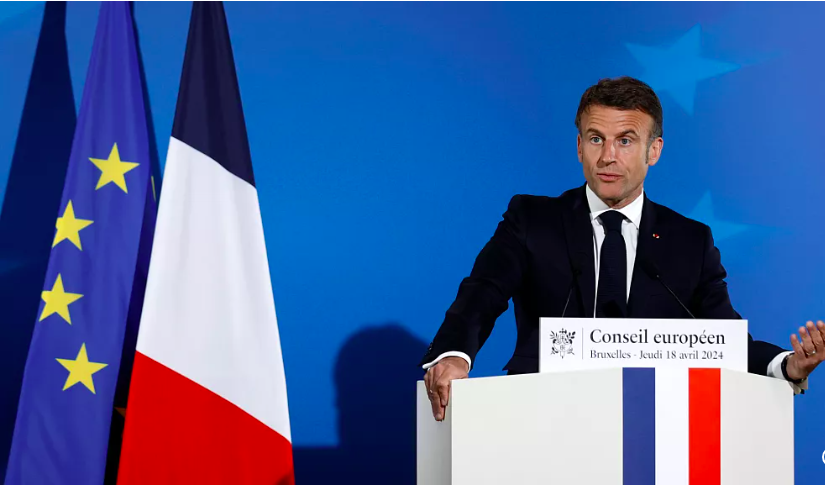
Macron Says EU-US Trade Deal Isn’t Final, Calls for Continued Negotiations
Despite the recent signing of a major trade agreement between the European Union and the United States, French President Emmanuel Macron has made it clear that the deal is far from final. Calling for more negotiations and strategic rebalancing, Macron has urged the European Commission to take a firmer stance—particularly in sectors where the EU continues to lag behind, such as services.
Just days after European Commission President Ursula von der Leyen and U.S. President Donald Trump reached the much-anticipated accord on July 27, Macron voiced his dissatisfaction during a meeting of the French Council of Ministers. He called for “relentless efforts to rebalance trade,” with a strong focus on services, where the EU maintains a deficit against the U.S.
Register for Tekedia Mini-MBA edition 20 (June 8 – Sept 5, 2026).
Register for Tekedia AI in Business Masterclass.
Join Tekedia Capital Syndicate and co-invest in great global startups.
Register for Tekedia AI Lab.
A Deal Signed, But Not Sealed
While the agreement aims to de-escalate a years-long tariff dispute and foster smoother transatlantic trade, Macron’s comments underscore a deeper European concern: the imbalance in the services sector and the EU’s limited leverage against American economic power.
“To be free, one must be feared. We haven’t been feared enough,” Macron declared, signalling that Europe must project greater economic assertiveness if it hopes to secure more favourable trade terms. His remarks reflect broader skepticism within the EU that the current deal addresses only surface-level issues while leaving structural inequities unresolved.

A Call for Strategic Countermeasures
France has long pushed for a more hardline approach to transatlantic trade, and Macron’s latest remarks reinforce that stance. At the centre of his argument is the EU’s anti-coercion instrument—a mechanism that allows the EU to deny access to its public procurement markets, licenses, or intellectual property rights to foreign companies from countries using coercive economic tactics.
This tool, Macron suggested, should be ready for deployment should negotiations with Washington stall or regress. Its primary target would be U.S. services, an area in which the EU runs a significant trade deficit. In contrast, the EU maintains a surplus in goods, making services a more sensitive issue for Paris and its allies.

Additionally, the EU has prepared a €95 billion package of countermeasures targeting U.S. products. Although these measures have been temporarily suspended until August 4, they remain active and ready for reinstatement if the U.S. confirms the implementation of a 15% blanket tariff on EU imports starting August 1.
“Of course the measures are there,” an EU official noted. “They have been approved by the member states. So if there was a need, we could always bring them back on Tuesday [August 4]. But that is not the assumption from which we start this next phase in transatlantic relations.”
Exemptions and Sectoral Concerns
Macron acknowledged that negotiations with the U.S. had been difficult but welcomed the exemptions already secured—particularly for the aerospace industry, which is considered strategically vital to France. Still, several French industries remain under threat, especially the wine and spirits sector, which represents a critical export channel to the U.S.
“We are continuing to negotiate with the Americans so that, if possible, spirits, perhaps wine, and other sectors can be exempted. It’s a work in progress,” said French Economy Minister Éric Lombard in an interview with French radio.
Commission President von der Leyen confirmed that the new deal will impose zero-for-zero tariffs on a limited number of goods, including certain chemicals, generic drugs, semiconductor-making equipment, and select agricultural and natural resource products. However, key European exports—such as beef, rice, sugar, ethanol, and poultry—remain excluded, a decision that has drawn criticism from several EU member states.
Looking Forward: A Test for Transatlantic Unity
Macron’s push for more negotiations reflects a broader reality: the transatlantic trade relationship is complex and fraught with conflicting interests. While the deal reached in July may serve as a temporary de-escalation of trade tensions, it does not mark the end of disputes.
What’s clear is that France—and possibly other EU member states—will continue to push for adjustments in the weeks ahead. The services sector, in particular, will remain a flashpoint as the EU seeks to level the playing field in a global economy increasingly driven by technology, data, and high-value services.
Conclusion
The EU-US trade deal may have been signed, but according to President Macron, it’s far from settled. France’s calls for rebalancing, coupled with the looming threat of countermeasures and a desire for broader tariff exemptions, indicate that negotiations are far from over. As the EU enters a new phase in its relationship with Washington, much will depend on whether both sides can find common ground in the contested territory of services, standards, and fair competition. Macron's message is unmistakable: the EU must not just negotiate—it must negotiate from a position of strength.
Meta Description:
French President Emmanuel Macron urges further talks on the EU-US trade deal, highlighting imbalances in the services sector and hinting at rebalancing measures as tariff exemptions remain unresolved.
Share this:
- Click to share on Facebook (Opens in new window) Facebook
- Click to share on X (Opens in new window) X
- Click to share on WhatsApp (Opens in new window) WhatsApp
- Click to share on LinkedIn (Opens in new window) LinkedIn
- Click to email a link to a friend (Opens in new window) Email
- Click to print (Opens in new window) Print