

Malawi at a Crossroads: Chakwera’s Victory and the Fight to Save a Failing Economy

Quote from Alex Bobby on September 25, 2025, 3:15 AM
Malawi’s Political Turning Point: Chakwera’s Mandate Amid Crisis
Malawi, a small landlocked nation in southern Africa, has once again reached a defining political moment. The country’s fragile democracy, shaped by decades of electoral disputes, economic hardship, and persistent corruption allegations, has handed the presidency to Lazarus Chakwera after a tense and closely watched election. While Chakwera’s victory represents a shift in political leadership, it comes with enormous challenges, most notably the responsibility of rescuing an economy that is already buckling under the weight of inflation, shortages, and widespread poverty.
A Nation in Economic Freefall
The state of Malawi’s economy underscores just how daunting Chakwera’s task will be. Inflation hovers near 30%, a punishing figure that has drastically eroded the purchasing power of ordinary Malawians. In Lilongwe, the capital, a single frozen chicken now costs about \$20, a staggering price in a country where the majority of people live on less than \$2 a day. Shortages of both fuel and foreign currency have paralyzed everyday commerce, forcing businesses and families alike into survival mode.
This economic malaise has been building for years. Malawi, despite its fertile land and agricultural potential, remains one of the poorest nations in the world. Its dependence on imports for fuel and essential goods makes it especially vulnerable to global market fluctuations. Corruption scandals and fiscal mismanagement in successive governments have compounded these vulnerabilities, leaving Malawi with little resilience against external shocks. For Chakwera, restoring confidence in government and stabilizing the economy is both the greatest opportunity and the greatest test of his presidency.
The Election and Its Shadows
Chakwera’s recent triumph was not just a routine transfer of power—it marked the latest chapter in a dramatic electoral saga that has tested Malawi’s democratic institutions. The election commission took all of the eight days allowed by law to announce the results, carefully vetting tallies and addressing complaints lodged by rival candidates.
This cautious approach stems from painful lessons of the past. In 2019, Peter Mutharika, Chakwera’s long-time rival, was declared the winner of the presidential election. However, Malawi’s highest court annulled those results after uncovering widespread irregularities, including the now-infamous use of correction fluid to alter results sheets. That landmark ruling was celebrated as a major victory for democracy, not just in Malawi but across Africa, where electoral disputes often end in violence or are swept aside by authoritarian control.
The rerun election in 2020 brought Chakwera to power for the first time, defeating Mutharika by a commanding margin. The most recent contest marked the fourth electoral showdown between the two men, cementing their rivalry as a defining feature of Malawian politics.
The Mutharika Legacy
Peter Mutharika, a seasoned politician and academic, has cast a long shadow over Malawi’s political landscape. His brother, Bingu wa Mutharika, served as president from 2004 until his sudden death in 2012, leaving behind a complicated legacy of economic growth followed by accusations of authoritarianism and mismanagement. Peter Mutharika stepped into politics with the weight of his brother’s reputation and the hopes of continuing the family’s influence.
Yet his tenure as president was dogged by controversy. Despite winning reelection in 2019, his administration struggled with accusations of corruption, poor governance, and a failure to address economic decline. The annulment of the 2019 election only deepened the sense that Mutharika’s rule had lost legitimacy. For many Malawians, Chakwera’s rise to power represented not only a break from the Mutharika dynasty but also a chance to reset the country’s political culture.
Chakwera’s Challenge
Chakwera, a former theologian and preacher, often frames his leadership as a moral mission to cleanse the country of corruption and restore dignity to its institutions. His rhetoric of renewal has resonated with a public weary of broken promises and economic despair. However, Malawians’ patience is wearing thin. After his first term, critics accused him of failing to deliver meaningful change quickly enough, and the dire state of the economy continues to threaten his credibility.
Now, with a renewed mandate, Chakwera faces the monumental challenge of proving that his administration can turn promises into results. His priorities are clear: stabilizing the currency, curbing inflation, and ensuring that basic goods are affordable for ordinary families. Beyond economic reforms, he must also strengthen Malawi’s democratic institutions to ensure that elections remain credible and that corruption does not derail progress.
A Regional and Global Lens
Malawi’s struggles are not unique within southern Africa. Many countries in the region grapple with inflation, dependence on imports, and fragile democracies. Yet Malawi’s resilience has been noteworthy. The annulment of the 2019 election was a historic precedent, showcasing the power of courts and the determination of citizens to demand accountability. International observers hailed it as a beacon of hope in a region where democratic backsliding is all too common.
Global partners, including the International Monetary Fund, World Bank, and bilateral donors, are likely to play a role in supporting Malawi’s economic recovery. However, aid will come with expectations of fiscal discipline, transparency, and structural reform. Chakwera’s ability to balance external demands with domestic priorities will be a critical factor in shaping Malawi’s trajectory over the next five years.
Looking Ahead
Malawi stands at a crossroads. On one hand, the country is reeling from an economic crisis that threatens to deepen poverty and fuel discontent. On the other hand, it has demonstrated remarkable democratic resilience, with citizens and institutions demanding accountability and transparency in governance.
Chakwera inherits not only a broken economy but also a rare opportunity: the chance to restore faith in politics by delivering tangible improvements in people’s lives. Whether he succeeds or fails will define Malawi’s immediate future—and perhaps set an example for the region.
For Malawians struggling with soaring prices, fuel shortages, and dwindling opportunities, the new administration cannot act quickly enough. Chakwera’s victory may mark the end of a bitter rivalry, but for the people of Malawi, the real contest has only just begun.
Final Thoughts
Malawi’s story is one of struggle, resilience, and possibility. The annulment of flawed elections and the peaceful transfer of power highlight the strength of its democratic spirit, even as its economy teeters on collapse. For President Lazarus Chakwera, the path forward will be defined not by political victories alone but by the lives improved and the trust restored. If he can deliver meaningful reform, Malawi has a chance to turn its crisis into renewal—and inspire other nations in the region. If he cannot, the country risks deepening disillusionment and prolonged hardship.
Conclusion
Malawi’s latest election marks more than a political shift—it is a test of resilience for a nation battling economic collapse and the weight of history. Lazarus Chakwera has been given a renewed mandate, but expectations are high and patience among citizens is short. His ability to stabilize the economy, restore credibility to institutions, and deliver on promises will determine whether this moment becomes a true turning point or another missed opportunity. For ordinary Malawians, who bear the brunt of inflation and shortages, the stakes could not be higher.
Meta Description:
Lazarus Chakwera inherits Malawi’s presidency amid deep economic crisis, inflation near 30%, and fuel shortages. Can he restore stability and rebuild trust after years of disputed elections?S
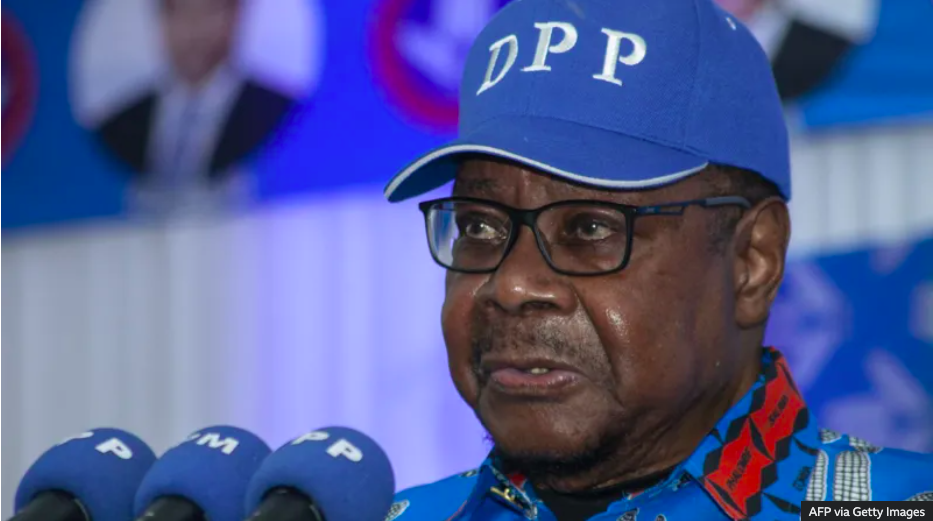
Malawi’s Political Turning Point: Chakwera’s Mandate Amid Crisis
Malawi, a small landlocked nation in southern Africa, has once again reached a defining political moment. The country’s fragile democracy, shaped by decades of electoral disputes, economic hardship, and persistent corruption allegations, has handed the presidency to Lazarus Chakwera after a tense and closely watched election. While Chakwera’s victory represents a shift in political leadership, it comes with enormous challenges, most notably the responsibility of rescuing an economy that is already buckling under the weight of inflation, shortages, and widespread poverty.
A Nation in Economic Freefall
Register for Tekedia Mini-MBA edition 20 (June 8 – Sept 5, 2026).
Register for Tekedia AI in Business Masterclass.
Join Tekedia Capital Syndicate and co-invest in great global startups.
Register for Tekedia AI Lab.
The state of Malawi’s economy underscores just how daunting Chakwera’s task will be. Inflation hovers near 30%, a punishing figure that has drastically eroded the purchasing power of ordinary Malawians. In Lilongwe, the capital, a single frozen chicken now costs about \$20, a staggering price in a country where the majority of people live on less than \$2 a day. Shortages of both fuel and foreign currency have paralyzed everyday commerce, forcing businesses and families alike into survival mode.
This economic malaise has been building for years. Malawi, despite its fertile land and agricultural potential, remains one of the poorest nations in the world. Its dependence on imports for fuel and essential goods makes it especially vulnerable to global market fluctuations. Corruption scandals and fiscal mismanagement in successive governments have compounded these vulnerabilities, leaving Malawi with little resilience against external shocks. For Chakwera, restoring confidence in government and stabilizing the economy is both the greatest opportunity and the greatest test of his presidency.
The Election and Its Shadows

Chakwera’s recent triumph was not just a routine transfer of power—it marked the latest chapter in a dramatic electoral saga that has tested Malawi’s democratic institutions. The election commission took all of the eight days allowed by law to announce the results, carefully vetting tallies and addressing complaints lodged by rival candidates.
This cautious approach stems from painful lessons of the past. In 2019, Peter Mutharika, Chakwera’s long-time rival, was declared the winner of the presidential election. However, Malawi’s highest court annulled those results after uncovering widespread irregularities, including the now-infamous use of correction fluid to alter results sheets. That landmark ruling was celebrated as a major victory for democracy, not just in Malawi but across Africa, where electoral disputes often end in violence or are swept aside by authoritarian control.
The rerun election in 2020 brought Chakwera to power for the first time, defeating Mutharika by a commanding margin. The most recent contest marked the fourth electoral showdown between the two men, cementing their rivalry as a defining feature of Malawian politics.

The Mutharika Legacy
Peter Mutharika, a seasoned politician and academic, has cast a long shadow over Malawi’s political landscape. His brother, Bingu wa Mutharika, served as president from 2004 until his sudden death in 2012, leaving behind a complicated legacy of economic growth followed by accusations of authoritarianism and mismanagement. Peter Mutharika stepped into politics with the weight of his brother’s reputation and the hopes of continuing the family’s influence.
Yet his tenure as president was dogged by controversy. Despite winning reelection in 2019, his administration struggled with accusations of corruption, poor governance, and a failure to address economic decline. The annulment of the 2019 election only deepened the sense that Mutharika’s rule had lost legitimacy. For many Malawians, Chakwera’s rise to power represented not only a break from the Mutharika dynasty but also a chance to reset the country’s political culture.
Chakwera’s Challenge
Chakwera, a former theologian and preacher, often frames his leadership as a moral mission to cleanse the country of corruption and restore dignity to its institutions. His rhetoric of renewal has resonated with a public weary of broken promises and economic despair. However, Malawians’ patience is wearing thin. After his first term, critics accused him of failing to deliver meaningful change quickly enough, and the dire state of the economy continues to threaten his credibility.
Now, with a renewed mandate, Chakwera faces the monumental challenge of proving that his administration can turn promises into results. His priorities are clear: stabilizing the currency, curbing inflation, and ensuring that basic goods are affordable for ordinary families. Beyond economic reforms, he must also strengthen Malawi’s democratic institutions to ensure that elections remain credible and that corruption does not derail progress.
A Regional and Global Lens
Malawi’s struggles are not unique within southern Africa. Many countries in the region grapple with inflation, dependence on imports, and fragile democracies. Yet Malawi’s resilience has been noteworthy. The annulment of the 2019 election was a historic precedent, showcasing the power of courts and the determination of citizens to demand accountability. International observers hailed it as a beacon of hope in a region where democratic backsliding is all too common.
Global partners, including the International Monetary Fund, World Bank, and bilateral donors, are likely to play a role in supporting Malawi’s economic recovery. However, aid will come with expectations of fiscal discipline, transparency, and structural reform. Chakwera’s ability to balance external demands with domestic priorities will be a critical factor in shaping Malawi’s trajectory over the next five years.
Looking Ahead
Malawi stands at a crossroads. On one hand, the country is reeling from an economic crisis that threatens to deepen poverty and fuel discontent. On the other hand, it has demonstrated remarkable democratic resilience, with citizens and institutions demanding accountability and transparency in governance.
Chakwera inherits not only a broken economy but also a rare opportunity: the chance to restore faith in politics by delivering tangible improvements in people’s lives. Whether he succeeds or fails will define Malawi’s immediate future—and perhaps set an example for the region.
For Malawians struggling with soaring prices, fuel shortages, and dwindling opportunities, the new administration cannot act quickly enough. Chakwera’s victory may mark the end of a bitter rivalry, but for the people of Malawi, the real contest has only just begun.
Final Thoughts
Malawi’s story is one of struggle, resilience, and possibility. The annulment of flawed elections and the peaceful transfer of power highlight the strength of its democratic spirit, even as its economy teeters on collapse. For President Lazarus Chakwera, the path forward will be defined not by political victories alone but by the lives improved and the trust restored. If he can deliver meaningful reform, Malawi has a chance to turn its crisis into renewal—and inspire other nations in the region. If he cannot, the country risks deepening disillusionment and prolonged hardship.
Conclusion
Malawi’s latest election marks more than a political shift—it is a test of resilience for a nation battling economic collapse and the weight of history. Lazarus Chakwera has been given a renewed mandate, but expectations are high and patience among citizens is short. His ability to stabilize the economy, restore credibility to institutions, and deliver on promises will determine whether this moment becomes a true turning point or another missed opportunity. For ordinary Malawians, who bear the brunt of inflation and shortages, the stakes could not be higher.
Meta Description:
Lazarus Chakwera inherits Malawi’s presidency amid deep economic crisis, inflation near 30%, and fuel shortages. Can he restore stability and rebuild trust after years of disputed elections?
S
Uploaded files:Share this:
- Click to share on Facebook (Opens in new window) Facebook
- Click to share on X (Opens in new window) X
- Click to share on WhatsApp (Opens in new window) WhatsApp
- Click to share on LinkedIn (Opens in new window) LinkedIn
- Click to email a link to a friend (Opens in new window) Email
- Click to print (Opens in new window) Print