

Malawi Election 2025: Petrol Shortages and Economic Struggles Overshadow Voting

Quote from Alex Bobby on September 15, 2025, 7:05 AM
Malawi – Where the Petrol Queue Might Overshadow the Queue to Vote
As Malawi approaches its general election on Tuesday, the queues snaking around petrol stations are becoming as much a part of daily life as the anticipation of casting ballots. For many Malawians, getting fuel has become a pressing concern, often overshadowing political debates and election rallies. The country is grappling with prolonged petrol shortages, frequent power cuts, rising food prices, poverty, inequality, and high youth unemployment—issues that weigh heavily on voters as they prepare to head to the polls.
An Election Shaped by Economic Struggles
The upcoming presidential, parliamentary, and local council elections are taking place against a backdrop of growing public cynicism. While the presidential race is widely seen as a rematch between incumbent Lazarus Chakwera and former President Peter Mutharika—who he defeated in 2020—there are 15 other candidates in the running. Despite this crowded field, the usual colourful election fanfare is noticeably subdued.
Campaigns this year have been more muted due to financial constraints. The free T-shirts, balloons, and other handouts that have historically been used to drum up voter enthusiasm are in shorter supply, and fewer giant election billboards are visible along major roads. Political spectacle has given way to pragmatism, reflecting both economic hardship and voter fatigue.
Fuel Shortages and Public Frustration
At the heart of daily frustration is the struggle to obtain fuel. Petrol lines have grown long, with impatience often boiling over into fistfights. Recognising the political risk, President Chakwera addressed the shortage in a televised speech eight days before the election, apologising to citizens and accusing allegedly corrupt officials of deliberately sabotaging the oil market.
The fuel crisis is further complicated by a thriving informal market. In southern towns such as Mangochi, young men have been selling petrol and diesel in small plastic containers at five times the official price to make ends meet. “Preying on desperate motorists is the only way to survive,” one vendor admitted before walking away from an interview request.
The scarcity of fuel mirrors wider economic challenges. Food costs have surged by more than 30% over the past year, while wages have failed to keep pace. The shortage of foreign currency has forced importers to purchase US dollars on the expensive black market, with additional costs passed on to consumers.
Youth Unemployment and Political Stakes
The election’s outcome may hinge significantly on younger voters, as roughly half of registered voters are under 35. Many of these young Malawians face unemployment and economic insecurity. “When young people cast their ballots next week, they should think about the poverty crisis. The coming president should fix the employment rate because many of the young people are unemployed,” said 33-year-old Monica Chinoko from Lilongwe.
Yet despite the pressing issues, enthusiasm for the elections among younger voters is mixed. Some express skepticism about real change, noting that successive administrations have struggled to address core challenges. “Looking at the candidates—it’s really a tough choice because hope has been lost. We’ve been voting and voting but things haven’t gotten better,” said 35-year-old Ashley Phiri. Still, many remain cautiously optimistic that the upcoming election could bring a new chapter of transformative leadership.
Campaign Messages and Rural Concerns
While the economic hardships are felt nationwide, rural communities remain particularly focused on agricultural issues. At a rally in Machinga, an elderly supporter held up a bucket, drawing attention to the soaring price of fertiliser—a critical input for the 80% of Malawians who rely on smallholdings for their livelihood.
Chakwera has pledged to reduce fertiliser costs through a targeted programme starting next month, though he has accused some opposition parties of colluding with private traders to distort prices. Meanwhile, Mutharika’s campaign has toured villages along the Bakili Muluzi highway, emphasising nostalgia for his previous time in office, with supporters calling for a return to his leadership.
Promises for a Better Future
Despite challenges during his first five years, Chakwera remains optimistic about the country’s future. Among his headline policies is a plan to deposit 500,000 Malawi kwacha ($290; £210) into individual accounts for every child born after the election, to be accessed at age 18. The measure aims to provide a long-term safety net and investment in the next generation.
Former President Joyce Banda, Malawi’s only female head of state, is also running again. She has campaigned on promises to fight corruption, boost the economy, and improve rural infrastructure. Other candidates, including Atupele Muluzi, Dalitso Kabambe, and Vice-President Michael Usi, have similarly pledged radical reforms, reflecting the widespread desire for change in one of the world’s poorest countries.
The Challenges Ahead
The election illustrates the stark reality for many Malawians: everyday survival often overshadows political engagement. For voters, practical concerns such as access to fuel, food security, and employment are immediate priorities. The outcome of Tuesday’s election—or a possible second round—will be measured not just by political rhetoric, but by the ability of the next administration to address these urgent economic and social issues.
There is no shortage of choice on the ballot paper, but what matters most to citizens is whether the incoming government can put more food on the table, improve access to fuel, and create real opportunities for a growing youth population. The coming days will reveal whether Malawians’ hopes for transformation can be realised, or whether the familiar frustrations of high prices and scarcity will continue to define daily life.
Looking Forward
As Malawi heads to the polls, the focus remains not just on political rivalry but on the tangible challenges facing everyday citizens. With petrol shortages, rising food costs, and limited employment opportunities dominating public concern, voters are keenly aware that the next administration must deliver practical solutions.
Looking forward, the election offers an opportunity for leaders to address long-standing economic inequalities and implement policies that can meaningfully improve living conditions. Young voters, in particular, will be watching closely, hoping for initiatives that create jobs, stabilise prices, and provide security for the next generation. The weeks ahead will reveal whether Malawians’ patience and participation will translate into measurable change and a stronger, more resilient future for the nation.
Final Thoughts
Malawi’s upcoming election underscores the deep connection between governance and everyday life. Beyond political rivalries, citizens are focused on the pressing realities of fuel shortages, rising living costs, and widespread unemployment. These challenges highlight the urgent need for practical solutions that improve daily life and foster economic stability.
The election also emphasises the importance of youth engagement, as younger voters seek leadership that addresses their hopes for employment, opportunity, and a more secure future. While the political landscape is complex, the focus remains clear: Malawians are looking for leaders who can transform systemic challenges into real, positive change, ensuring that both the queues at petrol stations and the ballot boxes reflect a renewed sense of progress and hope.
Conclusion
Malawi’s general election comes at a time of pressing economic and social challenges, from petrol shortages and soaring food prices to widespread unemployment and poverty. While political campaigns are underway, many voters remain focused on immediate concerns that affect daily life, highlighting the critical link between governance and tangible improvements for citizens.
The outcome of the election will be measured not only by who claims the presidency but by the ability of the next government to address these urgent issues. For young voters and rural communities alike, priorities such as job creation, affordable food and fuel, and support for smallholder farmers will be key indicators of success. Ultimately, Malawians are hoping that the new leadership can transform everyday frustrations into opportunities for growth, stability, and a more hopeful future.
Meta Description:
As Malawi heads to its 2025 general election, citizens face petrol shortages, rising food costs, and unemployment, with voters hoping the next government will deliver real economic and social change.
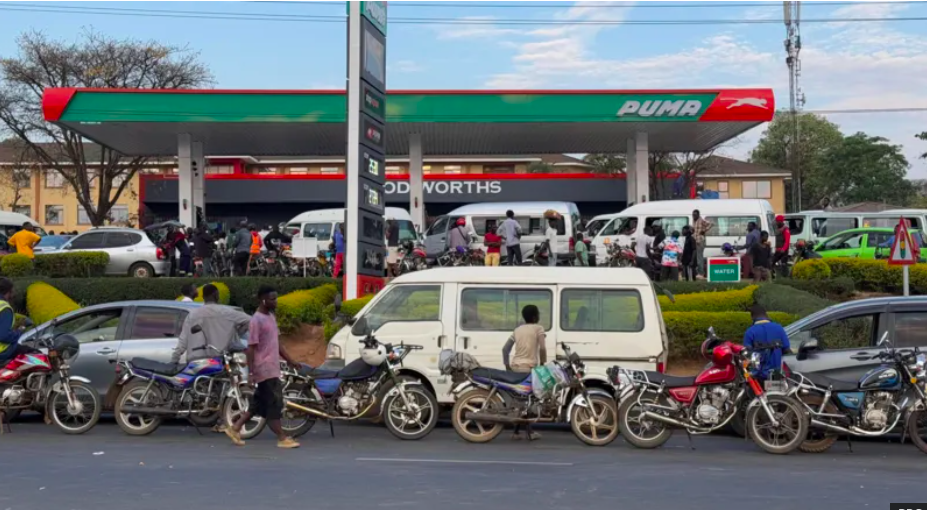
Malawi – Where the Petrol Queue Might Overshadow the Queue to Vote
As Malawi approaches its general election on Tuesday, the queues snaking around petrol stations are becoming as much a part of daily life as the anticipation of casting ballots. For many Malawians, getting fuel has become a pressing concern, often overshadowing political debates and election rallies. The country is grappling with prolonged petrol shortages, frequent power cuts, rising food prices, poverty, inequality, and high youth unemployment—issues that weigh heavily on voters as they prepare to head to the polls.
An Election Shaped by Economic Struggles
Register for Tekedia Mini-MBA edition 20 (June 8 – Sept 5, 2026).
Register for Tekedia AI in Business Masterclass.
Join Tekedia Capital Syndicate and co-invest in great global startups.
Register for Tekedia AI Lab.
The upcoming presidential, parliamentary, and local council elections are taking place against a backdrop of growing public cynicism. While the presidential race is widely seen as a rematch between incumbent Lazarus Chakwera and former President Peter Mutharika—who he defeated in 2020—there are 15 other candidates in the running. Despite this crowded field, the usual colourful election fanfare is noticeably subdued.
Campaigns this year have been more muted due to financial constraints. The free T-shirts, balloons, and other handouts that have historically been used to drum up voter enthusiasm are in shorter supply, and fewer giant election billboards are visible along major roads. Political spectacle has given way to pragmatism, reflecting both economic hardship and voter fatigue.
Fuel Shortages and Public Frustration

At the heart of daily frustration is the struggle to obtain fuel. Petrol lines have grown long, with impatience often boiling over into fistfights. Recognising the political risk, President Chakwera addressed the shortage in a televised speech eight days before the election, apologising to citizens and accusing allegedly corrupt officials of deliberately sabotaging the oil market.
The fuel crisis is further complicated by a thriving informal market. In southern towns such as Mangochi, young men have been selling petrol and diesel in small plastic containers at five times the official price to make ends meet. “Preying on desperate motorists is the only way to survive,” one vendor admitted before walking away from an interview request.
The scarcity of fuel mirrors wider economic challenges. Food costs have surged by more than 30% over the past year, while wages have failed to keep pace. The shortage of foreign currency has forced importers to purchase US dollars on the expensive black market, with additional costs passed on to consumers.

Youth Unemployment and Political Stakes
The election’s outcome may hinge significantly on younger voters, as roughly half of registered voters are under 35. Many of these young Malawians face unemployment and economic insecurity. “When young people cast their ballots next week, they should think about the poverty crisis. The coming president should fix the employment rate because many of the young people are unemployed,” said 33-year-old Monica Chinoko from Lilongwe.
Yet despite the pressing issues, enthusiasm for the elections among younger voters is mixed. Some express skepticism about real change, noting that successive administrations have struggled to address core challenges. “Looking at the candidates—it’s really a tough choice because hope has been lost. We’ve been voting and voting but things haven’t gotten better,” said 35-year-old Ashley Phiri. Still, many remain cautiously optimistic that the upcoming election could bring a new chapter of transformative leadership.
Campaign Messages and Rural Concerns
While the economic hardships are felt nationwide, rural communities remain particularly focused on agricultural issues. At a rally in Machinga, an elderly supporter held up a bucket, drawing attention to the soaring price of fertiliser—a critical input for the 80% of Malawians who rely on smallholdings for their livelihood.
Chakwera has pledged to reduce fertiliser costs through a targeted programme starting next month, though he has accused some opposition parties of colluding with private traders to distort prices. Meanwhile, Mutharika’s campaign has toured villages along the Bakili Muluzi highway, emphasising nostalgia for his previous time in office, with supporters calling for a return to his leadership.
Promises for a Better Future
Despite challenges during his first five years, Chakwera remains optimistic about the country’s future. Among his headline policies is a plan to deposit 500,000 Malawi kwacha ($290; £210) into individual accounts for every child born after the election, to be accessed at age 18. The measure aims to provide a long-term safety net and investment in the next generation.
Former President Joyce Banda, Malawi’s only female head of state, is also running again. She has campaigned on promises to fight corruption, boost the economy, and improve rural infrastructure. Other candidates, including Atupele Muluzi, Dalitso Kabambe, and Vice-President Michael Usi, have similarly pledged radical reforms, reflecting the widespread desire for change in one of the world’s poorest countries.
The Challenges Ahead
The election illustrates the stark reality for many Malawians: everyday survival often overshadows political engagement. For voters, practical concerns such as access to fuel, food security, and employment are immediate priorities. The outcome of Tuesday’s election—or a possible second round—will be measured not just by political rhetoric, but by the ability of the next administration to address these urgent economic and social issues.
There is no shortage of choice on the ballot paper, but what matters most to citizens is whether the incoming government can put more food on the table, improve access to fuel, and create real opportunities for a growing youth population. The coming days will reveal whether Malawians’ hopes for transformation can be realised, or whether the familiar frustrations of high prices and scarcity will continue to define daily life.
Looking Forward
As Malawi heads to the polls, the focus remains not just on political rivalry but on the tangible challenges facing everyday citizens. With petrol shortages, rising food costs, and limited employment opportunities dominating public concern, voters are keenly aware that the next administration must deliver practical solutions.
Looking forward, the election offers an opportunity for leaders to address long-standing economic inequalities and implement policies that can meaningfully improve living conditions. Young voters, in particular, will be watching closely, hoping for initiatives that create jobs, stabilise prices, and provide security for the next generation. The weeks ahead will reveal whether Malawians’ patience and participation will translate into measurable change and a stronger, more resilient future for the nation.
Final Thoughts
Malawi’s upcoming election underscores the deep connection between governance and everyday life. Beyond political rivalries, citizens are focused on the pressing realities of fuel shortages, rising living costs, and widespread unemployment. These challenges highlight the urgent need for practical solutions that improve daily life and foster economic stability.
The election also emphasises the importance of youth engagement, as younger voters seek leadership that addresses their hopes for employment, opportunity, and a more secure future. While the political landscape is complex, the focus remains clear: Malawians are looking for leaders who can transform systemic challenges into real, positive change, ensuring that both the queues at petrol stations and the ballot boxes reflect a renewed sense of progress and hope.
Conclusion
Malawi’s general election comes at a time of pressing economic and social challenges, from petrol shortages and soaring food prices to widespread unemployment and poverty. While political campaigns are underway, many voters remain focused on immediate concerns that affect daily life, highlighting the critical link between governance and tangible improvements for citizens.
The outcome of the election will be measured not only by who claims the presidency but by the ability of the next government to address these urgent issues. For young voters and rural communities alike, priorities such as job creation, affordable food and fuel, and support for smallholder farmers will be key indicators of success. Ultimately, Malawians are hoping that the new leadership can transform everyday frustrations into opportunities for growth, stability, and a more hopeful future.
Meta Description:
As Malawi heads to its 2025 general election, citizens face petrol shortages, rising food costs, and unemployment, with voters hoping the next government will deliver real economic and social change.
Share this:
- Click to share on Facebook (Opens in new window) Facebook
- Click to share on X (Opens in new window) X
- Click to share on WhatsApp (Opens in new window) WhatsApp
- Click to share on LinkedIn (Opens in new window) LinkedIn
- Click to email a link to a friend (Opens in new window) Email
- Click to print (Opens in new window) Print