

Mali’s Ex-PM Charged for X Post: A Harsh Crackdown on Dissent Under Military Rule

Quote from Alex Bobby on August 3, 2025, 4:28 AM
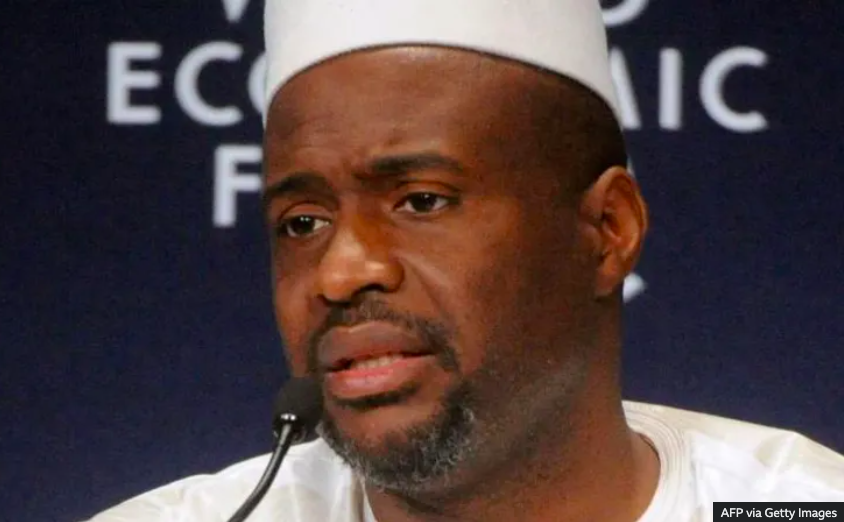
Mali’s Ex-PM Charged with Undermining the State over Social Media Post: A Blow to Free Speech Under Military Rule
Mali’s political climate has taken a darker turn as former Prime Minister Moussa Mara faces criminal charges for expressing solidarity with detained opposition figures on the social media platform X (formerly Twitter). The development raises serious concerns over the country's declining democratic space, the militarisation of dissent, and the junta’s growing intolerance of any form of criticism.
Mara, who briefly served as prime minister from April 2014 to January 2015 under then-President Ibrahim Boubacar Keïta, was charged with "undermining the credibility of the state," "opposing legitimate authority," and "inciting public disorder" following a post he made on X on July 4th. In it, he declared his “unwavering solidarity with prisoners of conscience” — a phrase that the junta is now treating as subversive.
A Post That Sparked the Crackdown
Mara had visited detained opposition figures and shared his reflections online, writing: “As long as the night lasts, the sun will inevitably rise! And we will fight by all means to make that happen, and as soon as possible!” He went on to say that his regular visits were intended to ensure “the flame of hope never fades in them.”
For many observers, this was a powerful, symbolic message of resilience — a call for hope in a country where democratic institutions have been steadily eroded. But for Mali’s cybercrime unit, this was enough to warrant his second arrest and questioning within a month.
According to Radio France Internationale, prosecutors allege that referring to "prisoners of conscience" is tantamount to challenging the legitimacy of the military government. The interpretation, critics say, is a deliberate stretch meant to silence political opponents.
Mara is now scheduled to stand trial on September 29, and if convicted, he could face prison time. It’s a move many believe is designed to make an example out of him and send a clear message to others who might speak out.
From Political Leader to Dissident
Once a central figure in Mali’s political landscape, Mara has in recent years become one of the few senior voices willing to openly challenge the military leadership. Since the two coups in 2020 and 2021 brought Assimi Goïta and his junta to power, dissent has become a dangerous act.
Mara’s post, while emotional and clearly critical, was not a direct call to protest or an incitement to violence. Yet, the charges against him reflect the junta’s paranoia — a regime increasingly afraid of losing control over the public narrative.
What makes this situation particularly alarming is its broader context. In May, the junta dissolved all political parties, following rare anti-government protests. That decision further entrenched military dominance and eliminated the last remaining structures for democratic debate and electoral opposition. It marked a turning point in Mali’s backslide from a civilian-led state into an entrenched authoritarian system.
A Widening Crackdown on Freedoms
Mara’s case is not isolated. The military government has consistently stifled free speech and civil liberties. Journalists, opposition figures, civil society activists, and ordinary citizens have all faced intimidation, detention, and censorship for expressing dissent.
The current regime’s response to criticism appears to be a zero-tolerance approach. While they’re messaging frequently centres around themes of stability, sovereignty, and anti-Western sentiment, their actions reveal a pattern of consolidating power and eliminating dissent.
The regime’s legal framing of Mara’s post as “undermining the state” is especially dangerous because of its vagueness. In effect, it sets a precedent where any disagreement with government policy or action can be labeled as subversion — even poetic expressions of hope.
A Government Losing the Public’s Trust
General Assimi Goïta, the 41-year-old junta leader, has repeatedly shifted goalposts. Initially installed as transitional president after the 2021 coup, he promised elections within a year. Those elections never came.
Instead, the transitional parliament — widely seen as an extension of the junta’s will — granted Goïta a renewable five-year presidential term without a public vote. That decision stripped Malians of any immediate hope for democratic accountability and marked a significant break from the original promises made to both the Malian people and international partners.
This steady departure from democratic norms, combined with the systemic criminalisation of dissent, is creating a highly repressive environment where governance is rooted not in legitimacy or dialogue, but fear.
Regional and Global Reactions
The international community has expressed concern, but so far, the response has been muted. West African regional bloc ECOWAS, which has previously imposed sanctions over coups, has largely softened its stance — particularly as Mali forges stronger ties with Russia and other non-Western powers.
Human rights organisations, however, have warned that the charges against Mara signal an alarming erosion of civic space. Amnesty International and Human Rights Watch have both documented the growing trend of arbitrary arrests and suppression of political freedoms in Mali.
What This Means for Mali’s Future
Moussa Mara’s trial in September will be a litmus test for Mali’s direction. Will the country continue down the road of authoritarian consolidation, or will this moment trigger greater awareness — and resistance — from citizens who still believe in civil liberties?
If visiting political prisoners and offering words of hope is now a criminal act, then Mali has moved far beyond political crisis. It is entering a phase of deep authoritarianism where even thoughts — when shared online — can be punished.
The bigger question is: how long can a government maintain legitimacy when it is afraid of words?
Final Thought:
In a country where the right to speak freely is fading fast, Moussa Mara’s prosecution is not just about one man’s words — it’s a warning to all who still believe in democracy.
Conclusion: A Dangerous Precedent in a Silenced Nation
Mali’s decision to charge a former prime minister for a social media post is more than a legal dispute — it is a powerful and disturbing symbol of how far the country has strayed from democratic principles. By criminalising words of solidarity and hope, the junta is not just silencing one voice, but sending a chilling message to the entire nation: speak out, and you too could face prison.
Moussa Mara’s upcoming trial will test more than just the boundaries of Mali’s cybercrime laws — it will test the resilience of truth, dissent, and basic freedoms in a country steadily slipping into authoritarian rule. If peaceful expression and moral support for detainees are now treated as crimes, then Mali is not just punishing an individual — it is rewriting the rules of civic participation and public discourse.
What remains to be seen is whether Malians — and the international community — will remain silent too.
Meta Description:
Former Malian Prime Minister Moussa Mara is facing trial for social media comments showing support for political prisoners, highlighting the country’s worsening crackdown on dissent under military rule.
Mali’s Ex-PM Charged with Undermining the State over Social Media Post: A Blow to Free Speech Under Military Rule
Mali’s political climate has taken a darker turn as former Prime Minister Moussa Mara faces criminal charges for expressing solidarity with detained opposition figures on the social media platform X (formerly Twitter). The development raises serious concerns over the country's declining democratic space, the militarisation of dissent, and the junta’s growing intolerance of any form of criticism.
Mara, who briefly served as prime minister from April 2014 to January 2015 under then-President Ibrahim Boubacar Keïta, was charged with "undermining the credibility of the state," "opposing legitimate authority," and "inciting public disorder" following a post he made on X on July 4th. In it, he declared his “unwavering solidarity with prisoners of conscience” — a phrase that the junta is now treating as subversive.
Register for Tekedia Mini-MBA edition 20 (June 8 – Sept 5, 2026).
Register for Tekedia AI in Business Masterclass.
Join Tekedia Capital Syndicate and co-invest in great global startups.
Register for Tekedia AI Lab.
A Post That Sparked the Crackdown
Mara had visited detained opposition figures and shared his reflections online, writing: “As long as the night lasts, the sun will inevitably rise! And we will fight by all means to make that happen, and as soon as possible!” He went on to say that his regular visits were intended to ensure “the flame of hope never fades in them.”
For many observers, this was a powerful, symbolic message of resilience — a call for hope in a country where democratic institutions have been steadily eroded. But for Mali’s cybercrime unit, this was enough to warrant his second arrest and questioning within a month.

According to Radio France Internationale, prosecutors allege that referring to "prisoners of conscience" is tantamount to challenging the legitimacy of the military government. The interpretation, critics say, is a deliberate stretch meant to silence political opponents.
Mara is now scheduled to stand trial on September 29, and if convicted, he could face prison time. It’s a move many believe is designed to make an example out of him and send a clear message to others who might speak out.
From Political Leader to Dissident

Once a central figure in Mali’s political landscape, Mara has in recent years become one of the few senior voices willing to openly challenge the military leadership. Since the two coups in 2020 and 2021 brought Assimi Goïta and his junta to power, dissent has become a dangerous act.
Mara’s post, while emotional and clearly critical, was not a direct call to protest or an incitement to violence. Yet, the charges against him reflect the junta’s paranoia — a regime increasingly afraid of losing control over the public narrative.
What makes this situation particularly alarming is its broader context. In May, the junta dissolved all political parties, following rare anti-government protests. That decision further entrenched military dominance and eliminated the last remaining structures for democratic debate and electoral opposition. It marked a turning point in Mali’s backslide from a civilian-led state into an entrenched authoritarian system.
A Widening Crackdown on Freedoms
Mara’s case is not isolated. The military government has consistently stifled free speech and civil liberties. Journalists, opposition figures, civil society activists, and ordinary citizens have all faced intimidation, detention, and censorship for expressing dissent.
The current regime’s response to criticism appears to be a zero-tolerance approach. While they’re messaging frequently centres around themes of stability, sovereignty, and anti-Western sentiment, their actions reveal a pattern of consolidating power and eliminating dissent.
The regime’s legal framing of Mara’s post as “undermining the state” is especially dangerous because of its vagueness. In effect, it sets a precedent where any disagreement with government policy or action can be labeled as subversion — even poetic expressions of hope.
A Government Losing the Public’s Trust
General Assimi Goïta, the 41-year-old junta leader, has repeatedly shifted goalposts. Initially installed as transitional president after the 2021 coup, he promised elections within a year. Those elections never came.
Instead, the transitional parliament — widely seen as an extension of the junta’s will — granted Goïta a renewable five-year presidential term without a public vote. That decision stripped Malians of any immediate hope for democratic accountability and marked a significant break from the original promises made to both the Malian people and international partners.
This steady departure from democratic norms, combined with the systemic criminalisation of dissent, is creating a highly repressive environment where governance is rooted not in legitimacy or dialogue, but fear.
Regional and Global Reactions
The international community has expressed concern, but so far, the response has been muted. West African regional bloc ECOWAS, which has previously imposed sanctions over coups, has largely softened its stance — particularly as Mali forges stronger ties with Russia and other non-Western powers.
Human rights organisations, however, have warned that the charges against Mara signal an alarming erosion of civic space. Amnesty International and Human Rights Watch have both documented the growing trend of arbitrary arrests and suppression of political freedoms in Mali.
What This Means for Mali’s Future
Moussa Mara’s trial in September will be a litmus test for Mali’s direction. Will the country continue down the road of authoritarian consolidation, or will this moment trigger greater awareness — and resistance — from citizens who still believe in civil liberties?
If visiting political prisoners and offering words of hope is now a criminal act, then Mali has moved far beyond political crisis. It is entering a phase of deep authoritarianism where even thoughts — when shared online — can be punished.
The bigger question is: how long can a government maintain legitimacy when it is afraid of words?
Final Thought:
In a country where the right to speak freely is fading fast, Moussa Mara’s prosecution is not just about one man’s words — it’s a warning to all who still believe in democracy.
Conclusion: A Dangerous Precedent in a Silenced Nation
Mali’s decision to charge a former prime minister for a social media post is more than a legal dispute — it is a powerful and disturbing symbol of how far the country has strayed from democratic principles. By criminalising words of solidarity and hope, the junta is not just silencing one voice, but sending a chilling message to the entire nation: speak out, and you too could face prison.
Moussa Mara’s upcoming trial will test more than just the boundaries of Mali’s cybercrime laws — it will test the resilience of truth, dissent, and basic freedoms in a country steadily slipping into authoritarian rule. If peaceful expression and moral support for detainees are now treated as crimes, then Mali is not just punishing an individual — it is rewriting the rules of civic participation and public discourse.
What remains to be seen is whether Malians — and the international community — will remain silent too.
Meta Description:
Former Malian Prime Minister Moussa Mara is facing trial for social media comments showing support for political prisoners, highlighting the country’s worsening crackdown on dissent under military rule.
Share this:
- Click to share on Facebook (Opens in new window) Facebook
- Click to share on X (Opens in new window) X
- Click to share on WhatsApp (Opens in new window) WhatsApp
- Click to share on LinkedIn (Opens in new window) LinkedIn
- Click to email a link to a friend (Opens in new window) Email
- Click to print (Opens in new window) Print