

Over 80 Buffaloes Drown in Namibia’s Chobe River After Lion Chase

Quote from Alex Bobby on September 25, 2025, 7:28 AM
Tragedy on the Chobe River: More Than 80 Buffaloes Drown in Namibia
A grim scene has unfolded along the Chobe River on Namibia’s northeastern border after more than 80 buffaloes drowned while fleeing from predators. The mass death, confirmed by Namibia’s Ministry of Environment, Forestry and Tourism, has once again drawn attention to the precarious balance of life in one of southern Africa’s most iconic wildlife regions.
The Incident
According to officials, the herd of buffaloes waQs being chased by lions in Botswana’s Chobe National Park before plunging from a steep cliff into the Chobe River on the Namibian side. Many of the animals trampled over each other in a desperate attempt to escape, resulting in mass drowning.
The ministry described the incident as tragic but not unusual. In a statement, spokesperson Ndeshipanda Hamunyela noted that such mass drownings have occurred before. “Hundreds of buffaloes have been killed in similar circumstances in the past,” she said.
The worst such case happened in 2018 when around 400 buffaloes perished after running into the same river, which flows through Botswana’s Chobe National Park—an internationally renowned wildlife haven celebrated for its large populations of elephants, buffaloes, giraffes, and predators.
Witness Accounts
Local conservation officials shed more light on the panic that gripped the herd. Mbeha Tadeus, from Namibia’s Kabulabula Conservancy, explained that buffaloes often stampede into Namibian territory when chased by lions. “Whenever they are chased by lions, they try to cross over into Namibia and start trampling over each other,” he said.
The chaotic stampede left carcasses strewn along the riverbank. In video footage shared by the Namibian Broadcasting Corporation (NBC), residents were seen cutting and dividing buffalo meat near the site of the drownings. NBC reported that at least 90 buffaloes were killed, with the incident occurring around 05:00 local time (07:00 GMT).
Community Response
Officials confirmed that the meat from the drowned animals would not go to waste. Instead, it will be distributed to nearby communities, providing much-needed food in an area where many households struggle with food insecurity. Hamunyela, speaking for the ministry, said this practice ensures that local people benefit directly from natural resources, even in unfortunate circumstances like this.
The swift mobilization of residents to collect the meat reflects a long tradition in rural Namibian communities, where human-wildlife coexistence often requires creative ways to share resources.
Ecological Context
Mass drownings of buffaloes are tragic but not entirely rare in southern Africa’s wild ecosystems. Buffaloes are social, herd-dwelling animals that can number in the hundreds. When spooked—particularly by predators such as lions—they may stampede in panic, leading to accidents at rivers or cliffs.
The Chobe River itself is both a lifeline and a hazard for wildlife. It supports thousands of animals during the dry season but also poses dangers when frightened herds rush into it en masse. Conservation experts point out that while these incidents may appear shocking, they are part of the natural cycle of predator-prey interactions that shape Africa’s ecosystems.
Lessons from the Past
The 2018 mass drowning, in which about 400 buffaloes died in the same river, highlighted the vulnerability of large herds in high-pressure predator zones. At that time, researchers noted that unusually high water levels contributed to the scale of the tragedy. While the causes of the current incident appear more straightforward—lion predation leading to panic—the outcome once again underscores the risks of life along the Chobe.
Tourism and Conservation
Chobe National Park and the surrounding areas in Botswana and Namibia are world-famous for wildlife tourism. Visitors flock to the region to witness vast herds of buffalo and elephants, as well as predators such as lions and leopards. The loss of so many buffaloes at once raises concerns for conservationists, though buffalo populations in the region remain robust overall.
For tourists, these mass drownings are a sobering reminder that nature’s spectacles are not always serene. Predation, panic, and death are as much a part of Africa’s wild landscapes as breathtaking safaris.
Looking Ahead
Authorities in Namibia and Botswana are likely to continue monitoring buffalo movements along the Chobe River. For conservationists, the challenge is less about preventing such natural events—since they are part of the ecosystem—and more about ensuring that human communities benefit in sustainable ways from wildlife resources.
In this case, the distribution of meat to residents may provide some comfort, turning tragedy into sustenance. Still, the sight of dozens of drowned buffaloes is a stark reminder of the fragility of life in Africa’s wilderness.
Conclusion
The mass drowning of more than 80 buffaloes in the Chobe River is both a tragedy and a testament to the harsh realities of life in the wild. While the animals’ deaths highlight the risks of predator-prey interactions, they also reveal the resilience of local communities who make use of the resources left behind. In a region where nature is as unforgiving as it is beautiful, the event serves as another reminder that survival in the wild is always uncertain—whether for humans, predators, or the buffaloes themselves.
Meta Description:
More than 80 buffaloes drowned in Namibia’s Chobe River after being chased by lions from Botswana’s Chobe National Park. Officials confirmed the meat will be distributed to local communities.
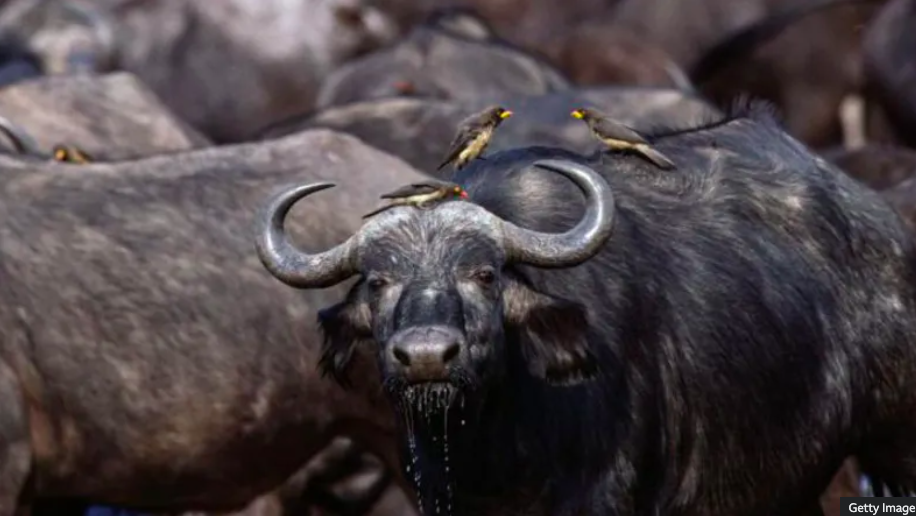
Tragedy on the Chobe River: More Than 80 Buffaloes Drown in Namibia
A grim scene has unfolded along the Chobe River on Namibia’s northeastern border after more than 80 buffaloes drowned while fleeing from predators. The mass death, confirmed by Namibia’s Ministry of Environment, Forestry and Tourism, has once again drawn attention to the precarious balance of life in one of southern Africa’s most iconic wildlife regions.
The Incident
Register for Tekedia Mini-MBA edition 20 (June 8 – Sept 5, 2026).
Register for Tekedia AI in Business Masterclass.
Join Tekedia Capital Syndicate and co-invest in great global startups.
Register for Tekedia AI Lab.
According to officials, the herd of buffaloes waQs being chased by lions in Botswana’s Chobe National Park before plunging from a steep cliff into the Chobe River on the Namibian side. Many of the animals trampled over each other in a desperate attempt to escape, resulting in mass drowning.
The ministry described the incident as tragic but not unusual. In a statement, spokesperson Ndeshipanda Hamunyela noted that such mass drownings have occurred before. “Hundreds of buffaloes have been killed in similar circumstances in the past,” she said.
The worst such case happened in 2018 when around 400 buffaloes perished after running into the same river, which flows through Botswana’s Chobe National Park—an internationally renowned wildlife haven celebrated for its large populations of elephants, buffaloes, giraffes, and predators.

Witness Accounts
Local conservation officials shed more light on the panic that gripped the herd. Mbeha Tadeus, from Namibia’s Kabulabula Conservancy, explained that buffaloes often stampede into Namibian territory when chased by lions. “Whenever they are chased by lions, they try to cross over into Namibia and start trampling over each other,” he said.
The chaotic stampede left carcasses strewn along the riverbank. In video footage shared by the Namibian Broadcasting Corporation (NBC), residents were seen cutting and dividing buffalo meat near the site of the drownings. NBC reported that at least 90 buffaloes were killed, with the incident occurring around 05:00 local time (07:00 GMT).

Community Response
Officials confirmed that the meat from the drowned animals would not go to waste. Instead, it will be distributed to nearby communities, providing much-needed food in an area where many households struggle with food insecurity. Hamunyela, speaking for the ministry, said this practice ensures that local people benefit directly from natural resources, even in unfortunate circumstances like this.
The swift mobilization of residents to collect the meat reflects a long tradition in rural Namibian communities, where human-wildlife coexistence often requires creative ways to share resources.
Ecological Context
Mass drownings of buffaloes are tragic but not entirely rare in southern Africa’s wild ecosystems. Buffaloes are social, herd-dwelling animals that can number in the hundreds. When spooked—particularly by predators such as lions—they may stampede in panic, leading to accidents at rivers or cliffs.
The Chobe River itself is both a lifeline and a hazard for wildlife. It supports thousands of animals during the dry season but also poses dangers when frightened herds rush into it en masse. Conservation experts point out that while these incidents may appear shocking, they are part of the natural cycle of predator-prey interactions that shape Africa’s ecosystems.
Lessons from the Past
The 2018 mass drowning, in which about 400 buffaloes died in the same river, highlighted the vulnerability of large herds in high-pressure predator zones. At that time, researchers noted that unusually high water levels contributed to the scale of the tragedy. While the causes of the current incident appear more straightforward—lion predation leading to panic—the outcome once again underscores the risks of life along the Chobe.
Tourism and Conservation
Chobe National Park and the surrounding areas in Botswana and Namibia are world-famous for wildlife tourism. Visitors flock to the region to witness vast herds of buffalo and elephants, as well as predators such as lions and leopards. The loss of so many buffaloes at once raises concerns for conservationists, though buffalo populations in the region remain robust overall.
For tourists, these mass drownings are a sobering reminder that nature’s spectacles are not always serene. Predation, panic, and death are as much a part of Africa’s wild landscapes as breathtaking safaris.
Looking Ahead
Authorities in Namibia and Botswana are likely to continue monitoring buffalo movements along the Chobe River. For conservationists, the challenge is less about preventing such natural events—since they are part of the ecosystem—and more about ensuring that human communities benefit in sustainable ways from wildlife resources.
In this case, the distribution of meat to residents may provide some comfort, turning tragedy into sustenance. Still, the sight of dozens of drowned buffaloes is a stark reminder of the fragility of life in Africa’s wilderness.
Conclusion
The mass drowning of more than 80 buffaloes in the Chobe River is both a tragedy and a testament to the harsh realities of life in the wild. While the animals’ deaths highlight the risks of predator-prey interactions, they also reveal the resilience of local communities who make use of the resources left behind. In a region where nature is as unforgiving as it is beautiful, the event serves as another reminder that survival in the wild is always uncertain—whether for humans, predators, or the buffaloes themselves.
Meta Description:
More than 80 buffaloes drowned in Namibia’s Chobe River after being chased by lions from Botswana’s Chobe National Park. Officials confirmed the meat will be distributed to local communities.
Uploaded files:Share this:
- Click to share on Facebook (Opens in new window) Facebook
- Click to share on X (Opens in new window) X
- Click to share on WhatsApp (Opens in new window) WhatsApp
- Click to share on LinkedIn (Opens in new window) LinkedIn
- Click to email a link to a friend (Opens in new window) Email
- Click to print (Opens in new window) Print