

Perseid Meteor Shower 2025 Peaks Tonight: Best Time and Place to See Fireballs

Quote from Alex Bobby on August 13, 2025, 5:11 AM
Perseid Meteor Shower Peaks Tonight: When and Where to Watch the Sky’s Summer Fireworks
If you’ve been waiting for one of the most breathtaking astronomical events of the year, tonight is your night. The Perseid meteor shower of 2025 reaches its peak on August 12–13, promising a spectacular display of shooting stars and bright fireballs streaking across the warm August sky. Whether you’re an avid stargazer or simply someone who enjoys a magical summer evening outdoors, this is a cosmic show you won’t want to miss.
The Perseids are widely regarded as the “rock stars” of the meteor shower calendar — not just because of their intensity, but also because they occur in the middle of the northern hemisphere’s summer, when the skies are often clear and nights are comfortably warm.
What Are the Perseids?
The Perseid meteor shower happens every year when Earth passes through the trail of debris left by the comet 109P/Swift–Tuttle during its many journeys through the inner solar system. The small particles, often no bigger than grains of sand, burn up in Earth’s atmosphere at incredible speeds, creating the bright streaks of light we call meteors.
They’re called the Perseids because they appear to originate from a point in the sky near the constellation Perseus. In reality, the meteors can be seen streaking in any direction, but tracing their paths backward will lead your gaze toward Perseus.
When to Watch the 2025 Perseid Meteor Shower
While the Perseids are active from July 17 to August 23, their peak — when the greatest number of meteors can be seen — falls on the nights of August 12 and 13 this year.
The American Meteor Society estimates that viewers under ideal conditions could see 50–75 meteors per hour at peak. The best viewing window will be after midnight and before dawn, with 2 a.m. to 3 a.m. being the sweet spot for catching the most action.
One challenge this year: the full moon occurred on August 9, meaning its bright light will still illuminate the sky during peak nights, potentially washing out the fainter meteors. But the Perseids are known for producing plenty of bright fireballs — large, vividly glowing meteors that can still outshine the moonlight.
Where to Watch
The Perseids are visible throughout the northern hemisphere, and the further away you are from city lights, the better your experience will be. Dark-sky locations — rural areas, national parks, or mountaintops — will offer the clearest view.
You don’t need telescopes or binoculars; in fact, your naked eyes are the best tool for meteor watching because they give you the widest field of view. Bring a blanket or reclining chair, lie back, and give your eyes at least 20–30 minutes to adjust to the darkness for optimal viewing.
More Than Just the Perseids — August’s Other Meteor Showers
August isn’t only about the Perseids; two other meteor showers are also active this month, adding extra sparkle to the night sky.
Alpha Capricornids
- Active: July 12 – August 12
- Peak: July 29–30
The Alpha Capricornids are not prolific, producing only a few meteors per hour, but they’re known for their brilliant fireballs. These bright bursts are slow-moving and often leave persistent glowing trails. Unlike the Perseids, they’re visible from both hemispheres, making them a treat for stargazers worldwide.Southern Delta Aquariids
- Active: July 18 – August 12
- Peak: July 29–30
This meteor shower is best seen from the southern hemisphere or tropical latitudes, but it’s still visible to northern observers, particularly those closer to the equator. The Delta Aquariids aren’t as flashy as the Perseids, producing 10–20 meteors per hour, but their consistent rate and long peak period make them worth watching.How to Maximise Your Meteor Watching Experience
Catching meteors isn’t just about showing up — a little preparation can make the experience much more enjoyable:
- Find a Dark Location
Get as far away from city lights as possible. Light pollution is the enemy of meteor viewing, especially when competing with a bright moon.- Check the Weather
Clouds will block your view, so aim for a clear night. Even partial cloud cover can reduce the number of meteors you see.- Get Comfortable
A reclining chair or blanket will let you lean back and look up without straining your neck.- Be Patient
Meteors tend to come in bursts. Don’t give up after five minutes — plan to stay out for at least an hour.- Avoid Looking at Phones
Bright screens will ruin your night vision. If you must use your phone, enable a red-light mode to preserve your eyes’ dark adaptation.Why the Perseids Are So Special
The Perseid meteor shower isn’t just another celestial event; it’s a shared human experience. Across cultures and continents, people gather to watch this natural light show, often making wishes on the streaking meteors. There’s a sense of wonder in seeing something so ancient — debris from a comet that’s been visiting our solar system for thousands of years — ignite in a brilliant flash before fading into the night.
And unlike rare astronomical events, the Perseids are annual and predictable. They connect us not just to the cosmos, but also to memories of summers past, lying under the stars with friends and family.
Final Thoughts
The 2025 Perseid meteor shower offers an opportunity to step away from screens, city noise, and daily stress, and reconnect with the night sky. Even with a bright moon this year, the Perseids’ fireballs promise moments of brilliance that will make the late-night trek worthwhile.
So grab a blanket, find a dark patch of sky, and let yourself be awed by one of nature’s most dazzling shows. Whether you catch a dozen meteors or dozens more, the Perseids remind us that the universe still has plenty of magic left to share.
Conclusion:
The 2025 Perseid meteor shower is more than just an astronomical event — it’s a reminder of our connection to the wider universe. Even with the challenge of a bright moon this year, the Perseids’ spectacular fireballs promise to deliver unforgettable moments for those willing to stay up late and seek out dark skies. With no special equipment required, just patience and a sense of wonder, anyone can witness this cosmic display. Whether you’re an experienced stargazer or simply looking for a magical night under the stars, the Perseids offer a timeless summer tradition that’s worth making time for.Meta Description:
The 2025 Perseid meteor shower peaks on August 12–13, lighting up the night sky with up to 75 meteors per hour. Discover the best time, location, and tips to watch these spectacular fireballs.
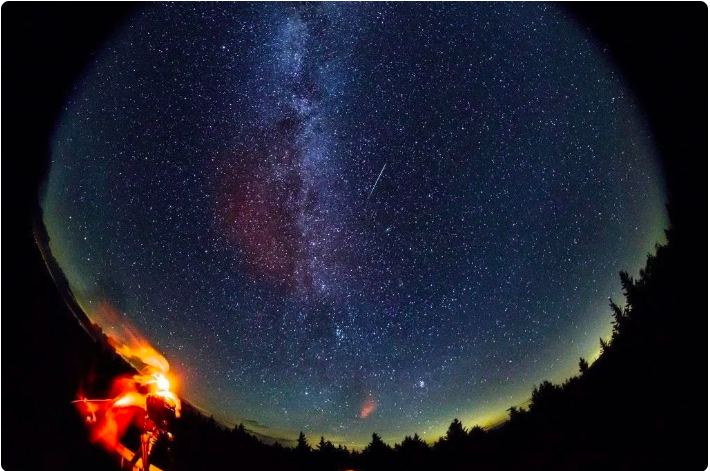
Perseid Meteor Shower Peaks Tonight: When and Where to Watch the Sky’s Summer Fireworks
If you’ve been waiting for one of the most breathtaking astronomical events of the year, tonight is your night. The Perseid meteor shower of 2025 reaches its peak on August 12–13, promising a spectacular display of shooting stars and bright fireballs streaking across the warm August sky. Whether you’re an avid stargazer or simply someone who enjoys a magical summer evening outdoors, this is a cosmic show you won’t want to miss.
The Perseids are widely regarded as the “rock stars” of the meteor shower calendar — not just because of their intensity, but also because they occur in the middle of the northern hemisphere’s summer, when the skies are often clear and nights are comfortably warm.
Register for Tekedia Mini-MBA edition 20 (June 8 – Sept 5, 2026).
Register for Tekedia AI in Business Masterclass.
Join Tekedia Capital Syndicate and co-invest in great global startups.
Register for Tekedia AI Lab.
What Are the Perseids?
The Perseid meteor shower happens every year when Earth passes through the trail of debris left by the comet 109P/Swift–Tuttle during its many journeys through the inner solar system. The small particles, often no bigger than grains of sand, burn up in Earth’s atmosphere at incredible speeds, creating the bright streaks of light we call meteors.
They’re called the Perseids because they appear to originate from a point in the sky near the constellation Perseus. In reality, the meteors can be seen streaking in any direction, but tracing their paths backward will lead your gaze toward Perseus.

When to Watch the 2025 Perseid Meteor Shower
While the Perseids are active from July 17 to August 23, their peak — when the greatest number of meteors can be seen — falls on the nights of August 12 and 13 this year.
The American Meteor Society estimates that viewers under ideal conditions could see 50–75 meteors per hour at peak. The best viewing window will be after midnight and before dawn, with 2 a.m. to 3 a.m. being the sweet spot for catching the most action.

One challenge this year: the full moon occurred on August 9, meaning its bright light will still illuminate the sky during peak nights, potentially washing out the fainter meteors. But the Perseids are known for producing plenty of bright fireballs — large, vividly glowing meteors that can still outshine the moonlight.
Where to Watch
The Perseids are visible throughout the northern hemisphere, and the further away you are from city lights, the better your experience will be. Dark-sky locations — rural areas, national parks, or mountaintops — will offer the clearest view.
You don’t need telescopes or binoculars; in fact, your naked eyes are the best tool for meteor watching because they give you the widest field of view. Bring a blanket or reclining chair, lie back, and give your eyes at least 20–30 minutes to adjust to the darkness for optimal viewing.
More Than Just the Perseids — August’s Other Meteor Showers
August isn’t only about the Perseids; two other meteor showers are also active this month, adding extra sparkle to the night sky.
Alpha Capricornids
- Active: July 12 – August 12
- Peak: July 29–30
The Alpha Capricornids are not prolific, producing only a few meteors per hour, but they’re known for their brilliant fireballs. These bright bursts are slow-moving and often leave persistent glowing trails. Unlike the Perseids, they’re visible from both hemispheres, making them a treat for stargazers worldwide.
Southern Delta Aquariids
- Active: July 18 – August 12
- Peak: July 29–30
This meteor shower is best seen from the southern hemisphere or tropical latitudes, but it’s still visible to northern observers, particularly those closer to the equator. The Delta Aquariids aren’t as flashy as the Perseids, producing 10–20 meteors per hour, but their consistent rate and long peak period make them worth watching.
How to Maximise Your Meteor Watching Experience
Catching meteors isn’t just about showing up — a little preparation can make the experience much more enjoyable:
- Find a Dark Location
Get as far away from city lights as possible. Light pollution is the enemy of meteor viewing, especially when competing with a bright moon. - Check the Weather
Clouds will block your view, so aim for a clear night. Even partial cloud cover can reduce the number of meteors you see. - Get Comfortable
A reclining chair or blanket will let you lean back and look up without straining your neck. - Be Patient
Meteors tend to come in bursts. Don’t give up after five minutes — plan to stay out for at least an hour. - Avoid Looking at Phones
Bright screens will ruin your night vision. If you must use your phone, enable a red-light mode to preserve your eyes’ dark adaptation.
Why the Perseids Are So Special
The Perseid meteor shower isn’t just another celestial event; it’s a shared human experience. Across cultures and continents, people gather to watch this natural light show, often making wishes on the streaking meteors. There’s a sense of wonder in seeing something so ancient — debris from a comet that’s been visiting our solar system for thousands of years — ignite in a brilliant flash before fading into the night.
And unlike rare astronomical events, the Perseids are annual and predictable. They connect us not just to the cosmos, but also to memories of summers past, lying under the stars with friends and family.
Final Thoughts
The 2025 Perseid meteor shower offers an opportunity to step away from screens, city noise, and daily stress, and reconnect with the night sky. Even with a bright moon this year, the Perseids’ fireballs promise moments of brilliance that will make the late-night trek worthwhile.
So grab a blanket, find a dark patch of sky, and let yourself be awed by one of nature’s most dazzling shows. Whether you catch a dozen meteors or dozens more, the Perseids remind us that the universe still has plenty of magic left to share.
Conclusion:
The 2025 Perseid meteor shower is more than just an astronomical event — it’s a reminder of our connection to the wider universe. Even with the challenge of a bright moon this year, the Perseids’ spectacular fireballs promise to deliver unforgettable moments for those willing to stay up late and seek out dark skies. With no special equipment required, just patience and a sense of wonder, anyone can witness this cosmic display. Whether you’re an experienced stargazer or simply looking for a magical night under the stars, the Perseids offer a timeless summer tradition that’s worth making time for.
Meta Description:
The 2025 Perseid meteor shower peaks on August 12–13, lighting up the night sky with up to 75 meteors per hour. Discover the best time, location, and tips to watch these spectacular fireballs.
Share this:
- Click to share on Facebook (Opens in new window) Facebook
- Click to share on X (Opens in new window) X
- Click to share on WhatsApp (Opens in new window) WhatsApp
- Click to share on LinkedIn (Opens in new window) LinkedIn
- Click to email a link to a friend (Opens in new window) Email
- Click to print (Opens in new window) Print