

Poland Grants Record Citizenship in 2024 as Foreigners Seek New Opportunities

Quote from Alex Bobby on September 2, 2025, 3:35 AM
Record Number of Foreigners Will Obtain Polish Citizenship in 2024
Poland is experiencing an unprecedented surge in naturalisations, with 2024 marking a historic peak in the number of foreigners obtaining Polish citizenship. According to newly released government data, 16,342 foreigners were granted Polish citizenship in 2024, representing a 37% increase compared to the previous year. This milestone highlights both the demographic changes reshaping Poland and the country’s evolving role as a destination for migrants, particularly from its eastern neighbours.
Ukraine Leads the Way
Unsurprisingly, Ukrainians make up the largest group of new Polish citizens. The ongoing war in Ukraine, now stretching into its third year, has forced millions to flee the country. Poland, which shares a long border with Ukraine, became one of the primary destinations for refugees seeking safety, work opportunities, and a chance to rebuild their lives.
More than half of the foreigners naturalised in Poland in 2024 came from Ukraine. For many, the decision to seek citizenship is not only a practical one—securing permanent legal status, access to public services, and greater job security—but also an emotional step toward stability after years of uncertainty.
The Polish government has streamlined certain residency and work procedures for Ukrainians since the Russian invasion in 2022, and this facilitation is reflected in the naturalisation figures. Yet while Ukrainians dominate the statistics, the picture is more diverse than ever.
Other Communities on the Rise
Beyond Ukrainians, there has been significant growth in citizenship applications from other nationalities. Belarusians, many of whom fled their country after the disputed 2020 presidential election and subsequent crackdown, make up another sizeable share. Economic migrants from Asia, particularly from Vietnam and India, also form part of the growing trend, reflecting Poland’s expanding role in global labour markets.
At the same time, citizens from Middle Eastern countries such as Syria and Iraq have increasingly sought Polish citizenship after being granted asylum during earlier waves of migration. This diversity signals a gradual but steady shift in Poland’s demographic composition—one that challenges long-held narratives of ethnic and cultural homogeneity.
Why Poland Is Becoming Attractive
Several factors explain why Poland has become a more attractive destination for migrants, culminating in this record-breaking naturalisation year:
- Economic Stability: Poland has enjoyed steady economic growth over the past decade, with a strong labour market and rising wages compared to its eastern neighbours. Migrants see opportunities for work, particularly in construction, manufacturing, IT, and service industries.
- Strategic Location: Poland’s position as a gateway between Eastern and Western Europe offers both economic opportunities and a sense of security under the EU and NATO umbrellas. For many Ukrainians and Belarusians, Poland represents not only a safe haven but also a bridge to broader European integration.
- Integration Efforts: While challenges remain, Poland has improved policies on residency, language education, and work permits. These steps make integration more attainable for foreigners who wish to settle permanently.
- Family Ties and Cultural Proximity: For migrants from Ukraine and Belarus, cultural and linguistic similarities ease the integration process. Many already speak Polish or a closely related language, and shared history fosters a degree of familiarity.
The Impact on Polish Society
The influx of new citizens is already reshaping Poland socially and economically. In many towns and cities, Ukrainian has become a familiar language on the streets, and cultural exchanges are increasingly visible. Restaurants, cultural associations, and small businesses run by foreigners are enriching the local landscape.
Economically, the contribution is undeniable. Foreign workers help fill labour shortages in industries where Poland faces demographic challenges due to an ageing population and emigration of young Poles to Western Europe. Citizenship offers these workers long-term security, making them more likely to invest in housing, education, and local communities.
Still, challenges persist. Integration is not always smooth, with reports of discrimination, bureaucratic hurdles, and political debates over migration policies. Right-wing parties have used rising naturalisation numbers as a talking point, warning against what they call the “erosion of national identity.” However, government officials stress that controlled and legal migration strengthens the country’s resilience.
The Political Dimension
The record naturalisation numbers also carry political weight. As Poland approaches future elections, the role of foreigners—and particularly the large Ukrainian diaspora—is likely to feature in campaign narratives. Some parties advocate for further facilitation of citizenship to secure loyalty and integration, while others push for stricter requirements.
The Self-Determination of Poland as both a nation-state and a modern European country lies at the heart of the debate. Supporters argue that migration and naturalisation help Poland remain economically competitive, socially dynamic, and geopolitically secure. Critics, however, fear cultural dilution and rising dependency on foreign labour.
Looking Ahead
What does the future hold? If current trends continue, 2025 could see another record-breaking year. Continued instability in Ukraine and Belarus, combined with Poland’s economic pull, suggests that demand for citizenship will remain strong.
Yet sustaining this momentum will require thoughtful policymaking. Integration programs, anti-discrimination initiatives, and efficient administrative systems will be essential to prevent social divides. Likewise, public communication will play a key role in shaping perceptions—ensuring that the narrative around new citizens focuses on contribution and shared future rather than fear and division.
Final Thoughts
Poland’s record-breaking naturalisation numbers in 2024 are more than just statistics—they reflect a profound social, cultural, and political shift. For many of the new citizens, obtaining Polish citizenship marks the end of years of uncertainty and the beginning of a stable future. For Poland, it is both a challenge and an opportunity: a challenge to foster integration in a society historically rooted in national identity, and an opportunity to enrich its economy and culture through diversity. How Poland embraces this turning point will shape not only its domestic future but also its standing within Europe and beyond.
Conclusion
The year 2024 will be remembered as a turning point in Poland’s demographic evolution, with 16,342 foreigners granted citizenship—a record number that illustrates both the country’s new role in the region and the shifting dynamics of migration. Ukrainians continue to lead the way, but a more diverse mix of nationalities is shaping a modern Poland that is more multicultural than ever before.
As Poland navigates this transformation, the story of its new citizens will be central to defining what it means to be Polish in the 21st century. Whether this shift becomes a source of strength or tension will depend on how effectively society and government embrace integration and diversity.
Meta Description:
A record 16,342 foreigners obtained Polish citizenship in 2024, led by Ukrainians who made up over half of all new citizens. The surge reflects shifting demographics and Poland’s evolving role in Europe.
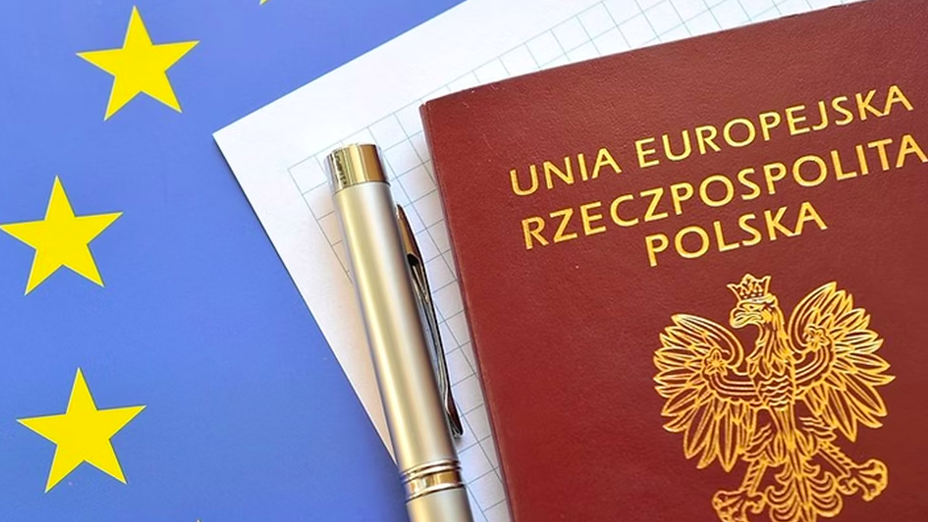
Record Number of Foreigners Will Obtain Polish Citizenship in 2024
Poland is experiencing an unprecedented surge in naturalisations, with 2024 marking a historic peak in the number of foreigners obtaining Polish citizenship. According to newly released government data, 16,342 foreigners were granted Polish citizenship in 2024, representing a 37% increase compared to the previous year. This milestone highlights both the demographic changes reshaping Poland and the country’s evolving role as a destination for migrants, particularly from its eastern neighbours.
Ukraine Leads the Way
Register for Tekedia Mini-MBA edition 20 (June 8 – Sept 5, 2026).
Register for Tekedia AI in Business Masterclass.
Join Tekedia Capital Syndicate and co-invest in great global startups.
Register for Tekedia AI Lab.
Unsurprisingly, Ukrainians make up the largest group of new Polish citizens. The ongoing war in Ukraine, now stretching into its third year, has forced millions to flee the country. Poland, which shares a long border with Ukraine, became one of the primary destinations for refugees seeking safety, work opportunities, and a chance to rebuild their lives.
More than half of the foreigners naturalised in Poland in 2024 came from Ukraine. For many, the decision to seek citizenship is not only a practical one—securing permanent legal status, access to public services, and greater job security—but also an emotional step toward stability after years of uncertainty.
The Polish government has streamlined certain residency and work procedures for Ukrainians since the Russian invasion in 2022, and this facilitation is reflected in the naturalisation figures. Yet while Ukrainians dominate the statistics, the picture is more diverse than ever.

Other Communities on the Rise
Beyond Ukrainians, there has been significant growth in citizenship applications from other nationalities. Belarusians, many of whom fled their country after the disputed 2020 presidential election and subsequent crackdown, make up another sizeable share. Economic migrants from Asia, particularly from Vietnam and India, also form part of the growing trend, reflecting Poland’s expanding role in global labour markets.
At the same time, citizens from Middle Eastern countries such as Syria and Iraq have increasingly sought Polish citizenship after being granted asylum during earlier waves of migration. This diversity signals a gradual but steady shift in Poland’s demographic composition—one that challenges long-held narratives of ethnic and cultural homogeneity.

Why Poland Is Becoming Attractive
Several factors explain why Poland has become a more attractive destination for migrants, culminating in this record-breaking naturalisation year:
- Economic Stability: Poland has enjoyed steady economic growth over the past decade, with a strong labour market and rising wages compared to its eastern neighbours. Migrants see opportunities for work, particularly in construction, manufacturing, IT, and service industries.
- Strategic Location: Poland’s position as a gateway between Eastern and Western Europe offers both economic opportunities and a sense of security under the EU and NATO umbrellas. For many Ukrainians and Belarusians, Poland represents not only a safe haven but also a bridge to broader European integration.
- Integration Efforts: While challenges remain, Poland has improved policies on residency, language education, and work permits. These steps make integration more attainable for foreigners who wish to settle permanently.
- Family Ties and Cultural Proximity: For migrants from Ukraine and Belarus, cultural and linguistic similarities ease the integration process. Many already speak Polish or a closely related language, and shared history fosters a degree of familiarity.
The Impact on Polish Society
The influx of new citizens is already reshaping Poland socially and economically. In many towns and cities, Ukrainian has become a familiar language on the streets, and cultural exchanges are increasingly visible. Restaurants, cultural associations, and small businesses run by foreigners are enriching the local landscape.
Economically, the contribution is undeniable. Foreign workers help fill labour shortages in industries where Poland faces demographic challenges due to an ageing population and emigration of young Poles to Western Europe. Citizenship offers these workers long-term security, making them more likely to invest in housing, education, and local communities.
Still, challenges persist. Integration is not always smooth, with reports of discrimination, bureaucratic hurdles, and political debates over migration policies. Right-wing parties have used rising naturalisation numbers as a talking point, warning against what they call the “erosion of national identity.” However, government officials stress that controlled and legal migration strengthens the country’s resilience.
The Political Dimension
The record naturalisation numbers also carry political weight. As Poland approaches future elections, the role of foreigners—and particularly the large Ukrainian diaspora—is likely to feature in campaign narratives. Some parties advocate for further facilitation of citizenship to secure loyalty and integration, while others push for stricter requirements.
The Self-Determination of Poland as both a nation-state and a modern European country lies at the heart of the debate. Supporters argue that migration and naturalisation help Poland remain economically competitive, socially dynamic, and geopolitically secure. Critics, however, fear cultural dilution and rising dependency on foreign labour.
Looking Ahead
What does the future hold? If current trends continue, 2025 could see another record-breaking year. Continued instability in Ukraine and Belarus, combined with Poland’s economic pull, suggests that demand for citizenship will remain strong.
Yet sustaining this momentum will require thoughtful policymaking. Integration programs, anti-discrimination initiatives, and efficient administrative systems will be essential to prevent social divides. Likewise, public communication will play a key role in shaping perceptions—ensuring that the narrative around new citizens focuses on contribution and shared future rather than fear and division.
Final Thoughts
Poland’s record-breaking naturalisation numbers in 2024 are more than just statistics—they reflect a profound social, cultural, and political shift. For many of the new citizens, obtaining Polish citizenship marks the end of years of uncertainty and the beginning of a stable future. For Poland, it is both a challenge and an opportunity: a challenge to foster integration in a society historically rooted in national identity, and an opportunity to enrich its economy and culture through diversity. How Poland embraces this turning point will shape not only its domestic future but also its standing within Europe and beyond.
Conclusion
The year 2024 will be remembered as a turning point in Poland’s demographic evolution, with 16,342 foreigners granted citizenship—a record number that illustrates both the country’s new role in the region and the shifting dynamics of migration. Ukrainians continue to lead the way, but a more diverse mix of nationalities is shaping a modern Poland that is more multicultural than ever before.
As Poland navigates this transformation, the story of its new citizens will be central to defining what it means to be Polish in the 21st century. Whether this shift becomes a source of strength or tension will depend on how effectively society and government embrace integration and diversity.
Meta Description:
A record 16,342 foreigners obtained Polish citizenship in 2024, led by Ukrainians who made up over half of all new citizens. The surge reflects shifting demographics and Poland’s evolving role in Europe.
Share this:
- Click to share on Facebook (Opens in new window) Facebook
- Click to share on X (Opens in new window) X
- Click to share on WhatsApp (Opens in new window) WhatsApp
- Click to share on LinkedIn (Opens in new window) LinkedIn
- Click to email a link to a friend (Opens in new window) Email
- Click to print (Opens in new window) Print