

Porto Bans Night-Time Street Alcohol Sales to Tackle 'Botellon' Drinking Culture

Quote from Alex Bobby on June 26, 2025, 6:04 AM
Porto Bans Night-Time Street Alcohol Sales to Tackle Growing ‘Botellon’ Problem
As of this Wednesday, the city of Porto, Portugal, has implemented new restrictions on the sale of alcohol for public consumption at night — a move aimed at curbing the rise of disruptive street drinking gatherings known as botellons. The updated regulations, published in the Diário da República, represent the third amendment to the city’s nightlife code since it came into effect on 1 March 2023.
Under the new rules, the sale of alcoholic beverages for consumption on public roads is now prohibited between 9pm and 8am throughout Porto’s expanded “Containment Zone.” This zone, previously limited to areas around downtown nightlife hotspots, such as Rua da Galeria de Paris, now extends to cover almost the entire city centre.
Targeting Street Drinking and Urban Disorder
The primary motivation behind the move is the increasingly problematic botellon culture — a trend involving large groups of people gathering in public spaces to drink socially, often late into the night. While common in Southern European countries like Spain and now Portugal, botellons are becoming a mounting concern for local authorities in Porto due to their impact on urban safety, noise levels, and public cleanliness.
Filipa Correia Pinto, Porto’s councillor for Economic Activities, explained the rationale behind the policy shift in an interview with the Lusa news agency:
“What justifies this is our conviction that this ‘botellon’ phenomenon in various parts of the city is damaging and having an impact on urban safety.”
Who Can Still Sell Alcohol — And Who Can’t
The ban specifically targets supermarkets, convenience stores, wine cellars, and souvenir shops, which will no longer be allowed to sell alcohol for consumption on the street after 9pm. This restriction will remain in place until 8am the following day. Meanwhile, cafés, bars, restaurants, and nightclubs are still permitted to serve alcohol within their premises, keeping in line with local licensing and hours of operation.
Terrace operations will also face new limits on operating hours, although with some flexibility granted in select central areas of the city. These measures aim to reduce noise and disorder in residential districts that are adjacent too popular nightlife spots.
Stricter Enforcement and Heavier Sanctions
The city has announced tighter inspections and increased penalties for establishments that violate the new regulations. These could include temporary or permanent closures for businesses that are found to be non-compliant. Authorities say enforcement will be stepped up significantly in the coming weeks.
While the measures have been welcomed by some local stakeholders, there is also skepticism about how effective they will be in practice. Ricardo Tavares, president of Porto's Movida Association of Bars and Discotheques, noted that while the rules could help reduce problems associated with botellons, they won’t fully eliminate the issue.
“All the measures are welcome, but they won't solve it. The botellon issue is an important one because it often involves drinks that people bring from home or buy in supermarkets during the day,” Tavares told Lusa.
A Response to Residents’ Concerns
The new restrictions come after months of public consultation and were initially set to take effect on 23 June. However, the date was pushed back due to Porto’s São João (Saint John’s) festivities, one of the city's largest and most cherished public celebrations, which traditionally includes street drinking and fireworks.
The decision to enact these changes reflects ongoing tension between Porto’s thriving nightlife economy and the needs of local residents, who have long complained about late-night noise, vandalism, and the general lack of order in certain downtown districts.
City officials hope that these stricter measures will help reclaim public spaces, reduce conflict, and restore a healthier balance between tourism, nightlife, and urban living.
The Bigger Picture: European Cities Grapple With Similar Issues
Porto is not alone in confronting the challenges posed by unsanctioned street drinking. Cities across Europe — including Barcelona, Paris, and Amsterdam — have all introduced variations of alcohol restrictions in public areas, particularly in tourist-heavy or residential zones.
The botellon phenomenon, driven by affordability, youth culture, and the availability of cheap alcohol in stores, continues to present a complex problem for urban policymakers. While bans and restrictions may offer short-term relief, many argue that a more comprehensive approach is needed — one that includes community engagement, better nightlife planning, and perhaps even cultural shifts in how social drinking is perceived and regulated.
Final Thoughts
Porto’s new alcohol restrictions mark a significant development in how the city manages its nightlife scene and public spaces. By targeting the widespread botellon culture, officials hope to reduce noise, improve safety, and make central districts more liveable for residents.
Whether or not these measures will succeed remains to be seen. But for now, as the city tests its new approach, Porto joins a growing list of European urban centres that are rethinking the balance between freedom, fun, and order in the modern metropolis.
Conclusion
Porto’s new alcohol sales ban marks a decisive effort to address the challenges posed by late-night street drinking and the rise of botellons. While the move may ease pressure on urban safety and improve residents' quality of life, its long-term success will depend on consistent enforcement and broader cultural shifts around public drinking. As Porto navigates the delicate balance between vibrant nightlife and community well-being, this measure could serve as a model—or a cautionary tale—for other cities facing similar challenges.
Porto bans alcohol sales for street consumption after 9pm to curb disruptive 'botellon' gatherings, aiming to improve urban safety and regulate nightlife in the city centre.
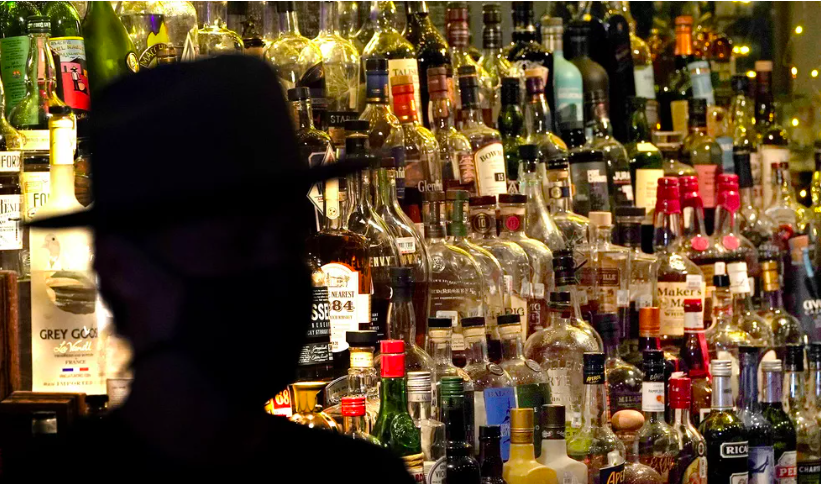
Porto Bans Night-Time Street Alcohol Sales to Tackle Growing ‘Botellon’ Problem
As of this Wednesday, the city of Porto, Portugal, has implemented new restrictions on the sale of alcohol for public consumption at night — a move aimed at curbing the rise of disruptive street drinking gatherings known as botellons. The updated regulations, published in the Diário da República, represent the third amendment to the city’s nightlife code since it came into effect on 1 March 2023.
Under the new rules, the sale of alcoholic beverages for consumption on public roads is now prohibited between 9pm and 8am throughout Porto’s expanded “Containment Zone.” This zone, previously limited to areas around downtown nightlife hotspots, such as Rua da Galeria de Paris, now extends to cover almost the entire city centre.
Register for Tekedia Mini-MBA edition 20 (June 8 – Sept 5, 2026).
Register for Tekedia AI in Business Masterclass.
Join Tekedia Capital Syndicate and co-invest in great global startups.
Register for Tekedia AI Lab.
Targeting Street Drinking and Urban Disorder
The primary motivation behind the move is the increasingly problematic botellon culture — a trend involving large groups of people gathering in public spaces to drink socially, often late into the night. While common in Southern European countries like Spain and now Portugal, botellons are becoming a mounting concern for local authorities in Porto due to their impact on urban safety, noise levels, and public cleanliness.
Filipa Correia Pinto, Porto’s councillor for Economic Activities, explained the rationale behind the policy shift in an interview with the Lusa news agency:

“What justifies this is our conviction that this ‘botellon’ phenomenon in various parts of the city is damaging and having an impact on urban safety.”
Who Can Still Sell Alcohol — And Who Can’t
The ban specifically targets supermarkets, convenience stores, wine cellars, and souvenir shops, which will no longer be allowed to sell alcohol for consumption on the street after 9pm. This restriction will remain in place until 8am the following day. Meanwhile, cafés, bars, restaurants, and nightclubs are still permitted to serve alcohol within their premises, keeping in line with local licensing and hours of operation.

Terrace operations will also face new limits on operating hours, although with some flexibility granted in select central areas of the city. These measures aim to reduce noise and disorder in residential districts that are adjacent too popular nightlife spots.
Stricter Enforcement and Heavier Sanctions
The city has announced tighter inspections and increased penalties for establishments that violate the new regulations. These could include temporary or permanent closures for businesses that are found to be non-compliant. Authorities say enforcement will be stepped up significantly in the coming weeks.
While the measures have been welcomed by some local stakeholders, there is also skepticism about how effective they will be in practice. Ricardo Tavares, president of Porto's Movida Association of Bars and Discotheques, noted that while the rules could help reduce problems associated with botellons, they won’t fully eliminate the issue.
“All the measures are welcome, but they won't solve it. The botellon issue is an important one because it often involves drinks that people bring from home or buy in supermarkets during the day,” Tavares told Lusa.
A Response to Residents’ Concerns
The new restrictions come after months of public consultation and were initially set to take effect on 23 June. However, the date was pushed back due to Porto’s São João (Saint John’s) festivities, one of the city's largest and most cherished public celebrations, which traditionally includes street drinking and fireworks.
The decision to enact these changes reflects ongoing tension between Porto’s thriving nightlife economy and the needs of local residents, who have long complained about late-night noise, vandalism, and the general lack of order in certain downtown districts.
City officials hope that these stricter measures will help reclaim public spaces, reduce conflict, and restore a healthier balance between tourism, nightlife, and urban living.
The Bigger Picture: European Cities Grapple With Similar Issues
Porto is not alone in confronting the challenges posed by unsanctioned street drinking. Cities across Europe — including Barcelona, Paris, and Amsterdam — have all introduced variations of alcohol restrictions in public areas, particularly in tourist-heavy or residential zones.
The botellon phenomenon, driven by affordability, youth culture, and the availability of cheap alcohol in stores, continues to present a complex problem for urban policymakers. While bans and restrictions may offer short-term relief, many argue that a more comprehensive approach is needed — one that includes community engagement, better nightlife planning, and perhaps even cultural shifts in how social drinking is perceived and regulated.
Final Thoughts
Porto’s new alcohol restrictions mark a significant development in how the city manages its nightlife scene and public spaces. By targeting the widespread botellon culture, officials hope to reduce noise, improve safety, and make central districts more liveable for residents.
Whether or not these measures will succeed remains to be seen. But for now, as the city tests its new approach, Porto joins a growing list of European urban centres that are rethinking the balance between freedom, fun, and order in the modern metropolis.
Conclusion
Porto’s new alcohol sales ban marks a decisive effort to address the challenges posed by late-night street drinking and the rise of botellons. While the move may ease pressure on urban safety and improve residents' quality of life, its long-term success will depend on consistent enforcement and broader cultural shifts around public drinking. As Porto navigates the delicate balance between vibrant nightlife and community well-being, this measure could serve as a model—or a cautionary tale—for other cities facing similar challenges.
Porto bans alcohol sales for street consumption after 9pm to curb disruptive 'botellon' gatherings, aiming to improve urban safety and regulate nightlife in the city centre.
Uploaded files:Share this:
- Click to share on Facebook (Opens in new window) Facebook
- Click to share on X (Opens in new window) X
- Click to share on WhatsApp (Opens in new window) WhatsApp
- Click to share on LinkedIn (Opens in new window) LinkedIn
- Click to email a link to a friend (Opens in new window) Email
- Click to print (Opens in new window) Print