

Rising Tourism Threatens Antarctica’s Fragile Ecosystems, Study Warns

Quote from Alex Bobby on August 25, 2025, 8:10 AM
Rising Visitor Numbers Are Leaving a Harmful Human Footprint on Antarctica’s Ecosystems
Antarctica has long been seen as Earth’s last great wilderness – a pristine, icy frontier largely untouched by human hands. Yet, even this remote and seemingly indestructible continent is now feeling the weight of human activity. A new study published in Nature Sustainability warns that surging tourism and expanding research bases are accelerating snow melting, polluting the environment, and threatening fragile ecosystems already under severe strain from climate change.
The findings come at a time when visitor numbers to Antarctica have skyrocketed, raising urgent questions about how much longer the continent’s delicate balance can withstand the rising human footprint.
A surge in visitors
Tourism in Antarctica has exploded in recent decades. In the 1990s, annual visitors numbered fewer than 8,000. By the 2023–24 season, however, more than 124,000 tourists made the journey south, according to the International Association of Antarctica Tour Operators (IAATO). Even in the current 2024–25 season, more than 118,000 people have already traveled to the continent, with over 80,000 setting foot on its icy soil and another 36,000 experiencing it from ship decks.
The scale of this surge is staggering. In just one season, 55 tour operators conducted nearly 570 voyages to the region. Most visitors were passengers aboard smaller expedition vessels that allow landings on the continent, but larger cruise ships also bring thousands of sightseers within view of its shores.
The trend shows no sign of slowing. The least conservative projections suggest that visitor numbers could reach 450,000 by 2034 – a fifty-fold increase from the 1990s. While Antarctica remains one of the most regulated destinations in the world, researchers argue that the sheer scale of human presence could overwhelm existing protections.
Toxic contamination and melting snow
To better understand the environmental impact, researchers from Chile, Germany, and the Netherlands spent four years traveling 2,000 kilometres across Antarctica. Their findings paint a troubling picture: in areas where human activity is concentrated, toxic metals such as nickel, copper, and lead are now present at levels up to 10 times higher than they were four decades ago.
“The increasing human presence in Antarctica raises concerns about pollutants from fossil fuel combustion, including those from ships, aircraft, vehicles, and supporting infrastructure,” the authors wrote.
The biggest concern is black carbon – soot particles emitted by ship engines, aircraft, and diesel generators. Unlike pristine snow, which reflects sunlight, snow covered in black carbon absorbs more heat, accelerating melting.
“Snow melts faster in Antarctica due to the presence of polluting particles in areas frequented by tourists,” said Raul Cordero, a study co-author from the University of Groningen. “A single tourist can contribute to accelerating the melting of around 100 tons of snow.”
While this may seem abstract, the consequences are very real. Antarctica contains more than half of the world’s fresh water in its ice sheets. Accelerated melting not only disrupts local ecosystems but also contributes to rising sea levels worldwide.
The true cost of Antarctic tourism
The environmental toll of Antarctic tourism extends beyond snowmelt. Researchers warn that visitors disturb wildlife, trample fragile mosses and lichens, and increase the risk of introducing invasive species or pathogens to an ecosystem that evolved in isolation for millions of years.
Then there is the carbon footprint. A single Antarctic tourist trip generates an estimated 5.44 tonnes of CO₂ emissions per passenger – equivalent to the average annual emissions of a person living in India.
And while tourism is often singled out, scientists point out that research expeditions also leave a heavy mark. According to the study, a single scientific mission can have ten times more environmental impact than one tourist, due to the heavy vehicles, fuel use, and infrastructure required to support long-term camps.
Efforts to limit the damage
Recognising these risks, governments and organisation’s have introduced some safeguards. The Antarctic Treaty bans the use of heavy fuel oil, one of the dirtiest shipping fuels. IAATO enforces strict guidelines on landings, mandates biosecurity checks to prevent contamination, and coordinates ship movements to avoid congestion. Many tour operators have also invested in hybrid-electric ships to reduce emissions.
These measures help, but experts argue they are not nearly enough.
“Our results show that more remains to be done to reduce the burdens of human activities in Antarctica,” the study concluded.
The researchers emphasise that the only long-term solution is a rapid transition away from fossil fuels, both for tourism and scientific research. Without deep reductions in emissions, the very qualities that make Antarctica such an awe-inspiring destination could disappear before future generations have a chance to experience them.
A fragile wilderness under pressure
From the outside, Antarctica can look vast and invulnerable – an endless expanse of white ice and towering glaciers. But beneath this appearance of strength lies fragility. The continent’s ecosystems are finely balanced, with wildlife like penguins, seals, and seabirds adapted to extreme conditions that are being altered by climate change and now further stressed by human intrusion.
Tourism offers an opportunity to inspire global awareness and appreciation for this unique wilderness, but it comes with trade-offs. For every person who returns home with a newfound passion for conservation, the continent pays a hidden price in soot, waste, and disruption.
The challenge now is finding a way to balance the human desire to witness Antarctica’s beauty with the urgent need to protect it. Without stricter limits, cleaner technologies, and a global commitment to reducing carbon emissions, Antarctica’s pristine landscapes may not survive the very people who seek to admire them.
looking forward
Looking forward, the choices made in the next decade will determine whether Antarctica remains a protected wilderness or becomes another casualty of human expansion. As visitor numbers climb and research activity grows, global cooperation, stricter regulations, and cleaner energy use will be critical. If the world can balance curiosity with responsibility, Antarctica’s icy landscapes may still endure for generations to come—untouched, awe-inspiring, and resilient against the pressures of human presence.
Final Thoughts
Antarctica stands as both a symbol of Earth’s untouched beauty and a warning of how quickly human activity can disrupt fragile ecosystems. Rising visitor numbers and expanding research presence highlight the urgency of protecting this last great wilderness before the damage becomes irreversible. While tourism, science, and exploration have their place, they must be carefully balanced with sustainability, innovation, and strict environmental safeguards. The frozen continent may feel remote, but the choices humanity makes their ripple across the globe—affecting climate, oceans, and ecosystems everywhere. Preserving Antarctica is not just about protecting a distant land of ice and snow; it’s about safeguarding the future of the planet we all share.
Conclusion
Antarctica has become a paradox. Once remote and inaccessible, it is now an increasingly popular destination for those seeking adventure at the edge of the world. Yet every ship that sails south and every boot that steps onto its ice leaves a mark – one that is melting snow, polluting ecosystems, and threatening the continent’s future.
If humanity truly wishes to preserve Antarctica as Earth’s last great wilderness, stronger protections must be enforced, fossil fuel dependence must be reduced, and the allure of “bucket list” tourism must be tempered with responsibility. Otherwise, the fragile beauty of the southern continent may one day vanish beneath the weight of its visitors.
Meta Description:
Antarctica faces growing environmental threats as visitor numbers surge past 124,000 annually. A new study reveals pollution, melting snow, and fragile ecosystems under pressure from tourism and research activities.
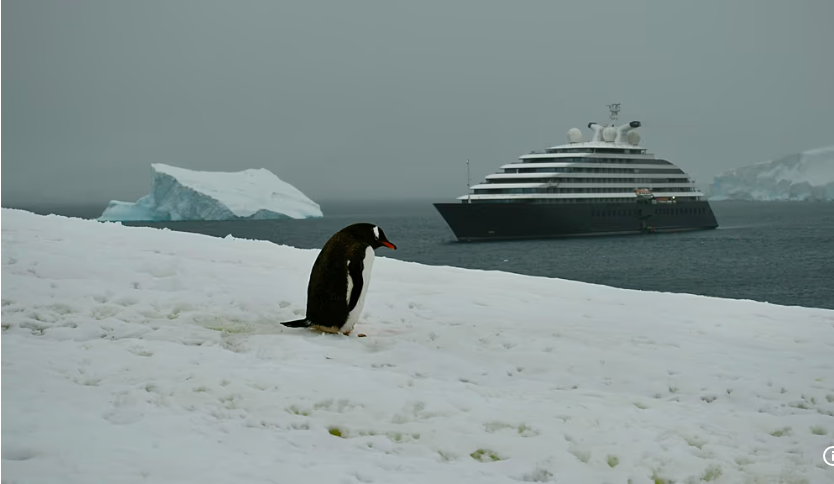
Rising Visitor Numbers Are Leaving a Harmful Human Footprint on Antarctica’s Ecosystems
Antarctica has long been seen as Earth’s last great wilderness – a pristine, icy frontier largely untouched by human hands. Yet, even this remote and seemingly indestructible continent is now feeling the weight of human activity. A new study published in Nature Sustainability warns that surging tourism and expanding research bases are accelerating snow melting, polluting the environment, and threatening fragile ecosystems already under severe strain from climate change.
The findings come at a time when visitor numbers to Antarctica have skyrocketed, raising urgent questions about how much longer the continent’s delicate balance can withstand the rising human footprint.
Register for Tekedia Mini-MBA edition 20 (June 8 – Sept 5, 2026).
Register for Tekedia AI in Business Masterclass.
Join Tekedia Capital Syndicate and co-invest in great global startups.
Register for Tekedia AI Lab.
A surge in visitors
Tourism in Antarctica has exploded in recent decades. In the 1990s, annual visitors numbered fewer than 8,000. By the 2023–24 season, however, more than 124,000 tourists made the journey south, according to the International Association of Antarctica Tour Operators (IAATO). Even in the current 2024–25 season, more than 118,000 people have already traveled to the continent, with over 80,000 setting foot on its icy soil and another 36,000 experiencing it from ship decks.
The scale of this surge is staggering. In just one season, 55 tour operators conducted nearly 570 voyages to the region. Most visitors were passengers aboard smaller expedition vessels that allow landings on the continent, but larger cruise ships also bring thousands of sightseers within view of its shores.

The trend shows no sign of slowing. The least conservative projections suggest that visitor numbers could reach 450,000 by 2034 – a fifty-fold increase from the 1990s. While Antarctica remains one of the most regulated destinations in the world, researchers argue that the sheer scale of human presence could overwhelm existing protections.
Toxic contamination and melting snow
To better understand the environmental impact, researchers from Chile, Germany, and the Netherlands spent four years traveling 2,000 kilometres across Antarctica. Their findings paint a troubling picture: in areas where human activity is concentrated, toxic metals such as nickel, copper, and lead are now present at levels up to 10 times higher than they were four decades ago.

“The increasing human presence in Antarctica raises concerns about pollutants from fossil fuel combustion, including those from ships, aircraft, vehicles, and supporting infrastructure,” the authors wrote.
The biggest concern is black carbon – soot particles emitted by ship engines, aircraft, and diesel generators. Unlike pristine snow, which reflects sunlight, snow covered in black carbon absorbs more heat, accelerating melting.
“Snow melts faster in Antarctica due to the presence of polluting particles in areas frequented by tourists,” said Raul Cordero, a study co-author from the University of Groningen. “A single tourist can contribute to accelerating the melting of around 100 tons of snow.”
While this may seem abstract, the consequences are very real. Antarctica contains more than half of the world’s fresh water in its ice sheets. Accelerated melting not only disrupts local ecosystems but also contributes to rising sea levels worldwide.
The true cost of Antarctic tourism
The environmental toll of Antarctic tourism extends beyond snowmelt. Researchers warn that visitors disturb wildlife, trample fragile mosses and lichens, and increase the risk of introducing invasive species or pathogens to an ecosystem that evolved in isolation for millions of years.
Then there is the carbon footprint. A single Antarctic tourist trip generates an estimated 5.44 tonnes of CO₂ emissions per passenger – equivalent to the average annual emissions of a person living in India.
And while tourism is often singled out, scientists point out that research expeditions also leave a heavy mark. According to the study, a single scientific mission can have ten times more environmental impact than one tourist, due to the heavy vehicles, fuel use, and infrastructure required to support long-term camps.
Efforts to limit the damage
Recognising these risks, governments and organisation’s have introduced some safeguards. The Antarctic Treaty bans the use of heavy fuel oil, one of the dirtiest shipping fuels. IAATO enforces strict guidelines on landings, mandates biosecurity checks to prevent contamination, and coordinates ship movements to avoid congestion. Many tour operators have also invested in hybrid-electric ships to reduce emissions.
These measures help, but experts argue they are not nearly enough.
“Our results show that more remains to be done to reduce the burdens of human activities in Antarctica,” the study concluded.
The researchers emphasise that the only long-term solution is a rapid transition away from fossil fuels, both for tourism and scientific research. Without deep reductions in emissions, the very qualities that make Antarctica such an awe-inspiring destination could disappear before future generations have a chance to experience them.
A fragile wilderness under pressure
From the outside, Antarctica can look vast and invulnerable – an endless expanse of white ice and towering glaciers. But beneath this appearance of strength lies fragility. The continent’s ecosystems are finely balanced, with wildlife like penguins, seals, and seabirds adapted to extreme conditions that are being altered by climate change and now further stressed by human intrusion.
Tourism offers an opportunity to inspire global awareness and appreciation for this unique wilderness, but it comes with trade-offs. For every person who returns home with a newfound passion for conservation, the continent pays a hidden price in soot, waste, and disruption.
The challenge now is finding a way to balance the human desire to witness Antarctica’s beauty with the urgent need to protect it. Without stricter limits, cleaner technologies, and a global commitment to reducing carbon emissions, Antarctica’s pristine landscapes may not survive the very people who seek to admire them.
looking forward
Looking forward, the choices made in the next decade will determine whether Antarctica remains a protected wilderness or becomes another casualty of human expansion. As visitor numbers climb and research activity grows, global cooperation, stricter regulations, and cleaner energy use will be critical. If the world can balance curiosity with responsibility, Antarctica’s icy landscapes may still endure for generations to come—untouched, awe-inspiring, and resilient against the pressures of human presence.
Final Thoughts
Antarctica stands as both a symbol of Earth’s untouched beauty and a warning of how quickly human activity can disrupt fragile ecosystems. Rising visitor numbers and expanding research presence highlight the urgency of protecting this last great wilderness before the damage becomes irreversible. While tourism, science, and exploration have their place, they must be carefully balanced with sustainability, innovation, and strict environmental safeguards. The frozen continent may feel remote, but the choices humanity makes their ripple across the globe—affecting climate, oceans, and ecosystems everywhere. Preserving Antarctica is not just about protecting a distant land of ice and snow; it’s about safeguarding the future of the planet we all share.
Conclusion
Antarctica has become a paradox. Once remote and inaccessible, it is now an increasingly popular destination for those seeking adventure at the edge of the world. Yet every ship that sails south and every boot that steps onto its ice leaves a mark – one that is melting snow, polluting ecosystems, and threatening the continent’s future.
If humanity truly wishes to preserve Antarctica as Earth’s last great wilderness, stronger protections must be enforced, fossil fuel dependence must be reduced, and the allure of “bucket list” tourism must be tempered with responsibility. Otherwise, the fragile beauty of the southern continent may one day vanish beneath the weight of its visitors.
Meta Description:
Antarctica faces growing environmental threats as visitor numbers surge past 124,000 annually. A new study reveals pollution, melting snow, and fragile ecosystems under pressure from tourism and research activities.
Share this:
- Click to share on Facebook (Opens in new window) Facebook
- Click to share on X (Opens in new window) X
- Click to share on WhatsApp (Opens in new window) WhatsApp
- Click to share on LinkedIn (Opens in new window) LinkedIn
- Click to email a link to a friend (Opens in new window) Email
- Click to print (Opens in new window) Print