

Rival Cyprus Leaders Seek Peace Progress in UN Talks Amid Rising Tensions and Delays

Quote from Alex Bobby on July 17, 2025, 2:58 AM
Cyprus Leaders Meet in New York to Seek Progress on Long-Stalled Peace Talks
The rival leaders of divided Cyprus have once again come together — this time at the United Nations headquarters in New York — in a fresh attempt to restart meaningful negotiations over the island’s future. The two-day summit, hosted by UN Secretary-General António Guterres, brings together Greek Cypriot President Nikos Christodoulides and Turkish Cypriot leader Ersin Tatar, along with representatives from the three guarantor powers: Greece, Turkey, and the United Kingdom.
The meeting follows up on the March talks in Geneva, which marked the first step toward reengaging after nearly seven years of diplomatic deadlock. At that time, the two sides agreed to implement confidence-building measures in areas such as youth cooperation, environmental initiatives, and the demining of contested zones. They also discussed the opening of four new crossing points along the UN-controlled buffer zone, which has divided the island since 1974.
A Long-Standing Divide
Cyprus has been partitioned for 50 years following a 1974 Turkish military intervention that responded to a Greek-backed coup. The result was the creation of the Turkish Republic of Northern Cyprus (TRNC) — recognised only by Turkey — and the Republic of Cyprus, which is internationally recognised and an EU member state. Over 35,000 Turkish troops remain stationed in the north, and while the Republic of Cyprus is governed by Greek Cypriots, Turkish Cypriots maintain control over the northern third of the island.
Though the UN and international community favour a federal solution — one that unites Greek-speaking and Turkish-speaking zones under a shared government — the Turkish Cypriot leadership continues to advocate for a two-state model, a major stumbling block in peace negotiations.
Trust-Building Measures Face Delays
In an exclusive interview with Euronews, Yiannis Antoniou, deputy government spokesman for the Republic of Cyprus, reiterated the Greek Cypriot commitment to a comprehensive solution and direct negotiations. “The aim is to go to the next step, which is to create the conditions for direct negotiations,” he said. “For us, this is the most important thing.”
However, several agreed trust-building efforts have been slowed by political friction. One major point of contention is the opening of the four proposed crossing points along the buffer zone. Antoniou accused the Turkish Cypriot side of employing a “delaying policy,” claiming they defer decisions to the Turkish military. “We can’t accept this argument,” he said. “Crossing points must serve residents on both sides — in the occupied and free areas.”
Another disputed issue is the photovoltaic park planned for the buffer zone. Antoniou criticised the Turkish Cypriot insistence that the project operate as if it were within two sovereign states — a notion Greek Cypriots reject outright.
Two Visions, One Island
The core obstacle remains the Turkish Cypriot demand for recognition as a separate state. President Tatar, backed by Ankara, continues to promote this position, which contradicts the federal model endorsed by the UN Security Council. Greek Cypriots argue that partition would entrench divisions and give Turkey undue influence, especially if Turkish troops retain a permanent presence or intervention rights.
According to Antoniou, the Greek Cypriot side refuses any deal that would:
- Formally partition the island
- Allow Turkey to maintain military rights
- Give Turkish Cypriots veto power over all government decisions
Despite these stark differences, both sides have agreed to continue dialogue. But expectations remain low for any significant breakthroughs before the October elections in northern Cyprus, where Tatar is running for reelection on his same two-state platform.
A Wider Geopolitical Context
Antoniou also expressed concern over Turkey’s growing regional assertiveness, especially in the wake of Syria’s destabilisation and Russia’s invasion of Ukraine. “We see the Turkish side approaching things with more political and diplomatic arrogance,” he said, suggesting that broader geopolitical shifts are shaping Ankara’s posture in the region.
Moreover, Turkish Cypriot hesitancy to move forward may also be linked to domestic political calculations, with Antoniou speculating that Tatar may be using delay tactics for electoral advantage.
Bridging a Growing Societal Divide
A growing concern among observers, including UN Envoy María Angela Holguín, is the increasing social disconnection between the two communities. In an interview with Politis, she warned of a “growing gap” at the societal level — one that could prove even more difficult to bridge than political divides.
Antoniou acknowledged this, noting that Greek Cypriots are making efforts to respect Turkish Cypriot religious rights and encourage mutual understanding. However, he also stressed the disparity in freedoms. “Turkish Cypriots can come to our side to visit mosques and pray freely. On the other side, the same is not the case,” he said. “They are two completely different worlds, which unfortunately worsens the trust deficit.”
Looking Ahead
While the New York meeting may not produce any headline-grabbing outcomes, it serves a vital purpose: keeping dialogue alive and laying the groundwork for a more conducive political environment after upcoming elections.
As Antoniou put it, “We are not expecting anything drastic in New York. But the goal is to maintain dialogue and be ready when conditions are right.”
Conclusion
The latest UN-facilitated talks in New York between the rival leaders of Cyprus underscore both the deep divisions that persist and the cautious optimism that dialogue can still pave the way for a peaceful resolution. Despite significant challenges — from disagreements over crossing points and renewable energy projects, to the fundamental rift over a two-state versus federal solution — the very act of engaging in discussions after years of diplomatic stalemate is, in itself, progress.
However, with the Turkish Cypriot side continuing to push for sovereign recognition and upcoming elections looming in the north, expectations for immediate breakthroughs remain low. Political realities on the ground, including Turkey’s regional assertiveness and internal dynamics within each community, continue to shape the pace and direction of peace efforts.
Trust, or the lack thereof, remains the central barrier. Social divisions, differing narratives, and asymmetries in rights and freedoms have hardened over decades, making reconciliation a deeply complex task. As noted by both UN representatives and Greek Cypriot officials, bridging these divides will require sustained political will, creative diplomacy, and grassroots efforts that extend beyond negotiation rooms.
Yet, the continued involvement of the UN and the presence of guarantor powers signal that the international community has not given up on a reunified Cyprus. If nothing else, these talks help preserve the space for future engagement, with the hope that shifting political conditions — particularly after the upcoming elections — may finally open a window for meaningful progress.
In a region fraught with conflict and uncertainty, Cyprus has an opportunity to defy the odds. But doing so will require compromise, courage, and a renewed commitment to building a shared future for all Cypriots.
Meta Description:
Cyprus rival leaders meet in New York to revive stalled peace talks. With trust-building measures under strain and political tensions rising, hopes rest on continued dialogue and post-election progress.
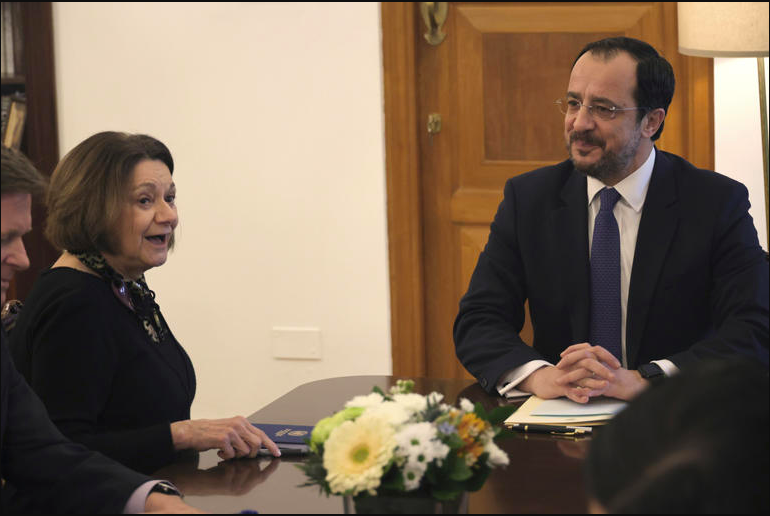
Cyprus Leaders Meet in New York to Seek Progress on Long-Stalled Peace Talks
The rival leaders of divided Cyprus have once again come together — this time at the United Nations headquarters in New York — in a fresh attempt to restart meaningful negotiations over the island’s future. The two-day summit, hosted by UN Secretary-General António Guterres, brings together Greek Cypriot President Nikos Christodoulides and Turkish Cypriot leader Ersin Tatar, along with representatives from the three guarantor powers: Greece, Turkey, and the United Kingdom.
The meeting follows up on the March talks in Geneva, which marked the first step toward reengaging after nearly seven years of diplomatic deadlock. At that time, the two sides agreed to implement confidence-building measures in areas such as youth cooperation, environmental initiatives, and the demining of contested zones. They also discussed the opening of four new crossing points along the UN-controlled buffer zone, which has divided the island since 1974.
Register for Tekedia Mini-MBA edition 20 (June 8 – Sept 5, 2026).
Register for Tekedia AI in Business Masterclass.
Join Tekedia Capital Syndicate and co-invest in great global startups.
Register for Tekedia AI Lab.
A Long-Standing Divide
Cyprus has been partitioned for 50 years following a 1974 Turkish military intervention that responded to a Greek-backed coup. The result was the creation of the Turkish Republic of Northern Cyprus (TRNC) — recognised only by Turkey — and the Republic of Cyprus, which is internationally recognised and an EU member state. Over 35,000 Turkish troops remain stationed in the north, and while the Republic of Cyprus is governed by Greek Cypriots, Turkish Cypriots maintain control over the northern third of the island.
Though the UN and international community favour a federal solution — one that unites Greek-speaking and Turkish-speaking zones under a shared government — the Turkish Cypriot leadership continues to advocate for a two-state model, a major stumbling block in peace negotiations.

Trust-Building Measures Face Delays
In an exclusive interview with Euronews, Yiannis Antoniou, deputy government spokesman for the Republic of Cyprus, reiterated the Greek Cypriot commitment to a comprehensive solution and direct negotiations. “The aim is to go to the next step, which is to create the conditions for direct negotiations,” he said. “For us, this is the most important thing.”
However, several agreed trust-building efforts have been slowed by political friction. One major point of contention is the opening of the four proposed crossing points along the buffer zone. Antoniou accused the Turkish Cypriot side of employing a “delaying policy,” claiming they defer decisions to the Turkish military. “We can’t accept this argument,” he said. “Crossing points must serve residents on both sides — in the occupied and free areas.”

Another disputed issue is the photovoltaic park planned for the buffer zone. Antoniou criticised the Turkish Cypriot insistence that the project operate as if it were within two sovereign states — a notion Greek Cypriots reject outright.
Two Visions, One Island
The core obstacle remains the Turkish Cypriot demand for recognition as a separate state. President Tatar, backed by Ankara, continues to promote this position, which contradicts the federal model endorsed by the UN Security Council. Greek Cypriots argue that partition would entrench divisions and give Turkey undue influence, especially if Turkish troops retain a permanent presence or intervention rights.
According to Antoniou, the Greek Cypriot side refuses any deal that would:
- Formally partition the island
- Allow Turkey to maintain military rights
- Give Turkish Cypriots veto power over all government decisions
Despite these stark differences, both sides have agreed to continue dialogue. But expectations remain low for any significant breakthroughs before the October elections in northern Cyprus, where Tatar is running for reelection on his same two-state platform.
A Wider Geopolitical Context
Antoniou also expressed concern over Turkey’s growing regional assertiveness, especially in the wake of Syria’s destabilisation and Russia’s invasion of Ukraine. “We see the Turkish side approaching things with more political and diplomatic arrogance,” he said, suggesting that broader geopolitical shifts are shaping Ankara’s posture in the region.
Moreover, Turkish Cypriot hesitancy to move forward may also be linked to domestic political calculations, with Antoniou speculating that Tatar may be using delay tactics for electoral advantage.
Bridging a Growing Societal Divide
A growing concern among observers, including UN Envoy María Angela Holguín, is the increasing social disconnection between the two communities. In an interview with Politis, she warned of a “growing gap” at the societal level — one that could prove even more difficult to bridge than political divides.
Antoniou acknowledged this, noting that Greek Cypriots are making efforts to respect Turkish Cypriot religious rights and encourage mutual understanding. However, he also stressed the disparity in freedoms. “Turkish Cypriots can come to our side to visit mosques and pray freely. On the other side, the same is not the case,” he said. “They are two completely different worlds, which unfortunately worsens the trust deficit.”
Looking Ahead
While the New York meeting may not produce any headline-grabbing outcomes, it serves a vital purpose: keeping dialogue alive and laying the groundwork for a more conducive political environment after upcoming elections.
As Antoniou put it, “We are not expecting anything drastic in New York. But the goal is to maintain dialogue and be ready when conditions are right.”
Conclusion
The latest UN-facilitated talks in New York between the rival leaders of Cyprus underscore both the deep divisions that persist and the cautious optimism that dialogue can still pave the way for a peaceful resolution. Despite significant challenges — from disagreements over crossing points and renewable energy projects, to the fundamental rift over a two-state versus federal solution — the very act of engaging in discussions after years of diplomatic stalemate is, in itself, progress.
However, with the Turkish Cypriot side continuing to push for sovereign recognition and upcoming elections looming in the north, expectations for immediate breakthroughs remain low. Political realities on the ground, including Turkey’s regional assertiveness and internal dynamics within each community, continue to shape the pace and direction of peace efforts.
Trust, or the lack thereof, remains the central barrier. Social divisions, differing narratives, and asymmetries in rights and freedoms have hardened over decades, making reconciliation a deeply complex task. As noted by both UN representatives and Greek Cypriot officials, bridging these divides will require sustained political will, creative diplomacy, and grassroots efforts that extend beyond negotiation rooms.
Yet, the continued involvement of the UN and the presence of guarantor powers signal that the international community has not given up on a reunified Cyprus. If nothing else, these talks help preserve the space for future engagement, with the hope that shifting political conditions — particularly after the upcoming elections — may finally open a window for meaningful progress.
In a region fraught with conflict and uncertainty, Cyprus has an opportunity to defy the odds. But doing so will require compromise, courage, and a renewed commitment to building a shared future for all Cypriots.
Meta Description:
Cyprus rival leaders meet in New York to revive stalled peace talks. With trust-building measures under strain and political tensions rising, hopes rest on continued dialogue and post-election progress.
Share this:
- Click to share on Facebook (Opens in new window) Facebook
- Click to share on X (Opens in new window) X
- Click to share on WhatsApp (Opens in new window) WhatsApp
- Click to share on LinkedIn (Opens in new window) LinkedIn
- Click to email a link to a friend (Opens in new window) Email
- Click to print (Opens in new window) Print