

Seoul Court Approves Arrest of Ex-President Yoon Over Martial Law Attempt

Quote from Alex Bobby on July 11, 2025, 3:05 AM
Seoul Court Approves Arrest of Former President Yoon Over Martial Law Decree
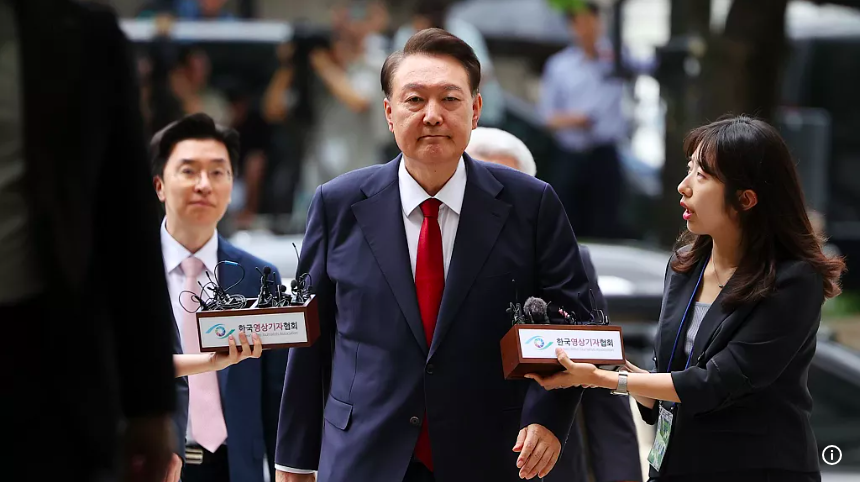
In a dramatic turn of events, South Korea’s political landscape has once again been shaken by the arrest of former President Yoon Suk-yeol. Early Thursday morning, the Seoul Central District Court approved a new arrest warrant against Yoon, citing concerns that he might destroy evidence related to his controversial declaration of martial law in December. This marks a significant development in an already tumultuous saga that has captivated the nation and intensified scrutiny over South Korea’s democratic resilience.
Martial Law and the Charges Against Yoon
At the heart of the controversy is Yoon’s brief but explosive imposition of martial law on December 3rd, a decision he justified as essential to suppress what he called “anti-state liberal opponents.” Yoon accused these political adversaries of using their legislative majority to sabotage his conservative policy agenda. However, critics and investigators argue the move was nothing short of an attempted coup.
Yoon’s martial law lasted only a few hours. Lawmakers, defying a blockade by heavily armed soldiers, entered the National Assembly and promptly voted to lift the measure. Just 11 days later, on December 14, the legislature impeached Yoon. Prosecutors followed up with an indictment on January 26, charging him with rebellion and accusing him of illegally trying to seize control of the legislature and election offices while planning the detention of his political foes.
These rebellion charges carry grave legal consequences—potentially life imprisonment or even the death penalty.
A New Phase in Yoon's Legal Ordeal
This week's arrest is not Yoon’s first. He was previously detained in January, only to be released in March after the same Seoul court overturned the detention. But this time, the court sided with special prosecutor Cho Eun-suk, who argued that Yoon poses a credible threat to the integrity of the investigation.
Cho’s team, tasked with investigating Yoon’s martial law imposition and other abuses of power, questioned the former president twice before seeking the arrest warrant. The investigation now encompasses multiple additional charges, including:
- Obstruction of official duties
- Abuse of power
- Falsification of official documents
- Unlawful deployment of presidential security forces
Prosecutors argue that Yoon used the presidential guard as a “private army,” even blocking police attempts to detain him at his residence in early January. They further allege that he failed to follow proper legal procedures, including bypassing a required Cabinet meeting before declaring martial law.
Detention and What Comes Next
Yoon's hearing on Wednesday lasted nearly seven hours. Afterward, he was transferred to a detention center outside Seoul to await the court’s ruling. With the arrest now approved, Yoon could face a prolonged stay in custody—initially up to 20 days while prosecutors seek an indictment. If he is formally charged again, his detention could extend up to six months while awaiting trial. And if convicted, he could be jailed pending appeals in higher courts.
Yoon’s legal team has denounced the arrest as excessive and lacking merit. So far, they have not issued a formal response to the court’s latest decision.
A Nation Divided
Yoon’s presidency, now officially ended with his impeachment upheld by the Constitutional Court in April, has left the country bitterly divided. Supporters view him as a victim of liberal overreach, while critics see his martial law attempt as one of the darkest moments in South Korea’s modern democratic history.
His successor, liberal President Lee Jae Myung, who won the June snap election, has moved swiftly to distance the country from the Yoon era. In a bold political move, Lee recently signed legislation authorizing sweeping special investigations—not only into the martial law episode but also into a wide array of corruption allegations involving Yoon’s administration and his wife.
Implications for South Korea’s Democracy
The arrest of a former president under such serious charges underscores the strength—and the strain—of South Korea’s democratic institutions. While the ability to hold a former leader accountable is a positive sign of judicial independence, it also highlights the dangerous fragility of political norms when power is abused.
As the case moves forward, all eyes will remain on Seoul’s courts. The outcome will shape not only Yoon’s legacy but also the future of executive accountability in South Korea.
Conclusion
The re-arrest of former President Yoon Suk-yeol marks a pivotal moment in South Korea’s political and legal history. As he faces grave charges stemming from his failed martial law decree—ranging from rebellion to abuse of power—this case highlights the critical balance between democratic oversight and the dangers of authoritarian overreach. With investigations intensifying and a possible lengthy trial ahead, South Korea finds itself at a crossroads: reaffirming its commitment to democratic values and the rule of law, even when the accused once held the nation’s highest office. The outcome of Yoon’s legal battles will not only determine his personal fate but also serve as a defining test of South Korea’s democratic resilience in the face of political crisis.
Meta Description:
Former President Yoon Suk-yeol has been re-arrested over his December martial law decree. Learn about the charges, court decision, and what this means for South Korea’s democracy.
Seoul Court Approves Arrest of Former President Yoon Over Martial Law Decree
In a dramatic turn of events, South Korea’s political landscape has once again been shaken by the arrest of former President Yoon Suk-yeol. Early Thursday morning, the Seoul Central District Court approved a new arrest warrant against Yoon, citing concerns that he might destroy evidence related to his controversial declaration of martial law in December. This marks a significant development in an already tumultuous saga that has captivated the nation and intensified scrutiny over South Korea’s democratic resilience.
Martial Law and the Charges Against Yoon
Register for Tekedia Mini-MBA edition 20 (June 8 – Sept 5, 2026).
Register for Tekedia AI in Business Masterclass.
Join Tekedia Capital Syndicate and co-invest in great global startups.
Register for Tekedia AI Lab.
At the heart of the controversy is Yoon’s brief but explosive imposition of martial law on December 3rd, a decision he justified as essential to suppress what he called “anti-state liberal opponents.” Yoon accused these political adversaries of using their legislative majority to sabotage his conservative policy agenda. However, critics and investigators argue the move was nothing short of an attempted coup.
Yoon’s martial law lasted only a few hours. Lawmakers, defying a blockade by heavily armed soldiers, entered the National Assembly and promptly voted to lift the measure. Just 11 days later, on December 14, the legislature impeached Yoon. Prosecutors followed up with an indictment on January 26, charging him with rebellion and accusing him of illegally trying to seize control of the legislature and election offices while planning the detention of his political foes.
These rebellion charges carry grave legal consequences—potentially life imprisonment or even the death penalty.

A New Phase in Yoon's Legal Ordeal
This week's arrest is not Yoon’s first. He was previously detained in January, only to be released in March after the same Seoul court overturned the detention. But this time, the court sided with special prosecutor Cho Eun-suk, who argued that Yoon poses a credible threat to the integrity of the investigation.
Cho’s team, tasked with investigating Yoon’s martial law imposition and other abuses of power, questioned the former president twice before seeking the arrest warrant. The investigation now encompasses multiple additional charges, including:

- Obstruction of official duties
- Abuse of power
- Falsification of official documents
- Unlawful deployment of presidential security forces
Prosecutors argue that Yoon used the presidential guard as a “private army,” even blocking police attempts to detain him at his residence in early January. They further allege that he failed to follow proper legal procedures, including bypassing a required Cabinet meeting before declaring martial law.
Detention and What Comes Next
Yoon's hearing on Wednesday lasted nearly seven hours. Afterward, he was transferred to a detention center outside Seoul to await the court’s ruling. With the arrest now approved, Yoon could face a prolonged stay in custody—initially up to 20 days while prosecutors seek an indictment. If he is formally charged again, his detention could extend up to six months while awaiting trial. And if convicted, he could be jailed pending appeals in higher courts.
Yoon’s legal team has denounced the arrest as excessive and lacking merit. So far, they have not issued a formal response to the court’s latest decision.
A Nation Divided
Yoon’s presidency, now officially ended with his impeachment upheld by the Constitutional Court in April, has left the country bitterly divided. Supporters view him as a victim of liberal overreach, while critics see his martial law attempt as one of the darkest moments in South Korea’s modern democratic history.
His successor, liberal President Lee Jae Myung, who won the June snap election, has moved swiftly to distance the country from the Yoon era. In a bold political move, Lee recently signed legislation authorizing sweeping special investigations—not only into the martial law episode but also into a wide array of corruption allegations involving Yoon’s administration and his wife.
Implications for South Korea’s Democracy
The arrest of a former president under such serious charges underscores the strength—and the strain—of South Korea’s democratic institutions. While the ability to hold a former leader accountable is a positive sign of judicial independence, it also highlights the dangerous fragility of political norms when power is abused.
As the case moves forward, all eyes will remain on Seoul’s courts. The outcome will shape not only Yoon’s legacy but also the future of executive accountability in South Korea.
Conclusion
The re-arrest of former President Yoon Suk-yeol marks a pivotal moment in South Korea’s political and legal history. As he faces grave charges stemming from his failed martial law decree—ranging from rebellion to abuse of power—this case highlights the critical balance between democratic oversight and the dangers of authoritarian overreach. With investigations intensifying and a possible lengthy trial ahead, South Korea finds itself at a crossroads: reaffirming its commitment to democratic values and the rule of law, even when the accused once held the nation’s highest office. The outcome of Yoon’s legal battles will not only determine his personal fate but also serve as a defining test of South Korea’s democratic resilience in the face of political crisis.
Meta Description:
Former President Yoon Suk-yeol has been re-arrested over his December martial law decree. Learn about the charges, court decision, and what this means for South Korea’s democracy.
Uploaded files:Share this:
- Click to share on Facebook (Opens in new window) Facebook
- Click to share on X (Opens in new window) X
- Click to share on WhatsApp (Opens in new window) WhatsApp
- Click to share on LinkedIn (Opens in new window) LinkedIn
- Click to email a link to a friend (Opens in new window) Email
- Click to print (Opens in new window) Print