

South Korea Sends Charter Plane After Hyundai ICE Raid Detains 300+ Korean Workers in Georgia

Quote from Alex Bobby on September 11, 2025, 3:04 AM
South Korea Sends Plane to US After Hyundai ICE Raid Detains Hundreds of Workers
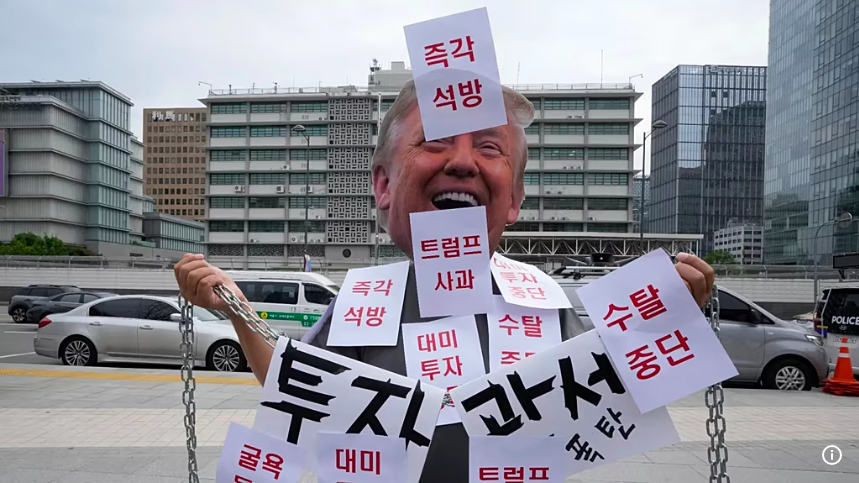
On September 4, the largest U.S. immigration raid in years shocked both South Korea and the international community. A total of 475 workers were rounded up at the site of a Hyundai–LG Energy Solution battery factory under construction in Georgia, with over 300 of them being South Korean nationals. The scale of the raid, coupled with images of workers shackled in chains, has ignited outrage in South Korea and placed new strain on relations between Seoul and Washington.
This week, South Korea dispatched a charter plane to the United States in a bid to bring home the detained workers. While the move underscores Seoul’s urgency to resolve the situation, officials acknowledged that the return will not happen as quickly as initially hoped.
A Charter Flight, But No Immediate Return
South Korean television aired footage of a Korean Air charter plane taking off from Incheon International Airport bound for the U.S. The plan was for the aircraft to return home with the freed workers as soon as possible. However, the South Korean Foreign Ministry confirmed that the departure from the U.S. has been delayed due to unspecified reasons on the American side.
Currently, the detained Korean nationals are being held at an immigration detention facility in Folkston, Georgia. Reports suggest that once released, they will be transported by bus nearly 460 kilometers to Atlanta, where the charter plane awaits.
Officials emphasized that Seoul is negotiating “voluntary departures” for the workers, rather than deportations. This distinction is crucial: voluntary departure allows individuals to reapply for entry into the United States in the future, whereas deportation typically carries a 10-year ban on reentry.
The Largest Workplace Raid in Years
The raid at the Georgia factory marked the largest workplace operation by U.S. Homeland Security in its ongoing crackdown on unauthorized labor. Footage released by U.S. authorities showed detained workers shackled at their wrists, ankles, and waists. In South Korea, these images sparked widespread anger, with many perceiving the treatment as humiliating and disproportionate.
The incident has been particularly sensitive given the timing. Just days earlier, South Korean President Lee Jae-myung met with U.S. President Donald Trump in Washington for their first summit on August 25. South Korea had also recently pledged hundreds of billions of dollars in investments in U.S. industrial projects to secure tariff concessions.
For many South Koreans, the raid felt like a betrayal, given their country’s status as a key U.S. ally and one of the largest foreign investors in American manufacturing.
Visa Troubles and a Broken System
At the heart of the issue lies the U.S. visa system. According to U.S. officials, some of the detained workers had overstayed legal visas, while others had entered under the Visa Waiver Program (ESTA), which prohibits employment. A smaller number were accused of having crossed the border illegally.
However, South Korean experts argue that the situation is more complex. Seoul has long urged Washington to establish a dedicated visa category for skilled Korean workers who are essential in launching and operating industrial facilities. Despite repeated requests, little progress has been made.
In practice, South Korean companies have been relying on short-term visitor visas (B-1/B-2) or ESTA authorizations to send specialized employees abroad. This practice was tacitly tolerated for years as Korean firms rapidly expanded their presence in the U.S. battery, automotive, and semiconductor sectors.
Following the raid, LG Energy Solution, the company employing most of the detained workers, issued urgent instructions: employees in the U.S. on visitor visas were told not to report to work, while those on ESTA were advised to return home immediately.
A Strained Alliance
The fallout from the raid has been described by South Korean media as a “national disgrace.” Beyond the humanitarian concerns, the incident highlights the fragility of the U.S.–South Korea alliance when economic cooperation collides with domestic politics.
President Trump, defending the raid, stated that the detained workers “were here illegally” and reiterated his administration’s stance that foreign governments must train American citizens for specialized jobs. The comment struck a nerve in Seoul, given that South Korea has already been investing heavily in U.S.-based plants and pledging to share technological expertise.
The irony is hard to miss: while Washington has been urging Seoul to expand industrial investments in America, it has failed to create a clear and legal pathway for Korean workers to temporarily staff these projects.
What Comes Next?
As negotiations continue, attention now turns to whether the detained workers will indeed be allowed to leave under voluntary departure terms. South Korean officials are pressing for swift release and safe repatriation aboard the chartered flight.
The broader implications, however, will not be resolved so quickly. Unless the U.S. revisits its visa policies for foreign technical specialists, similar incidents could recur. With South Korea pouring billions into U.S. manufacturing sites—including more than 20 major projects currently underway—the need for a functional system is urgent.
Looking Forward
The coming weeks will be critical in determining how quickly and smoothly the detained workers can return home. If the U.S. and South Korea can successfully negotiate voluntary departures, it may prevent long-term consequences for the individuals involved and help ease public anger in Seoul.
More importantly, this episode could push both governments to finally address the structural weaknesses in the visa system. With South Korea continuing to invest billions of dollars into U.S. factories and energy projects, a sustainable solution is needed to ensure skilled Korean workers can legally and safely support these ventures.
Looking ahead, the resolution of this crisis may serve as a turning point—either reinforcing trust and cooperation between Washington and Seoul, or leaving lingering scars that complicate their partnership. Much will depend on whether both nations can turn this controversy into an opportunity for policy reform and stronger collaboration.
Final Thoughts
The ICE raid on Hyundai’s Georgia factory has exposed a fault line in U.S.–South Korea relations. While Washington demands investment and industrial cooperation, its restrictive visa policies have left South Korean companies vulnerable to enforcement crackdowns.
For South Koreans, the sight of their citizens shackled in chains in a country they consider an ally has been deeply unsettling. For Americans, the event raises questions about balancing immigration enforcement with the realities of a globalized economy.
The fate of the 300-plus detained Koreans will likely be resolved in the coming days, but the larger debate over immigration, investment, and labor mobility is only just beginning.
Conclusion
The Hyundai ICE raid in Georgia has become more than just an immigration enforcement story—it has evolved into a diplomatic flashpoint between two close allies. South Korea’s swift decision to send a charter plane underscores the seriousness with which Seoul views the plight of its citizens, while Washington’s insistence on strict immigration rules highlights the tension between economic partnership and domestic politics.
As both governments work toward a resolution, the incident serves as a stark reminder: without clear visa pathways for skilled foreign workers, future industrial cooperation may be undermined. For South Korea, the priority is safeguarding its people and dignity abroad; for the United States, the challenge lies in balancing immigration enforcement with the realities of global investment and labor demands.
Ultimately, the outcome of this crisis may shape not only the fate of the detained workers but also the future framework of U.S.–Korea industrial and diplomatic relations.
Meta Description:
South Korea dispatched a charter plane to the U.S. after an ICE raid at Hyundai’s Georgia factory detained over 300 Korean workers. The incident highlights visa issues, strained U.S.–Korea ties, and urgent calls for reform.
South Korea Sends Plane to US After Hyundai ICE Raid Detains Hundreds of Workers
On September 4, the largest U.S. immigration raid in years shocked both South Korea and the international community. A total of 475 workers were rounded up at the site of a Hyundai–LG Energy Solution battery factory under construction in Georgia, with over 300 of them being South Korean nationals. The scale of the raid, coupled with images of workers shackled in chains, has ignited outrage in South Korea and placed new strain on relations between Seoul and Washington.
This week, South Korea dispatched a charter plane to the United States in a bid to bring home the detained workers. While the move underscores Seoul’s urgency to resolve the situation, officials acknowledged that the return will not happen as quickly as initially hoped.
Register for Tekedia Mini-MBA edition 20 (June 8 – Sept 5, 2026).
Register for Tekedia AI in Business Masterclass.
Join Tekedia Capital Syndicate and co-invest in great global startups.
Register for Tekedia AI Lab.
A Charter Flight, But No Immediate Return
South Korean television aired footage of a Korean Air charter plane taking off from Incheon International Airport bound for the U.S. The plan was for the aircraft to return home with the freed workers as soon as possible. However, the South Korean Foreign Ministry confirmed that the departure from the U.S. has been delayed due to unspecified reasons on the American side.
Currently, the detained Korean nationals are being held at an immigration detention facility in Folkston, Georgia. Reports suggest that once released, they will be transported by bus nearly 460 kilometers to Atlanta, where the charter plane awaits.

Officials emphasized that Seoul is negotiating “voluntary departures” for the workers, rather than deportations. This distinction is crucial: voluntary departure allows individuals to reapply for entry into the United States in the future, whereas deportation typically carries a 10-year ban on reentry.
The Largest Workplace Raid in Years
The raid at the Georgia factory marked the largest workplace operation by U.S. Homeland Security in its ongoing crackdown on unauthorized labor. Footage released by U.S. authorities showed detained workers shackled at their wrists, ankles, and waists. In South Korea, these images sparked widespread anger, with many perceiving the treatment as humiliating and disproportionate.

The incident has been particularly sensitive given the timing. Just days earlier, South Korean President Lee Jae-myung met with U.S. President Donald Trump in Washington for their first summit on August 25. South Korea had also recently pledged hundreds of billions of dollars in investments in U.S. industrial projects to secure tariff concessions.
For many South Koreans, the raid felt like a betrayal, given their country’s status as a key U.S. ally and one of the largest foreign investors in American manufacturing.
Visa Troubles and a Broken System
At the heart of the issue lies the U.S. visa system. According to U.S. officials, some of the detained workers had overstayed legal visas, while others had entered under the Visa Waiver Program (ESTA), which prohibits employment. A smaller number were accused of having crossed the border illegally.
However, South Korean experts argue that the situation is more complex. Seoul has long urged Washington to establish a dedicated visa category for skilled Korean workers who are essential in launching and operating industrial facilities. Despite repeated requests, little progress has been made.
In practice, South Korean companies have been relying on short-term visitor visas (B-1/B-2) or ESTA authorizations to send specialized employees abroad. This practice was tacitly tolerated for years as Korean firms rapidly expanded their presence in the U.S. battery, automotive, and semiconductor sectors.
Following the raid, LG Energy Solution, the company employing most of the detained workers, issued urgent instructions: employees in the U.S. on visitor visas were told not to report to work, while those on ESTA were advised to return home immediately.
A Strained Alliance
The fallout from the raid has been described by South Korean media as a “national disgrace.” Beyond the humanitarian concerns, the incident highlights the fragility of the U.S.–South Korea alliance when economic cooperation collides with domestic politics.
President Trump, defending the raid, stated that the detained workers “were here illegally” and reiterated his administration’s stance that foreign governments must train American citizens for specialized jobs. The comment struck a nerve in Seoul, given that South Korea has already been investing heavily in U.S.-based plants and pledging to share technological expertise.
The irony is hard to miss: while Washington has been urging Seoul to expand industrial investments in America, it has failed to create a clear and legal pathway for Korean workers to temporarily staff these projects.
What Comes Next?
As negotiations continue, attention now turns to whether the detained workers will indeed be allowed to leave under voluntary departure terms. South Korean officials are pressing for swift release and safe repatriation aboard the chartered flight.
The broader implications, however, will not be resolved so quickly. Unless the U.S. revisits its visa policies for foreign technical specialists, similar incidents could recur. With South Korea pouring billions into U.S. manufacturing sites—including more than 20 major projects currently underway—the need for a functional system is urgent.
Looking Forward
The coming weeks will be critical in determining how quickly and smoothly the detained workers can return home. If the U.S. and South Korea can successfully negotiate voluntary departures, it may prevent long-term consequences for the individuals involved and help ease public anger in Seoul.
More importantly, this episode could push both governments to finally address the structural weaknesses in the visa system. With South Korea continuing to invest billions of dollars into U.S. factories and energy projects, a sustainable solution is needed to ensure skilled Korean workers can legally and safely support these ventures.
Looking ahead, the resolution of this crisis may serve as a turning point—either reinforcing trust and cooperation between Washington and Seoul, or leaving lingering scars that complicate their partnership. Much will depend on whether both nations can turn this controversy into an opportunity for policy reform and stronger collaboration.
Final Thoughts
The ICE raid on Hyundai’s Georgia factory has exposed a fault line in U.S.–South Korea relations. While Washington demands investment and industrial cooperation, its restrictive visa policies have left South Korean companies vulnerable to enforcement crackdowns.
For South Koreans, the sight of their citizens shackled in chains in a country they consider an ally has been deeply unsettling. For Americans, the event raises questions about balancing immigration enforcement with the realities of a globalized economy.
The fate of the 300-plus detained Koreans will likely be resolved in the coming days, but the larger debate over immigration, investment, and labor mobility is only just beginning.
Conclusion
The Hyundai ICE raid in Georgia has become more than just an immigration enforcement story—it has evolved into a diplomatic flashpoint between two close allies. South Korea’s swift decision to send a charter plane underscores the seriousness with which Seoul views the plight of its citizens, while Washington’s insistence on strict immigration rules highlights the tension between economic partnership and domestic politics.
As both governments work toward a resolution, the incident serves as a stark reminder: without clear visa pathways for skilled foreign workers, future industrial cooperation may be undermined. For South Korea, the priority is safeguarding its people and dignity abroad; for the United States, the challenge lies in balancing immigration enforcement with the realities of global investment and labor demands.
Ultimately, the outcome of this crisis may shape not only the fate of the detained workers but also the future framework of U.S.–Korea industrial and diplomatic relations.
Meta Description:
South Korea dispatched a charter plane to the U.S. after an ICE raid at Hyundai’s Georgia factory detained over 300 Korean workers. The incident highlights visa issues, strained U.S.–Korea ties, and urgent calls for reform.
Share this:
- Click to share on Facebook (Opens in new window) Facebook
- Click to share on X (Opens in new window) X
- Click to share on WhatsApp (Opens in new window) WhatsApp
- Click to share on LinkedIn (Opens in new window) LinkedIn
- Click to email a link to a friend (Opens in new window) Email
- Click to print (Opens in new window) Print