

Southern Europe’s Seismic Surge: What Traveler’s Need to Know About Insurance and Earthquake Risks This Summer

Quote from Alex Bobby on June 17, 2025, 3:46 PM
Southern Europe’s Seismic Surge: What It Means for Your Summer Travel Insurance
Southern Europe has long been a favourite destination for summer traveler’s, with its sunny coastlines, historic sites, and idyllic islands. But in recent months, the region has been making headlines for a different reason: a spike in seismic activity. Earthquakes and volcanic tremors have rattled popular tourist hotspots like Crete, Santorini, Sicily, and coastal regions of Turkey. For holidaymakers with upcoming plans, the question looms: is it safe to go, and will my travel insurance cover me if something goes wrong?
Here’s what traveler’s need to know as seismic events shake up summer travel planning.
Natural Disasters and Travel Insurance: What's Covered?
The short answer: not much—at least not by standard policies.
“Travellers must be aware that most travel insurance policies won’t cover earthquakes as standard, or any other natural disaster outside of anyone’s control,” says Ernesto Suarez, founder of Gigasure, an innovative travel insurance provider.
Traditional travel insurance often excludes coverage for so-called “Acts of God”—unforeseeable natural disasters like volcanic eruptions, wildfires, floods, or earthquakes. And while insurers are leveraging AI and big data to improve risk analysis, underwriting for unpredictable events remains tricky.
But not all is lost. Many insurance providers now offer optional add-ons or comprehensive policies that do include natural disaster coverage. These typically offer financial protection for trip cancellations, early returns, or prolonged stays caused by seismic disruptions.
Simon McCulloch, Commercial Director at Stay-sure, explains: “We have a range of different policies that cover unforeseen events that stop you going away, disrupt your holiday or force you to cut short your trip due to natural disasters like earthquakes, floods, hurricanes and wildfires.”
What Happens If a Quake Hits While You’re Abroad?
If you’re already at your destination and an earthquake or volcanic event strikes, your immediate concern should be personal safety—not reimbursement.
“In cases where you’re already abroad and a natural disaster strikes, the most important thing is to get yourself to safety and follow the advice of local or national authorities,” McCulloch advises.
Once safe, traveler’s should contact their airline, tour operator, or travel provider to arrange alternative plans, such as early return flights or emergency accommodation. Those with disaster-inclusive insurance may be eligible for compensation covering unused trip days, additional lodging, transportation, or even pet care fees if the trip is unexpectedly extended.
Suarez notes that Gigasure’s policies allow for an extra 10 days of coverage abroad in such circumstances. “We extend our policy duration for up to 30 days or until [customers] can return home safely,” he says.
Can You Cancel Your Trip as a Precaution?
Unfortunately, caution alone won’t trigger a valid claim.
If your destination is still deemed safe by national authorities, canceling your trip over earthquake fears likely won’t be reimbursed by your insurer.
“Whether you’ll be covered by your travel insurance depends on the specific details of your policy and official guidance at the time of travel,” McCulloch explains.
He recommends monitoring the Foreign, Commonwealth and Development Office (or your local equivalent) for advisories. If they haven’t issued a warning against all or non-essential travel to a destination, insurers will likely not approve cancellation claims made “just in case.”
Suarez agrees: “If someone chooses to cancel their trip because of a recent earthquake, it’s unlikely that their travel insurance will cover them.”
A Shaky Outlook for Summer Travel?
Recent tremors have already shaken traveler confidence. In Santorini, where tourism is a major economic driver, officials estimate a 25% drop in arrivals this year. Seismic activity in Italy’s Mount Etna region and the coastal zones of Turkey has also led to heightened alerts and temporary disruptions.
Still, experts stress that these are rare occurrences and that most trips will go ahead as planned.
The best course of action? Plan wisely and stay informed.
- Read your insurance policy carefully. Know what is and isn’t included.
- Ask your insurer about natural disaster add-ons. These might cost extra, but can save you a fortune later.
- Monitor government travel advisories leading up to your departure.
- Keep emergency contact information handy when abroad.
The Final Word
As Southern Europe experiences a summer of tremors and uncertainty, one thing is clear: natural disasters may be out of your hands, but travel protection doesn’t have to be.
“Natural disasters are unpredictable, but your insurance shouldn’t be—so long as you take steps to make sure you’re properly informed of the protection it provides,” McCulloch says.
Before heading to the Mediterranean this summer, take a moment to review your policy—and consider upgrading it. It may just be the smartest packing decision you make.
Conclusion
Southern Europe’s recent spike in seismic activity has added an extra layer of uncertainty for summer travellers. While the odds of being caught in an earthquake or volcanic eruption remain low, the financial and logistical consequences can be significant — especially if you're not properly insured.
Standard travel insurance often doesn’t cover natural disasters, leaving many traveler’s vulnerable. But with the right add-ons or comprehensive coverage, you can protect yourself from disruptions, delays, or cancellations. The key is being proactive: read the fine print, stay updated on travel advisories, and speak with your insurer about what your policy truly includes.
Seismic events may be unpredictable, but your response doesn’t have to be. With a little planning and the right protection, you can travel with confidence — even in uncertain times.
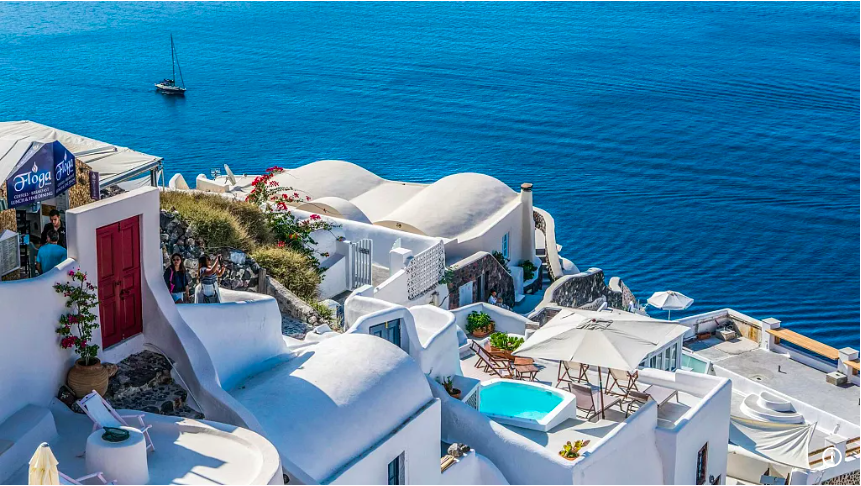
Southern Europe’s Seismic Surge: What It Means for Your Summer Travel Insurance
Southern Europe has long been a favourite destination for summer traveler’s, with its sunny coastlines, historic sites, and idyllic islands. But in recent months, the region has been making headlines for a different reason: a spike in seismic activity. Earthquakes and volcanic tremors have rattled popular tourist hotspots like Crete, Santorini, Sicily, and coastal regions of Turkey. For holidaymakers with upcoming plans, the question looms: is it safe to go, and will my travel insurance cover me if something goes wrong?
Here’s what traveler’s need to know as seismic events shake up summer travel planning.
Register for Tekedia Mini-MBA edition 20 (June 8 – Sept 5, 2026).
Register for Tekedia AI in Business Masterclass.
Join Tekedia Capital Syndicate and co-invest in great global startups.
Register for Tekedia AI Lab.
Natural Disasters and Travel Insurance: What's Covered?
The short answer: not much—at least not by standard policies.
“Travellers must be aware that most travel insurance policies won’t cover earthquakes as standard, or any other natural disaster outside of anyone’s control,” says Ernesto Suarez, founder of Gigasure, an innovative travel insurance provider.

Traditional travel insurance often excludes coverage for so-called “Acts of God”—unforeseeable natural disasters like volcanic eruptions, wildfires, floods, or earthquakes. And while insurers are leveraging AI and big data to improve risk analysis, underwriting for unpredictable events remains tricky.
But not all is lost. Many insurance providers now offer optional add-ons or comprehensive policies that do include natural disaster coverage. These typically offer financial protection for trip cancellations, early returns, or prolonged stays caused by seismic disruptions.
Simon McCulloch, Commercial Director at Stay-sure, explains: “We have a range of different policies that cover unforeseen events that stop you going away, disrupt your holiday or force you to cut short your trip due to natural disasters like earthquakes, floods, hurricanes and wildfires.”

What Happens If a Quake Hits While You’re Abroad?
If you’re already at your destination and an earthquake or volcanic event strikes, your immediate concern should be personal safety—not reimbursement.
“In cases where you’re already abroad and a natural disaster strikes, the most important thing is to get yourself to safety and follow the advice of local or national authorities,” McCulloch advises.
Once safe, traveler’s should contact their airline, tour operator, or travel provider to arrange alternative plans, such as early return flights or emergency accommodation. Those with disaster-inclusive insurance may be eligible for compensation covering unused trip days, additional lodging, transportation, or even pet care fees if the trip is unexpectedly extended.
Suarez notes that Gigasure’s policies allow for an extra 10 days of coverage abroad in such circumstances. “We extend our policy duration for up to 30 days or until [customers] can return home safely,” he says.
Can You Cancel Your Trip as a Precaution?
Unfortunately, caution alone won’t trigger a valid claim.
If your destination is still deemed safe by national authorities, canceling your trip over earthquake fears likely won’t be reimbursed by your insurer.
“Whether you’ll be covered by your travel insurance depends on the specific details of your policy and official guidance at the time of travel,” McCulloch explains.
He recommends monitoring the Foreign, Commonwealth and Development Office (or your local equivalent) for advisories. If they haven’t issued a warning against all or non-essential travel to a destination, insurers will likely not approve cancellation claims made “just in case.”
Suarez agrees: “If someone chooses to cancel their trip because of a recent earthquake, it’s unlikely that their travel insurance will cover them.”
A Shaky Outlook for Summer Travel?
Recent tremors have already shaken traveler confidence. In Santorini, where tourism is a major economic driver, officials estimate a 25% drop in arrivals this year. Seismic activity in Italy’s Mount Etna region and the coastal zones of Turkey has also led to heightened alerts and temporary disruptions.
Still, experts stress that these are rare occurrences and that most trips will go ahead as planned.
The best course of action? Plan wisely and stay informed.
- Read your insurance policy carefully. Know what is and isn’t included.
- Ask your insurer about natural disaster add-ons. These might cost extra, but can save you a fortune later.
- Monitor government travel advisories leading up to your departure.
- Keep emergency contact information handy when abroad.
The Final Word
As Southern Europe experiences a summer of tremors and uncertainty, one thing is clear: natural disasters may be out of your hands, but travel protection doesn’t have to be.
“Natural disasters are unpredictable, but your insurance shouldn’t be—so long as you take steps to make sure you’re properly informed of the protection it provides,” McCulloch says.
Before heading to the Mediterranean this summer, take a moment to review your policy—and consider upgrading it. It may just be the smartest packing decision you make.
Conclusion
Southern Europe’s recent spike in seismic activity has added an extra layer of uncertainty for summer travellers. While the odds of being caught in an earthquake or volcanic eruption remain low, the financial and logistical consequences can be significant — especially if you're not properly insured.
Standard travel insurance often doesn’t cover natural disasters, leaving many traveler’s vulnerable. But with the right add-ons or comprehensive coverage, you can protect yourself from disruptions, delays, or cancellations. The key is being proactive: read the fine print, stay updated on travel advisories, and speak with your insurer about what your policy truly includes.
Seismic events may be unpredictable, but your response doesn’t have to be. With a little planning and the right protection, you can travel with confidence — even in uncertain times.
Uploaded files:Share this:
- Click to share on Facebook (Opens in new window) Facebook
- Click to share on X (Opens in new window) X
- Click to share on WhatsApp (Opens in new window) WhatsApp
- Click to share on LinkedIn (Opens in new window) LinkedIn
- Click to email a link to a friend (Opens in new window) Email
- Click to print (Opens in new window) Print