

Sudan’s RSF Accused of Crimes Against Humanity in El-Fasher Siege, UN Report Reveals

Quote from Alex Bobby on September 6, 2025, 4:06 AM
Sudan Paramilitaries Accused of Crimes Against Humanity Over Siege of El-Fasher
Sudan’s ongoing civil war has once again drawn international condemnation after a damning report by the United Nations accused the Rapid Support Forces (RSF) of committing widespread crimes against humanity during their year-long siege of el-Fasher, a city in Darfur.
The findings, published by the UN Fact-Finding Mission, detail horrific acts ranging from mass killings to sexual violence, forced displacement, and the deliberate use of starvation as a weapon of war. Both the RSF and Sudan’s regular army are implicated in systematic abuses, but the RSF’s siege of el-Fasher has emerged as one of the clearest examples of atrocities in the conflict.
UN Report: “A War of Atrocities”
The UN investigation, titled A War of Atrocities, accuses the RSF of a litany of abuses that amount to crimes against humanity, including:
- Murder and torture of civilians.
- Rape, sexual slavery, and sexual violence, often used as tools of intimidation.
- Enslavement and forced displacement of communities.
- Persecution based on ethnic, gender, and political grounds.
In addition, the report documents broader evidence of alleged war crimes committed by both the RSF and Sudan’s army. These include attacks on civilian populations, arbitrary detention, denial of food, and inhuman conditions in detention centres.
“These are not accidental tragedies but deliberate strategies amounting to war crimes,” said Mohamed Chande Othman, chair of the Fact-Finding Mission.
Siege of El-Fasher: A City Under Strain
El-Fasher, the last major stronghold of the Sudanese army in Darfur, has been under siege by the RSF for more than a year. The report accuses the RSF of intentionally cutting off food supplies and medical aid, effectively weaponising starvation against the city’s population.
In April, RSF forces stormed the Zamzam displacement camp near el-Fasher. Already devastated by famine conditions, the camp was home to some of the most vulnerable people in Sudan—families who had fled violence multiple times before. Tens of thousands were once again forced to abandon what little shelter they had, plunging them into even greater desperation.
The deliberate use of starvation as a weapon could amount to the crime of extermination, the UN report warns.
A Pattern of Ethnic Violence
The situation in Darfur is not new. The region has been the epicentre of conflict for decades, with earlier waves of violence in the 2000s leading to international outrage and charges of genocide.
Today, the RSF stands accused of continuing that legacy of ethnic persecution. The United States has accused the group of committing genocide against Darfur’s non-Arabic population. While the RSF denies responsibility, blaming violence on local militias, the international community is increasingly convinced that the group is directly orchestrating these atrocities.
Both Sides Implicated
While much of the spotlight falls on the RSF, the Sudanese army is also accused of grave violations. The UN report details how army forces have engaged in attacks on civilians, arbitrary detentions, and the deliberate deprivation of food and medical aid.
The United States has sanctioned General Abdel Fattah al-Burhan, the army chief, citing his responsibility for civilian deaths and for the use of starvation as a weapon of war. The accusations highlight the grim reality: both major factions in Sudan’s civil war are implicated in crimes that leave civilians bearing the heaviest burden.
Satellite Evidence: A Trap for Civilians
Adding to the mounting evidence, researchers from Yale University revealed satellite images showing that RSF-aligned forces have built 31 kilometres of raised banks around el-Fasher since May. Analysts argue these earthworks were designed to trap civilians, prevent escape, and tighten the siege.
The physical barriers underscore the RSF’s alleged strategy of using siege warfare not against enemy combatants, but against civilians themselves.
Humanitarian Crisis on a Massive Scale
The consequences of the war are catastrophic. Tens of thousands of people have been killed, while 13 million Sudanese have been forced to flee their homes since the conflict began in April 2023. For many, displacement has become a recurring cycle, with families fleeing violence only to encounter famine, disease, and renewed attacks.
Aid workers face enormous challenges in delivering assistance. In some areas, humanitarian organisations rely on donkeys to transport supplies across treacherous terrain, underscoring the desperate conditions on the ground.
Calls for International Action
The UN Fact-Finding Mission has called on the international community to take decisive action. Recommendations include:
- Enforcing an arms embargo to limit the flow of weapons into Sudan.
- Establishing an independent judicial process to ensure accountability for perpetrators.
- Increasing humanitarian support for civilians caught in the conflict.
“Our findings leave no room for doubt: civilians are paying the highest price in this war,” Mr. Othman said.
Yet while the calls for action are clear, the international response has so far been limited. Geopolitical complexities, including rival interests in Sudan’s resources and regional stability, have slowed unified action.
Looking Forward
The siege of el-Fasher and the broader atrocities committed in Sudan underscore the urgent need for stronger international intervention. Without decisive action, the cycle of famine, forced displacement, and violence will continue to devastate millions of civilians.
As the UN calls for arms embargoes and independent justice mechanisms, the coming months will test the resolve of the global community. Will nations step up to enforce accountability and deliver humanitarian relief, or will Sudan remain another tragic example of inaction in the face of mass suffering?
The world will be watching closely—and for the people of Sudan, the stakes could not be higher.
Final Thoughts
The UN’s report on Sudan paints a grim but undeniable picture: civilians are being deliberately targeted, trapped, and starved as part of a ruthless war strategy. The atrocities in el-Fasher are not isolated incidents—they are emblematic of a conflict spiralling into a humanitarian disaster of immense scale.
For the international community, the time for statements has passed. What is needed now is action: accountability for perpetrators, protection for civilians, and meaningful support for millions forced to flee their homes. Only then can Sudan begin to move beyond this “war of atrocities” toward a future where peace and justice are possible.
Conclusion
The UN’s latest report shines a harsh light on Sudan’s civil war, documenting atrocities that echo some of the darkest chapters in recent history. From starvation used as a weapon of war to the deliberate targeting of civilians, the siege of el-Fasher encapsulates the brutality of a conflict in which ordinary people bear the greatest suffering.
As the world debates sanctions and embargoes, the reality for millions of Sudanese is dire: famine, displacement, and violence have become part of daily life. The question now is whether the international community will rise to the challenge, enforcing justice and providing aid—or whether Sudan will remain trapped in what the UN rightly calls a war of atrocities.
Meta Description:
A UN report accuses Sudan’s Rapid Support Forces of crimes against humanity in the siege of el-Fasher, citing murder, rape, starvation, and forced displacement as deliberate war strategies.
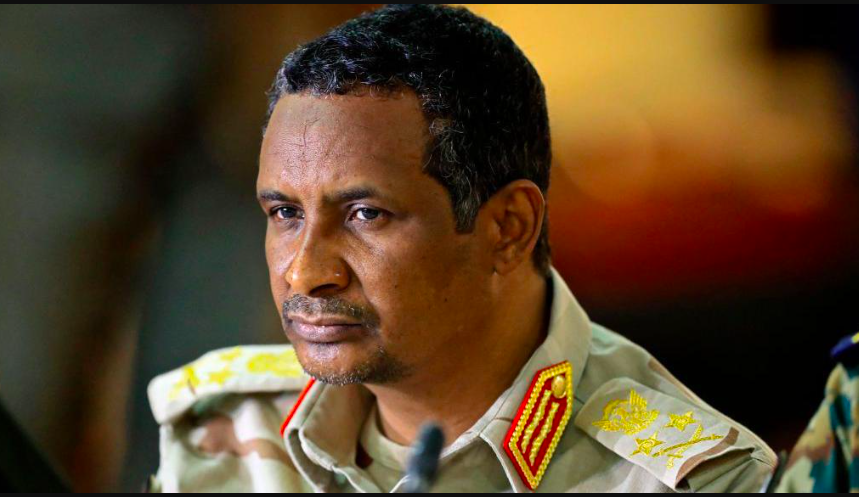
Sudan Paramilitaries Accused of Crimes Against Humanity Over Siege of El-Fasher
Sudan’s ongoing civil war has once again drawn international condemnation after a damning report by the United Nations accused the Rapid Support Forces (RSF) of committing widespread crimes against humanity during their year-long siege of el-Fasher, a city in Darfur.
The findings, published by the UN Fact-Finding Mission, detail horrific acts ranging from mass killings to sexual violence, forced displacement, and the deliberate use of starvation as a weapon of war. Both the RSF and Sudan’s regular army are implicated in systematic abuses, but the RSF’s siege of el-Fasher has emerged as one of the clearest examples of atrocities in the conflict.
Register for Tekedia Mini-MBA edition 20 (June 8 – Sept 5, 2026).
Register for Tekedia AI in Business Masterclass.
Join Tekedia Capital Syndicate and co-invest in great global startups.
Register for Tekedia AI Lab.
UN Report: “A War of Atrocities”
The UN investigation, titled A War of Atrocities, accuses the RSF of a litany of abuses that amount to crimes against humanity, including:
- Murder and torture of civilians.
- Rape, sexual slavery, and sexual violence, often used as tools of intimidation.
- Enslavement and forced displacement of communities.
- Persecution based on ethnic, gender, and political grounds.
In addition, the report documents broader evidence of alleged war crimes committed by both the RSF and Sudan’s army. These include attacks on civilian populations, arbitrary detention, denial of food, and inhuman conditions in detention centres.

“These are not accidental tragedies but deliberate strategies amounting to war crimes,” said Mohamed Chande Othman, chair of the Fact-Finding Mission.
Siege of El-Fasher: A City Under Strain
El-Fasher, the last major stronghold of the Sudanese army in Darfur, has been under siege by the RSF for more than a year. The report accuses the RSF of intentionally cutting off food supplies and medical aid, effectively weaponising starvation against the city’s population.

In April, RSF forces stormed the Zamzam displacement camp near el-Fasher. Already devastated by famine conditions, the camp was home to some of the most vulnerable people in Sudan—families who had fled violence multiple times before. Tens of thousands were once again forced to abandon what little shelter they had, plunging them into even greater desperation.
The deliberate use of starvation as a weapon could amount to the crime of extermination, the UN report warns.
A Pattern of Ethnic Violence
The situation in Darfur is not new. The region has been the epicentre of conflict for decades, with earlier waves of violence in the 2000s leading to international outrage and charges of genocide.
Today, the RSF stands accused of continuing that legacy of ethnic persecution. The United States has accused the group of committing genocide against Darfur’s non-Arabic population. While the RSF denies responsibility, blaming violence on local militias, the international community is increasingly convinced that the group is directly orchestrating these atrocities.
Both Sides Implicated
While much of the spotlight falls on the RSF, the Sudanese army is also accused of grave violations. The UN report details how army forces have engaged in attacks on civilians, arbitrary detentions, and the deliberate deprivation of food and medical aid.
The United States has sanctioned General Abdel Fattah al-Burhan, the army chief, citing his responsibility for civilian deaths and for the use of starvation as a weapon of war. The accusations highlight the grim reality: both major factions in Sudan’s civil war are implicated in crimes that leave civilians bearing the heaviest burden.
Satellite Evidence: A Trap for Civilians
Adding to the mounting evidence, researchers from Yale University revealed satellite images showing that RSF-aligned forces have built 31 kilometres of raised banks around el-Fasher since May. Analysts argue these earthworks were designed to trap civilians, prevent escape, and tighten the siege.
The physical barriers underscore the RSF’s alleged strategy of using siege warfare not against enemy combatants, but against civilians themselves.
Humanitarian Crisis on a Massive Scale
The consequences of the war are catastrophic. Tens of thousands of people have been killed, while 13 million Sudanese have been forced to flee their homes since the conflict began in April 2023. For many, displacement has become a recurring cycle, with families fleeing violence only to encounter famine, disease, and renewed attacks.
Aid workers face enormous challenges in delivering assistance. In some areas, humanitarian organisations rely on donkeys to transport supplies across treacherous terrain, underscoring the desperate conditions on the ground.
Calls for International Action
The UN Fact-Finding Mission has called on the international community to take decisive action. Recommendations include:
- Enforcing an arms embargo to limit the flow of weapons into Sudan.
- Establishing an independent judicial process to ensure accountability for perpetrators.
- Increasing humanitarian support for civilians caught in the conflict.
“Our findings leave no room for doubt: civilians are paying the highest price in this war,” Mr. Othman said.
Yet while the calls for action are clear, the international response has so far been limited. Geopolitical complexities, including rival interests in Sudan’s resources and regional stability, have slowed unified action.
Looking Forward
The siege of el-Fasher and the broader atrocities committed in Sudan underscore the urgent need for stronger international intervention. Without decisive action, the cycle of famine, forced displacement, and violence will continue to devastate millions of civilians.
As the UN calls for arms embargoes and independent justice mechanisms, the coming months will test the resolve of the global community. Will nations step up to enforce accountability and deliver humanitarian relief, or will Sudan remain another tragic example of inaction in the face of mass suffering?
The world will be watching closely—and for the people of Sudan, the stakes could not be higher.
Final Thoughts
The UN’s report on Sudan paints a grim but undeniable picture: civilians are being deliberately targeted, trapped, and starved as part of a ruthless war strategy. The atrocities in el-Fasher are not isolated incidents—they are emblematic of a conflict spiralling into a humanitarian disaster of immense scale.
For the international community, the time for statements has passed. What is needed now is action: accountability for perpetrators, protection for civilians, and meaningful support for millions forced to flee their homes. Only then can Sudan begin to move beyond this “war of atrocities” toward a future where peace and justice are possible.
Conclusion
The UN’s latest report shines a harsh light on Sudan’s civil war, documenting atrocities that echo some of the darkest chapters in recent history. From starvation used as a weapon of war to the deliberate targeting of civilians, the siege of el-Fasher encapsulates the brutality of a conflict in which ordinary people bear the greatest suffering.
As the world debates sanctions and embargoes, the reality for millions of Sudanese is dire: famine, displacement, and violence have become part of daily life. The question now is whether the international community will rise to the challenge, enforcing justice and providing aid—or whether Sudan will remain trapped in what the UN rightly calls a war of atrocities.
Meta Description:
A UN report accuses Sudan’s Rapid Support Forces of crimes against humanity in the siege of el-Fasher, citing murder, rape, starvation, and forced displacement as deliberate war strategies.
Share this:
- Click to share on Facebook (Opens in new window) Facebook
- Click to share on X (Opens in new window) X
- Click to share on WhatsApp (Opens in new window) WhatsApp
- Click to share on LinkedIn (Opens in new window) LinkedIn
- Click to email a link to a friend (Opens in new window) Email
- Click to print (Opens in new window) Print