

The Gulf's Big Bet on AI: Replacing Oil with Compute Power

Quote from Alex Bobby on August 2, 2025, 9:18 AM
The Gulf Bets Big on AI as It Seeks the 'New Oil'
When Donald Trump touched down in the United Arab Emirates earlier this year, the fanfare wasn't just about diplomatic ties or Middle East politics—it was about artificial intelligence. The former U.S. president was welcomed not only with ceremonial flourishes but with high-stakes deals, strategic announcements, and an ambitious vision to reshape the Gulf’s economic destiny.
At the heart of this vision is a sprawling new AI campus—a UAE–U.S. initiative announced during Trump's visit and touted as the largest artificial intelligence infrastructure hub outside the United States. More than just a symbolic gesture, the project underscores the region’s audacious pivot from oil to data and chips as its core economic lifeline.
The Gulf's AI Gambit
The Gulf states, led by the UAE and Saudi Arabia, are making a calculated move: using their sovereign wealth, favourable geography, and energy reserves not just to diversify away from fossil fuels, but to become indispensable players in the global AI revolution. And they’re doing so not by merely investing abroad—as they have done for decades—but by bringing the infrastructure home.
The UAE has taken a clear lead in this shift. At the core of its strategy is Stargate, a multibillion-dollar initiative anchored by Emirati tech firm G42 and powered by Nvidia’s most advanced chips. The campus will serve as a base for OpenAI and other U.S. firms and is designed to house massive data centres essential for training complex AI models.
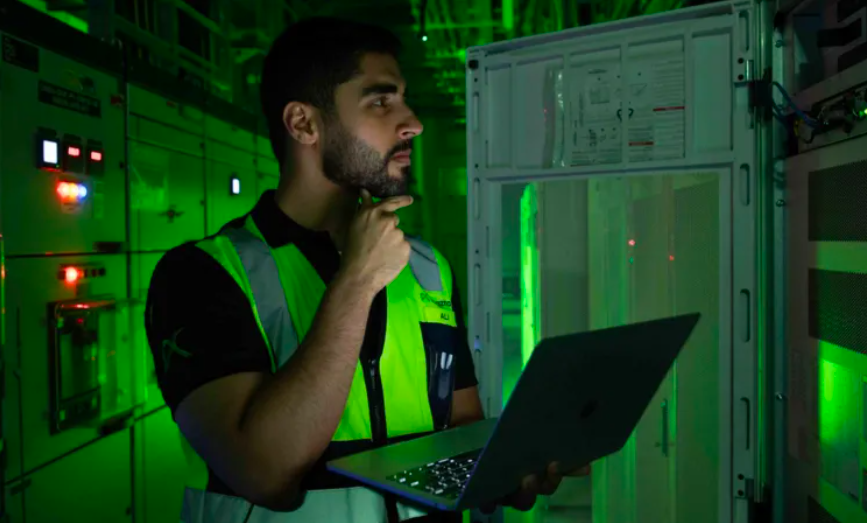
Tech heavyweights like Cisco, Oracle, and SoftBank are backing the effort, while Khazna, the UAE’s largest data centre operator (majority-owned by G42), is constructing the physical infrastructure. With 29 data centres already in operation across the country, Khazna and the broader Stargate initiative symbolise the Gulf’s intent to become the digital refinery of the AI era.
“Compute Is the New Oil”
“Just like Emirates turned the UAE into a global air hub, now the UAE is at a stage where it can become an AI and data hub,” said Hassan Alnaqbi, CEO of Khazna. His words echo the broader narrative shaping the region’s tech ambitions: in a world increasingly powered by artificial intelligence, compute—defined as the high-end processing capacity needed to train AI models—has become as essential as fossil fuel once was.
Mohammed Soliman of the Middle East Institute agrees, dubbing compute “the new oil.” For Gulf countries, this shift means moving from being the world’s energy providers to the future’s digital infrastructure landlords.
Saudi Arabia is not far behind. Its sovereign wealth fund, the Public Investment Fund (PIF), recently launched Humain, a national AI company planning to build AI factories loaded with hundreds of thousands of Nvidia chips over the next five years. The move is part of Crown Prince Mohammed bin Salman’s Vision 2030 plan to diversify the kingdom’s economy and elevate its role in global tech.
Geopolitical Stakes
These technological advances are not just about economics—they’re also about geopolitics. Trump's visit and the deals signed reflect Washington’s broader objective of rallying allies in the race against China for AI dominance. In lifting restrictions on the export of advanced Nvidia chips to the UAE and Saudi Arabia, the U.S. has signalled its intent to align the Gulf more closely with its own AI ecosystem—or “AI stack”—which includes chip design, infrastructure, models, and software.
“The AI deals signed during Trump’s visit are more about China than the Gulf,” said Soliman. “It’s about bringing a promising AI region into the American AI stack—to be on Team America AI.”
However, the Stargate deal has not yet fully cleared U.S. security hurdles. Washington remains cautious about potential Chinese tech or personnel being involved in Gulf data centres. A Reuters report noted that the project is still undergoing national security review, although it is expected to proceed with strong backing from U.S. tech firms and investors.
Shifting from Passive Investors to Active Players
What sets this current Gulf AI strategy apart from past tech investments is its hands-on approach. Rather than only taking minority stakes in Silicon Valley unicorns, Gulf nations are building their own AI capabilities and infrastructures. Mubadala, the UAE’s state-owned investment company, is backing both G42 and MGX, a $100 billion AI venture involving Microsoft. This signals a broader ambition to move from the sidelines to the front lines of innovation.
Looking Ahead
The Gulf's pivot toward AI marks a profound economic and strategic shift—one that recognises that data, not oil, will be the fuel of the future. By investing in compute capacity, data centre’s, and partnerships with top-tier tech firms, Gulf states are betting big on artificial intelligence as the pillar of their post-oil future.
Final Thought
Just as oil transformed the Gulf into a global energy powerhouse in the 20th century, AI and data infrastructure could make it a tech epic-enter in the 21st. But the success of this transition will depend not only on capital and chips—but also on political alignment, trust, and the ability to stay ahead in a fast-moving global tech race. For now, the Gulf is positioning itself well—but the stakes, like the ambitions, are immense.
Conclusion
The Gulf’s aggressive push into artificial intelligence marks a strategic inflection point for the region. By aligning with U.S. tech giants, investing in cutting-edge infrastructure, and redefining their economic priorities, countries like the UAE and Saudi Arabia are staking their claim in the AI-driven future. While challenges remain—geopolitical tensions, regulatory scrutiny, and global competition—the ambition is clear: to move from oil-rich nations to compute-rich innovators. As the world races toward a digital era, the Gulf is not content to be a consumer of technology—it wants to be a creator and global leader in AI.
Meta Description:
The Gulf states are investing billions in AI infrastructure to reduce reliance on oil and become global tech leaders. With U.S. partnerships and massive data centre projects, the region is betting big on artificial intelligence as the "new oil."
The Gulf Bets Big on AI as It Seeks the 'New Oil'
When Donald Trump touched down in the United Arab Emirates earlier this year, the fanfare wasn't just about diplomatic ties or Middle East politics—it was about artificial intelligence. The former U.S. president was welcomed not only with ceremonial flourishes but with high-stakes deals, strategic announcements, and an ambitious vision to reshape the Gulf’s economic destiny.
At the heart of this vision is a sprawling new AI campus—a UAE–U.S. initiative announced during Trump's visit and touted as the largest artificial intelligence infrastructure hub outside the United States. More than just a symbolic gesture, the project underscores the region’s audacious pivot from oil to data and chips as its core economic lifeline.
Register for Tekedia Mini-MBA edition 20 (June 8 – Sept 5, 2026).
Register for Tekedia AI in Business Masterclass.
Join Tekedia Capital Syndicate and co-invest in great global startups.
Register for Tekedia AI Lab.
The Gulf's AI Gambit
The Gulf states, led by the UAE and Saudi Arabia, are making a calculated move: using their sovereign wealth, favourable geography, and energy reserves not just to diversify away from fossil fuels, but to become indispensable players in the global AI revolution. And they’re doing so not by merely investing abroad—as they have done for decades—but by bringing the infrastructure home.
The UAE has taken a clear lead in this shift. At the core of its strategy is Stargate, a multibillion-dollar initiative anchored by Emirati tech firm G42 and powered by Nvidia’s most advanced chips. The campus will serve as a base for OpenAI and other U.S. firms and is designed to house massive data centres essential for training complex AI models.

Tech heavyweights like Cisco, Oracle, and SoftBank are backing the effort, while Khazna, the UAE’s largest data centre operator (majority-owned by G42), is constructing the physical infrastructure. With 29 data centres already in operation across the country, Khazna and the broader Stargate initiative symbolise the Gulf’s intent to become the digital refinery of the AI era.
“Compute Is the New Oil”
“Just like Emirates turned the UAE into a global air hub, now the UAE is at a stage where it can become an AI and data hub,” said Hassan Alnaqbi, CEO of Khazna. His words echo the broader narrative shaping the region’s tech ambitions: in a world increasingly powered by artificial intelligence, compute—defined as the high-end processing capacity needed to train AI models—has become as essential as fossil fuel once was.

Mohammed Soliman of the Middle East Institute agrees, dubbing compute “the new oil.” For Gulf countries, this shift means moving from being the world’s energy providers to the future’s digital infrastructure landlords.
Saudi Arabia is not far behind. Its sovereign wealth fund, the Public Investment Fund (PIF), recently launched Humain, a national AI company planning to build AI factories loaded with hundreds of thousands of Nvidia chips over the next five years. The move is part of Crown Prince Mohammed bin Salman’s Vision 2030 plan to diversify the kingdom’s economy and elevate its role in global tech.
Geopolitical Stakes
These technological advances are not just about economics—they’re also about geopolitics. Trump's visit and the deals signed reflect Washington’s broader objective of rallying allies in the race against China for AI dominance. In lifting restrictions on the export of advanced Nvidia chips to the UAE and Saudi Arabia, the U.S. has signalled its intent to align the Gulf more closely with its own AI ecosystem—or “AI stack”—which includes chip design, infrastructure, models, and software.
“The AI deals signed during Trump’s visit are more about China than the Gulf,” said Soliman. “It’s about bringing a promising AI region into the American AI stack—to be on Team America AI.”
However, the Stargate deal has not yet fully cleared U.S. security hurdles. Washington remains cautious about potential Chinese tech or personnel being involved in Gulf data centres. A Reuters report noted that the project is still undergoing national security review, although it is expected to proceed with strong backing from U.S. tech firms and investors.
Shifting from Passive Investors to Active Players
What sets this current Gulf AI strategy apart from past tech investments is its hands-on approach. Rather than only taking minority stakes in Silicon Valley unicorns, Gulf nations are building their own AI capabilities and infrastructures. Mubadala, the UAE’s state-owned investment company, is backing both G42 and MGX, a $100 billion AI venture involving Microsoft. This signals a broader ambition to move from the sidelines to the front lines of innovation.
Looking Ahead
The Gulf's pivot toward AI marks a profound economic and strategic shift—one that recognises that data, not oil, will be the fuel of the future. By investing in compute capacity, data centre’s, and partnerships with top-tier tech firms, Gulf states are betting big on artificial intelligence as the pillar of their post-oil future.
Final Thought
Just as oil transformed the Gulf into a global energy powerhouse in the 20th century, AI and data infrastructure could make it a tech epic-enter in the 21st. But the success of this transition will depend not only on capital and chips—but also on political alignment, trust, and the ability to stay ahead in a fast-moving global tech race. For now, the Gulf is positioning itself well—but the stakes, like the ambitions, are immense.
Conclusion
The Gulf’s aggressive push into artificial intelligence marks a strategic inflection point for the region. By aligning with U.S. tech giants, investing in cutting-edge infrastructure, and redefining their economic priorities, countries like the UAE and Saudi Arabia are staking their claim in the AI-driven future. While challenges remain—geopolitical tensions, regulatory scrutiny, and global competition—the ambition is clear: to move from oil-rich nations to compute-rich innovators. As the world races toward a digital era, the Gulf is not content to be a consumer of technology—it wants to be a creator and global leader in AI.
Meta Description:
The Gulf states are investing billions in AI infrastructure to reduce reliance on oil and become global tech leaders. With U.S. partnerships and massive data centre projects, the region is betting big on artificial intelligence as the "new oil."
Share this:
- Click to share on Facebook (Opens in new window) Facebook
- Click to share on X (Opens in new window) X
- Click to share on WhatsApp (Opens in new window) WhatsApp
- Click to share on LinkedIn (Opens in new window) LinkedIn
- Click to email a link to a friend (Opens in new window) Email
- Click to print (Opens in new window) Print