

The Hidden Cost of Global Trade: Why Poor Nations Are Left Behind

Quote from Alex Bobby on September 5, 2025, 7:29 AM
The Hidden Cost of International Trade and the Countries Left Behind
International trade is often celebrated as one of the engines of modern prosperity. From smartphones assembled across multiple continents to affordable food imports that fill supermarket shelves, global commerce has become the backbone of the interconnected world we live in today. Yet, beneath the promises of economic growth and integration, trade carries with it a set of hidden costs — costs that are disproportionately borne by the world’s poorest and most vulnerable nations.
While trade can be a powerful tool for addressing global challenges, such as poverty reduction and access to essential goods, it also contributes to widening inequality. The imbalance in the way benefits and burdens are distributed between countries raises pressing questions about the fairness and sustainability of the current system.
Trade’s Uneven Footprint
Dr. Arunima Malik, an associate professor in sustainability at the University of Sydney, recently co-authored a groundbreaking study that examined how international trade impacts the United Nations’ Sustainable Development Goals (SDGs). Published in Nature Sustainability and awarded the prestigious Frontiers Planet Prize, the research traced 12 environmental and social indicators across nearly three decades, between 1990 and 2018.
The findings are sobering. Trade has helped in two key areas: alleviating poverty and improving decent work opportunities. In these domains, global commerce has reduced material hardship and supported economic inclusion for millions of people. However, the story is far less positive in other areas.
Across ten out of the twelve indicators studied — including greenhouse gas emissions, air pollution, biodiversity loss, water shortages, and land use changes — trade was found to deepen inequality between rich and poor countries. In effect, while advanced economies enjoy the fruits of global consumption, the environmental and social costs are often outsourced to less wealthy nations.
This dynamic reflects a troubling reality: wealthier nations are improving their living standards while leaving behind a trail of ecological damage and human exploitation in the developing world.
The Price Paid by the Vulnerable
For countries heavily reliant on natural resource exports or cheap labor, the costs of global trade manifest in multiple forms. Industrial agriculture, often geared toward foreign markets, has driven deforestation, soil depletion, and water scarcity in parts of Africa, Latin America, and Asia. Workers in garment factories or electronic assembly plants frequently endure unsafe conditions, low wages, and limited labor protections — realities that starkly contrast with the improved consumer experiences enjoyed in wealthier importing nations.
The study highlights a broader truth: global trade has become a system where benefits are concentrated while risks are externalised. Developing countries pay the price for satisfying global consumption, yet they rarely reap proportional rewards. This imbalance undermines the principles of fairness, equity, and sustainability that international cooperation is supposed to uphold.
Why Fairer Trade Matters
In an era marked by climate change, geopolitical conflict, and rising inequality, international trade cannot be seen purely through the lens of economic growth. The climate crisis alone demonstrates how the environmental costs of trade transcend national borders. Carbon emissions generated by industrial supply chains do not remain in the exporting country — they contribute to a planetary emergency.
If trade continues to offload its hidden costs onto vulnerable regions, the trust needed for multilateralism will erode. Communities in poorer nations may come to view global commerce as a system that exploits rather than empowers, widening social divides and fuelling political instability.
A fairer trading system is therefore not only a moral imperative but also a practical necessity. Equitable trade strengthens social cohesion, bolsters resilience against global shocks, and creates the conditions for long-term prosperity.
Towards Trade That Works for Everyone
What would a fairer, more sustainable trade system look like? According to Dr. Malik and her colleagues, the first step is changing how we measure costs and benefits. Traditional production-based metrics — which focus on where goods are produced — often obscure the real impacts of global commerce. Instead, a consumption-based approach is needed.
By tracking the environmental and social consequences of what people consume, policymakers can better identify who bears responsibility and who shoulders the burdens. Such data could be critical for global initiatives like the United Nations’ Loss and Damage Fund, which aims to support countries disproportionately affected by climate change.
Beyond measurement, there must be accountability. Nations and corporations that prioritise equitable, sustainable practices should be rewarded through trade incentives, while those perpetuating exploitation or environmental harm must face consequences. This could involve stricter labor standards in trade agreements, carbon border adjustments, and transparent reporting requirements on supply chains.
Importantly, international trade must be reframed as a lever for achieving the UN’s Agenda 2030 goals. That means embedding sustainability, equity, and resilience into every negotiation and agreement. Trade deals should not undermine commitments to biodiversity protection, climate mitigation, or social justice — they should actively reinforce them.
A Call for Leadership
The path forward is clear but requires political will. World leaders must recognise that international trade is not an isolated economic tool but a central mechanism shaping the future of people and the planet. By redesigning trade systems to integrate equity and accountability, we can move towards a global economy that uplifts rather than divides.
Globalisation has already proven it can connect us. The challenge now is to ensure that this connection fosters shared prosperity rather than deepening divides. Trade must no longer be about extracting value from the weakest, but about building a system where every country, rich or poor, has a fair stake in progress.
Final Thoughts
The hidden costs of international trade remind us that economic growth, if not managed responsibly, can come at the expense of justice, sustainability, and human dignity. To leave no one behind, the world must act decisively to reimagine trade — as a force not just for profit, but for equity, resilience, and lasting prosperity.
Conclusion
International trade has the power to uplift nations, connect markets, and drive innovation. Yet, its hidden costs — from environmental degradation to social inequality — reveal the urgent need for reform. If trade continues to favour wealthy nations while offloading burdens onto poorer ones, the global economy risks becoming even more fractured and unjust.
The challenge for leaders is clear: reimagine trade as a system that balances prosperity with responsibility. By embedding equity, sustainability, and accountability into the rules of global commerce, trade can truly become a pathway to shared growth and resilience. Only then can we ensure that no country is left behind in the pursuit of progress.
Meta Description:
International trade fuels growth but often deepens inequality. Explore the hidden environmental and social costs, and why a fairer, more sustainable trade system is urgently needed.
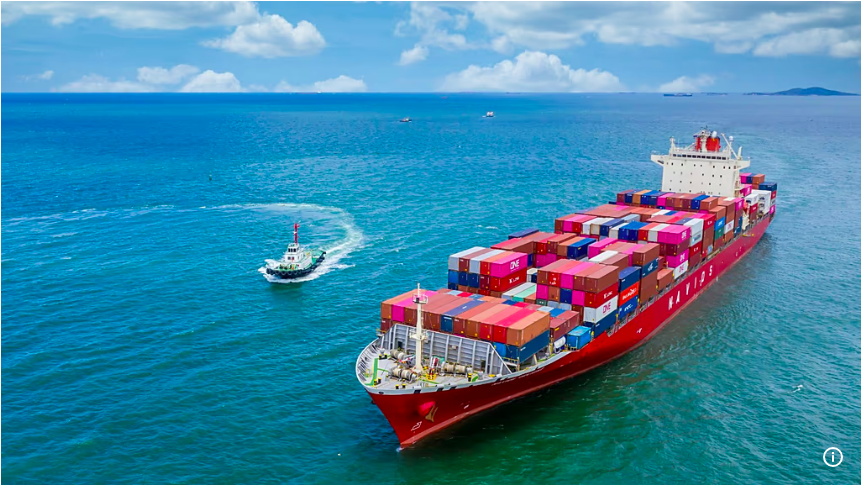
The Hidden Cost of International Trade and the Countries Left Behind
International trade is often celebrated as one of the engines of modern prosperity. From smartphones assembled across multiple continents to affordable food imports that fill supermarket shelves, global commerce has become the backbone of the interconnected world we live in today. Yet, beneath the promises of economic growth and integration, trade carries with it a set of hidden costs — costs that are disproportionately borne by the world’s poorest and most vulnerable nations.
While trade can be a powerful tool for addressing global challenges, such as poverty reduction and access to essential goods, it also contributes to widening inequality. The imbalance in the way benefits and burdens are distributed between countries raises pressing questions about the fairness and sustainability of the current system.
Register for Tekedia Mini-MBA edition 20 (June 8 – Sept 5, 2026).
Register for Tekedia AI in Business Masterclass.
Join Tekedia Capital Syndicate and co-invest in great global startups.
Register for Tekedia AI Lab.
Trade’s Uneven Footprint
Dr. Arunima Malik, an associate professor in sustainability at the University of Sydney, recently co-authored a groundbreaking study that examined how international trade impacts the United Nations’ Sustainable Development Goals (SDGs). Published in Nature Sustainability and awarded the prestigious Frontiers Planet Prize, the research traced 12 environmental and social indicators across nearly three decades, between 1990 and 2018.
The findings are sobering. Trade has helped in two key areas: alleviating poverty and improving decent work opportunities. In these domains, global commerce has reduced material hardship and supported economic inclusion for millions of people. However, the story is far less positive in other areas.

Across ten out of the twelve indicators studied — including greenhouse gas emissions, air pollution, biodiversity loss, water shortages, and land use changes — trade was found to deepen inequality between rich and poor countries. In effect, while advanced economies enjoy the fruits of global consumption, the environmental and social costs are often outsourced to less wealthy nations.
This dynamic reflects a troubling reality: wealthier nations are improving their living standards while leaving behind a trail of ecological damage and human exploitation in the developing world.
The Price Paid by the Vulnerable

For countries heavily reliant on natural resource exports or cheap labor, the costs of global trade manifest in multiple forms. Industrial agriculture, often geared toward foreign markets, has driven deforestation, soil depletion, and water scarcity in parts of Africa, Latin America, and Asia. Workers in garment factories or electronic assembly plants frequently endure unsafe conditions, low wages, and limited labor protections — realities that starkly contrast with the improved consumer experiences enjoyed in wealthier importing nations.
The study highlights a broader truth: global trade has become a system where benefits are concentrated while risks are externalised. Developing countries pay the price for satisfying global consumption, yet they rarely reap proportional rewards. This imbalance undermines the principles of fairness, equity, and sustainability that international cooperation is supposed to uphold.
Why Fairer Trade Matters
In an era marked by climate change, geopolitical conflict, and rising inequality, international trade cannot be seen purely through the lens of economic growth. The climate crisis alone demonstrates how the environmental costs of trade transcend national borders. Carbon emissions generated by industrial supply chains do not remain in the exporting country — they contribute to a planetary emergency.
If trade continues to offload its hidden costs onto vulnerable regions, the trust needed for multilateralism will erode. Communities in poorer nations may come to view global commerce as a system that exploits rather than empowers, widening social divides and fuelling political instability.
A fairer trading system is therefore not only a moral imperative but also a practical necessity. Equitable trade strengthens social cohesion, bolsters resilience against global shocks, and creates the conditions for long-term prosperity.
Towards Trade That Works for Everyone
What would a fairer, more sustainable trade system look like? According to Dr. Malik and her colleagues, the first step is changing how we measure costs and benefits. Traditional production-based metrics — which focus on where goods are produced — often obscure the real impacts of global commerce. Instead, a consumption-based approach is needed.
By tracking the environmental and social consequences of what people consume, policymakers can better identify who bears responsibility and who shoulders the burdens. Such data could be critical for global initiatives like the United Nations’ Loss and Damage Fund, which aims to support countries disproportionately affected by climate change.
Beyond measurement, there must be accountability. Nations and corporations that prioritise equitable, sustainable practices should be rewarded through trade incentives, while those perpetuating exploitation or environmental harm must face consequences. This could involve stricter labor standards in trade agreements, carbon border adjustments, and transparent reporting requirements on supply chains.
Importantly, international trade must be reframed as a lever for achieving the UN’s Agenda 2030 goals. That means embedding sustainability, equity, and resilience into every negotiation and agreement. Trade deals should not undermine commitments to biodiversity protection, climate mitigation, or social justice — they should actively reinforce them.
A Call for Leadership
The path forward is clear but requires political will. World leaders must recognise that international trade is not an isolated economic tool but a central mechanism shaping the future of people and the planet. By redesigning trade systems to integrate equity and accountability, we can move towards a global economy that uplifts rather than divides.
Globalisation has already proven it can connect us. The challenge now is to ensure that this connection fosters shared prosperity rather than deepening divides. Trade must no longer be about extracting value from the weakest, but about building a system where every country, rich or poor, has a fair stake in progress.
Final Thoughts
The hidden costs of international trade remind us that economic growth, if not managed responsibly, can come at the expense of justice, sustainability, and human dignity. To leave no one behind, the world must act decisively to reimagine trade — as a force not just for profit, but for equity, resilience, and lasting prosperity.
Conclusion
International trade has the power to uplift nations, connect markets, and drive innovation. Yet, its hidden costs — from environmental degradation to social inequality — reveal the urgent need for reform. If trade continues to favour wealthy nations while offloading burdens onto poorer ones, the global economy risks becoming even more fractured and unjust.
The challenge for leaders is clear: reimagine trade as a system that balances prosperity with responsibility. By embedding equity, sustainability, and accountability into the rules of global commerce, trade can truly become a pathway to shared growth and resilience. Only then can we ensure that no country is left behind in the pursuit of progress.
Meta Description:
International trade fuels growth but often deepens inequality. Explore the hidden environmental and social costs, and why a fairer, more sustainable trade system is urgently needed.
Share this:
- Click to share on Facebook (Opens in new window) Facebook
- Click to share on X (Opens in new window) X
- Click to share on WhatsApp (Opens in new window) WhatsApp
- Click to share on LinkedIn (Opens in new window) LinkedIn
- Click to email a link to a friend (Opens in new window) Email
- Click to print (Opens in new window) Print