

Trump Slaps 50% Tariff on India Over Russian Oil Imports, Sparking Trade Tensions

Quote from Alex Bobby on August 7, 2025, 2:57 AM
Trump Orders India Tariff Hike to 50% for Buying Russian Oil: A New Trade Flashpoint
In a move that has sent shockwaves through global trade corridors, U.S. President Donald Trump has issued an executive order slapping an additional 25% tariff on Indian imports, raising the total duty to 50%—among the highest imposed by the United States. The decision, which comes into effect on August 27, is a direct response to India’s continued purchase of oil from Russia, despite ongoing efforts by the U.S. to isolate Moscow following its war in Ukraine.
The new tariffs target key Indian exports including textiles, gems and jewellery, auto parts, and seafood—sectors that collectively contribute to millions of jobs in India and represent a significant portion of its exports to the United States. However, electronics and pharmaceuticals have been spared, for now, from the increased duties.
A Hard Line on Russian Oil
Announcing the decision, the White House justified the action by emphasising that “the Russian Federation’s actions in Ukraine pose an ongoing threat to U.S. national security and foreign policy”, and that India’s imports of Russian oil “undermine U.S. efforts to counter Russia’s activities in Ukraine.”
President Trump, responding to a BBC journalist during a White House press event, said, “This is just the start. You’re going to see a lot more, so much secondary sanctions.” The administration further signalled that it would be monitoring other countries that continue to import Russian oil and would “recommend further actions” accordingly.
This aggressive stance comes on the heels of peace talks in Moscow, led by Trump’s top envoy, Steve Witkoff, aimed at negotiating an end to the Ukraine war. The dual-track strategy—diplomacy with one hand and economic pressure with the other—appears to reflect Trump’s characteristic hardball approach to foreign policy.
India Responds: "Unfair, Unjustified, Unreasonable"
India's foreign ministry was quick to respond with sharp criticism. In a brief but pointed statement, New Delhi reiterated its earlier stance, saying the U.S. action was “unfair, unjustified and unreasonable.”
“It is extremely unfortunate that the U.S. should choose to impose additional tariffs on India for actions that several other countries are also taking in their own national interest,” the ministry noted. It added that India would take all necessary steps to protect its national interests.
New Delhi has long defended its energy ties with Russia, arguing that its imports have helped stabilise global markets, especially after traditional suppliers diverted resources to Europe following the Ukraine war. A spokesperson had earlier pointed out that the U.S. itself encouraged India to import Russian gas at the start of the conflict.
Trade Relations in Turmoil
The implications of this tariff hike could be dire for India's economy. According to the Federation of Indian Export Organisations (FIEO), the new tariffs will impact over 55% of India's exports to the U.S., making goods significantly costlier for American consumers and potentially cutting U.S.-bound exports by 40–50%, as estimated by the Delhi-based Global Trade Research Initiative (GTRI).
Ajay Srivastava, a former Indian trade official and GTRI’s current head, urged restraint from the Indian government, stating, “India should remain calm, avoid retaliation for at least six months, and recognise that meaningful trade negotiations with the U.S. cannot proceed under threats or mistrust.”
Despite the U.S. being India’s largest trading partner, tensions have flared under Trump's presidency. While both leaders—Trump and Indian Prime Minister Narendra Modi—have publicly expressed friendship and cooperation, including high-profile visits and rallies in each other’s countries, this latest move suggests that strategic interests are beginning to override political camaraderie.
Double Standards?
Critics have pointed out the apparent double standards in the Trump administration’s approach. Despite severe sanctions and public condemnation of Moscow, the U.S. itself traded $3.5 billion worth of goods with Russia in the past year. This has raised questions in New Delhi and elsewhere about the selectivity of U.S. foreign policy enforcement.
India is not alone in continuing its energy ties with Russia. Other major importers like China and Turkey have also maintained strong purchase volumes, yet so far India appears to be the primary target of this latest round of U.S. tariffs.
The situation is further complicated by Trump's broader threat to impose 100% tariffs on countries that continue to buy Russian oil, potentially setting up a wider economic showdown with multiple American allies and partners.
What Comes Next?
If Trump follows through with further secondary sanctions and tariff hikes, the global trade system could be in for a major reshuffling. For India, the decision is a significant setback, especially as it tries to ramp up exports and position itself as a global manufacturing hub.
The road ahead will likely require careful diplomacy and economic recalibration. India may need to explore alternative export markets or renegotiate trade terms with the U.S. once tensions subside. Until then, businesses in both countries are bracing for uncertainty.
Final Thought
Trump’s tariff hike on Indian imports marks a dramatic escalation in the global fallout from the Russia-Ukraine war. While the aim may be to isolate Moscow, Washington’s decision risks alienating key allies, disrupting global supply chains, and injecting new volatility into an already fragile international economy. The next few months will test not just the strength of U.S.-India relations, but the broader resilience of multilateral trade itself.
Meta Description:
U.S. President Donald Trump has imposed a 50% tariff on Indian imports in response to Delhi’s continued purchase of Russian oil. India calls the move “unfair and unreasonable” as key export sectors brace for impact.
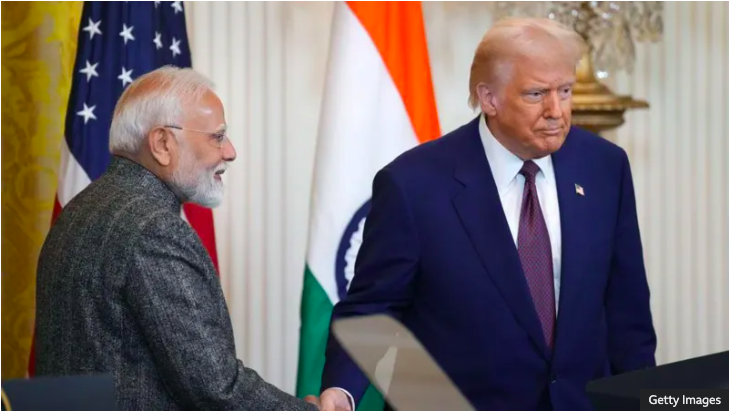
Trump Orders India Tariff Hike to 50% for Buying Russian Oil: A New Trade Flashpoint
In a move that has sent shockwaves through global trade corridors, U.S. President Donald Trump has issued an executive order slapping an additional 25% tariff on Indian imports, raising the total duty to 50%—among the highest imposed by the United States. The decision, which comes into effect on August 27, is a direct response to India’s continued purchase of oil from Russia, despite ongoing efforts by the U.S. to isolate Moscow following its war in Ukraine.
The new tariffs target key Indian exports including textiles, gems and jewellery, auto parts, and seafood—sectors that collectively contribute to millions of jobs in India and represent a significant portion of its exports to the United States. However, electronics and pharmaceuticals have been spared, for now, from the increased duties.
Register for Tekedia Mini-MBA edition 20 (June 8 – Sept 5, 2026).
Register for Tekedia AI in Business Masterclass.
Join Tekedia Capital Syndicate and co-invest in great global startups.
Register for Tekedia AI Lab.
A Hard Line on Russian Oil
Announcing the decision, the White House justified the action by emphasising that “the Russian Federation’s actions in Ukraine pose an ongoing threat to U.S. national security and foreign policy”, and that India’s imports of Russian oil “undermine U.S. efforts to counter Russia’s activities in Ukraine.”
President Trump, responding to a BBC journalist during a White House press event, said, “This is just the start. You’re going to see a lot more, so much secondary sanctions.” The administration further signalled that it would be monitoring other countries that continue to import Russian oil and would “recommend further actions” accordingly.

This aggressive stance comes on the heels of peace talks in Moscow, led by Trump’s top envoy, Steve Witkoff, aimed at negotiating an end to the Ukraine war. The dual-track strategy—diplomacy with one hand and economic pressure with the other—appears to reflect Trump’s characteristic hardball approach to foreign policy.
India Responds: "Unfair, Unjustified, Unreasonable"
India's foreign ministry was quick to respond with sharp criticism. In a brief but pointed statement, New Delhi reiterated its earlier stance, saying the U.S. action was “unfair, unjustified and unreasonable.”

“It is extremely unfortunate that the U.S. should choose to impose additional tariffs on India for actions that several other countries are also taking in their own national interest,” the ministry noted. It added that India would take all necessary steps to protect its national interests.
New Delhi has long defended its energy ties with Russia, arguing that its imports have helped stabilise global markets, especially after traditional suppliers diverted resources to Europe following the Ukraine war. A spokesperson had earlier pointed out that the U.S. itself encouraged India to import Russian gas at the start of the conflict.
Trade Relations in Turmoil
The implications of this tariff hike could be dire for India's economy. According to the Federation of Indian Export Organisations (FIEO), the new tariffs will impact over 55% of India's exports to the U.S., making goods significantly costlier for American consumers and potentially cutting U.S.-bound exports by 40–50%, as estimated by the Delhi-based Global Trade Research Initiative (GTRI).
Ajay Srivastava, a former Indian trade official and GTRI’s current head, urged restraint from the Indian government, stating, “India should remain calm, avoid retaliation for at least six months, and recognise that meaningful trade negotiations with the U.S. cannot proceed under threats or mistrust.”
Despite the U.S. being India’s largest trading partner, tensions have flared under Trump's presidency. While both leaders—Trump and Indian Prime Minister Narendra Modi—have publicly expressed friendship and cooperation, including high-profile visits and rallies in each other’s countries, this latest move suggests that strategic interests are beginning to override political camaraderie.
Double Standards?
Critics have pointed out the apparent double standards in the Trump administration’s approach. Despite severe sanctions and public condemnation of Moscow, the U.S. itself traded $3.5 billion worth of goods with Russia in the past year. This has raised questions in New Delhi and elsewhere about the selectivity of U.S. foreign policy enforcement.
India is not alone in continuing its energy ties with Russia. Other major importers like China and Turkey have also maintained strong purchase volumes, yet so far India appears to be the primary target of this latest round of U.S. tariffs.
The situation is further complicated by Trump's broader threat to impose 100% tariffs on countries that continue to buy Russian oil, potentially setting up a wider economic showdown with multiple American allies and partners.
What Comes Next?
If Trump follows through with further secondary sanctions and tariff hikes, the global trade system could be in for a major reshuffling. For India, the decision is a significant setback, especially as it tries to ramp up exports and position itself as a global manufacturing hub.
The road ahead will likely require careful diplomacy and economic recalibration. India may need to explore alternative export markets or renegotiate trade terms with the U.S. once tensions subside. Until then, businesses in both countries are bracing for uncertainty.
Final Thought
Trump’s tariff hike on Indian imports marks a dramatic escalation in the global fallout from the Russia-Ukraine war. While the aim may be to isolate Moscow, Washington’s decision risks alienating key allies, disrupting global supply chains, and injecting new volatility into an already fragile international economy. The next few months will test not just the strength of U.S.-India relations, but the broader resilience of multilateral trade itself.
Meta Description:
U.S. President Donald Trump has imposed a 50% tariff on Indian imports in response to Delhi’s continued purchase of Russian oil. India calls the move “unfair and unreasonable” as key export sectors brace for impact.
Share this:
- Click to share on Facebook (Opens in new window) Facebook
- Click to share on X (Opens in new window) X
- Click to share on WhatsApp (Opens in new window) WhatsApp
- Click to share on LinkedIn (Opens in new window) LinkedIn
- Click to email a link to a friend (Opens in new window) Email
- Click to print (Opens in new window) Print