

Trump’s Tariffs Threaten to Disrupt South Korea’s Booming K-Beauty Exports to the US

Quote from Alex Bobby on August 3, 2025, 7:50 AM
How South Korea's K-Beauty Industry Is Being Hit by Trump Tariffs
Why America’s love affair with Korean skincare may soon face a harsh realitySouth Korea’s sleek cars and cutting-edge smartphones may dominate headlines when it comes to trade, but tucked quietly behind them is a cultural export that has captured hearts — and faces — around the world: K-beauty.
K-beauty, shorthand for the skincare and cosmetics industry hailing from South Korea, has become a global phenomenon. Known for its innovative formulas, gentle ingredients, and affordable price tags, the industry has experienced a meteoric rise in international markets — with the United States being one of its most loyal fans. In 2024 alone, American consumers spent an estimated $1.7 billion on Korean beauty products, a stunning 50% increase from the previous year.
But that growth may soon hit a wall.
Trump's Tariff Strike: 15% on South Korean Imports
Former U.S. President Donald Trump, amid his return to hardline trade policies, has imposed a 15% import tax on South Korean goods entering the American market. While not as high as the originally proposed 25%, the tariff still casts a shadow over one of the most beloved corners of Korean commerce. And for beauty brands, the timing couldn't be worse.
As prices begin to rise, K-beauty risks losing one of its strongest competitive edges — affordability.
“Skincare is no longer a luxury, it’s a lifestyle,” says Pearl Mak, a 27-year-old graphic designer based in California. “95% of my skincare routine is K-beauty. If prices go up significantly, I’ll have to cut back.”
Mak, like many young consumers in the U.S., was introduced to K-beauty by friends and social media influencers. With glass-skin tutorials, ingredient explainers, and haul videos flooding platforms like TikTok and YouTube, Korean skincare has carved out an identity not just as a product category, but a cultural movement. The rise of K-dramas and K-pop has only amplified this soft-power influence, turning Korean brands into household names thousands of miles away from Seoul.
Why K-Beauty Works — And Why Americans Love It
K-beauty’s core appeal lies in its distinctive philosophy. It favours prevention over cure, hydration over harsh exfoliation, and layering over quick fixes. The products often feature unique ingredients like snail mucin, heartless, ginseng, propolis, and fermented rice — elements rooted in both science and centuries-old traditions.
Moreover, the design and packaging often cater to aesthetic preferences, making the products feel luxurious despite their relatively lower cost. For budget-conscious but skin-savvy shoppers, that combination is gold.
But that gold may now come at a higher price.
Industry Fears and Strategic Shifts
For many South Korean beauty brands, the U.S. market represents both a revenue stream and a repetitional milestone. A strong American presence can lead to increased global visibility and lucrative partnerships. The tariffs are likely to force companies to rethink pricing, logistics, and even their long-term strategies.
“Small and mid-sized K-beauty companies will be hit the hardest,” warns Ji-yeon Kim, a Seoul-based beauty industry analyst. “They often operate with slim margins and can’t absorb a 15% tax without either raising prices or cutting corners.”
Larger conglomerates may try to move production or assembly closer to the U.S. to avoid some of the tariff costs — but that process takes time and capital. Others may shift focus to less regulated markets in Southeast Asia or the Middle East.
Meanwhile, some American retailers and consumers are already stockpiling popular Korean skincare products, anticipating a spike in prices or a dip in availability.
Tariffs Meet TikTok: The Culture vs. Commerce Clash
This isn’t the first time K-beauty has faced geopolitical tension. However, with its current deep integration into Western consumer culture, this round of trade wars feels more personal.
TikTok skincare influencers are already voicing concerns, with creators warning they’re followers about price hikes and offering dupe alternatives. Hashtags like #kbeautytariff and #savekbeauty have begun gaining traction, underscoring how deeply embedded these products are in the daily lives of their users.
What remains to be seen is how loyal the American customer base will be if K-beauty products begin approaching — or exceeding — the prices of their Western rivals. Will ingredient innovation and gentle formulas be enough to retain users in a higher-cost market?
Looking Forward
As brands strategise and consumers brace for change, the next chapter of K-beauty may look very different — but it’s unlikely to disappear. Whether through innovation in logistics, smarter partnerships, or even political pushback, the K-beauty wave is not easy to wash away. For now, enthusiasts might want to stock up on their holy-grail serums — just in case.
Final Thought
K-beauty has become more than just a trend — it’s a staple in the daily routines of millions around the world, especially in the United States. The new Trump-era tariffs may shake up the industry, but they also reveal just how deeply this Korean export has embedded itself into global culture. Whether through resilience, adaptation, or consumer advocacy, K-beauty is likely to weather this storm — because glowing skin, after all, knows no borders.
Conclusion
K-beauty isn’t just another export caught in the crossfire of a tariff war — it’s a testament to how culture, science, and commerce can intersect to create something globally resonant. The Trump administration’s new trade stance might slow down its momentum, but K-beauty’s roots run deep — not just in South Korea, but in vanities, bathroom cabinets, and shopping carts across America.
Meta Description:
Trump’s new 15% tariff on South Korean imports could hit K-beauty fans hard, threatening rising prices and shifting strategies in the billion-dollar industry.
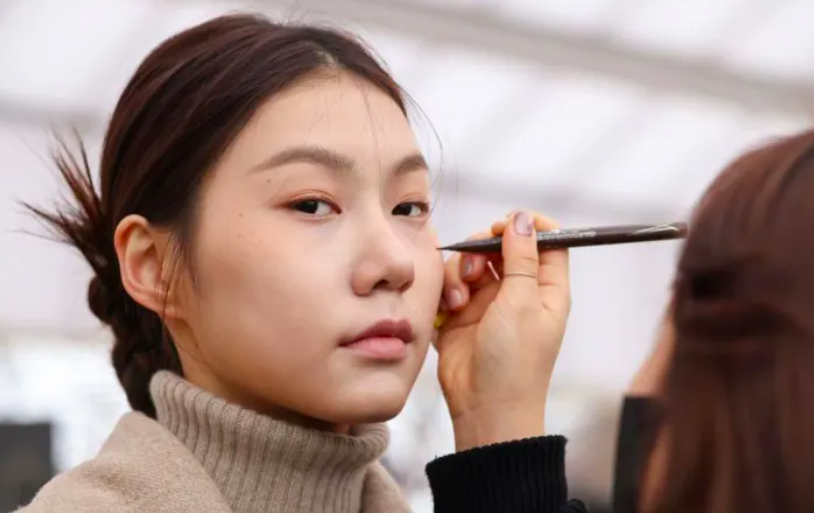
How South Korea's K-Beauty Industry Is Being Hit by Trump Tariffs
Why America’s love affair with Korean skincare may soon face a harsh reality
South Korea’s sleek cars and cutting-edge smartphones may dominate headlines when it comes to trade, but tucked quietly behind them is a cultural export that has captured hearts — and faces — around the world: K-beauty.
K-beauty, shorthand for the skincare and cosmetics industry hailing from South Korea, has become a global phenomenon. Known for its innovative formulas, gentle ingredients, and affordable price tags, the industry has experienced a meteoric rise in international markets — with the United States being one of its most loyal fans. In 2024 alone, American consumers spent an estimated $1.7 billion on Korean beauty products, a stunning 50% increase from the previous year.
Register for Tekedia Mini-MBA edition 20 (June 8 – Sept 5, 2026).
Register for Tekedia AI in Business Masterclass.
Join Tekedia Capital Syndicate and co-invest in great global startups.
Register for Tekedia AI Lab.
But that growth may soon hit a wall.
Trump's Tariff Strike: 15% on South Korean Imports
Former U.S. President Donald Trump, amid his return to hardline trade policies, has imposed a 15% import tax on South Korean goods entering the American market. While not as high as the originally proposed 25%, the tariff still casts a shadow over one of the most beloved corners of Korean commerce. And for beauty brands, the timing couldn't be worse.

As prices begin to rise, K-beauty risks losing one of its strongest competitive edges — affordability.
“Skincare is no longer a luxury, it’s a lifestyle,” says Pearl Mak, a 27-year-old graphic designer based in California. “95% of my skincare routine is K-beauty. If prices go up significantly, I’ll have to cut back.”
Mak, like many young consumers in the U.S., was introduced to K-beauty by friends and social media influencers. With glass-skin tutorials, ingredient explainers, and haul videos flooding platforms like TikTok and YouTube, Korean skincare has carved out an identity not just as a product category, but a cultural movement. The rise of K-dramas and K-pop has only amplified this soft-power influence, turning Korean brands into household names thousands of miles away from Seoul.

Why K-Beauty Works — And Why Americans Love It
K-beauty’s core appeal lies in its distinctive philosophy. It favours prevention over cure, hydration over harsh exfoliation, and layering over quick fixes. The products often feature unique ingredients like snail mucin, heartless, ginseng, propolis, and fermented rice — elements rooted in both science and centuries-old traditions.
Moreover, the design and packaging often cater to aesthetic preferences, making the products feel luxurious despite their relatively lower cost. For budget-conscious but skin-savvy shoppers, that combination is gold.
But that gold may now come at a higher price.
Industry Fears and Strategic Shifts
For many South Korean beauty brands, the U.S. market represents both a revenue stream and a repetitional milestone. A strong American presence can lead to increased global visibility and lucrative partnerships. The tariffs are likely to force companies to rethink pricing, logistics, and even their long-term strategies.
“Small and mid-sized K-beauty companies will be hit the hardest,” warns Ji-yeon Kim, a Seoul-based beauty industry analyst. “They often operate with slim margins and can’t absorb a 15% tax without either raising prices or cutting corners.”
Larger conglomerates may try to move production or assembly closer to the U.S. to avoid some of the tariff costs — but that process takes time and capital. Others may shift focus to less regulated markets in Southeast Asia or the Middle East.
Meanwhile, some American retailers and consumers are already stockpiling popular Korean skincare products, anticipating a spike in prices or a dip in availability.
Tariffs Meet TikTok: The Culture vs. Commerce Clash
This isn’t the first time K-beauty has faced geopolitical tension. However, with its current deep integration into Western consumer culture, this round of trade wars feels more personal.
TikTok skincare influencers are already voicing concerns, with creators warning they’re followers about price hikes and offering dupe alternatives. Hashtags like #kbeautytariff and #savekbeauty have begun gaining traction, underscoring how deeply embedded these products are in the daily lives of their users.
What remains to be seen is how loyal the American customer base will be if K-beauty products begin approaching — or exceeding — the prices of their Western rivals. Will ingredient innovation and gentle formulas be enough to retain users in a higher-cost market?
Looking Forward
As brands strategise and consumers brace for change, the next chapter of K-beauty may look very different — but it’s unlikely to disappear. Whether through innovation in logistics, smarter partnerships, or even political pushback, the K-beauty wave is not easy to wash away. For now, enthusiasts might want to stock up on their holy-grail serums — just in case.
Final Thought
K-beauty has become more than just a trend — it’s a staple in the daily routines of millions around the world, especially in the United States. The new Trump-era tariffs may shake up the industry, but they also reveal just how deeply this Korean export has embedded itself into global culture. Whether through resilience, adaptation, or consumer advocacy, K-beauty is likely to weather this storm — because glowing skin, after all, knows no borders.
Conclusion
K-beauty isn’t just another export caught in the crossfire of a tariff war — it’s a testament to how culture, science, and commerce can intersect to create something globally resonant. The Trump administration’s new trade stance might slow down its momentum, but K-beauty’s roots run deep — not just in South Korea, but in vanities, bathroom cabinets, and shopping carts across America.
Meta Description:
Trump’s new 15% tariff on South Korean imports could hit K-beauty fans hard, threatening rising prices and shifting strategies in the billion-dollar industry.
Share this:
- Click to share on Facebook (Opens in new window) Facebook
- Click to share on X (Opens in new window) X
- Click to share on WhatsApp (Opens in new window) WhatsApp
- Click to share on LinkedIn (Opens in new window) LinkedIn
- Click to email a link to a friend (Opens in new window) Email
- Click to print (Opens in new window) Print