

UK and Germany Sign Historic Treaty to Launch Direct London-to-Berlin Trains by 2030s

Quote from Alex Bobby on July 19, 2025, 2:12 AM
Direct London-to-Berlin Trains Move Closer Under New UK-Germany Treaty: A Greener Future on Track
In a historic move that could transform cross-border European travel, the United Kingdom and Germany have signed a groundbreaking treaty aimed at making direct train services between London and German cities—ultimately reaching Berlin—a reality within the next decade.
Signed on Thursday by German Chancellor Friedrich Merz and UK Prime Minister Sir Keir Starmer, the treaty marks the first of its kind between the two countries. Central to this agreement is a plan to dismantle the legal, technical, and logistical hurdles that have long obstructed seamless long-distance rail routes from the UK into continental Europe.
From Vision to Reality: Linking Capital Cities by Rail
At present, traveling from London to Frankfurt or Berlin by train requires multiple transfers and long journey times—up to 11 hours to Berlin and around eight to nine hours to Frankfurt. But under the new UK-Germany transport treaty, that could change dramatically. The two governments have committed to creating a joint Taskforce of transport experts to explore how to make high-speed, direct train connections a viable and competitive alternative to air travel.
Initial plans will prioritise routes connecting London to Frankfurt and Cologne—both key German transport hubs. These would operate similarly to current Eurostar services from London’s St Pancras International Station. As infrastructure, policies, and partnerships fall into place, the route would eventually extend to Berlin, unlocking a fast-track corridor between two of Europe’s most influential capitals.
A Sustainable Leap Forward
This ambitious rail initiative is not just about reducing journey times; it’s about reshaping how people travel across Europe. With aviation accounting for a growing portion of carbon emissions, governments and rail operators alike are turning to high-speed trains as a cleaner, more sustainable option.
Eurostar, the company behind the London-Paris and London-Brussels services, has already signalled a renewed focus on expanding its routes deeper into Europe. Earlier this year, it announced plans for direct services to Germany and Switzerland, touting it as the dawn of a “new golden age of international sustainable travel.”
These routes are expected to begin operation in the early 2030s, with the London-to-Frankfurt journey estimated to take just five hours—nearly halving the current travel time. A direct London-to-Berlin train could realistically become a preferred choice for business and leisure travellers alike, combining speed with comfort and eco-consciousness.
Political Will and Passenger Convenience
UK Transport Secretary Heidi Alexander hailed the treaty as a monumental step forward for European rail integration. “We're pioneering a new era of European rail connectivity and are determined to put Britain at the heart of a better-connected continent,” she said.
Alexander painted a vivid picture of future rail journeys: “The Brandenburg Gate, the Berlin Wall and Checkpoint Charlie—within just a few years, rail passengers in the UK could be able to visit these iconic sights directly from the comfort of a train.”
She emphasised that the treaty could “fundamentally change how millions of people travel between the two countries,” offering not only a quicker and more convenient option but also a significantly greener alternative to short-haul flights.
Beyond Trains: Streamlining Border Crossings and Youth Exchange
Another noteworthy provision in the treaty focuses on reducing friction at the border, especially for frequent travellers. Since the UK’s departure from the EU, British passengers have faced longer queues and manual passport checks at European airports. To address this, Germany will begin allowing some UK citizens to use e-gates at airports starting this summer.
The plan is to gradually expand this e-gate access to all UK travellers, potentially streamlining millions of trips annually. This would make flying and eventually train travel between the two nations smoother and less stressful—especially important in post-Brexit Europe.
Additionally, the treaty pledges to expand school exchange programs between the UK and Germany. This investment in young people seeks to strengthen cultural ties and create new opportunities for learning and friendship across borders, cementing long-term goodwill between the two nations.
The Road—or Rail—ahead
While significant progress has been made, much work lies ahead. The joint task-force will need to resolve complex issues around safety standards, commercial partnerships, and border control logistics. Aligning British and European regulations in a post-Brexit environment is no small feat. However, with political commitment and growing consumer demand for sustainable travel, the momentum appears strong.
What once seemed like a pipe dream—boarding a train in London and stepping off hours later in Berlin—now seems not just possible, but probable.
As Europe grapples with climate concerns and changing traveler expectations, this direct rail route stands as a powerful symbol of cooperation, innovation, and a greener future. The tracks are being laid—not just for trains, but for a new era of travel.
Final Thought
As the world seeks smarter and more sustainable ways to stay connected, the prospect of a direct London-to-Berlin train is more than just a transportation upgrade—it’s a powerful symbol of progress. With political will, technical innovation, and public demand aligned, this vision may soon become a reality, reshaping how we think about travel, climate, and cooperation across borders. The journey ahead begins on the tracks we lay today.
Conclusion
The new UK-Germany treaty marks a bold and forward-thinking shift in how two of Europe’s leading nations envision travel, sustainability, and cooperation in a post-Brexit world. With the promise of direct London-to-Berlin trains on the horizon, millions of travellers may soon enjoy a faster, greener, and more convenient alternative to air travel. Beyond just a transport agreement, this initiative reflects a deeper commitment to climate responsibility, seamless connectivity, and renewed cultural exchange. If successful, it could redefine cross-border mobility in Europe—and set the standard for international rail travel in the 21st century.
Meta Description:
A new UK-Germany treaty paves the way for direct London-to-Berlin trains, promising faster, greener travel by the 2030s. Discover how this historic agreement could transform European rail connectivity.
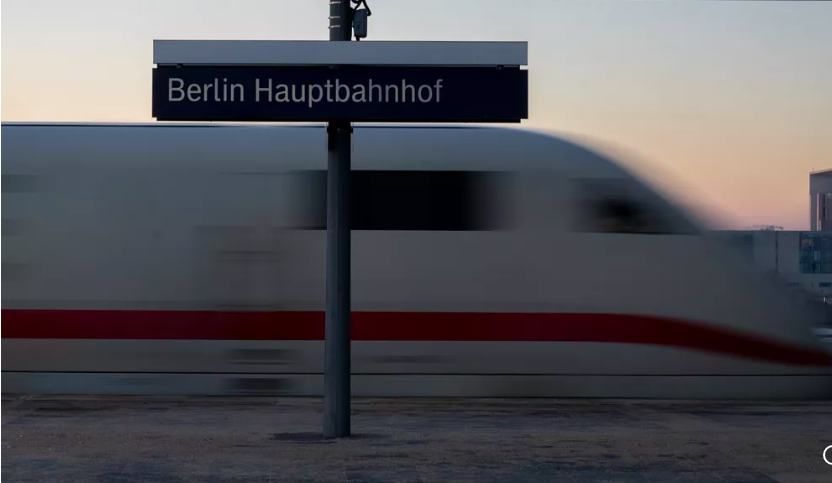
Direct London-to-Berlin Trains Move Closer Under New UK-Germany Treaty: A Greener Future on Track
In a historic move that could transform cross-border European travel, the United Kingdom and Germany have signed a groundbreaking treaty aimed at making direct train services between London and German cities—ultimately reaching Berlin—a reality within the next decade.
Signed on Thursday by German Chancellor Friedrich Merz and UK Prime Minister Sir Keir Starmer, the treaty marks the first of its kind between the two countries. Central to this agreement is a plan to dismantle the legal, technical, and logistical hurdles that have long obstructed seamless long-distance rail routes from the UK into continental Europe.
Register for Tekedia Mini-MBA edition 20 (June 8 – Sept 5, 2026).
Register for Tekedia AI in Business Masterclass.
Join Tekedia Capital Syndicate and co-invest in great global startups.
Register for Tekedia AI Lab.
From Vision to Reality: Linking Capital Cities by Rail
At present, traveling from London to Frankfurt or Berlin by train requires multiple transfers and long journey times—up to 11 hours to Berlin and around eight to nine hours to Frankfurt. But under the new UK-Germany transport treaty, that could change dramatically. The two governments have committed to creating a joint Taskforce of transport experts to explore how to make high-speed, direct train connections a viable and competitive alternative to air travel.
Initial plans will prioritise routes connecting London to Frankfurt and Cologne—both key German transport hubs. These would operate similarly to current Eurostar services from London’s St Pancras International Station. As infrastructure, policies, and partnerships fall into place, the route would eventually extend to Berlin, unlocking a fast-track corridor between two of Europe’s most influential capitals.

A Sustainable Leap Forward
This ambitious rail initiative is not just about reducing journey times; it’s about reshaping how people travel across Europe. With aviation accounting for a growing portion of carbon emissions, governments and rail operators alike are turning to high-speed trains as a cleaner, more sustainable option.
Eurostar, the company behind the London-Paris and London-Brussels services, has already signalled a renewed focus on expanding its routes deeper into Europe. Earlier this year, it announced plans for direct services to Germany and Switzerland, touting it as the dawn of a “new golden age of international sustainable travel.”

These routes are expected to begin operation in the early 2030s, with the London-to-Frankfurt journey estimated to take just five hours—nearly halving the current travel time. A direct London-to-Berlin train could realistically become a preferred choice for business and leisure travellers alike, combining speed with comfort and eco-consciousness.
Political Will and Passenger Convenience
UK Transport Secretary Heidi Alexander hailed the treaty as a monumental step forward for European rail integration. “We're pioneering a new era of European rail connectivity and are determined to put Britain at the heart of a better-connected continent,” she said.
Alexander painted a vivid picture of future rail journeys: “The Brandenburg Gate, the Berlin Wall and Checkpoint Charlie—within just a few years, rail passengers in the UK could be able to visit these iconic sights directly from the comfort of a train.”
She emphasised that the treaty could “fundamentally change how millions of people travel between the two countries,” offering not only a quicker and more convenient option but also a significantly greener alternative to short-haul flights.
Beyond Trains: Streamlining Border Crossings and Youth Exchange
Another noteworthy provision in the treaty focuses on reducing friction at the border, especially for frequent travellers. Since the UK’s departure from the EU, British passengers have faced longer queues and manual passport checks at European airports. To address this, Germany will begin allowing some UK citizens to use e-gates at airports starting this summer.
The plan is to gradually expand this e-gate access to all UK travellers, potentially streamlining millions of trips annually. This would make flying and eventually train travel between the two nations smoother and less stressful—especially important in post-Brexit Europe.
Additionally, the treaty pledges to expand school exchange programs between the UK and Germany. This investment in young people seeks to strengthen cultural ties and create new opportunities for learning and friendship across borders, cementing long-term goodwill between the two nations.
The Road—or Rail—ahead
While significant progress has been made, much work lies ahead. The joint task-force will need to resolve complex issues around safety standards, commercial partnerships, and border control logistics. Aligning British and European regulations in a post-Brexit environment is no small feat. However, with political commitment and growing consumer demand for sustainable travel, the momentum appears strong.
What once seemed like a pipe dream—boarding a train in London and stepping off hours later in Berlin—now seems not just possible, but probable.
As Europe grapples with climate concerns and changing traveler expectations, this direct rail route stands as a powerful symbol of cooperation, innovation, and a greener future. The tracks are being laid—not just for trains, but for a new era of travel.
Final Thought
As the world seeks smarter and more sustainable ways to stay connected, the prospect of a direct London-to-Berlin train is more than just a transportation upgrade—it’s a powerful symbol of progress. With political will, technical innovation, and public demand aligned, this vision may soon become a reality, reshaping how we think about travel, climate, and cooperation across borders. The journey ahead begins on the tracks we lay today.
Conclusion
The new UK-Germany treaty marks a bold and forward-thinking shift in how two of Europe’s leading nations envision travel, sustainability, and cooperation in a post-Brexit world. With the promise of direct London-to-Berlin trains on the horizon, millions of travellers may soon enjoy a faster, greener, and more convenient alternative to air travel. Beyond just a transport agreement, this initiative reflects a deeper commitment to climate responsibility, seamless connectivity, and renewed cultural exchange. If successful, it could redefine cross-border mobility in Europe—and set the standard for international rail travel in the 21st century.
Meta Description:
A new UK-Germany treaty paves the way for direct London-to-Berlin trains, promising faster, greener travel by the 2030s. Discover how this historic agreement could transform European rail connectivity.
Share this:
- Click to share on Facebook (Opens in new window) Facebook
- Click to share on X (Opens in new window) X
- Click to share on WhatsApp (Opens in new window) WhatsApp
- Click to share on LinkedIn (Opens in new window) LinkedIn
- Click to email a link to a friend (Opens in new window) Email
- Click to print (Opens in new window) Print