

UN Plastic Treaty Talks Resume: Can Countries Finally Tackle the Global Plastic Crisis?

Quote from Alex Bobby on August 6, 2025, 9:31 AM
Countries Gather to Thrash Out Deal on 'Plastic Crisis' as Ocean Pollution Soars
In a world increasingly awash with plastic, the global community is once again at a crossroads. Delegates from around the world are meeting this week in Geneva under the auspices of the United Nations, attempting to hammer out what could be the world’s first legally binding treaty on plastic pollution. After two years of negotiations, expectations are mounting that real progress might finally be made—but the challenge remains immense.
A Miracle Product Turned Menace
Plastic was once heralded as a miracle material. Born from fossil fuels, synthetic plastics revolutionised manufacturing in the 20th century, providing a cheap, durable, and versatile substance that could be used in everything from water pipes to sterile medical equipment. Its ability to resist heat and decay made it essential across industries, and in many ways, it became synonymous with modernity.
Yet, this very durability has proved its greatest environmental curse.
Dr. Alice Horton, a research scientist at the UK’s National Oceanography Centre, notes the relatively short timeframe over which plastic has come to dominate human life. “There are people alive today who weren’t using plastics as children,” she explains. “That’s what makes this so concerning. It has exploded in such a way that we are using it in every application in our lives—and yet we are only just beginning to understand the consequences.”
The Scale of the Crisis
Since the early 1950s, global plastic production has soared from 2 million tonnes annually to 475 million tonnes in 2022. Shockingly, around 60% of all plastics produced are single-use, and just 10% of total plastic is successfully recycled. Much of the remainder ends up in landfills, incinerators, or worse—our oceans.
Scientists estimate that nearly 200 trillion pieces of plastic are currently floating in the world's oceans. Without intervention, this number could triple in the coming decades. As plastic waste accumulates, it poses an existential threat to marine life and ecosystems.
Wildlife such as turtles, seabirds, and fish frequently mistake floating plastic for food, with often deadly consequences. Zaynab Sadan, global plastics policy lead at the World Wildlife Fund (WWF), explains: “They can confuse it as food, which then harms their internal organs and also can lead to fatalities, because of digestion difficulties.”
In addition, plastic waste—particularly fishing gear and packaging—can entangle marine animals, trapping or maiming them. As plastic degrades, it fragments into micro-plastics, minuscule particles that have now been detected from ocean trenches to mountaintops and even in human blood, lungs, and placentas.
Hidden Human Costs
While the visual pollution of plastic is jarring, its invisible health impacts may be even more serious. A new report from The Lancet Countdown describes plastics as a “grave, growing and under-recognised danger” to human health.
Micro-plastics are now known to carry a variety of toxic chemicals, including endocrine disruptors and carcinogens. As they are absorbed into bodily tissues, they may cause inflammation, immune disruption, and even cellular damage. “When we get accumulation of plastic in tissues, we start seeing inflammation, cell damage, hormonal changes,” Dr. Horton warns. “It may not immediately kill the organism, but over time it leads to them becoming weaker, sicker, and more vulnerable to disease.”
The economic burden is staggering too. The Lancet estimates that the plastic crisis is responsible for at least $1.5 trillion annually in health-related damages.
Can Global Leaders Finally Agree?
In 2022, the international community committed to developing a legally binding treaty to tackle plastic waste and the harmful chemicals associated with it. Yet, after multiple rounds of talks, progress has been halting. Lobbying by petrochemical and plastics industry stakeholders has slowed negotiations, while disagreements between developed and developing nations persist.
The stakes are high. The Geneva talks this week may represent one of the last chances to put the world on a course toward sustainable plastic use. Some countries are pushing for global caps on plastic production, similar to emission limits in climate treaties. Others advocate for phasing out toxic additives and boosting investment in waste management infrastructure, particularly in low-income regions where recycling is scarce.
Advocates hope the treaty will include provisions for:
- Limiting plastic production to essential uses only.
- Phasing out single-use plastics.
- Boosting recycling capacity and technology transfers to poorer nations.
- Eliminating toxic chemicals in plastic manufacturing.
- Holding corporations accountable for plastic waste.
However, reaching consensus will not be easy. The powerful oil and gas industries—whose byproducts form the basis of most plastics—are watching closely. Plastics represent a critical fallback market as global energy demand begins to shift toward renewables.
The Road Ahead
Time is of the essence. The longer the world delays, the deeper the crisis grows. Plastic waste doesn’t decompose in any meaningful human timescale—it just breaks apart and spreads. Without binding international action, the vision of oceans choked with waste, coral reefs blanketed in plastic fibres, and micro-plastics embedded in every organism may soon become an irreversible reality.
Yet hope remains. This week’s summit in Geneva could mark the turning point. With the eyes of the world on them, policymakers must rise to the challenge. As Zaynab Sadan puts it: “We’ve seen the damage plastic can do. Now we have to decide—do we keep letting it happen, or do we finally act?”
Final Thought:
Plastic may have been one of humanity’s greatest inventions—but without swift and unified action, it could become one of our most devastating legacies.
Conclusion
The global plastic crisis is no longer a looming threat—it is a present and accelerating emergency. From the deepest parts of the ocean to the air we breathe, plastic pollution has infiltrated every corner of our planet and is now threatening ecosystems, wildlife, and human health alike.
This week’s UN conference in Geneva represents a critical opportunity for world leaders to move beyond rhetoric and into meaningful action. A strong, legally binding treaty could be the turning point needed to curb the overproduction of plastic, eliminate harmful chemicals, and finally hold corporations accountable for the waste they generate.
But time is running out. Without decisive, unified action, the plastic tide will continue to rise—slowly suffocating the Earth in the very substance that once symbolised human innovation. The question now is: will nations have the political will to rewrite the future—or allow the plastic crisis to write it for us?
Meta Description:
As nations meet in Geneva to negotiate a global plastics treaty, experts warn of growing environmental and health threats. Could this be the moment the world finally acts?
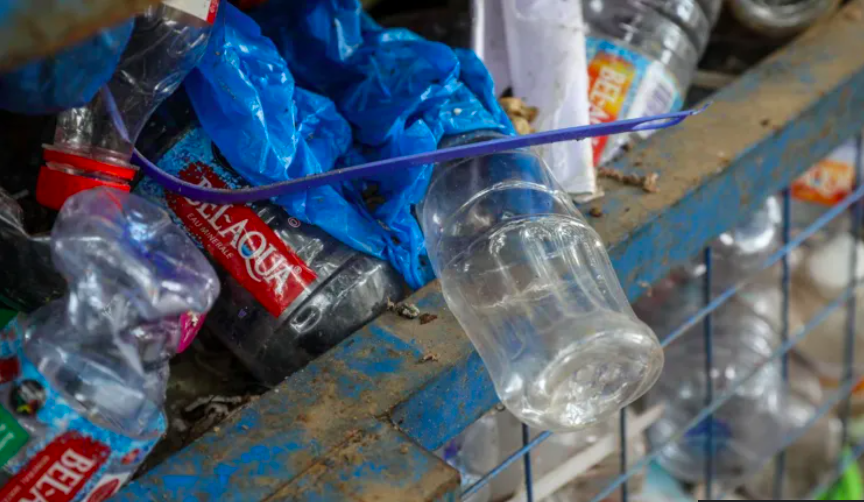
Countries Gather to Thrash Out Deal on 'Plastic Crisis' as Ocean Pollution Soars
In a world increasingly awash with plastic, the global community is once again at a crossroads. Delegates from around the world are meeting this week in Geneva under the auspices of the United Nations, attempting to hammer out what could be the world’s first legally binding treaty on plastic pollution. After two years of negotiations, expectations are mounting that real progress might finally be made—but the challenge remains immense.
A Miracle Product Turned Menace
Register for the next Tekedia Mini-MBA.
Register for Tekedia AI in Business Masterclass.
Join Tekedia Capital Syndicate and co-invest in great global startups.
Plastic was once heralded as a miracle material. Born from fossil fuels, synthetic plastics revolutionised manufacturing in the 20th century, providing a cheap, durable, and versatile substance that could be used in everything from water pipes to sterile medical equipment. Its ability to resist heat and decay made it essential across industries, and in many ways, it became synonymous with modernity.
Yet, this very durability has proved its greatest environmental curse.
Dr. Alice Horton, a research scientist at the UK’s National Oceanography Centre, notes the relatively short timeframe over which plastic has come to dominate human life. “There are people alive today who weren’t using plastics as children,” she explains. “That’s what makes this so concerning. It has exploded in such a way that we are using it in every application in our lives—and yet we are only just beginning to understand the consequences.”

The Scale of the Crisis
Since the early 1950s, global plastic production has soared from 2 million tonnes annually to 475 million tonnes in 2022. Shockingly, around 60% of all plastics produced are single-use, and just 10% of total plastic is successfully recycled. Much of the remainder ends up in landfills, incinerators, or worse—our oceans.
Scientists estimate that nearly 200 trillion pieces of plastic are currently floating in the world's oceans. Without intervention, this number could triple in the coming decades. As plastic waste accumulates, it poses an existential threat to marine life and ecosystems.

Wildlife such as turtles, seabirds, and fish frequently mistake floating plastic for food, with often deadly consequences. Zaynab Sadan, global plastics policy lead at the World Wildlife Fund (WWF), explains: “They can confuse it as food, which then harms their internal organs and also can lead to fatalities, because of digestion difficulties.”
In addition, plastic waste—particularly fishing gear and packaging—can entangle marine animals, trapping or maiming them. As plastic degrades, it fragments into micro-plastics, minuscule particles that have now been detected from ocean trenches to mountaintops and even in human blood, lungs, and placentas.
Hidden Human Costs
While the visual pollution of plastic is jarring, its invisible health impacts may be even more serious. A new report from The Lancet Countdown describes plastics as a “grave, growing and under-recognised danger” to human health.
Micro-plastics are now known to carry a variety of toxic chemicals, including endocrine disruptors and carcinogens. As they are absorbed into bodily tissues, they may cause inflammation, immune disruption, and even cellular damage. “When we get accumulation of plastic in tissues, we start seeing inflammation, cell damage, hormonal changes,” Dr. Horton warns. “It may not immediately kill the organism, but over time it leads to them becoming weaker, sicker, and more vulnerable to disease.”
The economic burden is staggering too. The Lancet estimates that the plastic crisis is responsible for at least $1.5 trillion annually in health-related damages.
Can Global Leaders Finally Agree?
In 2022, the international community committed to developing a legally binding treaty to tackle plastic waste and the harmful chemicals associated with it. Yet, after multiple rounds of talks, progress has been halting. Lobbying by petrochemical and plastics industry stakeholders has slowed negotiations, while disagreements between developed and developing nations persist.
The stakes are high. The Geneva talks this week may represent one of the last chances to put the world on a course toward sustainable plastic use. Some countries are pushing for global caps on plastic production, similar to emission limits in climate treaties. Others advocate for phasing out toxic additives and boosting investment in waste management infrastructure, particularly in low-income regions where recycling is scarce.
Advocates hope the treaty will include provisions for:
- Limiting plastic production to essential uses only.
- Phasing out single-use plastics.
- Boosting recycling capacity and technology transfers to poorer nations.
- Eliminating toxic chemicals in plastic manufacturing.
- Holding corporations accountable for plastic waste.
However, reaching consensus will not be easy. The powerful oil and gas industries—whose byproducts form the basis of most plastics—are watching closely. Plastics represent a critical fallback market as global energy demand begins to shift toward renewables.
The Road Ahead
Time is of the essence. The longer the world delays, the deeper the crisis grows. Plastic waste doesn’t decompose in any meaningful human timescale—it just breaks apart and spreads. Without binding international action, the vision of oceans choked with waste, coral reefs blanketed in plastic fibres, and micro-plastics embedded in every organism may soon become an irreversible reality.
Yet hope remains. This week’s summit in Geneva could mark the turning point. With the eyes of the world on them, policymakers must rise to the challenge. As Zaynab Sadan puts it: “We’ve seen the damage plastic can do. Now we have to decide—do we keep letting it happen, or do we finally act?”
Final Thought:
Plastic may have been one of humanity’s greatest inventions—but without swift and unified action, it could become one of our most devastating legacies.
Conclusion
The global plastic crisis is no longer a looming threat—it is a present and accelerating emergency. From the deepest parts of the ocean to the air we breathe, plastic pollution has infiltrated every corner of our planet and is now threatening ecosystems, wildlife, and human health alike.
This week’s UN conference in Geneva represents a critical opportunity for world leaders to move beyond rhetoric and into meaningful action. A strong, legally binding treaty could be the turning point needed to curb the overproduction of plastic, eliminate harmful chemicals, and finally hold corporations accountable for the waste they generate.
But time is running out. Without decisive, unified action, the plastic tide will continue to rise—slowly suffocating the Earth in the very substance that once symbolised human innovation. The question now is: will nations have the political will to rewrite the future—or allow the plastic crisis to write it for us?
Meta Description:
As nations meet in Geneva to negotiate a global plastics treaty, experts warn of growing environmental and health threats. Could this be the moment the world finally acts?
Share this:
- Click to share on Facebook (Opens in new window) Facebook
- Click to share on X (Opens in new window) X
- Click to share on WhatsApp (Opens in new window) WhatsApp
- Click to share on LinkedIn (Opens in new window) LinkedIn
- Click to email a link to a friend (Opens in new window) Email
- Click to print (Opens in new window) Print