

US-Deported Migrants Sue Ghana Government Over Alleged Illegal Detention

Quote from Alex Bobby on September 19, 2025, 4:06 AM
Legal Storm Brews as Eleven US-Deported Migrants Sue Ghanaian Government Over Detention
Accusations of unlawful detention are rocking Ghana’s political and legal landscape after eleven people who were deported from the United States and subsequently detained in Ghana filed a lawsuit against their own government. The case, brought to light by their lawyer, Oliver-Barker Vormawor, has ignited heated debate over human rights, international agreements, and Ghana’s domestic legal obligations.
The controversy touches on not just Ghana’s sovereignty, but also its commitment to the rule of law, transparency, and the protection of citizens and non-citizens alike on its soil. It also comes at a time of rising concern over the United States’ increasingly aggressive deportation policies under the administration of former President Donald Trump.
Background: From US Detention to Ghanaian Custody
According to legal papers filed in court, the eleven individuals were first held in a US detention facility before being forcibly deported on a military cargo aircraft. They were reportedly shackled during transit. Upon arrival in Ghana, instead of being processed as free individuals, they were immediately taken to a military camp, where they remain in custody.
Vormawor, a prominent Ghanaian lawyer and activist, told the BBC that the detainees had not violated any Ghanaian laws and that their ongoing detention had no legal basis. He is petitioning the court to compel the government to produce the group and explain why they are being held against their will.
“This is not just about the rights of these eleven individuals,” Vormawor argued. “It’s about ensuring that no government can bypass the courts and arbitrarily detain people who have committed no crime under Ghanaian law.”
A Growing Political and Legal Dispute
The Ghanaian government has not officially commented on the lawsuit, but it has previously stated that it plans to accept another 40 deportees from the United States. That plan has triggered political tension within Ghana, with opposition Members of Parliament (MPs) demanding that the deportation deal be immediately suspended.
Opposition lawmakers argue that any such agreement requires ratification by parliament before implementation, as stipulated under Ghanaian law. They say the government acted unilaterally and possibly in violation of constitutional procedures by accepting the deportees without parliamentary approval.
The legal dispute is also exposing apparent contradictions within Ghana’s own executive branch. Last week, President John Mahama stated that 14 deportees of West African origin had arrived in the country following an agreement with the US and had all been returned to their countries of origin.
However, Foreign Minister Samuel Okudzeto Ablakwa contradicted the president, telling reporters that while “most” of the deportees had been returned, not all had. Vormawor’s court filing further challenges both statements, asserting that 11 of those deportees are still in Ghana — and still being held unlawfully.
Humanitarian or Complicity? A Question of Framing
In an attempt to manage the diplomatic optics, Ghana’s Foreign Minister was quoted by Reuters as saying the decision to accept the deportees was driven by “humanitarian principle and pan-African empathy.” He emphasized that the move “should not be misconstrued as an endorsement of the immigration policies of the Trump administration.”
This distinction is significant. Since Donald Trump assumed office in January, his government had vowed to pursue record-level deportations of migrants living illegally in the US. Many of these deportations have been criticized internationally for being excessively forceful and disruptive, often tearing families apart and returning people to unstable conditions.
For Ghana to be seen as collaborating with these policies could undermine its human rights reputation within Africa and internationally. At the same time, refusing to accept deported individuals of Ghanaian or West African origin could risk diplomatic friction with Washington.
Multiple Legal Fronts: Lawsuits Against Ghana and the US
The legal challenges are not confined to Ghana alone. Five of the detainees — three Nigerians and two Gambians — have also sued the US government, arguing that they were protected by a court order and should not have been deported in the first place. Their legal team claims the US violated their due process rights by removing them despite ongoing court proceedings that offered them protection from deportation.
This dual-front legal battle complicates matters further. If US courts find that the deportations were illegal, Ghana could face pressure to release and even compensate the detainees, as their detention would be based on an illegitimate deportation process. Conversely, if Ghana’s courts rule that their detention is illegal, it could force a public showdown between Ghana’s judiciary and its executive over the country’s obligations to foreign powers.
Broader Implications for Ghana’s Rule of Law
Beyond the fate of these eleven individuals, the case raises deeper questions about Ghana’s adherence to its own laws and international obligations. Legal scholars have noted that under Ghana’s constitution, individuals can only be detained on clear legal grounds, typically involving suspected criminal activity or a valid court order.
None of these conditions appear to apply to the deportees, according to Vormawor’s filings. If the government cannot demonstrate a legal basis for their detention, it could be in violation of both domestic constitutional provisions and international human rights norms to which Ghana is a signatory.
The case could also test the independence of Ghana’s judiciary. Should the courts order the government to release the detainees, the administration will have to decide whether to comply or risk a constitutional crisis.
Final Thoughts: Between Law, Politics, and Humanity
The unfolding saga of the eleven deportees detained in Ghana stands as a stark reminder of how immigration policies reverberate far beyond borders, leaving real human lives entangled in layers of law, bureaucracy, and politics.
At the heart of this crisis are three competing realities:
- Legal principles — Ghana’s constitution demands that no person be detained without due process, while international law requires that deportations respect human rights and allow appeals.
- Governmental obligations — Ghana must balance humanitarian duty with national security concerns and diplomatic relations with powerful nations like the United States.
- Human suffering — Behind the paperwork and politics are men and women who lost their homes, families, and stability overnight, now living in fear and limbo.
This legal battle will likely test Ghana’s judiciary, the resilience of its democratic institutions, and its moral standing in the eyes of the world. The outcome could shape how the country responds to future mass deportations and how it navigates its role in global migration policy.
But beyond policy, what matters most is that Ghana — and the world — remember the humanity of those caught in the crossfire. These individuals are not statistics, bargaining chips, or diplomatic burdens. They are people who deserve dignity, clarity, and a chance to rebuild their lives.
How Ghana handles this moment will echo far beyond its borders. It will say whether the nation stands firmly by the rule of law — or bends to expedience at the cost of human rights.
Conclusion: A Defining Test for Ghana’s Democracy
As the lawsuit moves forward, it stands to become a landmark case with far-reaching consequences for Ghana’s democracy, its human rights record, and its international standing. It also highlights the human toll of global migration policies and the vulnerability of those caught between shifting political agendas on different continents.
Whether Ghana’s courts will uphold the rule of law and order the release of the detainees remains to be seen. But what is certain is that the case has ignited an urgent national conversation about legality, sovereignty, and compassion — and how Ghana should balance all three in an increasingly complex global landscape.
Meta description (for SEO):
Eleven people deported from the US have sued Ghana’s government over alleged unlawful detention, sparking legal and political turmoil over migration, sovereignty, and human rights.
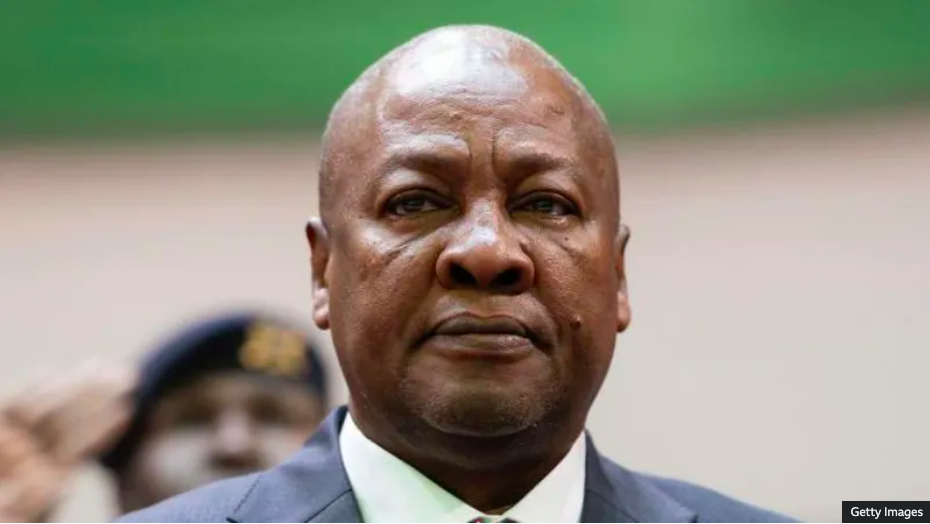
Legal Storm Brews as Eleven US-Deported Migrants Sue Ghanaian Government Over Detention
Accusations of unlawful detention are rocking Ghana’s political and legal landscape after eleven people who were deported from the United States and subsequently detained in Ghana filed a lawsuit against their own government. The case, brought to light by their lawyer, Oliver-Barker Vormawor, has ignited heated debate over human rights, international agreements, and Ghana’s domestic legal obligations.
The controversy touches on not just Ghana’s sovereignty, but also its commitment to the rule of law, transparency, and the protection of citizens and non-citizens alike on its soil. It also comes at a time of rising concern over the United States’ increasingly aggressive deportation policies under the administration of former President Donald Trump.
Register for Tekedia Mini-MBA edition 20 (June 8 – Sept 5, 2026).
Register for Tekedia AI in Business Masterclass.
Join Tekedia Capital Syndicate and co-invest in great global startups.
Register for Tekedia AI Lab.
Background: From US Detention to Ghanaian Custody
According to legal papers filed in court, the eleven individuals were first held in a US detention facility before being forcibly deported on a military cargo aircraft. They were reportedly shackled during transit. Upon arrival in Ghana, instead of being processed as free individuals, they were immediately taken to a military camp, where they remain in custody.
Vormawor, a prominent Ghanaian lawyer and activist, told the BBC that the detainees had not violated any Ghanaian laws and that their ongoing detention had no legal basis. He is petitioning the court to compel the government to produce the group and explain why they are being held against their will.

“This is not just about the rights of these eleven individuals,” Vormawor argued. “It’s about ensuring that no government can bypass the courts and arbitrarily detain people who have committed no crime under Ghanaian law.”
A Growing Political and Legal Dispute
The Ghanaian government has not officially commented on the lawsuit, but it has previously stated that it plans to accept another 40 deportees from the United States. That plan has triggered political tension within Ghana, with opposition Members of Parliament (MPs) demanding that the deportation deal be immediately suspended.

Opposition lawmakers argue that any such agreement requires ratification by parliament before implementation, as stipulated under Ghanaian law. They say the government acted unilaterally and possibly in violation of constitutional procedures by accepting the deportees without parliamentary approval.
The legal dispute is also exposing apparent contradictions within Ghana’s own executive branch. Last week, President John Mahama stated that 14 deportees of West African origin had arrived in the country following an agreement with the US and had all been returned to their countries of origin.
However, Foreign Minister Samuel Okudzeto Ablakwa contradicted the president, telling reporters that while “most” of the deportees had been returned, not all had. Vormawor’s court filing further challenges both statements, asserting that 11 of those deportees are still in Ghana — and still being held unlawfully.
Humanitarian or Complicity? A Question of Framing
In an attempt to manage the diplomatic optics, Ghana’s Foreign Minister was quoted by Reuters as saying the decision to accept the deportees was driven by “humanitarian principle and pan-African empathy.” He emphasized that the move “should not be misconstrued as an endorsement of the immigration policies of the Trump administration.”
This distinction is significant. Since Donald Trump assumed office in January, his government had vowed to pursue record-level deportations of migrants living illegally in the US. Many of these deportations have been criticized internationally for being excessively forceful and disruptive, often tearing families apart and returning people to unstable conditions.
For Ghana to be seen as collaborating with these policies could undermine its human rights reputation within Africa and internationally. At the same time, refusing to accept deported individuals of Ghanaian or West African origin could risk diplomatic friction with Washington.
Multiple Legal Fronts: Lawsuits Against Ghana and the US
The legal challenges are not confined to Ghana alone. Five of the detainees — three Nigerians and two Gambians — have also sued the US government, arguing that they were protected by a court order and should not have been deported in the first place. Their legal team claims the US violated their due process rights by removing them despite ongoing court proceedings that offered them protection from deportation.
This dual-front legal battle complicates matters further. If US courts find that the deportations were illegal, Ghana could face pressure to release and even compensate the detainees, as their detention would be based on an illegitimate deportation process. Conversely, if Ghana’s courts rule that their detention is illegal, it could force a public showdown between Ghana’s judiciary and its executive over the country’s obligations to foreign powers.
Broader Implications for Ghana’s Rule of Law
Beyond the fate of these eleven individuals, the case raises deeper questions about Ghana’s adherence to its own laws and international obligations. Legal scholars have noted that under Ghana’s constitution, individuals can only be detained on clear legal grounds, typically involving suspected criminal activity or a valid court order.
None of these conditions appear to apply to the deportees, according to Vormawor’s filings. If the government cannot demonstrate a legal basis for their detention, it could be in violation of both domestic constitutional provisions and international human rights norms to which Ghana is a signatory.
The case could also test the independence of Ghana’s judiciary. Should the courts order the government to release the detainees, the administration will have to decide whether to comply or risk a constitutional crisis.
Final Thoughts: Between Law, Politics, and Humanity
The unfolding saga of the eleven deportees detained in Ghana stands as a stark reminder of how immigration policies reverberate far beyond borders, leaving real human lives entangled in layers of law, bureaucracy, and politics.
At the heart of this crisis are three competing realities:
- Legal principles — Ghana’s constitution demands that no person be detained without due process, while international law requires that deportations respect human rights and allow appeals.
- Governmental obligations — Ghana must balance humanitarian duty with national security concerns and diplomatic relations with powerful nations like the United States.
- Human suffering — Behind the paperwork and politics are men and women who lost their homes, families, and stability overnight, now living in fear and limbo.
This legal battle will likely test Ghana’s judiciary, the resilience of its democratic institutions, and its moral standing in the eyes of the world. The outcome could shape how the country responds to future mass deportations and how it navigates its role in global migration policy.
But beyond policy, what matters most is that Ghana — and the world — remember the humanity of those caught in the crossfire. These individuals are not statistics, bargaining chips, or diplomatic burdens. They are people who deserve dignity, clarity, and a chance to rebuild their lives.
How Ghana handles this moment will echo far beyond its borders. It will say whether the nation stands firmly by the rule of law — or bends to expedience at the cost of human rights.
Conclusion: A Defining Test for Ghana’s Democracy
As the lawsuit moves forward, it stands to become a landmark case with far-reaching consequences for Ghana’s democracy, its human rights record, and its international standing. It also highlights the human toll of global migration policies and the vulnerability of those caught between shifting political agendas on different continents.
Whether Ghana’s courts will uphold the rule of law and order the release of the detainees remains to be seen. But what is certain is that the case has ignited an urgent national conversation about legality, sovereignty, and compassion — and how Ghana should balance all three in an increasingly complex global landscape.
Meta description (for SEO):
Eleven people deported from the US have sued Ghana’s government over alleged unlawful detention, sparking legal and political turmoil over migration, sovereignty, and human rights.
Share this:
- Click to share on Facebook (Opens in new window) Facebook
- Click to share on X (Opens in new window) X
- Click to share on WhatsApp (Opens in new window) WhatsApp
- Click to share on LinkedIn (Opens in new window) LinkedIn
- Click to email a link to a friend (Opens in new window) Email
- Click to print (Opens in new window) Print