

Varna Mayor’s Arrest Sparks Nationwide Protests and Diplomatic Rift Between Bulgaria and Germany

Quote from Alex Bobby on July 18, 2025, 6:25 AM
Varna Mayor’s Arrest Triggers Protests in Bulgaria and Diplomatic Clash with Germany
What began as a domestic corruption case has escalated into one of Bulgaria’s most politically charged crises in recent years. The arrest of Varna’s mayor, Blagomir Kotsev, on embezzlement charges has sparked widespread protests across Bulgaria and major European capitals, while also straining diplomatic relations with Germany.
Kotsev, a rising figure in the opposition alliance “We Continue the Change – Democratic Bulgaria”, was detained on July 8 amid accusations of misappropriating funds via a municipal catering contract. The case, however, has taken on deeper political and international dimensions, with allegations of judicial overreach, coerced testimony, and political targeting coming to the fore.
From Legal Dispute to Political Uproar
Kotsev has denied all charges, calling them politically motivated. His defence was bolstered when a central witness later claimed that their testimony was extracted under pressure, casting doubt on the integrity of the investigation. In court, prosecutors presented 59 pages of new evidence, which Kotsev’s legal team dismissed as “irrelevant and designed to fuel a smear campaign.”
The perceived irregularities and political overtones of the case have turned it into a rallying point for Bulgaria’s reformist forces. Vasil Terziev, the mayor of Sofia and a political ally, condemned the arrest as an act of selective justice. Meanwhile, the Renew Europe group in the European Parliament, of which Kotsev’s party is a member, described the arrest as “political repression” that undermines EU democratic norms.
Protests Sweep Bulgaria and Europe
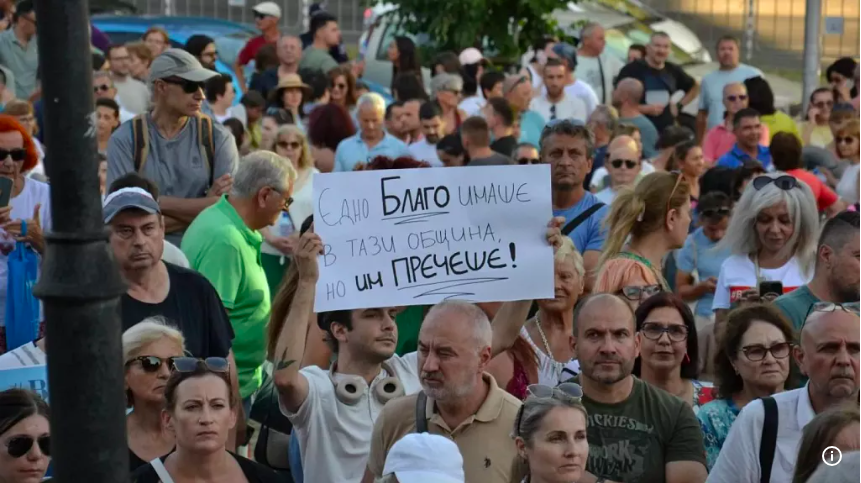
Kotsev’s arrest has mobilised thousands in Varna, Sofia, and Plovdiv, with demonstrators chanting slogans like “The law is not a weapon” and “Justice, not vengeance.” The protests have spread beyond Bulgaria’s borders, with solidarity demonstrations held in Brussels, Berlin, and London, organised by Bulgarian expatriates and pro-democracy groups.
These protests underscore a broader discontent over the state of judicial independence in Bulgaria, which has long struggled with systemic corruption and politically influenced prosecutions. For many Bulgarians, the Kotsev case is emblematic of the persistent failures in reforming the judiciary.
Diplomatic Fallout with Germany
Tensions reached a diplomatic boiling point when the German ambassador to Bulgaria appeared at a protest in Varna, standing in visible support of Kotsev’s backers. While diplomats are usually expected to maintain neutrality in domestic political matters, the ambassador’s presence was interpreted as a strong signal of Germany’s concern over the rule of law in Bulgaria.
Sofia swiftly responded with a formal diplomatic note, accusing the German envoy of interfering in internal judicial affairs—an unusual move that signals how seriously the Bulgarian government views the incident. The German Foreign Office has yet to release an official response, but the ambassador’s involvement reflects a broader European anxiety over democratic backsliding within certain EU states.
Three other European diplomats—from France, the Netherlands, and the United Kingdom—were also seen attending Kotsev’s appellate court hearing on Thursday. Their presence further highlights international scrutiny of Bulgaria’s legal process and reinforces the perception that Kotsev’s arrest has significant political ramifications.
EU Pressure and Bulgaria’s Reform Challenges
The controversy comes at a delicate time for Bulgaria. The country is seeking full access to the Schengen area and aims to join the eurozone, both of which require demonstrable progress in judicial reform and anti-corruption efforts. Any perceived backsliding could delay these goals and isolate Bulgaria within the EU framework.
In its 2024 Rule of Law Report, the European Commission cited lingering concerns about Bulgaria’s judiciary, including the need for further structural reforms to ensure transparency, accountability, and independence from political pressure.
The Kotsev case could become a litmus test for Bulgaria’s readiness to meet EU standards. With international attention mounting, Sofia will need to tread carefully, balancing domestic legal processes with its diplomatic relationships and long-term European ambitions.
Looking Forward
As the situation unfolds, all eyes will be on how the Bulgarian government responds—both domestically and diplomatically. The pressure is now on Sofia to ensure a transparent, fair, and depoliticised judicial process. How the Kotsev case is handled could have lasting implications for Bulgaria’s credibility within the European Union, particularly as it pursues deeper integration into the Schengen area and the eurozone.
International observers, including EU institutions and human rights watchdogs, are likely to continue monitoring developments closely. Germany’s unexpected involvement has already set a precedent, and further diplomatic expressions of concern from other member states may follow if transparency is not upheld.
Meanwhile, for Bulgaria’s reformist opposition and civil society, the protests surrounding Kotsev’s arrest have sparked a new wave of civic mobilisation. This momentum may influence broader political debates leading up to future elections and could become a catalyst for long-overdue reforms in the judiciary and public accountability systems.
Ultimately, the Kotsev affair is no longer just about one man—it’s a moment of reckoning for Bulgaria’s democratic institutions. Whether it becomes a turning point for meaningful change or a missed opportunity will depend on the actions taken in the coming weeks.
Conclusion
The arrest of Blagomir Kotsev has ignited more than a legal firestorm—it has laid bare the deep-seated tensions between politics and justice in Bulgaria. With public protests, international diplomatic fallout, and growing pressure from the EU, the case has transformed into a broader referendum on the country’s democratic trajectory.
As Bulgaria navigates this political minefield, the world is watching—not just to see the outcome of one mayor’s legal battle, but to gauge the strength of judicial independence, democratic norms, and the rule of law in a country at the crossroads of reform and regression.
Meta Description:
The arrest of Varna’s mayor Blagomir Kotsev on embezzlement charges has ignited nationwide protests in Bulgaria, sparked diplomatic tensions with Germany, and raised fresh concerns over judicial independence in the EU.
Varna Mayor’s Arrest Triggers Protests in Bulgaria and Diplomatic Clash with Germany
What began as a domestic corruption case has escalated into one of Bulgaria’s most politically charged crises in recent years. The arrest of Varna’s mayor, Blagomir Kotsev, on embezzlement charges has sparked widespread protests across Bulgaria and major European capitals, while also straining diplomatic relations with Germany.
Kotsev, a rising figure in the opposition alliance “We Continue the Change – Democratic Bulgaria”, was detained on July 8 amid accusations of misappropriating funds via a municipal catering contract. The case, however, has taken on deeper political and international dimensions, with allegations of judicial overreach, coerced testimony, and political targeting coming to the fore.
Register for Tekedia Mini-MBA edition 20 (June 8 – Sept 5, 2026).
Register for Tekedia AI in Business Masterclass.
Join Tekedia Capital Syndicate and co-invest in great global startups.
Register for Tekedia AI Lab.
From Legal Dispute to Political Uproar
Kotsev has denied all charges, calling them politically motivated. His defence was bolstered when a central witness later claimed that their testimony was extracted under pressure, casting doubt on the integrity of the investigation. In court, prosecutors presented 59 pages of new evidence, which Kotsev’s legal team dismissed as “irrelevant and designed to fuel a smear campaign.”
The perceived irregularities and political overtones of the case have turned it into a rallying point for Bulgaria’s reformist forces. Vasil Terziev, the mayor of Sofia and a political ally, condemned the arrest as an act of selective justice. Meanwhile, the Renew Europe group in the European Parliament, of which Kotsev’s party is a member, described the arrest as “political repression” that undermines EU democratic norms.

Protests Sweep Bulgaria and Europe
Kotsev’s arrest has mobilised thousands in Varna, Sofia, and Plovdiv, with demonstrators chanting slogans like “The law is not a weapon” and “Justice, not vengeance.” The protests have spread beyond Bulgaria’s borders, with solidarity demonstrations held in Brussels, Berlin, and London, organised by Bulgarian expatriates and pro-democracy groups.
These protests underscore a broader discontent over the state of judicial independence in Bulgaria, which has long struggled with systemic corruption and politically influenced prosecutions. For many Bulgarians, the Kotsev case is emblematic of the persistent failures in reforming the judiciary.

Diplomatic Fallout with Germany
Tensions reached a diplomatic boiling point when the German ambassador to Bulgaria appeared at a protest in Varna, standing in visible support of Kotsev’s backers. While diplomats are usually expected to maintain neutrality in domestic political matters, the ambassador’s presence was interpreted as a strong signal of Germany’s concern over the rule of law in Bulgaria.
Sofia swiftly responded with a formal diplomatic note, accusing the German envoy of interfering in internal judicial affairs—an unusual move that signals how seriously the Bulgarian government views the incident. The German Foreign Office has yet to release an official response, but the ambassador’s involvement reflects a broader European anxiety over democratic backsliding within certain EU states.
Three other European diplomats—from France, the Netherlands, and the United Kingdom—were also seen attending Kotsev’s appellate court hearing on Thursday. Their presence further highlights international scrutiny of Bulgaria’s legal process and reinforces the perception that Kotsev’s arrest has significant political ramifications.
EU Pressure and Bulgaria’s Reform Challenges
The controversy comes at a delicate time for Bulgaria. The country is seeking full access to the Schengen area and aims to join the eurozone, both of which require demonstrable progress in judicial reform and anti-corruption efforts. Any perceived backsliding could delay these goals and isolate Bulgaria within the EU framework.
In its 2024 Rule of Law Report, the European Commission cited lingering concerns about Bulgaria’s judiciary, including the need for further structural reforms to ensure transparency, accountability, and independence from political pressure.
The Kotsev case could become a litmus test for Bulgaria’s readiness to meet EU standards. With international attention mounting, Sofia will need to tread carefully, balancing domestic legal processes with its diplomatic relationships and long-term European ambitions.
Looking Forward
As the situation unfolds, all eyes will be on how the Bulgarian government responds—both domestically and diplomatically. The pressure is now on Sofia to ensure a transparent, fair, and depoliticised judicial process. How the Kotsev case is handled could have lasting implications for Bulgaria’s credibility within the European Union, particularly as it pursues deeper integration into the Schengen area and the eurozone.
International observers, including EU institutions and human rights watchdogs, are likely to continue monitoring developments closely. Germany’s unexpected involvement has already set a precedent, and further diplomatic expressions of concern from other member states may follow if transparency is not upheld.
Meanwhile, for Bulgaria’s reformist opposition and civil society, the protests surrounding Kotsev’s arrest have sparked a new wave of civic mobilisation. This momentum may influence broader political debates leading up to future elections and could become a catalyst for long-overdue reforms in the judiciary and public accountability systems.
Ultimately, the Kotsev affair is no longer just about one man—it’s a moment of reckoning for Bulgaria’s democratic institutions. Whether it becomes a turning point for meaningful change or a missed opportunity will depend on the actions taken in the coming weeks.
Conclusion
The arrest of Blagomir Kotsev has ignited more than a legal firestorm—it has laid bare the deep-seated tensions between politics and justice in Bulgaria. With public protests, international diplomatic fallout, and growing pressure from the EU, the case has transformed into a broader referendum on the country’s democratic trajectory.
As Bulgaria navigates this political minefield, the world is watching—not just to see the outcome of one mayor’s legal battle, but to gauge the strength of judicial independence, democratic norms, and the rule of law in a country at the crossroads of reform and regression.
Meta Description:
The arrest of Varna’s mayor Blagomir Kotsev on embezzlement charges has ignited nationwide protests in Bulgaria, sparked diplomatic tensions with Germany, and raised fresh concerns over judicial independence in the EU.
Uploaded files:Share this:
- Click to share on Facebook (Opens in new window) Facebook
- Click to share on X (Opens in new window) X
- Click to share on WhatsApp (Opens in new window) WhatsApp
- Click to share on LinkedIn (Opens in new window) LinkedIn
- Click to email a link to a friend (Opens in new window) Email
- Click to print (Opens in new window) Print