

Why Amsterdam’s Embattled Residents Are Suing the City Over Mass Tourism

Quote from Alex Bobby on September 25, 2025, 8:10 AM
Amsterdam has long been one of Europe’s most sought-after destinations—a picturesque city of canals, cycling lanes, and cultural treasures. But behind the postcard image lies a mounting crisis: the Dutch capital is struggling under the weight of mass tourism, and locals are reaching a breaking point. In a dramatic and unprecedented move, residents have launched legal action against the municipality, accusing city leaders of failing to keep visitor numbers under control.
Their frustration is emblematic of a broader struggle faced by many global tourist hubs—how to strike a balance between economic benefits and quality of life for locals.
A City Under Siege by Tourism
Amsterdam has lived with the consequences of mass tourism for years. Narrow streets, historic neighbourhoods, and globally renowned attractions have made the city a magnet for tens of millions of visitors annually. For decades, tourism was welcomed, providing revenue and jobs. But over time, the sheer volume of visitors has transformed daily life for residents.
In 2021, the city council introduced a bylaw limiting tourist overnight stays to 20 million per year. Yet this measure has proven ineffective. In 2023, the number of overnight stays reached nearly 23 million, already far exceeding the cap. According to recent figures, stays rose by a further 3 percent in 2024, and projections for 2025 suggest the numbers will climb even higher.
To many locals, this is proof that the council’s promises to tackle overtourism are little more than lip service.
The Lawsuit: “Amsterdam Has a Choice”
On Monday, a coalition of residents launched a lawsuit against the municipality. The citizens’ initiative, called *Amsterdam Has a Choice*, raised €50,000 from local contributions to fund the legal battle. Backed by 12 neighbourhood associations and residents’ organisations, the group argues that the city has consistently failed to enforce its own tourism cap and safeguard liability.
Their complaint is clear: despite bylaws, public campaigns, and high-profile pledges, the reality on the ground for residents has barely changed. Noise, overcrowding, litter, and the dominance of the tourist economy have eroded the character of neighbourhoods and made daily life increasingly difficult.
In bringing the case to court, the group hopes to hold city leaders accountable for their inaction and force stronger measures.
A Long-Standing Problem
Amsterdam’s over-tourism problem is not new. For years, the city has been a magnet for stag parties, pub crawls, and the indulgences of drug culture and legal sex work. Authorities have tried to steer the city’s global image away from this reputation by launching campaigns that promote cultural tourism—highlighting museums, art, and history.
The city has also introduced specific measures such as limiting short-term rentals through platforms like Airbnb, banning new hotels in the centre, and discouraging cheap flights with increased taxes. Yet despite these efforts, residents argue that the impact on their neighbourhoods remains minimal.
One reason is that Amsterdam’s popularity continues to soar. Its compact size and global accessibility make it a prime destination for weekend getaways and short breaks. And while authorities attempt to attract “quality tourism,” the influx of budget travellers looking for nightlife and party experiences persists.
The Resident’s Perspective
For locals, the lawsuit represents more than a legal argument—it is a cry for relief. Streets once known for community life are now dominated by souvenir shops, bars, and short-term rentals. Rising housing costs, fuelled in part by tourist demand, have forced many residents out of the city centre. Public spaces are overcrowded, with bicycles competing for space against waves of tourists.
“Amsterdam is becoming unliveable,” one resident involved in the lawsuit explained to local media. “We feel like strangers in our own city.”
The lawsuit reflects the growing sense that democratic processes alone cannot deliver change, and that only legal action will compel authorities to act decisively.
The City’s Dilemma
For city leaders, the issue is complicated. Tourism is a vital part of Amsterdam’s economy, contributing billions of euros annually and supporting tens of thousands of jobs. Hotels, restaurants, cultural institutions, and small businesses rely on steady streams of visitors.
Stricter caps or outright reductions in tourism could risk harming this economic engine, especially as the global tourism sector continues to recover from the pandemic. On the other hand, ignoring residents’ concerns risks fuelling resentment and undermining trust in local government.
The lawsuit therefore forces the council to confront a difficult question: should Amsterdam prioritise its global brand as a tourism hotspot, or the quality of life of its residents?
A Global Challenge
Amsterdam’s battle with over-tourism is part of a wider trend affecting cities from Barcelona to Venice. Across Europe, iconic destinations have struggled to manage overwhelming numbers of visitors. Venice recently introduced an entry fee for day-trippers, while Barcelona has cracked down on short-term rentals and limited cruise ship arrivals.
These examples highlight how difficult it is for cities to balance economic benefits with sustainability. Amsterdam now finds itself at the forefront of this debate, with the lawsuit potentially setting a legal precedent for citizen-led action against overtourism.
Looking Ahead
The outcome of the lawsuit is uncertain, but it represents a turning point in Amsterdam’s ongoing struggle with mass tourism. If residents succeed, the case could pressure the municipality into stricter enforcement of the overnight stay cap, or even more radical measures to reduce visitor numbers.
For the people of Amsterdam, the goal is not to eliminate tourism altogether but to create a city where residents and visitors can coexist. Without stronger action, they argue, the very soul of Amsterdam is at risk.
Final Thoughts
Amsterdam’s lawsuit against its own municipality captures a deeper truth about modern cities: tourism cannot be left unchecked without consequences. While visitors bring revenue and cultural exchange, unrestrained mass tourism erodes the very character that draws people in the first place. By turning to the courts, residents are demanding more than policy tweaks—they are demanding a vision of Amsterdam that values liability as much as profitability. The outcome of this case could shape not only the city’s future but also offer a model for other destinations grappling with over-tourism across the globe.
Conclusion
Amsterdam’s legal battle over mass tourism is more than a local dispute—it is a symbol of the broader challenges faced by global cities in an era of unprecedented mobility. While tourists see canals, culture, and freedom, residents increasingly see congestion, disruption, and loss of community. By taking their fight to court, Amsterdam’s are making a powerful statement: tourism cannot come at the cost of liability.
Whether or not the lawsuit succeeds, it has already sent a clear message: the people of Amsterdam demand a city that prioritises its residents as much as its visitors.
Meta Description:
Amsterdam residents have filed a lawsuit against the city, accusing officials of failing to curb mass tourism. Despite a legal cap, overnight stays topped 22.9 million in 2023 and continue to rise.
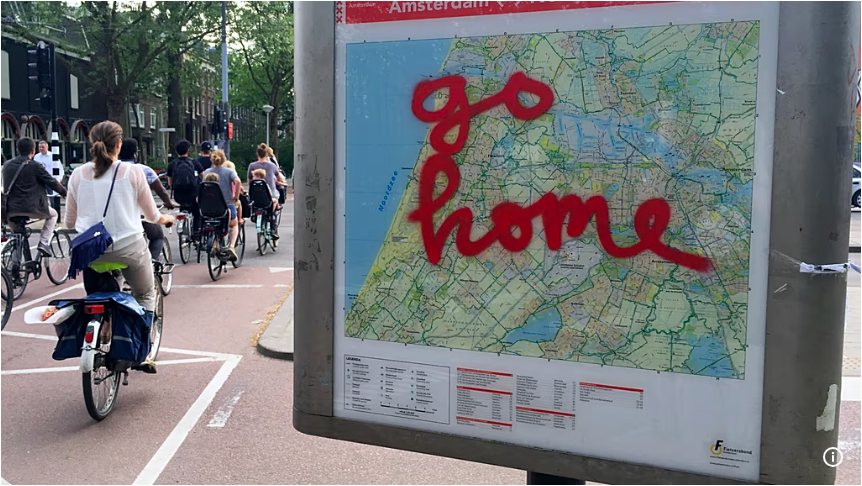
Amsterdam has long been one of Europe’s most sought-after destinations—a picturesque city of canals, cycling lanes, and cultural treasures. But behind the postcard image lies a mounting crisis: the Dutch capital is struggling under the weight of mass tourism, and locals are reaching a breaking point. In a dramatic and unprecedented move, residents have launched legal action against the municipality, accusing city leaders of failing to keep visitor numbers under control.
Their frustration is emblematic of a broader struggle faced by many global tourist hubs—how to strike a balance between economic benefits and quality of life for locals.
A City Under Siege by Tourism
Register for Tekedia Mini-MBA edition 20 (June 8 – Sept 5, 2026).
Register for Tekedia AI in Business Masterclass.
Join Tekedia Capital Syndicate and co-invest in great global startups.
Register for Tekedia AI Lab.
Amsterdam has lived with the consequences of mass tourism for years. Narrow streets, historic neighbourhoods, and globally renowned attractions have made the city a magnet for tens of millions of visitors annually. For decades, tourism was welcomed, providing revenue and jobs. But over time, the sheer volume of visitors has transformed daily life for residents.
In 2021, the city council introduced a bylaw limiting tourist overnight stays to 20 million per year. Yet this measure has proven ineffective. In 2023, the number of overnight stays reached nearly 23 million, already far exceeding the cap. According to recent figures, stays rose by a further 3 percent in 2024, and projections for 2025 suggest the numbers will climb even higher.
To many locals, this is proof that the council’s promises to tackle overtourism are little more than lip service.

The Lawsuit: “Amsterdam Has a Choice”
On Monday, a coalition of residents launched a lawsuit against the municipality. The citizens’ initiative, called *Amsterdam Has a Choice*, raised €50,000 from local contributions to fund the legal battle. Backed by 12 neighbourhood associations and residents’ organisations, the group argues that the city has consistently failed to enforce its own tourism cap and safeguard liability.
Their complaint is clear: despite bylaws, public campaigns, and high-profile pledges, the reality on the ground for residents has barely changed. Noise, overcrowding, litter, and the dominance of the tourist economy have eroded the character of neighbourhoods and made daily life increasingly difficult.

In bringing the case to court, the group hopes to hold city leaders accountable for their inaction and force stronger measures.
A Long-Standing Problem
Amsterdam’s over-tourism problem is not new. For years, the city has been a magnet for stag parties, pub crawls, and the indulgences of drug culture and legal sex work. Authorities have tried to steer the city’s global image away from this reputation by launching campaigns that promote cultural tourism—highlighting museums, art, and history.
The city has also introduced specific measures such as limiting short-term rentals through platforms like Airbnb, banning new hotels in the centre, and discouraging cheap flights with increased taxes. Yet despite these efforts, residents argue that the impact on their neighbourhoods remains minimal.
One reason is that Amsterdam’s popularity continues to soar. Its compact size and global accessibility make it a prime destination for weekend getaways and short breaks. And while authorities attempt to attract “quality tourism,” the influx of budget travellers looking for nightlife and party experiences persists.
The Resident’s Perspective
For locals, the lawsuit represents more than a legal argument—it is a cry for relief. Streets once known for community life are now dominated by souvenir shops, bars, and short-term rentals. Rising housing costs, fuelled in part by tourist demand, have forced many residents out of the city centre. Public spaces are overcrowded, with bicycles competing for space against waves of tourists.
“Amsterdam is becoming unliveable,” one resident involved in the lawsuit explained to local media. “We feel like strangers in our own city.”
The lawsuit reflects the growing sense that democratic processes alone cannot deliver change, and that only legal action will compel authorities to act decisively.
The City’s Dilemma
For city leaders, the issue is complicated. Tourism is a vital part of Amsterdam’s economy, contributing billions of euros annually and supporting tens of thousands of jobs. Hotels, restaurants, cultural institutions, and small businesses rely on steady streams of visitors.
Stricter caps or outright reductions in tourism could risk harming this economic engine, especially as the global tourism sector continues to recover from the pandemic. On the other hand, ignoring residents’ concerns risks fuelling resentment and undermining trust in local government.
The lawsuit therefore forces the council to confront a difficult question: should Amsterdam prioritise its global brand as a tourism hotspot, or the quality of life of its residents?
A Global Challenge
Amsterdam’s battle with over-tourism is part of a wider trend affecting cities from Barcelona to Venice. Across Europe, iconic destinations have struggled to manage overwhelming numbers of visitors. Venice recently introduced an entry fee for day-trippers, while Barcelona has cracked down on short-term rentals and limited cruise ship arrivals.
These examples highlight how difficult it is for cities to balance economic benefits with sustainability. Amsterdam now finds itself at the forefront of this debate, with the lawsuit potentially setting a legal precedent for citizen-led action against overtourism.
Looking Ahead
The outcome of the lawsuit is uncertain, but it represents a turning point in Amsterdam’s ongoing struggle with mass tourism. If residents succeed, the case could pressure the municipality into stricter enforcement of the overnight stay cap, or even more radical measures to reduce visitor numbers.
For the people of Amsterdam, the goal is not to eliminate tourism altogether but to create a city where residents and visitors can coexist. Without stronger action, they argue, the very soul of Amsterdam is at risk.
Final Thoughts
Amsterdam’s lawsuit against its own municipality captures a deeper truth about modern cities: tourism cannot be left unchecked without consequences. While visitors bring revenue and cultural exchange, unrestrained mass tourism erodes the very character that draws people in the first place. By turning to the courts, residents are demanding more than policy tweaks—they are demanding a vision of Amsterdam that values liability as much as profitability. The outcome of this case could shape not only the city’s future but also offer a model for other destinations grappling with over-tourism across the globe.
Conclusion
Amsterdam’s legal battle over mass tourism is more than a local dispute—it is a symbol of the broader challenges faced by global cities in an era of unprecedented mobility. While tourists see canals, culture, and freedom, residents increasingly see congestion, disruption, and loss of community. By taking their fight to court, Amsterdam’s are making a powerful statement: tourism cannot come at the cost of liability.
Whether or not the lawsuit succeeds, it has already sent a clear message: the people of Amsterdam demand a city that prioritises its residents as much as its visitors.
Meta Description:
Amsterdam residents have filed a lawsuit against the city, accusing officials of failing to curb mass tourism. Despite a legal cap, overnight stays topped 22.9 million in 2023 and continue to rise.
Uploaded files:Share this:
- Click to share on Facebook (Opens in new window) Facebook
- Click to share on X (Opens in new window) X
- Click to share on WhatsApp (Opens in new window) WhatsApp
- Click to share on LinkedIn (Opens in new window) LinkedIn
- Click to email a link to a friend (Opens in new window) Email
- Click to print (Opens in new window) Print