

Why Kamala Harris’ Secret Service Protection Was Revoked — Politics or Security?

Quote from Alex Bobby on August 30, 2025, 3:50 AM
Why Has Kamala Harris' Security Detail Been Withdrawn?
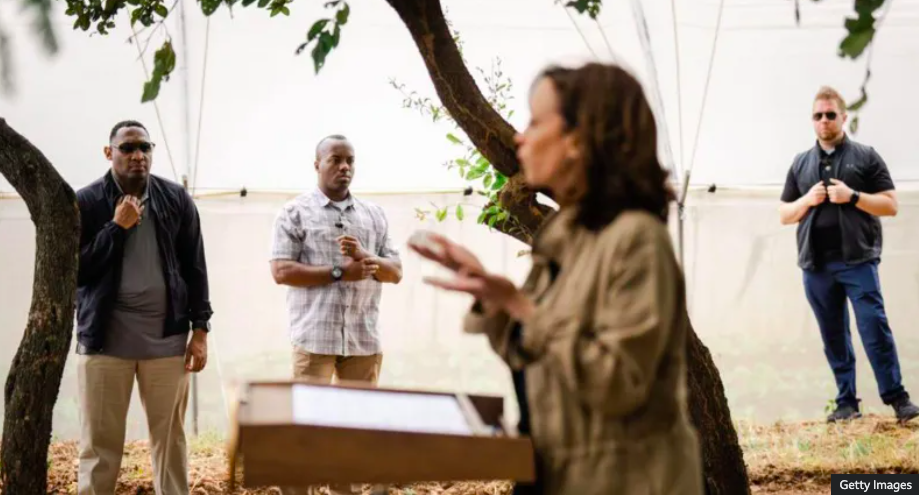
The recent withdrawal of former Vice President Kamala Harris’ Secret Service protection has raised questions, sparked controversy, and fuelled speculation about whether politics played a role. The decision, announced by the Trump administration just seven months after Harris left office following her unsuccessful presidential campaign, comes against the backdrop of a tense political climate. While some experts suggest the move reflects resource constraints and standard practice, others view it as an act of political retribution.
So, why was Harris’ security detail removed, and what does it mean for her safety and public life going forward?
The Law Behind Secret Service Protection
Under U.S. law, former vice presidents and their immediate families are entitled to six months of Secret Service protection after leaving office. The law, updated in 2008, grants the secretary of homeland security authority to extend that protection if circumstances warrant additional coverage.
In Harris’ case, President Joe Biden reportedly used that authority before leaving office, directing the Secret Service to continue her protection for one year beyond the mandated six months. While neither Biden nor Harris publicly explained the decision, insiders suggested it was a precautionary step. After all, Harris made history as the first woman and person of colour to serve as vice president—factors that, unfortunately, exposed her to unique risks and threats during her tenure.
Why Did Biden Extend Harris’ Protection?
Biden’s decision to extend Harris’ security detail remains somewhat opaque. According to reports from CNN, it was issued quietly without fanfare. Legally, Biden had the right to do so, and past precedent allowed temporary extensions for certain officials.
The rationale seems rooted in caution. During her time in office and throughout the 2024 presidential campaign, Harris was the subject of numerous threats. In 2021, for example, a Florida woman was convicted after threatening Harris and sending videos displaying firearms. In 2024, several men were arrested for issuing online death threats during her campaign. Even after leaving office, in March of this year, a Florida man was arrested for allegedly threatening to assassinate her with a sniper rifle.
These incidents illustrate that Harris faced credible risks beyond those experienced by many former officials. For her supporters, the extension of Secret Service protection felt not only justified but necessary.
Why Did Trump Revoke the Protection?
President Donald Trump’s decision to cancel Harris’ security coverage reignited debates about political fairness in national security matters. While Trump’s critics argue the move was vindictive, experts highlight another explanation: practicality.
The Secret Service, according to insiders, is stretched thin. With upcoming events like the United Nations General Assembly requiring massive resources, the agency must prioritise its limited manpower. A nationwide, multi-city book tour by Harris—she is preparing to promote her memoir 107 Days—would have demanded extensive protection. Former Secret Service agent and author Ronald Kessler noted that such an operation would require “a dozen vehicles all over the country,” placing enormous strain on the already overburdened agency.
From that perspective, Trump’s decision aligns with agency efficiency. But politically, the optics are difficult to ignore.
What Does Harris Lose Without Secret Service Protection?
Secret Service protection goes far beyond a few bodyguards in suits. It encompasses an entire security infrastructure, including:
- Personal protection: Armed agents accompanying the protectee and their immediate family.
- Home security: Monitoring and securing residences with advanced systems.
- Threat monitoring: Investigating electronic threats, social media activity, and intelligence reports.
- Secure transportation: Specialised vehicles equipped for defensive manoeuvres and emergencies.
Replacing these services with private security is costly. High-profile figures such as Meta CEO Mark Zuckerberg reportedly spent more than $23 million on personal protection in 2023. For Harris, such expenses could easily climb into the millions annually, particularly if her public profile rises again through speaking tours or future political endeavours.
Is This Political Retribution?
Many of Harris’ allies believe the timing and nature of the decision suggest political retribution. California Governor Gavin Newsom and Los Angeles Mayor Karen Bass both described the move as politically motivated, warning that the safety of public officials should never be subject to partisan vendettas.
Critics point to Trump’s history of revoking protections from individuals who either fell out of favour with him or represented the opposing political camp. Among those who lost Secret Service details under Trump were Hunter and Ashley Biden, Dr. Anthony Fauci, former Secretary of State Mike Pompeo, and John Bolton, his one-time national security adviser turned critic.
While experts like Kessler stress that the decision also reflects resource constraints, Trump’s reputation for using state powers to settle political scores complicates the narrative.
What About Former Presidents?
Unlike former vice presidents, ex-presidents enjoy lifetime Secret Service protection. Congress attempted to limit that coverage to ten years in 1994, but President Obama restored lifetime protection in 2013. That means former presidents such as Bill Clinton, George W. Bush, Obama, and Biden continue to have round-the-clock security.
The contrast highlights the disparity: while ex-presidents retain permanent coverage, their former deputies can lose it within months of leaving office—unless exceptional circumstances dictate otherwise.
Final Thought / Looking Forward:
As Harris prepares for her nationwide book tour and a return to the public stage, her reliance on private security will likely grow. The decision to withdraw her Secret Service protection may fade into the background of political debate, but it sets a precedent with lasting implications. Moving forward, Congress and security officials may need to reconsider whether six months of protection is truly sufficient for high-profile former leaders in an era of heightened political polarisation and threats.Conclusion
The withdrawal of Kamala Harris’ Secret Service detail underscores the intersection of law, politics, and security in U.S. public life. Legally, the move falls within Trump’s authority. Practically, it reflects the agency’s stretched resources ahead of major global events. Yet politically, the optics suggest something deeper: a continuation of Trump’s pattern of stripping opponents of protections once considered untouchable.
For Harris, the timing could not be more sensitive. With her book tour approaching and her public presence poised to grow, questions about her safety will persist. Whether the decision was sound security policy or political payback, it leaves Harris more vulnerable at a time when threats against public officials remain alarmingly high.
In the end, the episode raises a fundamental question: should the personal safety of America’s leaders—past or present—be at the mercy of shifting political winds?
Meta Description:
Former Vice President Kamala Harris has lost her extended Secret Service protection. Was the move a matter of security resources or political retribution from Donald Trump? Here’s what we know.
Why Has Kamala Harris' Security Detail Been Withdrawn?
The recent withdrawal of former Vice President Kamala Harris’ Secret Service protection has raised questions, sparked controversy, and fuelled speculation about whether politics played a role. The decision, announced by the Trump administration just seven months after Harris left office following her unsuccessful presidential campaign, comes against the backdrop of a tense political climate. While some experts suggest the move reflects resource constraints and standard practice, others view it as an act of political retribution.
So, why was Harris’ security detail removed, and what does it mean for her safety and public life going forward?
Register for Tekedia Mini-MBA edition 20 (June 8 – Sept 5, 2026).
Register for Tekedia AI in Business Masterclass.
Join Tekedia Capital Syndicate and co-invest in great global startups.
Register for Tekedia AI Lab.
The Law Behind Secret Service Protection
Under U.S. law, former vice presidents and their immediate families are entitled to six months of Secret Service protection after leaving office. The law, updated in 2008, grants the secretary of homeland security authority to extend that protection if circumstances warrant additional coverage.
In Harris’ case, President Joe Biden reportedly used that authority before leaving office, directing the Secret Service to continue her protection for one year beyond the mandated six months. While neither Biden nor Harris publicly explained the decision, insiders suggested it was a precautionary step. After all, Harris made history as the first woman and person of colour to serve as vice president—factors that, unfortunately, exposed her to unique risks and threats during her tenure.

Why Did Biden Extend Harris’ Protection?
Biden’s decision to extend Harris’ security detail remains somewhat opaque. According to reports from CNN, it was issued quietly without fanfare. Legally, Biden had the right to do so, and past precedent allowed temporary extensions for certain officials.
The rationale seems rooted in caution. During her time in office and throughout the 2024 presidential campaign, Harris was the subject of numerous threats. In 2021, for example, a Florida woman was convicted after threatening Harris and sending videos displaying firearms. In 2024, several men were arrested for issuing online death threats during her campaign. Even after leaving office, in March of this year, a Florida man was arrested for allegedly threatening to assassinate her with a sniper rifle.

These incidents illustrate that Harris faced credible risks beyond those experienced by many former officials. For her supporters, the extension of Secret Service protection felt not only justified but necessary.
Why Did Trump Revoke the Protection?
President Donald Trump’s decision to cancel Harris’ security coverage reignited debates about political fairness in national security matters. While Trump’s critics argue the move was vindictive, experts highlight another explanation: practicality.
The Secret Service, according to insiders, is stretched thin. With upcoming events like the United Nations General Assembly requiring massive resources, the agency must prioritise its limited manpower. A nationwide, multi-city book tour by Harris—she is preparing to promote her memoir 107 Days—would have demanded extensive protection. Former Secret Service agent and author Ronald Kessler noted that such an operation would require “a dozen vehicles all over the country,” placing enormous strain on the already overburdened agency.
From that perspective, Trump’s decision aligns with agency efficiency. But politically, the optics are difficult to ignore.
What Does Harris Lose Without Secret Service Protection?
Secret Service protection goes far beyond a few bodyguards in suits. It encompasses an entire security infrastructure, including:
- Personal protection: Armed agents accompanying the protectee and their immediate family.
- Home security: Monitoring and securing residences with advanced systems.
- Threat monitoring: Investigating electronic threats, social media activity, and intelligence reports.
- Secure transportation: Specialised vehicles equipped for defensive manoeuvres and emergencies.
Replacing these services with private security is costly. High-profile figures such as Meta CEO Mark Zuckerberg reportedly spent more than $23 million on personal protection in 2023. For Harris, such expenses could easily climb into the millions annually, particularly if her public profile rises again through speaking tours or future political endeavours.
Is This Political Retribution?
Many of Harris’ allies believe the timing and nature of the decision suggest political retribution. California Governor Gavin Newsom and Los Angeles Mayor Karen Bass both described the move as politically motivated, warning that the safety of public officials should never be subject to partisan vendettas.
Critics point to Trump’s history of revoking protections from individuals who either fell out of favour with him or represented the opposing political camp. Among those who lost Secret Service details under Trump were Hunter and Ashley Biden, Dr. Anthony Fauci, former Secretary of State Mike Pompeo, and John Bolton, his one-time national security adviser turned critic.
While experts like Kessler stress that the decision also reflects resource constraints, Trump’s reputation for using state powers to settle political scores complicates the narrative.
What About Former Presidents?
Unlike former vice presidents, ex-presidents enjoy lifetime Secret Service protection. Congress attempted to limit that coverage to ten years in 1994, but President Obama restored lifetime protection in 2013. That means former presidents such as Bill Clinton, George W. Bush, Obama, and Biden continue to have round-the-clock security.
The contrast highlights the disparity: while ex-presidents retain permanent coverage, their former deputies can lose it within months of leaving office—unless exceptional circumstances dictate otherwise.
Final Thought / Looking Forward:
As Harris prepares for her nationwide book tour and a return to the public stage, her reliance on private security will likely grow. The decision to withdraw her Secret Service protection may fade into the background of political debate, but it sets a precedent with lasting implications. Moving forward, Congress and security officials may need to reconsider whether six months of protection is truly sufficient for high-profile former leaders in an era of heightened political polarisation and threats.
Conclusion
The withdrawal of Kamala Harris’ Secret Service detail underscores the intersection of law, politics, and security in U.S. public life. Legally, the move falls within Trump’s authority. Practically, it reflects the agency’s stretched resources ahead of major global events. Yet politically, the optics suggest something deeper: a continuation of Trump’s pattern of stripping opponents of protections once considered untouchable.
For Harris, the timing could not be more sensitive. With her book tour approaching and her public presence poised to grow, questions about her safety will persist. Whether the decision was sound security policy or political payback, it leaves Harris more vulnerable at a time when threats against public officials remain alarmingly high.
In the end, the episode raises a fundamental question: should the personal safety of America’s leaders—past or present—be at the mercy of shifting political winds?
Meta Description:
Former Vice President Kamala Harris has lost her extended Secret Service protection. Was the move a matter of security resources or political retribution from Donald Trump? Here’s what we know.
Share this:
- Click to share on Facebook (Opens in new window) Facebook
- Click to share on X (Opens in new window) X
- Click to share on WhatsApp (Opens in new window) WhatsApp
- Click to share on LinkedIn (Opens in new window) LinkedIn
- Click to email a link to a friend (Opens in new window) Email
- Click to print (Opens in new window) Print