

Young Europeans Hit Disproportionately Struggle Amid Worsening EU Housing Crisis

Quote from Alex Bobby on June 14, 2025, 3:27 AM
Young People Bear the Brunt of Europe’s Growing Housing Crisis
Young people across the EU are being hit hardest by the housing crisis, with skyrocketing rents, overcrowding, and a lack of affordable homes. Can public policy catch up in time to ease the burden?
Europe’s housing crisis is deepening—and it’s hitting young people the hardest. In 2023, the average household in the European Union spent 19.7% of its disposable income on housing. But for many young adults, that figure is far higher. According to Eurostat, a significant number of young people are spending at least 40% of their income just to keep a roof over their heads.
This alarming trend is being driven by a perfect storm: a critical shortage of affordable homes, rising rents, and inflation that continues to outpace wage growth. The result? Many young Europeans are being priced out of the cities where they study, work, and hope to build their futures.
A Crisis of Affordability
Between 2010 and 2023, house prices in the EU surged by 48%, while rents rose by 22%. At the same time, overall inflation increased by 36%. For young people, who are often in the early stages of their careers or still studying, these price hikes represent an insurmountable burden.
Over a quarter of young people (26%) in the EU now live in overcrowded conditions—9.2% more than the overall population. Many are forced to stay with parents or share tight quarters with multiple roommates long after they would prefer to be living independently.
Sorcha Eduards, Secretary General of Housing Europe, warns that these conditions are eroding the basic building blocks of adulthood. “We are compromising the capacity of youth to become independent, start their own lives, start their families,” she told Euronews.
Market Failure and Policy Lag
According to Eduards, a fundamental shift in thinking is required. “We’ve relied too much on market forces,” she said, pointing to the long-term impacts of the 2008 financial crisis on Europe’s construction sector. The housing market’s supply side took a hit, with fewer construction companies operating and fewer homes being built.
Even as the European economy recovered, housing prices continued to rise faster than incomes, creating a widening gap between what people earn and what they must pay for shelter. “We wouldn’t be talking about the housing crisis if rents and house prices had stayed aligned with income,” Eduards noted.
The situation is worsened by the rise of short-term rentals, which remove long-term housing stock from the market. Platforms like Airbnb have boomed across Europe’s tourist cities, but this growth has come at a cost.
“We are not making sure that our cities can house our students, our low and middle-income groups, or the elderly,” Eduards said. “We end up in a situation where we have empty apartments that are merely investments. We’re pushing workers out to the outskirts, and students out of school.”
What’s Working—and Why
Despite the grim picture, several EU countries are showing that solutions do exist—if governments are willing to act.
- Germany has embraced housing cooperatives, with over 3.2 million people living in democratic, non-profit co-op housing.
- In Flanders, Belgium, poverty has dropped by 40% among those who gained access to social housing.
- Denmark offers youth-focused initiatives like housing scholarships, helping young people avoid chronic instability and homelessness.
- In the Netherlands, up to 30% of the population lives in limited-profit housing, where rents are capped and homes are preserved for long-term use rather than speculative gain.
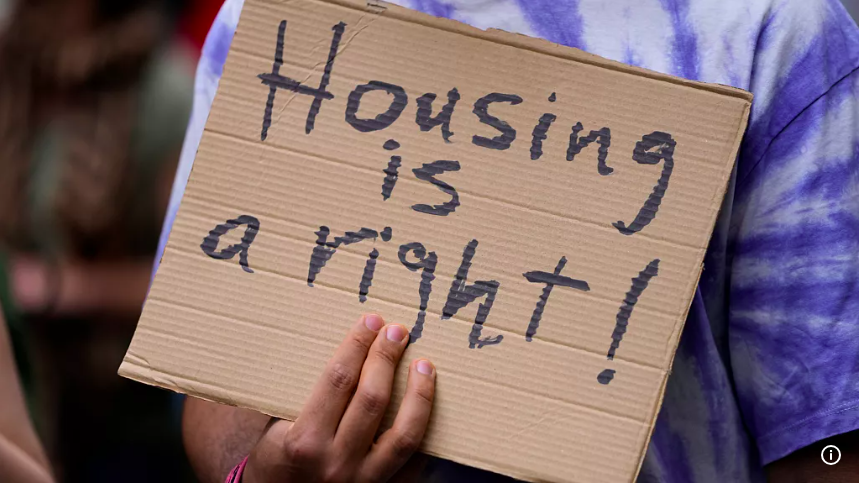
These models work because they shift the focus from housing as a commodity to housing as a human right. Rather than allowing short-term profits to dictate who gets to live where, they prioritise access, stability, and community.
The Path Forward
If the EU is to truly address this crisis, a paradigm shift is necessary. Eduards believes it’s time to build up “a critical mass of housing that is responsible, that caters to societal needs, and is not only about maximising short-term profit month-to-month.”
This doesn’t mean abandoning the market entirely—but it does require robust public investment, stricter regulations on short-term rentals, and a renewed commitment to affordable and social housing. Governments need to prioritise youth housing not only to meet current needs, but to invest in the future of the continent.
Housing is more than shelter. It is the foundation upon which young people build careers, families, and communities. Without bold action, we risk a future where an entire generation is locked out of opportunity—not because they lack ambition, but because they can’t afford a place to live.
Conclusion
Europe’s housing crisis is more than a market failure—it’s a social emergency, and young people are paying the highest price. As housing costs spiral and affordable options dwindle, the dream of independence, stability, and opportunity slips further out of reach for the EU’s youth. But this crisis is not without solutions. Across Europe, models like housing cooperatives, social housing, and limited-profit developments are proving that change is possible.
What’s needed now is political will—a decisive shift away from market-only thinking and toward policies that treat housing as a public good. If Europe is serious about securing its future, it must start by making sure that young people can afford to live, grow, and thrive where they are needed most. Housing must stop being an investment for the few, and start being a foundation for the many.
Call to Action:
EU leaders must recognise that affordable housing is not a luxury—it’s a necessity. For Europe’s youth to thrive, housing must once again become a right, not a privilege. Let’s invest in solutions that serve people, not profits.
Young People Bear the Brunt of Europe’s Growing Housing Crisis
Young people across the EU are being hit hardest by the housing crisis, with skyrocketing rents, overcrowding, and a lack of affordable homes. Can public policy catch up in time to ease the burden?
Europe’s housing crisis is deepening—and it’s hitting young people the hardest. In 2023, the average household in the European Union spent 19.7% of its disposable income on housing. But for many young adults, that figure is far higher. According to Eurostat, a significant number of young people are spending at least 40% of their income just to keep a roof over their heads.
Register for Tekedia Mini-MBA edition 20 (June 8 – Sept 5, 2026).
Register for Tekedia AI in Business Masterclass.
Join Tekedia Capital Syndicate and co-invest in great global startups.
Register for Tekedia AI Lab.
This alarming trend is being driven by a perfect storm: a critical shortage of affordable homes, rising rents, and inflation that continues to outpace wage growth. The result? Many young Europeans are being priced out of the cities where they study, work, and hope to build their futures.
A Crisis of Affordability
Between 2010 and 2023, house prices in the EU surged by 48%, while rents rose by 22%. At the same time, overall inflation increased by 36%. For young people, who are often in the early stages of their careers or still studying, these price hikes represent an insurmountable burden.

Over a quarter of young people (26%) in the EU now live in overcrowded conditions—9.2% more than the overall population. Many are forced to stay with parents or share tight quarters with multiple roommates long after they would prefer to be living independently.
Sorcha Eduards, Secretary General of Housing Europe, warns that these conditions are eroding the basic building blocks of adulthood. “We are compromising the capacity of youth to become independent, start their own lives, start their families,” she told Euronews.
Market Failure and Policy Lag

According to Eduards, a fundamental shift in thinking is required. “We’ve relied too much on market forces,” she said, pointing to the long-term impacts of the 2008 financial crisis on Europe’s construction sector. The housing market’s supply side took a hit, with fewer construction companies operating and fewer homes being built.
Even as the European economy recovered, housing prices continued to rise faster than incomes, creating a widening gap between what people earn and what they must pay for shelter. “We wouldn’t be talking about the housing crisis if rents and house prices had stayed aligned with income,” Eduards noted.
The situation is worsened by the rise of short-term rentals, which remove long-term housing stock from the market. Platforms like Airbnb have boomed across Europe’s tourist cities, but this growth has come at a cost.
“We are not making sure that our cities can house our students, our low and middle-income groups, or the elderly,” Eduards said. “We end up in a situation where we have empty apartments that are merely investments. We’re pushing workers out to the outskirts, and students out of school.”
What’s Working—and Why
Despite the grim picture, several EU countries are showing that solutions do exist—if governments are willing to act.
- Germany has embraced housing cooperatives, with over 3.2 million people living in democratic, non-profit co-op housing.
- In Flanders, Belgium, poverty has dropped by 40% among those who gained access to social housing.
- Denmark offers youth-focused initiatives like housing scholarships, helping young people avoid chronic instability and homelessness.
- In the Netherlands, up to 30% of the population lives in limited-profit housing, where rents are capped and homes are preserved for long-term use rather than speculative gain.
These models work because they shift the focus from housing as a commodity to housing as a human right. Rather than allowing short-term profits to dictate who gets to live where, they prioritise access, stability, and community.
The Path Forward
If the EU is to truly address this crisis, a paradigm shift is necessary. Eduards believes it’s time to build up “a critical mass of housing that is responsible, that caters to societal needs, and is not only about maximising short-term profit month-to-month.”
This doesn’t mean abandoning the market entirely—but it does require robust public investment, stricter regulations on short-term rentals, and a renewed commitment to affordable and social housing. Governments need to prioritise youth housing not only to meet current needs, but to invest in the future of the continent.
Housing is more than shelter. It is the foundation upon which young people build careers, families, and communities. Without bold action, we risk a future where an entire generation is locked out of opportunity—not because they lack ambition, but because they can’t afford a place to live.
Conclusion
Europe’s housing crisis is more than a market failure—it’s a social emergency, and young people are paying the highest price. As housing costs spiral and affordable options dwindle, the dream of independence, stability, and opportunity slips further out of reach for the EU’s youth. But this crisis is not without solutions. Across Europe, models like housing cooperatives, social housing, and limited-profit developments are proving that change is possible.
What’s needed now is political will—a decisive shift away from market-only thinking and toward policies that treat housing as a public good. If Europe is serious about securing its future, it must start by making sure that young people can afford to live, grow, and thrive where they are needed most. Housing must stop being an investment for the few, and start being a foundation for the many.
Call to Action:
EU leaders must recognise that affordable housing is not a luxury—it’s a necessity. For Europe’s youth to thrive, housing must once again become a right, not a privilege. Let’s invest in solutions that serve people, not profits.
Share this:
- Click to share on Facebook (Opens in new window) Facebook
- Click to share on X (Opens in new window) X
- Click to share on WhatsApp (Opens in new window) WhatsApp
- Click to share on LinkedIn (Opens in new window) LinkedIn
- Click to email a link to a friend (Opens in new window) Email
- Click to print (Opens in new window) Print