

Zulu King Challenges Professor to Stick Fight Amid Cultural Tensions

Quote from Alex Bobby on September 15, 2025, 5:20 AM
Zulu King Challenges Professor to Stick Fight Amid Cultural Tensions
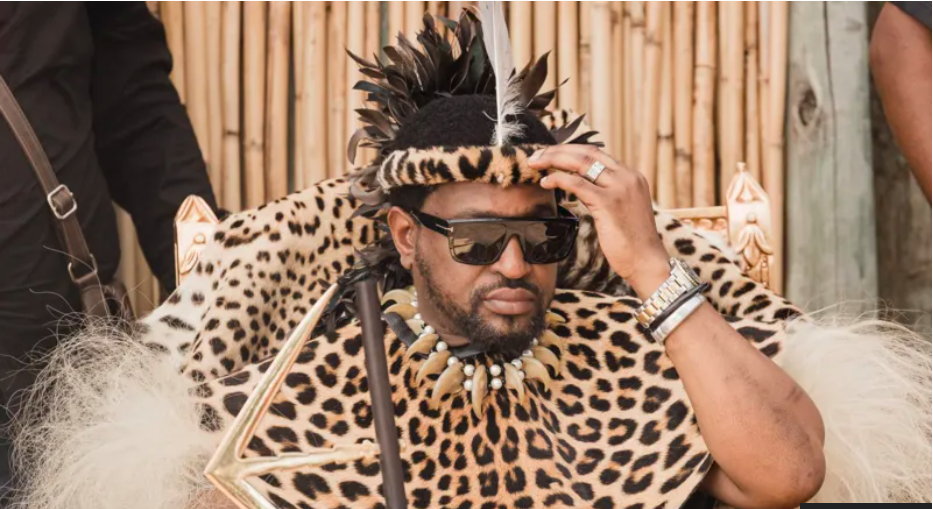
In an unusual and dramatic display at one of South Africa’s most significant cultural events, King Misuzulu kaZwelithini, the leader of the nation’s large Zulu community, publicly challenged Professor Musa Xulu to a stick fight, claiming that both he and the entire Zulu nation had been insulted. The challenge took place in front of thousands of attendees at the newly built royal palace during the annual Reed Dance, a ceremony that celebrates Zulu culture and tradition.
“We are angry and we will do anything to protect and preserve our cultures,” King Misuzulu declared, according to reports from the Times-live news site. His statement was brief but impactful, signalling the seriousness with which he perceived the perceived slight against his leadership and the Zulu nation.
The Incident
Prof Musa Xulu, a 64-year-old cultural expert with doctorates in Zulu music and cultural tourism, was the subject of the king’s challenge. Speaking to the BBC, Prof Xulu said he took the king’s personal challenge as a joke, though he expressed concern for his safety given threats he claimed to have received from “hired assassins.” The professor confirmed that he had lodged a formal complaint with the police for protection.
Prof Xulu suggested that the king’s anger was likely triggered by an interview he gave to local media in which he commented on the financial aspects of the Zulu monarchy’s recent developments. Specifically, he questioned the necessity of moving the annual Reed Dance to the newly constructed eMashobeni palace when 152 million rand ($9 million; £6.5 million) had already been spent on renovating the traditional Enyokeni palace, which had hosted the event since 1984.
“Talking about public finance is not an insult,” Prof Xulu told the BBC. “I have nothing personal against the king. I’m not his spokesperson.”
Cultural Significance of Stick-Fighting
The stick fight, known as umshayo in Zulu culture, is a traditional practice often used to display skill, courage, and resolve. However, Prof Xulu stressed that stick-fighting requires participants to be equals, a condition he said he does not meet as an academic in comparison to the king. “I have not done any stick-fighting since before I was a teenager,” he added, underscoring the symbolic rather than literal nature of the king’s challenge.
Despite the challenge being framed as a personal confrontation, it reflects the broader cultural and social significance of the Zulu monarchy in contemporary South Africa. While the throne carries no formal political power, the Zulu king is an immensely influential figure. Roughly one in five South Africans identify as Zulu, and the monarchy receives a taxpayer-funded annual budget exceeding $4.9 million (£3.5 million), demonstrating its continued societal importance.
The King’s Perspective
King Misuzulu, 50, ascended to the throne in 2022 after a year-long succession dispute following the death of his father, long-time King Goodwill Zwelithini, and shortly thereafter, his mother. During that period, two of his brothers contested his claim to the throne. Ultimately, he was officially recognised by both the Zulu royal household and the South African government.
In his public remarks at the Reed Dance, the king did not detail what Prof Xulu had said to provoke the challenge. However, he emphasised that criticism directed at him personally was perceived as an insult to the Zulu nation as a whole. “It pains me to see another man telling me how to do my job. It is okay if he is against me, but when he insults me, he insults the Zulu nation as well,” he said, according to IOL.
He further amplified the challenge, stating: “If his friends are here, go and tell him that there is a fighting ring—if he wants a stick fight because I can take him up.” The bold statement was met with gasps and murmurs from the gathered crowd, highlighting both the gravity and the spectacle of the event.
Reactions and Concerns
The incident has raised eyebrows both within South Africa and internationally. While some commentators see the challenge as an unusual display of cultural pride, others have expressed concern for Prof Xulu’s personal safety. The professor admitted that he had received threats from unknown individuals and emphasised that he did not intend to provoke the king.
Cultural experts note that the incident underscores the sensitive balance between modern critique and respect for traditional authority in South Africa. The Zulu monarchy remains a highly respected institution, with its influence extending beyond ceremonial functions to social and cultural leadership. The king’s public defence of cultural norms, while extreme in this instance, reflects ongoing tensions in how traditional authorities interact with contemporary critique.
The Historical Context
The Zulu kingdom has a long and storied history. It is globally recognised for its military prowess, most famously in the 1879 Battle of Isandlwana, where Zulu forces defeated British troops in one of the most significant victories by indigenous African forces during colonial expansion. Today, the monarchy serves as a symbolic custodian of Zulu traditions, culture, and social cohesion, making any perceived slight a matter of public and cultural importance.
Stick-fighting, in particular, has historically been both a rite of passage and a ceremonial demonstration of skill, courage, and honour within the Zulu community. King Misuzulu’s challenge, therefore, carries deep cultural resonance, even if it is unlikely to result in a literal confrontation with Prof Xulu.
Broader Implications
The episode highlights the sometimes complex interplay between modern freedoms of speech and traditional cultural authority. While Prof Xulu’s comments on the costs of palace renovations were intended as constructive critique, the king interpreted them as an affront to both his leadership and the broader Zulu nation.
Analysts suggest that the public nature of the challenge may serve as a symbolic reaffirmation of the monarchy’s authority and the importance of cultural respect. It also underscores how traditional leaders continue to influence public perception, particularly in communities where cultural heritage remains a central aspect of identity.
Moving Forward
While the idea of a stick fight between a king and a professor may sound theatrical, it draws attention to ongoing discussions about authority, culture, and public accountability in South Africa. The incident is a reminder that words carry weight, especially when addressing figures of significant cultural importance.
For now, Prof Xulu has chosen caution, acknowledging the king’s authority while also seeking protection through formal channels. King Misuzulu, meanwhile, continues to assert his role as a defender of Zulu tradition, demonstrating the enduring power and influence of one of Africa’s most prominent monarchies.
The story, blending ceremonial spectacle, cultural pride, and modern debate, will likely continue to capture national attention, illustrating the delicate balance between tradition and contemporary critique in South Africa.
Final thoughts
The dramatic stick-fight challenge issued by King Misuzulu underscores the ongoing relevance of traditional authority in modern South Africa. While the confrontation with Professor Musa Xulu is unlikely to result in an actual fight, it highlights the tension between cultural respect, public critique, and personal accountability.
Looking forward, this incident may spark wider discussions about how modern society interacts with traditional leadership, particularly when sensitive cultural symbols are involved. It also offers an opportunity to explore new ways of balancing freedom of expression with respect for heritage, ensuring that cultural pride can coexist with critical dialogue in a rapidly evolving nation.
Conclusion
The stick-fight challenge between King Misuzulu and Professor Musa Xulu is a striking example of the intersection between tradition, cultural authority, and modern critique. While it may seem theatrical, the incident reflects the deep respect and influence the Zulu monarchy continues to hold in South Africa, as well as the sensitivities surrounding public commentary on cultural practices and leadership.
Ultimately, the episode highlights the need for balance: acknowledging the authority and significance of traditional leaders while fostering space for thoughtful critique and dialogue. As South Africa navigates this intersection of heritage and modernity, incidents like this serve as a reminder of the enduring power of cultural symbols and the importance of mutual respect in maintaining social cohesion.
Meta Description:
King Misuzulu of South Africa’s Zulu nation challenges Professor Musa Xulu to a stick fight after feeling insulted, sparking debates on cultural respect, tradition, and modern critique in South Africa.
Zulu King Challenges Professor to Stick Fight Amid Cultural Tensions
In an unusual and dramatic display at one of South Africa’s most significant cultural events, King Misuzulu kaZwelithini, the leader of the nation’s large Zulu community, publicly challenged Professor Musa Xulu to a stick fight, claiming that both he and the entire Zulu nation had been insulted. The challenge took place in front of thousands of attendees at the newly built royal palace during the annual Reed Dance, a ceremony that celebrates Zulu culture and tradition.
“We are angry and we will do anything to protect and preserve our cultures,” King Misuzulu declared, according to reports from the Times-live news site. His statement was brief but impactful, signalling the seriousness with which he perceived the perceived slight against his leadership and the Zulu nation.
Register for Tekedia Mini-MBA edition 20 (June 8 – Sept 5, 2026).
Register for Tekedia AI in Business Masterclass.
Join Tekedia Capital Syndicate and co-invest in great global startups.
Register for Tekedia AI Lab.
The Incident
Prof Musa Xulu, a 64-year-old cultural expert with doctorates in Zulu music and cultural tourism, was the subject of the king’s challenge. Speaking to the BBC, Prof Xulu said he took the king’s personal challenge as a joke, though he expressed concern for his safety given threats he claimed to have received from “hired assassins.” The professor confirmed that he had lodged a formal complaint with the police for protection.
Prof Xulu suggested that the king’s anger was likely triggered by an interview he gave to local media in which he commented on the financial aspects of the Zulu monarchy’s recent developments. Specifically, he questioned the necessity of moving the annual Reed Dance to the newly constructed eMashobeni palace when 152 million rand ($9 million; £6.5 million) had already been spent on renovating the traditional Enyokeni palace, which had hosted the event since 1984.

“Talking about public finance is not an insult,” Prof Xulu told the BBC. “I have nothing personal against the king. I’m not his spokesperson.”
Cultural Significance of Stick-Fighting
The stick fight, known as umshayo in Zulu culture, is a traditional practice often used to display skill, courage, and resolve. However, Prof Xulu stressed that stick-fighting requires participants to be equals, a condition he said he does not meet as an academic in comparison to the king. “I have not done any stick-fighting since before I was a teenager,” he added, underscoring the symbolic rather than literal nature of the king’s challenge.

Despite the challenge being framed as a personal confrontation, it reflects the broader cultural and social significance of the Zulu monarchy in contemporary South Africa. While the throne carries no formal political power, the Zulu king is an immensely influential figure. Roughly one in five South Africans identify as Zulu, and the monarchy receives a taxpayer-funded annual budget exceeding $4.9 million (£3.5 million), demonstrating its continued societal importance.
The King’s Perspective
King Misuzulu, 50, ascended to the throne in 2022 after a year-long succession dispute following the death of his father, long-time King Goodwill Zwelithini, and shortly thereafter, his mother. During that period, two of his brothers contested his claim to the throne. Ultimately, he was officially recognised by both the Zulu royal household and the South African government.
In his public remarks at the Reed Dance, the king did not detail what Prof Xulu had said to provoke the challenge. However, he emphasised that criticism directed at him personally was perceived as an insult to the Zulu nation as a whole. “It pains me to see another man telling me how to do my job. It is okay if he is against me, but when he insults me, he insults the Zulu nation as well,” he said, according to IOL.
He further amplified the challenge, stating: “If his friends are here, go and tell him that there is a fighting ring—if he wants a stick fight because I can take him up.” The bold statement was met with gasps and murmurs from the gathered crowd, highlighting both the gravity and the spectacle of the event.
Reactions and Concerns
The incident has raised eyebrows both within South Africa and internationally. While some commentators see the challenge as an unusual display of cultural pride, others have expressed concern for Prof Xulu’s personal safety. The professor admitted that he had received threats from unknown individuals and emphasised that he did not intend to provoke the king.
Cultural experts note that the incident underscores the sensitive balance between modern critique and respect for traditional authority in South Africa. The Zulu monarchy remains a highly respected institution, with its influence extending beyond ceremonial functions to social and cultural leadership. The king’s public defence of cultural norms, while extreme in this instance, reflects ongoing tensions in how traditional authorities interact with contemporary critique.
The Historical Context
The Zulu kingdom has a long and storied history. It is globally recognised for its military prowess, most famously in the 1879 Battle of Isandlwana, where Zulu forces defeated British troops in one of the most significant victories by indigenous African forces during colonial expansion. Today, the monarchy serves as a symbolic custodian of Zulu traditions, culture, and social cohesion, making any perceived slight a matter of public and cultural importance.
Stick-fighting, in particular, has historically been both a rite of passage and a ceremonial demonstration of skill, courage, and honour within the Zulu community. King Misuzulu’s challenge, therefore, carries deep cultural resonance, even if it is unlikely to result in a literal confrontation with Prof Xulu.
Broader Implications
The episode highlights the sometimes complex interplay between modern freedoms of speech and traditional cultural authority. While Prof Xulu’s comments on the costs of palace renovations were intended as constructive critique, the king interpreted them as an affront to both his leadership and the broader Zulu nation.
Analysts suggest that the public nature of the challenge may serve as a symbolic reaffirmation of the monarchy’s authority and the importance of cultural respect. It also underscores how traditional leaders continue to influence public perception, particularly in communities where cultural heritage remains a central aspect of identity.
Moving Forward
While the idea of a stick fight between a king and a professor may sound theatrical, it draws attention to ongoing discussions about authority, culture, and public accountability in South Africa. The incident is a reminder that words carry weight, especially when addressing figures of significant cultural importance.
For now, Prof Xulu has chosen caution, acknowledging the king’s authority while also seeking protection through formal channels. King Misuzulu, meanwhile, continues to assert his role as a defender of Zulu tradition, demonstrating the enduring power and influence of one of Africa’s most prominent monarchies.
The story, blending ceremonial spectacle, cultural pride, and modern debate, will likely continue to capture national attention, illustrating the delicate balance between tradition and contemporary critique in South Africa.
Final thoughts
The dramatic stick-fight challenge issued by King Misuzulu underscores the ongoing relevance of traditional authority in modern South Africa. While the confrontation with Professor Musa Xulu is unlikely to result in an actual fight, it highlights the tension between cultural respect, public critique, and personal accountability.
Looking forward, this incident may spark wider discussions about how modern society interacts with traditional leadership, particularly when sensitive cultural symbols are involved. It also offers an opportunity to explore new ways of balancing freedom of expression with respect for heritage, ensuring that cultural pride can coexist with critical dialogue in a rapidly evolving nation.
Conclusion
The stick-fight challenge between King Misuzulu and Professor Musa Xulu is a striking example of the intersection between tradition, cultural authority, and modern critique. While it may seem theatrical, the incident reflects the deep respect and influence the Zulu monarchy continues to hold in South Africa, as well as the sensitivities surrounding public commentary on cultural practices and leadership.
Ultimately, the episode highlights the need for balance: acknowledging the authority and significance of traditional leaders while fostering space for thoughtful critique and dialogue. As South Africa navigates this intersection of heritage and modernity, incidents like this serve as a reminder of the enduring power of cultural symbols and the importance of mutual respect in maintaining social cohesion.
Meta Description:
King Misuzulu of South Africa’s Zulu nation challenges Professor Musa Xulu to a stick fight after feeling insulted, sparking debates on cultural respect, tradition, and modern critique in South Africa.
Share this:
- Click to share on Facebook (Opens in new window) Facebook
- Click to share on X (Opens in new window) X
- Click to share on WhatsApp (Opens in new window) WhatsApp
- Click to share on LinkedIn (Opens in new window) LinkedIn
- Click to email a link to a friend (Opens in new window) Email
- Click to print (Opens in new window) Print