

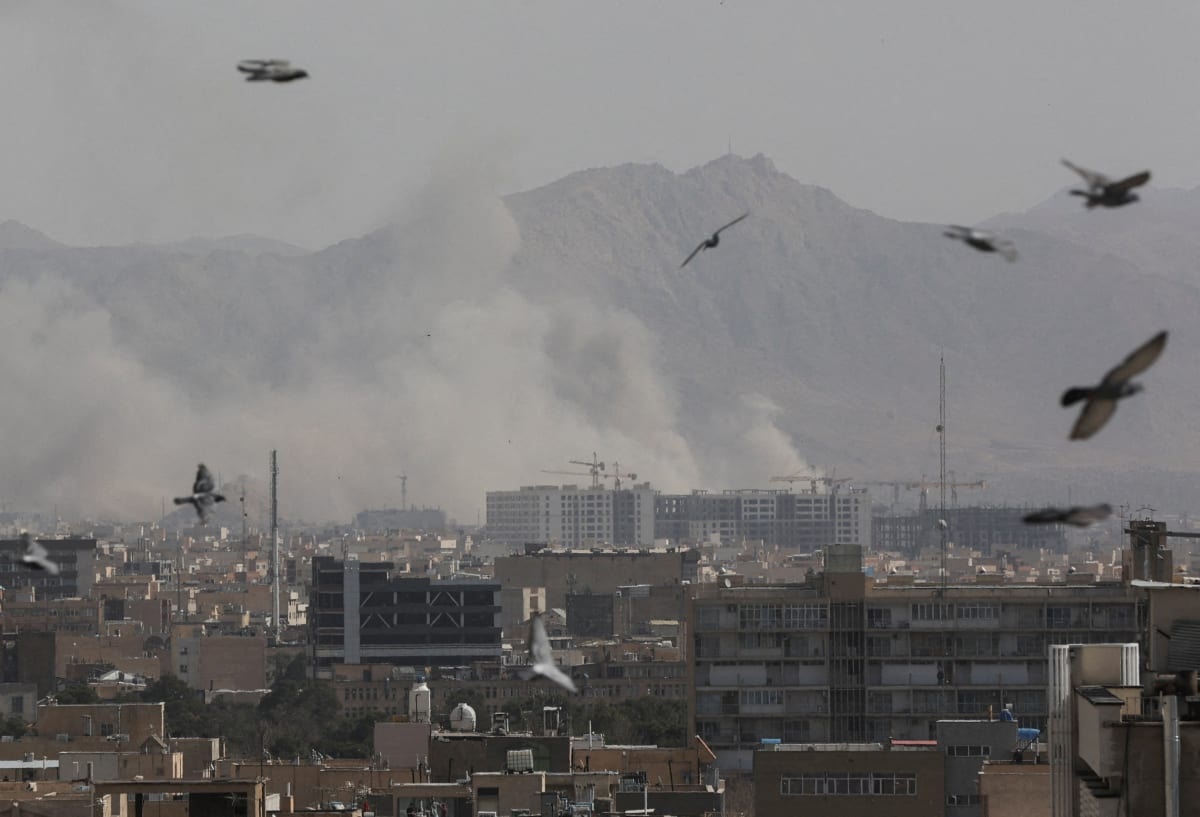
Gold and Silver are extending gains today driven primarily by heightened safe-haven demand amid escalating geopolitical tensions in the Middle East, particularly the ongoing conflict involving US and Israeli strikes on Iran, which has intensified regional instability and raised fears of broader war.
Spot Gold: Hovering around $5,300–$5,400 per ounce, with recent levels reported between approximately $5,325–$5,406 up sharply, e.g., +$100–$160 in sessions, or roughly 2–3%.
Spot Silver: Around $90–$95 per ounce, with futures showing gains like +$2–$4; March silver at ~$94.71, up notably but with some volatility. These moves mark four-week highs for gold in some reports, with futures extending rallies on strong buying interest.
Register for Tekedia Mini-MBA edition 20 (June 8 – Sept 5, 2026).
Register for Tekedia AI in Business Masterclass.
Join Tekedia Capital Syndicate and co-invest in great global startups.
Register for Tekedia AI Lab.
The primary catalyst is the US-Iran conflict escalation, including strikes that reportedly killed high-profile figures like Ayatollah Ali Khamenei, sparking safe-haven flows into precious metals. This has overshadowed other factors like: Potential oil price spikes and inflation fears reducing expectations for rate cuts.
Broader macro support from central bank gold buying, ETF inflows, and a softer US dollar in parts of the session. Silver often amplifies gold’s moves due to its dual role as a safe-haven and industrial metal, though it’s shown more volatility recently.
Analysts see potential for further upside if tensions persist: Gold could test $5,500+ or even approach $6,000 in extreme escalation scenarios with oil staying elevated. Silver may track gold higher, potentially toward $100+ or more in bullish cases. However, prices remain volatile—expect pullbacks on any de-escalation signals or profit-taking.

The precious metals complex has been in a strong bull phase overall in 2026 so far, building on massive 2025 gains. The escalation in the US-Israel-Iran conflict—including strikes that killed Iran’s Supreme Leader Ayatollah Ali Khamenei over the weekend—has caused a sharp surge in oil prices.
This directly ties into the same geopolitical tensions driving gains in gold and silver, as markets price in risks to global energy supply. Brent Crude: Trading around $78–$80 per barrel, up roughly 7–10% or more in intraday spikes from Friday’s close. It briefly touched over $82 earlier in the session before paring back.
WTI Crude (US benchmark): Around $71–$73 per barrel, up about 6–9% with initial jumps over 10%. These represent multi-month highs, with Brent at levels not seen since early 2025 in some reports. The primary trigger is fears of supply disruptions in the Middle East: Strait of Hormuz; chokepoint for ~20% of global oil flows has seen tanker traffic halt or severely slow due to the conflict, Iranian retaliation, and related threats and attacks on shipping.
Attacks and retaliatory strikes have hit or threatened energy infrastructure; reports of drone interceptions at Saudi facilities, disruptions in Qatar gas production, and broader regional spillover into Lebanon and Gulf states.
Iran’s response and the ongoing war (now in its third day) raise risks of prolonged closures, facility shutdowns, or wider involvement of OPEC+ producers. This has overshadowed other factors like recent OPEC+ output increases or prior softer supply outlooks.

Analysts note the move is a classic “risk premium” spike, amplified by the high-profile killing of Khamenei, which has intensified uncertainty. Gasoline and energy costs for consumers are expected to rise soon potentially noticeable at US pumps within days and weeks, though not yet a massive spike unless disruptions persist.
Natural gas in Europe has seen even sharper jumps; +40% in some futures due to Qatar supply concerns. If the conflict widens, blocks the Strait longer, or damages key production and export sites, prices could spike toward $100+ per barrel; warnings from analysts at RBC, Wood Mackenzie, etc.
De-escalation, quick reopening of shipping lanes, or increased output from Saudi Arabia and UAE could cap or reverse gains. Some forecasts see prices settling back to $65–$80 if the war remains contained.
Oil’s rally is part of the same flight-to-safety and commodity disruption dynamic boosting precious metals—gold near $5,300–$5,400 and silver higher amid safe-haven buying and inflation fears from energy costs.