

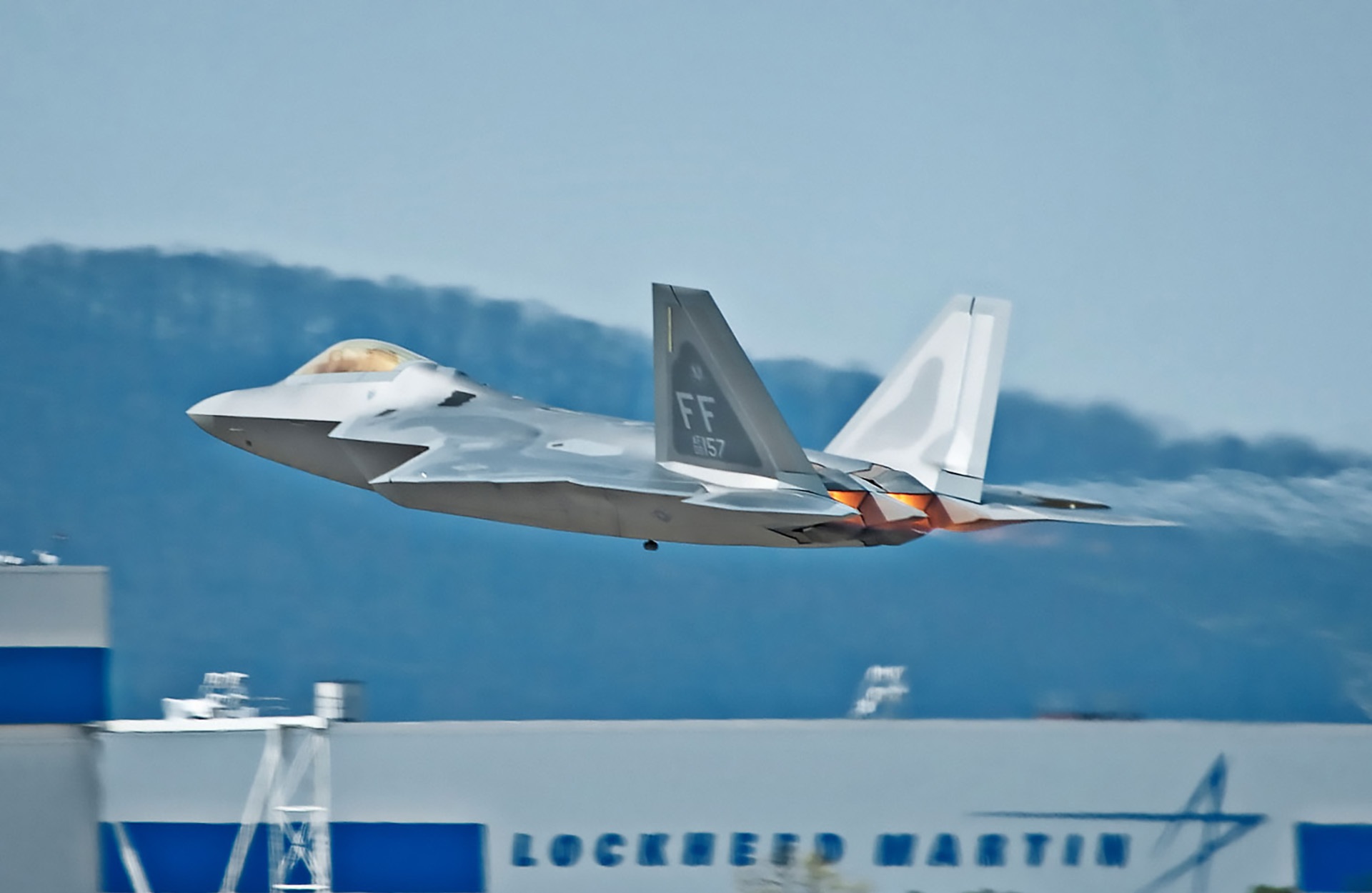
A US Air Force F-15E Strike Eagle (a two-seat fighter jet) was shot down over southwestern or western Iran— the first known US manned combat aircraft lost to enemy fire in over 20 years. Iran’s Islamic Revolutionary Guard Corps (IRGC) claimed responsibility, stating their air defenses downed the jet.
US officials confirmed the incident but provided limited initial details due to operational security. Both crew members; the pilot and the weapons systems officer, reportedly a colonel successfully ejected. The pilot was located and rescued relatively quickly within hours on the same day by US forces.
The F-15E Strike Eagle is a two-seat, all-weather multirole fighter derived from the F-15 Eagle air superiority platform. It excels in deep interdiction, precision air-to-ground strikes, and retaining strong air-to-air capabilities. Designed in the 1980s for long-range, high-speed strikes without needing escorts or dedicated electronic warfare support, it remains a key USAF asset in 2026, with ongoing upgrades enhancing its survivability and lethality.
Register for Tekedia Mini-MBA edition 20 (June 8 – Sept 5, 2026).
Register for Tekedia AI in Business Masterclass.
Join Tekedia Capital Syndicate and co-invest in great global startups.
Register for Tekedia AI Lab.
Crew: 2; pilot in front seat + weapons systems officer/WSO in rear for targeting, navigation, and weapons management. Dimensions: Wingspan 42.8 ft (13 m), length 63.8 ft (19.44 m), height 18.5 ft (5.6 m). Weights: Maximum takeoff weight ~81,000 lb (36,700 kg); external payload capacity up to ~23,000–24,500 lb (10,400–11,100 kg) of ordnance, fuel tanks, and pods.
Powerplant: 2 × Pratt & Whitney F100-PW-220 or more commonly on later aircraft F100-PW-229 afterburning turbofan engines. Thrust: ~25,000 lb (F100-PW-220) to ~29,000 lb (F100-PW-229) per engine. High thrust-to-weight ratio enables excellent acceleration; idle to max afterburner in under 4 seconds in some configs.
The second crew member (weapons officer) was separated, seriously injured, and evaded capture for over 24–48 hours in rugged, remote mountainous terrain. He reportedly hid, climbed significant elevation (one account mentioned nearly 7,000 feet while injured), and faced an Iranian manhunt that included a bounty. US special operations forces (including Navy SEALs in some reports) conducted a high-risk night raid deep inside Iranian territory to extract him early on April 5 (local time).
President Trump publicly confirmed the successful rescues, calling one an Easter Miracle and the overall operation one of the most daring in US history, emphasizing WE GOT HIM! and WE WILL NEVER LEAVE AN AMERICAN WARFIGHTER BEHIND. He described it as the first time in military memory that two US pilots were rescued separately deep in enemy territory.
The mission involved multiple aircraft, including helicopters and a supporting A-10 Warthog which itself came under fire, forcing its pilot to eject over the Persian Gulf, where he was safely recovered. The operation occurred under challenging conditions: broad daylight elements for one rescue, hostile territory with Iranian search teams active, and coordination that reportedly included intelligence support possibly Israeli.

No US fatalities were reported from the rescues, though one airman was seriously wounded. Iran has made additional claims, including downing other US aircraft e.g., F-35s, which the US has denied and releasing images of wreckage. Some Iranian officials suggested the rescue operation might have had secondary objectives, such as targeting enriched uranium sites near Isfahan, though these appear unverified or propagandistic.
This incident occurred amid wider US and Israeli strikes on Iranian targets, including infrastructure and military sites, with tensions involving the Strait of Hormuz and regional escalation. The rescues have been portrayed in US media as a significant success highlighting special operations capabilities, while Iran frames it as part of ongoing conflict.
Iran’s Foreign Ministry Spokesperson Stated Recent Downed Airman May Have Been a Cover to Steal Enriched Uranium
Iran’s Foreign Ministry Spokesperson Esmaeil Baqaei stated that a recent US operation to rescue a downed airman may have been a cover to steal enriched uranium from Iranian territory, calling it a possible deception operation that should not be overlooked. He cited many questions and uncertainties about the mission’s details, including its location.

This stems from a US rescue mission reportedly involving special forces like SEAL Team 6, air support, and possibly MC-130s or helicopters to extract an injured crew member from a downed F-15E Strike Eagle in hostile Iranian terrain. US officials, including President Trump, described it as a high-risk success—sometimes called an Easter miracle or one of the most daring rescues—after the airman survived roughly 36–48 hours.
Iran’s military claimed the operation faced disruptions, involved losses, and occurred near sensitive areas like Isfahan; home to nuclear-related facilities. Iranian sources portrayed it as a failure or completely foiled. Tehran’s allegation ties into broader accusations that the mission’s scale, timing, and proximity to nuclear sites suggest a covert raid on enriched uranium stockpiles rather than a straightforward rescue.
Some Iranian statements mention craters or strikes to delay response forces. This fits Tehran’s pattern of framing US/Israeli actions as aggressive plots against its nuclear program, especially amid heightened tensions. Enriched uranium is a core issue in Iran’s nuclear activities, which it insists are peaceful but which the West and Israel view with deep suspicion due to enrichment levels, lack of full IAEA cooperation, and past covert elements.
No public US acknowledgment supports the theft claim. Official accounts focus on recovering the airman and crew from a crash in contested territory. Extraordinary claims like a secret uranium heist during a rescue would require substantial evidence which hasn’t surfaced publicly.
Large-scale special operations can have layered objectives, and special forces have conducted raids on high-value targets before. However, stealing significant quantities of enriched uranium; a heavily guarded, radioactive, traceable material mid-rescue in Iranian territory would be logistically immense—requiring secure transport, evasion of defenses, and avoiding detection and traceability.
Iran has not provided concrete proof of missing uranium or a botched raid beyond questioning logistics and claiming disruptions. Online speculation has circulated but remains unverified. This is classic information warfare in a hot conflict zone: Iran uses the narrative to portray the US as the aggressor and rally domestic and international support, while the US highlights operational success.
Without independent verification, the accusation functions more as propaganda than established fact. Tensions remain high, with risks of escalation. Iran’s nuclear program is a long-running effort centered on uranium enrichment and related fuel cycle activities. Iran maintains it is entirely peaceful, but many Western governments, the IAEA, and Israel suspect it has included weapons-related dimensions in the past and retains the potential for rapid weaponization.
Iran’s program suffered major setbacks from Israeli and U.S. military strikes in June 2025 targeting key sites. Damage included above-ground facilities, electrical infrastructure, and some underground elements at enrichment and support sites. However, much of the highly enriched uranium stockpile appears to have survived, largely stored in underground tunnels especially at Isfahan, which were harder to destroy.