

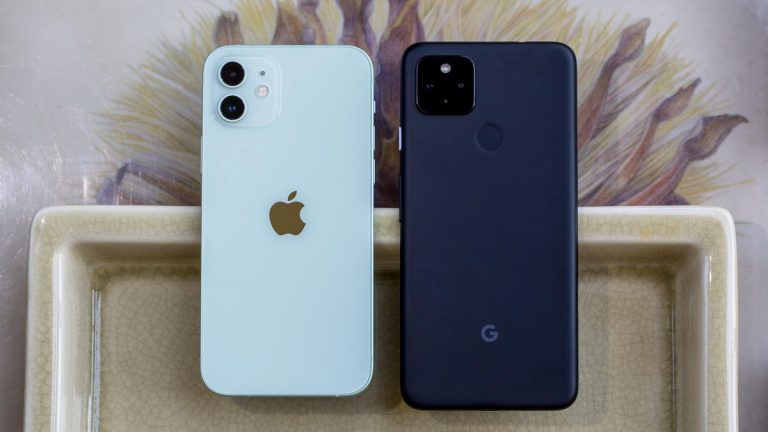
Google has secured a significant victory in the long-running U.S. v. Google antitrust battle, after a federal district court judge ruled Tuesday that the company can continue making search distribution deals—including its reported $20 billion arrangement with Apple to remain the default search option on Safari.
The ruling, delivered by Judge Amit Mehta, represents a sharp blow to the Justice Department (DOJ), which had sought far more aggressive remedies against Google after Mehta ruled last year that the company maintained an illegal monopoly in the online search and advertising markets.
“Google will not be barred from making payments or offering other consideration to distribution partners for preloading or placement of Google Search, Chrome, or its GenAI products,” Mehta wrote. “Cutting off payments from Google almost certainly will impose substantial—in some cases, crippling—downstream harms to distribution partners, related markets, and consumers, which counsels against a broad payment ban.”
Register for Tekedia Mini-MBA edition 20 (June 8 – Sept 5, 2026).
Register for Tekedia AI in Business Masterclass.
Join Tekedia Capital Syndicate and co-invest in great global startups.
Register for Tekedia AI Lab.
The decision preserves the highly lucrative deal between Google and Apple, under which the search giant reportedly pays more than $20 billion annually to remain the default search engine on Safari across iPhones, iPads, and Mac devices. That arrangement has long been a target of antitrust critics, who argue it cements Google’s dominance and squeezes out rivals.
Mozilla’s Defense of Google Deals
Apple was not the only company to defend its partnership with Google. Mozilla, developer of the Firefox browser, also testified that its financial relationship with Google is critical to survival. Mozilla’s CFO argued during the remedies trial that without Google’s payments, Firefox “might be doomed,” underscoring how dependent smaller browser makers are on Google’s distribution dollars.
These testimonies appear to have influenced Mehta’s decision, with the court recognizing that banning Google’s financial arrangements could harm not only Google’s rivals but also consumers who rely on alternative browsers.

Limited Remedies, No Breakup
While the DOJ had pushed for structural remedies, including the possible divestiture of Google’s Chrome browser and even its Android mobile operating system, Mehta declined to go that far. The court ruled that Google would not be required to offer choice screens on its products—another potential remedy the DOJ had championed.
Instead, Google faces narrower obligations, such as being required to share some search index and user interaction data with competitors. However, Mehta stopped short of ordering Google to share advertising data, narrowing the scope of data-sharing to protect Google’s business model.
Google Plans Appeal
Google immediately framed the ruling as a recognition of the competitive realities of the tech industry. The company has long argued that exclusive distribution agreements help fund innovation and support its partners while giving consumers better search services.

Still, despite escaping the most severe remedies, Google has said it will appeal aspects of the case. The DOJ, too, is expected to challenge the ruling, given its limited impact relative to the sweeping measures prosecutors had requested.
Broader Implications of The Ruling
Deciding on the DOJ’s lawsuit was challenging due to Google’s entrenched role in the U.S. and global economy. The tech giant had argued earlier that breaking it up would hurt the U.S. digital economy.
While Judge Mehta last year found Google guilty of monopolization under Section 2 of the Sherman Act, this remedies ruling shows that proving anticompetitive conduct is one challenge, but imposing remedies without causing collateral damage to consumers and partner companies is another.
The ruling is also a reminder of the sheer scale of Google’s financial reach. Paying Apple $20 billion annually to maintain default status illustrates how central search distribution deals are to Google’s empire—and how costly they could be for rivals attempting to compete.
Following this ruling, Google will continue to dominate the default search experience for billions of users across Apple and Mozilla products – at least for now. But with the appeals and regulatory scrutiny in both the United States and Europe, the battle over Google’s search monopoly is far from over.