

Ken Griffin, founder and CEO of the hedge fund giant Citadel, highlighted a significant shift in investor behavior during a Bloomberg interview.
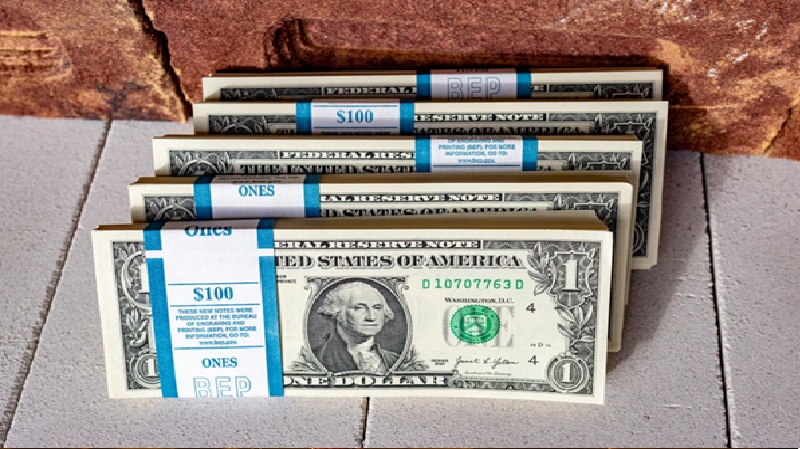
He described how individuals and institutions are increasingly allocating capital to gold, silver, and Bitcoin as part of what’s being called the “debasement trade”—a strategy to hedge against the erosion of the U.S. dollar’s value due to inflation, excessive money printing, and rising sovereign debt risks.
This trend, Griffin noted, reflects broader efforts to “de-dollarize” portfolios and mitigate exposure to U.S. fiscal uncertainties, including an ongoing government shutdown and expectations of Federal Reserve rate cuts.
Griffin attributed the move to several interconnected factors: The U.S. dollar has declined about 10% year-to-date in 2025, its worst performance in decades, amid inflation running above the Fed’s 2% target and forecasts suggesting it will persist into 2026.
Register for Tekedia Mini-MBA edition 20 (June 8 – Sept 5, 2026).
Register for Tekedia AI in Business Masterclass.
Join Tekedia Capital Syndicate and co-invest in great global startups.
Register for Tekedia AI Lab.
He likened the U.S. economy to being on a “sugar high” from recession-level stimulus measures, fueling asset inflation across markets like stocks, gold, and crypto—despite no actual recession.
With U.S. debt levels soaring and political gridlock (e.g., the shutdown), investors are seeking “non-sovereign” assets that aren’t tied to government promises.
Griffin called this dynamic “really concerning,” as it signals eroding global confidence in the dollar as the ultimate safe haven. This strategy has propelled gold, silver, and Bitcoin to new heights in 2025, with unusual correlations emerging between them and even traditional equities like the S&P 500.

Investors are increasingly viewing gold as a safer store of value than the dollar, with portfolios being “de-risked” against U.S. government debt and fiscal policies. Griffin noted that this includes a surge in crypto assets like Bitcoin, whose “unbelievable” appreciation underscores the trend.
He likened the U.S. economy to being on a “sugar high,” propped up by recession-like stimulus measures amid persistent inflation currently above the Fed’s 2% target and projected at 2-3% next year. Despite booming equities driven by AI and high-performance computing, underlying risks like a weakening dollar are being masked.
Griffin warned that this could erode global confidence in the U.S. as a financial hub, potentially accelerating moves by countries to settle trade in local currencies or digital assets. He also expressed concerns over policies like higher H-1B visa fees, which might deter international talent in STEM fields from coming to the U.S.

Gold and Bitcoin, in particular, have never before been the top two performing asset classes year-to-date, underscoring the novelty of this trade. Analysts like Yan Lee from Bitget describe them as “dual debasement trades,” emphasizing their scarcity and independence from central banks.
Wall Street echoes this: Goldman Sachs recently forecasted even higher gold prices, and ETF inflows into Bitcoin have accelerated, with firms like MicroStrategy pausing buys after amassing $79B in holdings.
While Griffin views this as a red flag for U.S. economic health, it validates Bitcoin’s maturation as a mainstream hedge—once dismissed by traditional finance, now grouped with gold and silver.
If the government shutdown drags on Polymarket odds favor it extending past October 15, or if inflation data disappoints, these assets could rally further, tightening their correlation and pressuring the dollar more.
For investors, it’s a reminder that in times of fiat uncertainty, “hard money” alternatives—physical or digital—are gaining traction as portfolio diversifiers.