DD
MM
YYYY

PAGES

DD
MM
YYYY

spot_img

PAGES

Home Blog Page 1003

Sabi Lays Off 20% Of Staff After Raising $38m, Pivots Toward High-Margin Commodity Export Business

0

Sabi, one of Africa’s fastest-growing B2B e-commerce startups, has laid off around 20% of its staff—about 50 employees—as it shifts focus away from retail digitization to double down on its fast-growing commodity export division.

The layoffs were confirmed by the company on Thursday and come as part of a broader restructuring aimed at consolidating resources around TRACE (Technology Rails for African Commodity Exchange), a new business vertical that is rapidly becoming Sabi’s growth engine.

Founded in Lagos in 2020, Sabi started as a software solution helping informal retailers digitize their inventory and sales—an urgent necessity during the COVID-19 pandemic when disruptions exposed inefficiencies in traditional supply chains. The platform quickly evolved into a full-fledged FMCG (fast-moving consumer goods) marketplace with embedded finance tools, allowing it to scale across Nigeria and later Kenya. By mid-2023, Sabi reported over 300,000 merchants and an annualized gross merchandise volume (GMV) of over $1 billion. That growth story helped the company raise $38 million in a Series B round at a $300 million valuation.

But even with strong traction, Sabi was not immune to the structural headwinds that have challenged African B2B e-commerce platforms: thin profit margins, high operational costs, and complex logistics. While many of its competitors leaned on asset-heavy models that burned through cash, Sabi adopted an asset-light approach that allowed it to remain profitable. However, the market shift became clear—retail digitization was growing slower than expected, while demand for traceable, ethically sourced commodities was accelerating globally.

In March 2024, Sabi launched TRACE, a business unit focused on exporting minerals and agricultural products like lithium, cobalt, tin, and cash crops. These exports are aimed at meeting rising global demand—especially from buyers in the U.S., Europe, and Asia—for commodities that are traceable, ESG-compliant, and ethically sourced. In less than a year, TRACE has scaled to exporting more than 20,000 metric tons of such commodities every month.

“Sabi is entering its next chapter, with a focused commitment to commodity trade and traceability for global customers,” the company said in a statement. “We’re doubling down on the part of our business seeing the most demand, built on the strong foundation we’ve laid since 2021 by supporting African merchants and their growth. To align with this momentum, we’ve made the difficult decision to restructure parts of our team.”

The restructuring reflects a broader transformation in Sabi’s business model, as the company pivots from its original mission of supporting small retailers to becoming a major infrastructure player in Africa’s commodity trade. TRACE leverages Sabi’s original digital and logistics infrastructure but applies it to export-focused supply chains. The goal: offer global buyers end-to-end visibility into commodity origins, from farm or mine to port, ensuring compliance with international sustainability and sourcing standards.

Sabi’s strategy aligns with growing international pressure on supply chains to become more transparent and sustainable. Traceability and ESG compliance are now considered premium features in the commodity markets. Sabi is tapping into a more profitable, scalable, and globally relevant opportunity by catering to that demand.

The company has also expanded its operations into the United States and hired senior executives to support its global growth. Its shift is being closely watched in Africa’s tech ecosystem, where many early-stage companies—particularly those focused on informal trade and logistics—are rethinking their paths to sustainability.

While the layoffs are a painful decision, the company said it remains committed to profitability and long-term growth. The asset-light structure that once supported informal retailers is now being repurposed to enable a new kind of African trade: one built on infrastructure, compliance, and global trust.

The pivot also illustrates a broader lesson in the African startup scene—scaling beyond the digitization of fragmented local markets may require stepping into the global value chain, particularly where Africa holds a competitive edge in raw materials and agriculture.

With this move, Sabi is seen as positioning itself not just as a B2B e-commerce platform, but as a cross-border trade enabler with the infrastructure to connect Africa’s commodity supply with international demand. It’s a bold move that may prove to be a blueprint for other tech firms navigating Africa’s difficult operating environment—and a signal that the continent’s most successful startups might be those that build for the world, not just for their neighborhood.

Sol Strategies’ Nasdaq Filing Is A Strategic Step

0

Sol Strategies, a Canadian firm focused on the Solana blockchain, filed Form 40-F with the U.S. Securities and Exchange Commission (SEC) on June 19, 2025, to list its shares on the Nasdaq Capital Market under the ticker “STKE.” Currently traded on the Canadian Securities Exchange (CSE) under “HODL” and on the OTC market as “CYFRF,” the company holds over 420,000 SOL tokens, valued at approximately $61-72 million. The filing follows a $500 million convertible note secured in April and a $1 billion shelf prospectus filed in Canada in May to fund further Solana ecosystem investments.

Post-filing, Sol Strategies’ stock rose 4.39%, closing at CAD 2.38 ($1.73), though it remains down 17% year-to-date. The move aims to enhance U.S. market access and institutional investor exposure, pending SEC and Nasdaq approval. Listing on Nasdaq, a major U.S. exchange, exposes Sol Strategies to a broader investor base, including institutional and retail investors in the U.S., potentially increasing liquidity and share demand.

The move could elevate the company’s credibility, as Nasdaq’s regulatory standards are stringent compared to the CSE or OTC markets. The filing aligns with Sol Strategies’ recent financial maneuvers, including a $500 million convertible note and a $1 billion shelf prospectus. These funds are earmarked for Solana ecosystem investments, signaling aggressive expansion.

A Nasdaq listing could facilitate future capital raises at potentially better valuations, supporting further acquisitions or staking of SOL tokens. As a major holder of over 420,000 SOL tokens, Sol Strategies’ enhanced market presence could indirectly bolster confidence in Solana, potentially driving SOL’s price and ecosystem adoption. The listing may attract attention to Solana-based projects, reinforcing its position against competitors like Ethereum.

The SEC filing subjects Sol Strategies to U.S. regulatory oversight, which could set a precedent for other crypto-focused firms. Compliance with SEC rules may reassure investors but also increase operational costs. Any delays or rejections by the SEC or Nasdaq could negatively impact investor sentiment and the stock’s performance. The 4.39% stock price increase post-filing reflects initial market optimism, but the 17% year-to-date decline suggests volatility and sensitivity to crypto market trends.

A successful listing could narrow the valuation gap between Sol Strategies’ market cap and its SOL holdings (currently valued at $61-72 million), but failure to list could exacerbate the discount. By seeking a Nasdaq listing, Sol Strategies is integrating a crypto-focused business into the traditional financial ecosystem, blending decentralized asset exposure (SOL tokens) with centralized market structures.

This move could encourage other crypto firms to pursue similar listings, narrowing the divide by bringing blockchain investments to mainstream investors. The crypto industry often resists heavy regulation, while Nasdaq and SEC oversight represent the epitome of centralized control. Sol Strategies’ compliance with U.S. securities laws may alienate purist crypto advocates who favor decentralization.

The SEC’s stance on crypto assets (e.g., whether SOL is a security) could complicate the listing, reinforcing the divide if regulatory hurdles arise. Traditional investors may view Sol Strategies as a safer proxy for crypto exposure without directly holding volatile digital assets. Meanwhile, crypto-native investors might prefer direct SOL ownership, seeing the company’s stock as an inefficient middleman.

The valuation disconnect (stock trading at a discount to SOL holdings) underscores this divide, as traditional markets may undervalue crypto assets due to skepticism or lack of understanding. A successful listing could legitimize crypto-focused firms in the eyes of traditional finance, reducing the stigma around blockchain investments.

Conversely, any setbacks could widen the divide, reinforcing perceptions that crypto businesses are too risky or incompatible with regulated markets. Sol Strategies’ Nasdaq filing is a strategic step to bridge the crypto-traditional finance divide, offering growth potential and increased legitimacy but also exposing the firm to regulatory risks and market volatility. The move highlights the ongoing challenge of aligning decentralized technologies with centralized systems, with implications for Solana’s ecosystem and the broader crypto industry.

Flutterwave And Chpter Partner to Power Social Commerce For African Businesses

0

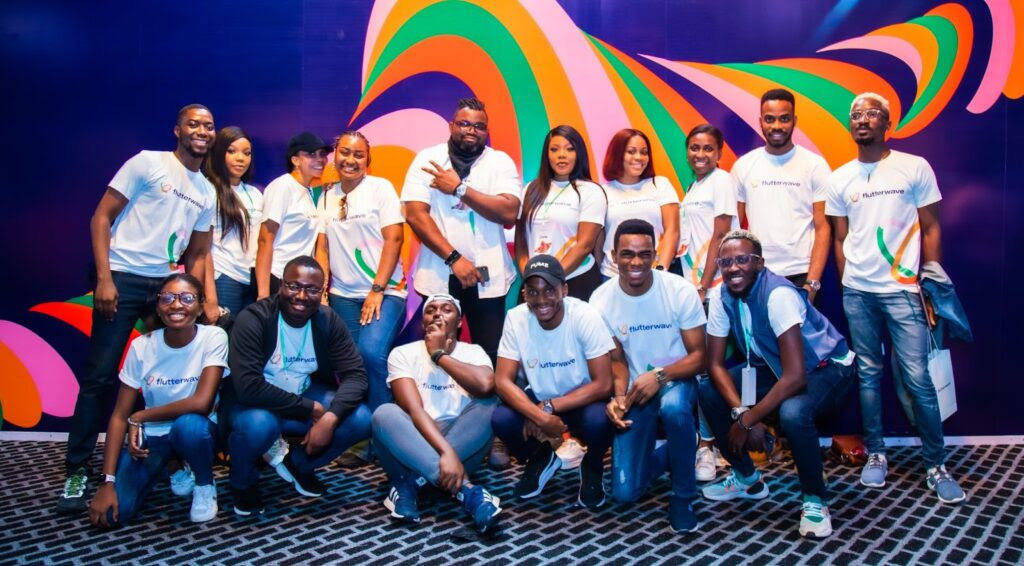
Nigerian fintech unicorn Flutterwave has partnered with Chpter, an AI-powered conversational platform, to revolutionize social selling for businesses across Africa.

This strategic collaboration aims to simplify the complexities of selling on social media by enabling businesses to automate customer conversations, process payments and manage marketing campaigns all within the platforms their customers already use.

Announcing the partnership, Chpter wrote,

“We’re proud to announce our partnership with Flutterwave to supercharge social commerce for African merchants in 11 new markets. At Chpter, we’ve always believed in the power of social media platforms to drive more sales by meeting customers where they already are, fostering stronger customer connections through personalized marketing, and handling customer conversations. And now, thanks to this partnership, millions of merchants across the continent can easily accept payments on WhatsApp, Instagram, and Facebook – and get paid directly into their bank accounts or mobile wallets.”

Also commenting on the partnership, Flutterwave CEO Olugbenga Agboola wrote via a post on Linkedin,

“AI integration meets seamless payments as Flutterwave partners with chpter. To power the future of social commerce in Africa. As Chpter expands into 11 new countries, we’re enabling secure, instant payments so businesses can sell, chat, and get paid, all in one conversation. Together, we’re driving real-time, AI-led commerce across the continent.”

Chpter ensures businesses are capitalizing on the power of social media platforms to drive more sales by meeting customers where they already are, fostering stronger customer connections through personalized marketing and handling customer conversations across multiple platforms by unifying chats in a single dashboard.

Last year, Chpter introduced Chpter.AI to enable businesses to set up a chatbot and AI sales/customer service agent to ensure no sales fall through the cracks by guaranteeing faster response to customer enquiries, leading to increased sales conversion. Additionally, Chpter recently announced the launch of its comprehensive WhatsApp API suite called Pluto, which supports developers and enterprises to build interactive end-to-end customer journeys on WhatsApp.

The platform is currently available in 14 countries which includes Kenya, South Africa, Nigeria, Ghana, Senegal, Ivory Coast, Cameroon, Uganda, Tanzania, Rwanda, Egypt, Burkina Faso, Malawi, and Zambia. The startup is proud to be building the rails for the future of commerce in Africa and beyond, one conversation at a time.

Thanks to this collaboration, businesses can now:

– Sell directly on WhatsApp and Instagram

– Use AI agents to manage sales and customer support 24/7

– Chat with customers across platforms — all in one place

– Accept secure payments seamlessly with Flutterwave

From chat to checkout, it’s a fully AI-powered customer experience, built for growth.

Chpter’s mission is to help African businesses to seamlessly convert online conversations into sales. By 2030, they aim to have helped 1 million businesses achieve this. Chpter also has an AI tool which helps with the “conversation to sales” goal. Its personas, Jess and Bran, are virtual round-the-clock Sales and Customer Service Agents that assist with all customer enquiries and complete all sales.

With this partnership, Flutterwave continues to empower African businesses to grow by making payments easier, while Chpter delivers the tools needed to thrive in a digitally connected marketplace. Together, they are making it possible for entrepreneurs to reach more customers, sell more efficiently, and redefine what’s possible through social media.

U.S. Considers Revoking Chip Export Waivers for Samsung, SK Hynix, and TSMC in China Amid Heightened Tech Tensions

0

The Trump administration is weighing a consequential move that could significantly reshape the global semiconductor supply chain: revoking special U.S. export authorizations that currently allow chipmakers Samsung Electronics, SK Hynix, and TSMC to receive American semiconductor manufacturing equipment at their facilities in China.

According to people familiar with the matter, cited by Reuters, the U.S. Department of Commerce is actively reviewing whether to pull back the authorizations, granted in recent years, which allow the companies to bypass otherwise sweeping export controls imposed on China in October 2022. These measures, if enacted, would make it far more difficult for the three global chip giants to continue accessing advanced U.S.-made equipment in their Chinese fabs.

The Special Waivers at Risk

After the U.S. imposed export curbs to restrict China’s access to high-end chipmaking tools in 2022, it made an exception for certain non-Chinese manufacturers operating in China. Samsung and SK Hynix—the dominant players in memory chip production—and TSMC, the world’s largest contract chipmaker, received temporary authorizations that let them continue importing U.S. equipment without seeking individual licenses for every shipment.

By 2023 and 2024, the companies had received what the Commerce Department refers to as “Validated End User” (VEU) status, allowing them a more stable and streamlined supply of restricted goods. VEU status not only eased export bureaucracy but also enabled predictable manufacturing operations, as long as the companies adhered to certain conditions, including limits on specific equipment and mandatory compliance reporting.

Now, these waivers may be withdrawn.

U.S. Strategy: Preemptive Leverage or Imminent Policy?

While the Department of Commerce has not formally moved to revoke the authorizations, a White House official confirmed the government is “laying the groundwork” to do so if necessary.

“There is currently no intention of deploying this tactic,” the official told reporters. “It’s another tool we want in our toolbox in case either this agreement falls through or any other catalyst throws a wrench in bilateral relations.”

This indicates that Washington is preparing for a possible breakdown in its delicate trade balance with China, while still banking on a rare earths agreement and diplomatic détente. However, the preparation alone sends a strong signal of the administration’s readiness to escalate restrictions if relations sour.

Impact on the Global Semiconductor Industry

Samsung and SK Hynix both operate major memory chip plants in China that are essential to global supply chains. TSMC, although not manufacturing its most advanced chips there, runs a mature-node fab in Nanjing.

Should the U.S. revoke the VEU waivers, all three companies would be forced to apply for case-by-case export licenses to import U.S. tools—an uncertain and often time-consuming process. Industry experts warn this could delay production timelines, increase operational costs, and potentially push manufacturers toward non-U.S. equipment vendors from Japan or Europe.

One Commerce Department official insisted that “chipmakers will still be able to operate in China,” suggesting the U.S. is not seeking an outright ban, but rather a recalibration that puts them on par with other companies under the October 2022 rules.

However, analysts say revoking the exemptions could inadvertently strengthen Chinese domestic competitors by cutting off foreign firms from reliable U.S. equipment access. One source described the move as “a gift” to China’s fledgling chip toolmakers, such as AMEC and Naura, which are quickly trying to close the technological gap.

Market Reactions

The mere news of the deliberations was enough to rattle the markets. Shares of leading U.S. chip equipment suppliers fell sharply: KLA Corp dropped by 2.4%, Lam Research lost 2.3%, and Applied Materials fell by 1.7%. Meanwhile, U.S.-based Micron Technology—one of Samsung and SK Hynix’s main competitors—saw its stock rise by 1.3%, reflecting investors’ expectations that tighter restrictions on its rivals could improve Micron’s market position.

Curtailing China’s Tech Rise

The potential policy shift is part of a broader U.S. strategy to curtail China’s rise in advanced technology. Washington has made no secret of its intention to limit Beijing’s access to the tools and expertise necessary for developing cutting-edge semiconductors, which are essential for artificial intelligence, defense, and advanced computing.

In the past two years, the administration of former Presiden Joe Biden took sweeping actions—including limiting investment in Chinese AI and semiconductor companies, restricting exports of AI chips, and tightening foreign collaboration standards for U.S.-funded tech research. The threat of removing VEU waivers adds another layer to that strategy.

It also reflects growing pressure from lawmakers and national security officials who argue that even allied foreign chipmakers in China pose a risk if they have unfettered access to American technology on Chinese soil.

While no official decision has been made, the fact that discussions have reached this point underlines a willingness by Washington to significantly raise the stakes in its tech rivalry with Beijing. If enacted, the move would likely provoke a response from both China and affected U.S. allies.

“This is about ensuring reciprocity and guarding against misuse of our most sensitive technology,” said a U.S. official familiar with the discussions.

However, others within the administration warn of the economic blowback such a policy could generate—not only on global supply chains but also on American equipment manufacturers that depend heavily on Chinese revenue.

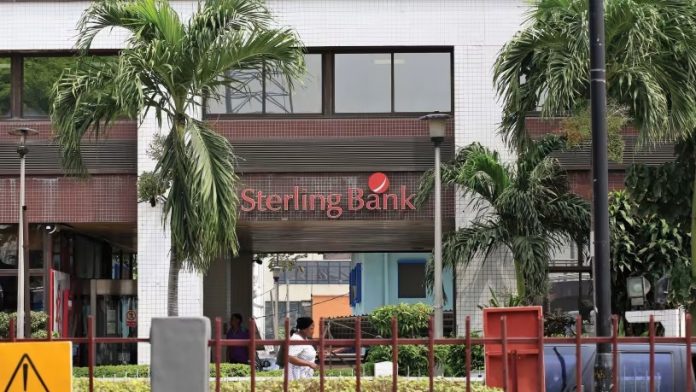
Sterling Financial Delivers Triple-Digit Profit Growth in Q1 2025, Reports A Pre-Tax Profit Of N18.2bn

0

Sterling Financial Holdings Company Plc has delivered a standout performance for the first quarter ended March 31, 2025, reporting a pre-tax profit of N18.2 billion, a remarkable 125.29% increase over the same period in 2024.

The result builds on a strong full-year 2024 performance in which the group recorded N45.8 billion in pre-tax profit, up from N22.6 billion in 2023, more than doubling year-on-year.

The first-quarter showing not only underscores Sterling’s internal momentum, but also reinforces the growth trajectory of Nigeria’s banking sector, which continues to expand earnings despite an economic environment marked by high inflation, tight monetary policy, and persistent currency volatility.

Core Banking Activities Drive Strong Earnings

The engine behind Sterling’s Q1 2025 earnings was interest income, which surged by 41.66%, rising from N55.3 billion to N78.3 billion. A significant portion of this came from loans and advances to customers, which contributed N56.8 billion, up from N39.2 billion in the corresponding period last year. This reflects an aggressive loan book expansion and improved credit delivery despite economic uncertainties.

Although interest expenses increased from N28 billion to N30.9 billion, net interest income still expanded 74.12%, reaching N47.4 billion, highlighting improved interest margins and balance sheet efficiency.

Fee-based income also played a supportive role. Net fees and commission income grew by 41.67% to N10.1 billion, compared to N7.1 billion in Q1 2024. This contributed to total operating income of N64.3 billion, a 49.74% increase year-on-year.

Operational Gains and Sound Risk Management

After accounting for impairment charges, net operating income rose 50.46% to N61.8 billion, up from N41.1 billion in the same period last year. The group’s ability to scale earnings while managing risk exposures suggests strong internal controls and asset quality resilience.

Sterling’s cost-efficiency and diversified earnings base continue to distinguish it from its peers. The Q1 performance shows that the bank has managed to capture rising interest rate benefits while maintaining asset growth and lending activity.

A Stronger Balance Sheet and Improved Shareholder Value

On the balance sheet front, total assets increased modestly to N3.6 trillion, compared to N3.5 trillion in Q1 2024, reinforcing the group’s capital strength and expansion appetite.

Retained earnings also rose to N76.5 billion, a 21.37% year-on-year increase, boosting the bank’s capacity to invest and reward shareholders.

Following this performance, Sterling declared a final dividend of 18 kobo per ordinary share of 50 kobo each. The dividend—subject to applicable withholding tax—will be paid to qualified shareholders on July 11, 2025.

Banking Grows Amid Economic Headwinds

Sterling’s impressive growth reflects a broader trend within Nigeria’s banking sector, which continues to outperform other segments of the economy. Despite high inflation, fluctuating FX rates, and weak consumer demand, banks have managed to post record earnings, driven by higher interest rate environments and the increasing digitization of services.

Sterling’s earnings suggest that Nigerian banks are not only absorbing economic shocks but also leveraging macroeconomic distortions to grow margins. This includes capitalizing on elevated Treasury yields, increasing financial inclusion, and widening their footprint through digital and retail expansion.

Market Sentiment and Outlook

As of June 18, 2025, Sterling shares were priced at N5.05 on the Nigerian Exchange, reflecting modest but sustained investor confidence.

Analysts expect that the group’s solid capital position, growing loan book, and continued investment in technology will support further expansion in 2025. The results also set the stage for potential upgrades in sector outlooks by rating agencies, especially as banks begin to meet the CBN’s new capital requirements over the next two years.