DD
MM
YYYY

PAGES

DD
MM
YYYY

spot_img

PAGES

Home Blog Page 1054

Metaplanet’s Acquisition of 1,111 BTC Underscores Its Commitment To Bitcoin Even as BTC Loses Value

0

Metaplanet, a Japanese investment firm, acquired an additional 1,111 Bitcoin (BTC) for approximately ¥17.26 billion ($117-118 million), at an average price of ¥15,535,502 (~$106,408) per BTC. This purchase increased their total holdings to 11,111 BTC, valued at over $1.1 billion, making them the eighth-largest corporate Bitcoin holder globally, surpassing Coinbase. Metaplanet’s aggressive Bitcoin accumulation strategy, which began in April 2024, aims to reach 30,000 BTC by the end of 2025, 100,000 BTC by 2026, and 210,000 BTC (1% of Bitcoin’s total supply) by 2027.

The acquisition was funded through capital raises, including zero-coupon bonds and stock warrants. Their quarter-to-date BTC Yield, a metric tracking Bitcoin per share, reached 107.9%, with a year-to-date yield of 306.7%. Despite the purchase, Metaplanet’s stock fell 5-8% that day, possibly due to geopolitical tensions affecting broader markets. Metaplanet’s acquisition of 1,111 BTC, bringing their total to 11,111 BTC, has significant implications for both the company and the broader cryptocurrency market, while also highlighting a growing divide in corporate and investor sentiment toward Bitcoin.

Metaplanet’s aggressive accumulation, positioning it as the eighth-largest corporate Bitcoin holder, signals growing institutional confidence in Bitcoin as a treasury asset. This aligns with the strategy of companies like MicroStrategy, which holds over 279,000 BTC. By treating Bitcoin as a hedge against inflation and currency devaluation (especially given Japan’s yen weakening), Metaplanet is setting a precedent for other Asian firms, particularly in Japan, where economic policies have strained fiat stability.

Their ambitious targets—30,000 BTC by 2025, 100,000 by 2026, and 210,000 by 2027 (1% of Bitcoin’s 21 million supply)—suggest a long-term commitment to Bitcoin as a core asset, potentially inspiring other corporations to follow suit. The purchase of 1,111 BTC, valued at ~$117-118 million, represents a significant capital inflow into Bitcoin, contributing to price stability or upward pressure, especially in a market sensitive to large transactions. With Bitcoin’s price around $106,408 per coin at the time of purchase, such moves can reduce available supply, potentially driving prices higher as demand persists.

Metaplanet’s strategy of funding purchases through capital raises (e.g., zero-coupon bonds and stock warrants) demonstrates a creative approach to acquiring Bitcoin without liquidating core assets, which could become a model for other firms. Despite the acquisition, Metaplanet’s stock fell 5-8% on June 23, 2025, possibly due to broader market concerns, such as geopolitical tensions (e.g., U.S.-China trade disputes or regional conflicts). This suggests that while Bitcoin accumulation is central to Metaplanet’s strategy, investors may perceive risks in its heavy exposure to a volatile asset like Bitcoin, especially in turbulent market conditions.

The high BTC Yield (107.9% quarter-to-date, 306.7% year-to-date) reflects strong performance in Bitcoin’s value relative to shares, but stock price declines indicate a disconnect between Bitcoin’s performance and investor confidence in the company’s overall financial health. As a Japanese firm, Metaplanet’s moves could position Japan as a hub for corporate Bitcoin adoption in Asia, contrasting with more cautious approaches in other regions. This is particularly relevant given Japan’s historically progressive stance on crypto regulation, which could encourage further institutional investment.

Companies like Metaplanet and MicroStrategy view Bitcoin as a store of value and a hedge against fiat depreciation. They argue that Bitcoin’s fixed supply and decentralized nature make it a superior long-term asset compared to traditional investments. Metaplanet’s bold targets (e.g., 1% of Bitcoin’s supply) reflect this conviction. Other corporations and investors remain wary of Bitcoin’s volatility, regulatory uncertainties, and environmental concerns (due to mining energy consumption). The 5-8% drop in Metaplanet’s stock suggests that some investors are unconvinced about tying corporate value so closely to Bitcoin, especially in a risk-off market environment.

Retail investors on platforms like X often celebrate corporate Bitcoin purchases as bullish signals, with posts praising Metaplanet’s “stacking sats” strategy and comparing it to MicroStrategy’s success. However, institutional investors may view such heavy exposure as risky, preferring diversified portfolios or traditional safe-haven assets like gold or bonds. This divide is evident in market reactions: while Bitcoin’s price may benefit from corporate buying, Metaplanet’s stock decline indicates institutional caution.

In Japan, where yen devaluation and economic stagnation are concerns, Bitcoin adoption by firms like Metaplanet resonates as a hedge against local currency risks. However, globally, attitudes vary: some markets (e.g., the U.S.) see Bitcoin as a speculative asset, while others (e.g., El Salvador) treat it as legal tender. This creates a divide between regions embracing Bitcoin and those maintaining stricter regulatory or skeptical stances.

Metaplanet’s strategy is inherently long-term, aiming for significant Bitcoin holdings by 2027. However, short-term market volatility and stock price reactions highlight a divide between investors seeking immediate returns and those aligned with a multi-year vision of Bitcoin’s value appreciation. The high BTC Yield (306.7% year-to-date) appeals to long-term holders, but short-term traders may be deterred by Bitcoin’s price swings and external market pressures.

Metaplanet’s acquisition of 1,111 BTC underscores its commitment to Bitcoin as a treasury asset, potentially catalyzing further corporate adoption, particularly in Japan. However, it also highlights a divide between Bitcoin advocates and skeptics, retail and institutional investors, and short-term versus long-term perspectives. While the move strengthens Metaplanet’s position in the crypto space and could drive Bitcoin’s price higher by reducing supply, the stock market’s negative reaction suggests that not all investors are aligned with this high-risk, high-reward strategy.

Bitcoin Dip Below $100K Underscores Its Vulnerability To Geopolitical And Macro Shocks

Bitcoin fell below $100,000, hitting as low as $98,286.21, following Iran’s threat to close the Strait of Hormuz, a critical chokepoint for 20-30% of global oil supply. The move, approved by Iran’s parliament but pending final approval from the Supreme National Security Council, came after U.S. airstrikes on Iranian nuclear sites. This sparked fears of oil price spikes, with JPMorgan estimating Brent could reach $120-$130 per barrel, potentially pushing U.S. inflation to 5%. Rising energy costs and expectations of tighter Federal Reserve policy drove risk-off sentiment, leading to $950 million-$1.79 billion in crypto liquidations.

Bitcoin later recovered slightly to around $101,000, but volatility persists as markets await clarity on the Strait’s status and Fed responses. Other cryptocurrencies like Ethereum and XRP also saw sharp declines. Iran’s threat to close the Strait of Hormuz, a vital route for 20-30% of global oil, has heightened geopolitical tensions, driving oil price fears (Brent potentially hitting $120-$130/barrel). This fuels inflation concerns, with U.S. inflation possibly climbing to 5%, prompting expectations of tighter Federal Reserve monetary policy.

Bitcoin, often viewed as a risk asset despite its “digital gold” narrative, saw a sharp sell-off, dropping to $98,286.21 with $950M-$1.79B in crypto liquidations. The broader crypto market, including Ethereum and XRP, also faced heavy losses. The dip reflects Bitcoin’s sensitivity to macroeconomic shocks, particularly energy-driven inflation and interest rate hikes, undermining its role as an inflation hedge in the short term.

A Strait closure could disrupt global trade, spike energy costs, and strain supply chains, further pressuring equities and crypto markets. Bitcoin’s recovery to ~$101,000 suggests cautious optimism, but volatility remains high until Iran’s actions and U.S./Fed responses clarify. Investors may shift to traditional safe-havens like gold or bonds if tensions escalate, potentially delaying Bitcoin’s rebound.

Liquidations amplified the dip, with leveraged positions wiped out. This could lead to reduced leverage in the near term, stabilizing but slowing market momentum. Sentiment on platforms like X shows panic among retail investors, with some calling it a buying opportunity while others fear further drops if oil prices surge.

Crypto Bulls vs. Bears: Argue Bitcoin’s dip is temporary, driven by macro fears rather than fundamentals. They see it as a buying opportunity, citing long-term scarcity (21M cap) and adoption trends. Some on X claim Bitcoin could hit $150K by 2026 if tensions de-escalate.

Bears: Highlight Bitcoin’s correlation with risk assets, questioning its safe-haven status. They argue rising rates and inflation could suppress crypto for months, with one X analyst predicting a drop to $80K if the Strait closes.

X posts show retail traders split—some panic-sell, others “HODL” or buy the dip, driven by community sentiment and memes. Lack of macro expertise makes retail more reactive. Institutional likely contributed to the sell-off, as funds rebalance portfolios amid oil and rate concerns. Whales (large holders) may accumulate at lower prices, per on-chain data, but institutions remain cautious until Fed signals clarity.

Crypto Advocates see Bitcoin as a hedge against fiat debasement long-term, dismissing short-term dips as noise. They argue centralized policies (e.g., Fed hikes) expose fiat’s flaws. Traditional Finance views Bitcoin as speculative, lacking intrinsic value in crises. Analysts on X and web reports emphasize gold’s outperformance (~$2,600/oz) during geopolitical turmoil.

The Bitcoin dip below $100K underscores its vulnerability to geopolitical and macro shocks, particularly energy-driven inflation fears from Iran’s Strait threat. While short-term volatility is likely, the divide between bulls/bears, retail/institutional, and crypto/traditional finance highlights differing time horizons and risk appetites. Markets await Iran’s next move, Fed policy signals, and oil price developments to determine Bitcoin’s near-term trajectory.

Flutterwave Launches Digital Payments Services in Cameroon, Boosting Financial Inclusion

0

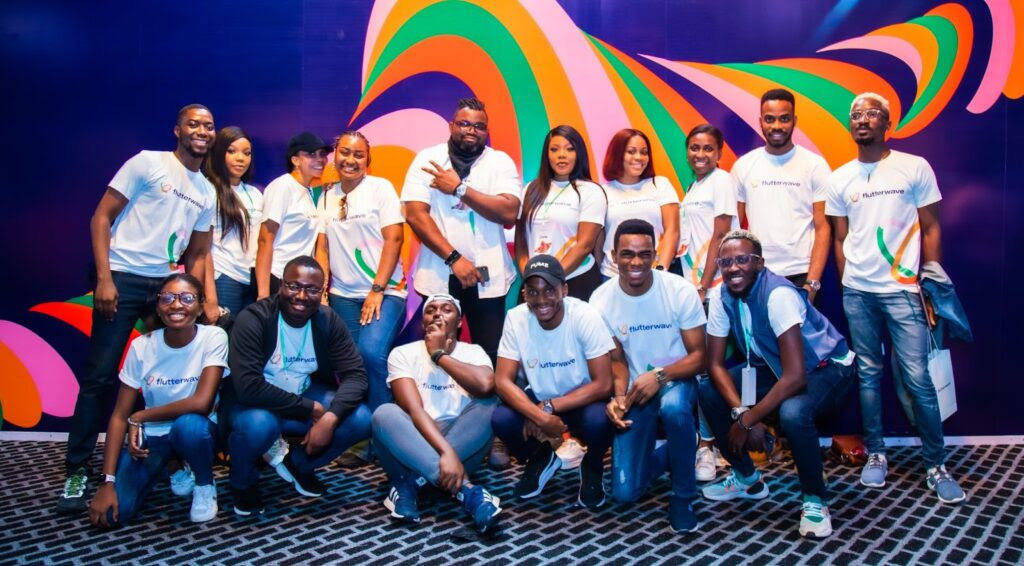
Flutterwave, a fintech company that provides a payment infrastructure for global merchants and payment service providers across the continent, has launched its digital payment services in Cameroon.

The fintech’s expansion to the Central African country is coming after it obtained a payment service provider license from the Central Bank of Central African States (BEAC). Partnering with Ecobank, this milestone advances Flutterwave’s goal of unifying Africa’s fragmented payment systems and expanding its presence across the continent.

The launch strengthens Flutterwave’s foothold in Francophone Africa, positioning it as a key driver of Cameroon’s digital transformation. Businesses, from local merchants to global enterprises, can now leverage a compliant digital payment platform supporting mobile money, cards, and bank transfers, tailored to Cameroon’s growing digital economy.

Small businesses can create shareable payment links for platforms like WhatsApp and Instagram, while larger firms benefit from advanced fraud detection, localized support, and seamless cross-border transactions.

Speaking on the expansion to Cameroon Flutterwave CEO Olugbenga Agboola said,

“Cameroon holds a central place in the future of Africa’s digital economy, and we’re proud to play a part in unlocking its potential. By offering secure, compliant, and accessible payment solutions, we’re creating opportunities for businesses of all sizes, from local merchants to global brands; to grow and thrive. Our presence here is not just about technology; it’s about long-term partnership, trust, and enabling prosperity across Central Africa.”

Also commenting, Bode Aregbesola, Senior Vice President for Sales, West Africa, added, “We know what it takes to run a business in Africa, and we’ve built our solutions to support that reality. Flutterwave is helping everyone — from local businesses to international brands — accept payments, streamline operations, and expand with confidence. With our digital payments license, we’re able to do all of that securely and at scale in Cameroon.”

In Cameroon, a key driver of financial inclusion is mobile money. Accounts reached 48 million in Central Africa by 2019, with transactions exceeding $30.4 billion. Operators like MTN and Orange dominate, offering services like bill payments, airtime purchases, and transfers via platforms like Monetbil, Zitopay, and Tranzak. Mobile money grew 19% from 2019 to 2020, with 24 trillion XAF ($40 billion) in transactions in 2024.

Platforms like Paytm, Razorpay, and NOWPayments, support online transactions, including credit/debit cards, e-wallets, and mobile money. These cater to e-commerce growth, with integrations for Visa, MasterCard, and local methods.

Cameroon’s payment system is evolving rapidly, driven by mobile money and digital gateways, but it faces hurdles like outdated infrastructure, delays, and limited rural access. Flutterwave’s entry is set to enhance financial inclusion by simplifying transactions for businesses and consumers. Small merchants can adopt digital payments without costly infrastructure, while global companies can process local currency payments, manage settlements, and issue refunds efficiently. Robust reporting and fraud management tools build trust in digital transactions, addressing cybersecurity concerns.

With its launch in Cameroon, Flutterwave is now operational in over 30 African countries, including Nigeria, Ghana, Kenya, South Africa, Egypt, Uganda, Tanzania, Rwanda, Ivory Coast, Senegal, and more. This wide geographical presence gives the fintech company one of the most extensive networks for digital payments in Africa.

One of Flutterwave’s most significant contributions is its support for small and medium-sized enterprises (SMEs). Through the Flutterwave Store, launched during the COVID-19 pandemic, the platform provided a free online marketplace for SMEs to set up digital storefronts and sell their products. Today, the store has empowered over 30,000 merchants, helping them reach wider markets and accept various payment options without the need for complex infrastructure.

Flutterwave’s payment technology supports multiple methods including cards, bank transfers, mobile money, and QR payments, ensuring that even unbanked populations can participate in the digital economy.

By unifying fragmented payment systems, Flutterwave accelerates Africa’s digital economy. Its presence in countries like Nigeria, Ghana, Kenya, and now Cameroon aligns with rising internet penetration and mobile connectivity.

GitHub CEO: Junior Developers Still Valuable in AI Era, But Prompt Engineering Is the New Must-Have Skill

0

As artificial intelligence tools like GitHub Copilot and ChatGPT redefine how software is written, many in the tech industry have questioned whether traditional coding skills — especially at the entry-level — are becoming obsolete. GitHub CEO Thomas Dohmke says junior developers are still essential, even as AI changes the landscape of software engineering.

In a recent interview with The Pragmatic Engineer, Dohmke offered a nuanced view of how AI is transforming the tech industry—one that acknowledges the disruption but also offers a measure of optimism.

Since taking the helm at GitHub in 2021, Dohmke has been at the center of Microsoft’s push to integrate artificial intelligence into the software development lifecycle, particularly through GitHub Copilot, the AI-powered coding assistant developed in partnership with OpenAI. As Copilot and other generative tools become central to engineering workflows, the pressure has mounted on engineers—especially those just entering the field—to adapt.

“A Nice Balance” of Junior and Senior Talent

Amid fears that AI could render entry-level coding jobs obsolete, Dohmke emphasized the continued value of early-career developers.

“It’s lovely to see those folks that bring fresh ideas, a great amount of energy, the latest learnings from college and university, and often a different, diverse background into the company,” he said. “We are excited about having this kind of both junior and senior population in the company.”

He added that junior engineers often bring new ideas to the table and are more likely to challenge old ways of thinking—something that is essential in an industry undergoing such profound technological shifts.

Prompting: The New Core Skill

Dohmke also made it clear that while the demand for engineering talent remains, the required skill set is changing fast. Chief among those changes is the emergence of prompt engineering—the ability to craft effective instructions for AI tools.

“If you want to get a job in a tech company very soon, you’re going to be asked to show your prompting skills, your Copilot skills,” he said.

GitHub, like many tech companies, is beginning to include these skills in its hiring assessments. This shift reflects the new reality where engineers are not expected to write every line of code themselves but must know how to collaborate with AI systems to achieve outcomes faster and more efficiently.

AI Will Transform, Not Eliminate, Engineering Jobs

As debates around AI’s impact on employment heat up, Dohmke’s comments strike a more hopeful tone than some of his peers in the industry. While others, including Anthropic CEO Dario Amodei, have warned that AI could replace half of all entry-level white-collar jobs within five years, Dohmke sees the changes differently.

Rather than eliminating jobs outright, he believes AI will reshape what engineering work looks like, allowing human developers to shift their focus toward higher-order thinking and system-level design.

“The goal of the future engineer is no longer to run it all from scratch,” Dohmke said. “The goal is to combine their prompting skills and agents, open-source libraries, into getting that problem solved much faster than they could have two or three years ago.”

He stressed that AI will become just another part of the engineering toolkit—an accelerant rather than a replacement. Even in the future when AI agents become more capable and autonomous, engineers will still be needed to provide direction, validate results, and manage complexity.

According to Dohmke, the core of engineering lies not in knowing a specific language or framework, but in the ability to think structurally about problems—skills that will remain relevant no matter how the tools evolve.

“You’ve got to have engineering skills. You’ve got to have developed craft,” he said. “You need senior people that know how to build large-scale systems. You need people that take large complex problems and break them down into smaller problems.”

In this view, coding is just one aspect of a broader engineering mindset. While AI may automate some of the mechanics, the judgment, experience, and creative reasoning that engineers bring to problem-solving will continue to set them apart.

Dohmke also pointed out that younger programmers—those still in high school, college, or early in their careers—are often more adept at integrating AI into their work.

“They get it because they are taking this with an open mind,” he said. “They don’t have the, ‘This is how we’ve always done it.’”

This readiness to adopt and iterate with new technologies may position junior developers to succeed in ways previous generations couldn’t have imagined. The key, according to Dohmke, is not to fear AI but to embrace it as a tool that can extend a developer’s reach and reduce repetitive labor.

While some companies have begun reducing hiring for junior roles in favor of automation, GitHub’s message appears more balanced. The company sees AI as a force for amplifying talent, not replacing it. That means new developers still have a place—if they’re willing to learn how to work with machines, not just code for them.

For Dohmke, it all boils down to outcomes. He believes that what matters is getting the job done, not how it gets done.

Timeless Comfort Meets Modern Design In HDPE Outdoor Furniture Collections

0

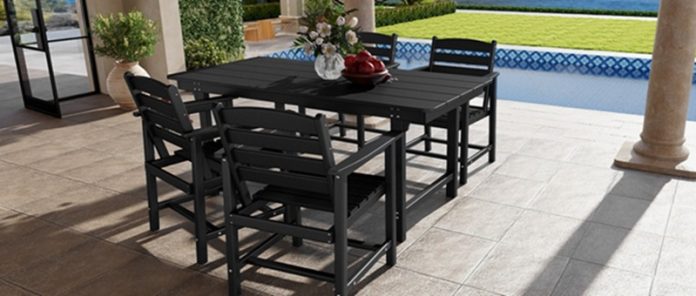
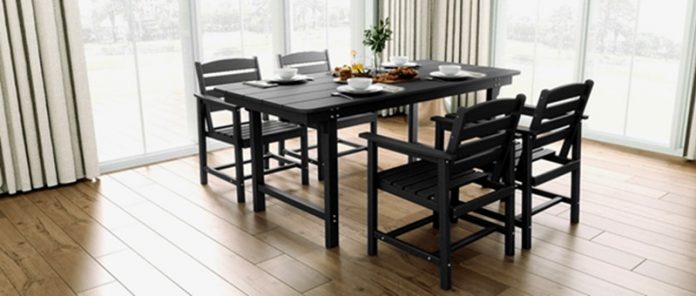
When it comes to outdoor living, style, comfort, and durability are essential qualities that homeowners seek. Whether it’s a sunny patio, a cosy balcony, or a sprawling garden, the right furniture can transform any outdoor space into a luxurious retreat. That’s where HDPE outdoor furniture collections come into play—offering a perfect blend of traditional comfort and cutting-edge design. These collections have rapidly gained popularity due to their eco-conscious materials, unmatched resilience, and sleek modern appeal.

What is HDPE?

HDPE, or high-density polyethene, is a highly durable plastic derived from recycled materials such as milk jugs and detergent bottles. It’s renowned for its strength-to-density ratio, making it a top-tier choice for outdoor applications. Unlike wood or metal, HDPE doesn’t splinter, rot, or rust. This resilience ensures that HDPE outdoor furniture collections stand the test of time, season after season. But HDPE isn’t just about durability—it’s about versatility. Manufacturers can mould HDPE into nearly any shape, allowing designers to create furniture that honours the timeless elegance of traditional outdoor décor while incorporating sleek, contemporary aesthetics.

Timeless Comfort Reimagined

One of the key reasons homeowners gravitate toward HDPE outdoor furniture collections is the sheer comfort they offer. Traditional designs, such as Adirondack chairs, deep-seated lounges, and rocker sets, have been reimagined with ergonomic curves and customizable cushions. The comfort you’d expect from a beloved wooden chair is now available in a longer-lasting, low-maintenance format. Thanks to the material’s structural integrity, HDPE furniture remains stable and doesn’t warp or sag over time. Whether you’re basking in the afternoon sun or gathering with friends around a fire pit, you can count on consistent comfort every time you sit down.

Modern Design Aesthetic

Today’s outdoor spaces are more than just places to sit—they’re extensions of our homes. With design trends leaning toward clean lines, bold textures, and modular setups, HDPE outdoor furniture collections meet these demands effortlessly. Available in a wide spectrum of colours—from classic white and coastal beige to chic charcoal and vibrant turquoise—HDPE furniture allows you to express your style without sacrificing performance.

Moreover, HDPE is UV-resistant, meaning the colour won’t fade under the blazing sun. The result is furniture that looks as beautiful in year five as it did on day one, making it ideal for both contemporary and classic outdoor themes.

Eco-Friendly Appeal

In an age where sustainability is more than a buzzword, HDPE outdoor furniture collections make an environmentally sound choice. Because HDPE is made from recycled plastic, it helps reduce landfill waste and decreases reliance on virgin materials. Many brands take it a step further, utilising eco-friendly manufacturing processes and offering recyclable products at the end of their lifespan.

Low Maintenance, High Performance

Unlike wooden furniture that needs to be sealed or metal that must be protected from rust, HDPE outdoor furniture collections are incredibly low maintenance. A simple wipe-down with soap and water is usually enough to keep them looking pristine. This makes HDPE furniture perfect for busy homeowners, vacation properties, and commercial settings such as resorts or restaurants. Because HDPE resists mildew, salt spray, and insects, it’s especially ideal for coastal areas where traditional materials might degrade quickly. Rain or shine, these collections continue to perform without fading, cracking, or staining.

Ideal for All Seasons

Another defining feature of HDPE outdoor furniture collections is their all-weather capability. Whether you’re dealing with scorching heat, torrential rain, or icy winters, HDPE stands strong. Its non-porous surface prevents moisture absorption, which means there’s no swelling, warping, or mould growth. Even if you leave your HDPE furniture uncovered during the off-season, it will emerge unscathed and ready for use.

Endless Options and Configurations

Whether you’re furnishing a tiny balcony or a sprawling backyard offer incredible variety. From compact folding chairs and space-saving bistro sets to luxurious sectional sofas and extendable dining tables, there’s a piece for every setting. Add in accessories like ottomans, side tables, or built-in drink holders, and your outdoor space becomes as functional as it is stylish. Many manufacturers also offer customization options, allowing you to choose frame colours, cushion fabrics, and finishes that complement your overall design scheme.

A Smart Investment in Outdoor Living

While the upfront cost of HDPE outdoor furniture collections may be higher than that of wood or metal alternatives, the long-term benefits far outweigh the initial investment. These pieces don’t require costly upkeep or regular replacements. Their durability and timeless design mean you’ll enjoy them for years—without worrying about weather damage or style becoming outdated. For homeowners, property managers, and designers alike, HDPE offers a smart solution that combines elegance, comfort, and long-lasting performance.

Conclusion

In the evolving landscape of outdoor design, HDPE outdoor furniture collections stand out as a modern essential. They blend the ageless charm of traditional craftsmanship with the sleek efficiency of contemporary materials. Durable, sustainable, and stylish, HDPE furniture is transforming patios, gardens, and balconies into year-round havens of comfort and style.

Adirondack Rocking Chair: Timeless Comfort Meets Rustic Charm For Outdoor Living

0

Few pieces of furniture capture the essence of outdoor leisure quite like. Marrying the classic slanted seat and wide armrests of the traditional Adirondack design with the soothing motion of a rocker, this piece has become a beloved staple on porches, patios, and decks across the world. With its rustic charm, unmatched comfort, and durable construction, the Adirondack rocking chair remains the perfect blend of function and style for those who value relaxation in the great outdoors.

A Heritage of Design and Comfort

The origins of the Adirondack rocking chair trace back to the early 1900s when Thomas Lee first developed the original Adirondack chair in the mountains of upstate New York. Seeking comfort on rugged terrain, he crafted a chair with a sloped seat and backrest to accommodate uneven ground. Over time, this design evolved into various forms, including the addition of a curved base, which transformed it into a rocking chair. This evolution preserved the ergonomic benefits of the Adirondack seat while introducing a gentle, rhythmic motion. The result? A chair that doesn’t just sit pretty—it soothes the soul. The Adirondack rocking chair provides exceptional lumbar support and encourages relaxation, making it ideal for everything from quiet morning coffees to late-night conversations under the stars.

Rustic Charm that Complements Any Outdoor Space

The visual appeal of the Adirondack rocking chair lies in its blend of simplicity and sturdiness. Its wide arms offer a perfect spot to set a drink, book, or even a small potted plant. The high backrest exudes a feeling of security and invites hours of lounging. Whether painted in vibrant colours or left with a natural wood finish, this chair adds a rustic elegance to any setting. Its rustic aesthetic is particularly well-suited for countryside homes, cabins, and lakefront properties. Still, modern iterations of the Adirondack rocking chair also make a seamless addition to urban patios and minimalist decks. Crafted from a range of materials—wood, HDPE (high-density polyethene), and even metal—these chairs are now available in styles to suit every taste.

Built to Last: Materials That Withstand the Elements

Today’s Adirondack rocking chair is not only stylish but incredibly durable. Traditional wooden models, typically made from cedar, teak, or eucalyptus, are naturally resistant to rot and insect damage. These woods age gracefully, taking on a charming patina over time.

For homeowners seeking a low-maintenance alternative, HDPE versions offer superior weather resistance without compromising on appearance. The Adirondack rocking chair made from HDPE mimics the look of painted wood while resisting fading, cracking, and moisture damage. This makes it an excellent choice for year-round outdoor use, especially in areas with fluctuating weather conditions.

Versatility and Customization

One of the key reasons why the Adirondack rocking chair remains so popular is its incredible versatility. Whether you’re outfitting a sprawling backyard or a small balcony, there’s a model that fits. Some are designed with extra-wide seats for added comfort, while others feature built-in cushions or removable headrests for enhanced relaxation. Many homeowners opt to customise their Adirondack rocking chairs with cushions featuring bold prints, waterproof fabrics, or even monogrammed designs to reflect their style. Additionally, eco-conscious buyers can find models made from recycled materials, aligning sustainability with classic comfort.

An Invitation to Slow Down

In a world that’s constantly rushing, the is a gentle reminder to slow down. Its rocking motion encourages mindfulness and has even been shown to reduce stress and anxiety. Placing one on your porch invites spontaneous conversations with neighbours or quiet reflection with a loved one. It’s a seat where memories are made whether you’re watching the sunset, sipping lemonade, or rocking a child to sleep.

Choosing the Right Adirondack Rocking Chair

When selecting the perfect, consider your space, style, and maintenance preferences. For a traditional look, solid wood chairs are a classic choice, especially when treated with outdoor sealant. If ease of care is a priority, HDPE or resin options offer a long-lasting, no-fuss alternative. Colour is another personal choice—whether you prefer classic white, rich wood tones, or vibrant hues that pop there’s an Adirondack rocking chair that can bring your outdoor vision to life.

Conclusion

Whether placed beside a roaring fire pit, nestled into a shady corner of your deck, or front and centre on your porch, the is more than a seat—it’s an experience. Its blend of comfort, durability, and rustic beauty makes it a timeless piece that enhances any outdoor space.