DD
MM
YYYY

PAGES

DD
MM
YYYY

spot_img

PAGES

Home Blog Page 1101

A Look into “Stop Trading, Retention, and Unfair Market Payoffs in Crypto Act of 2025”

0

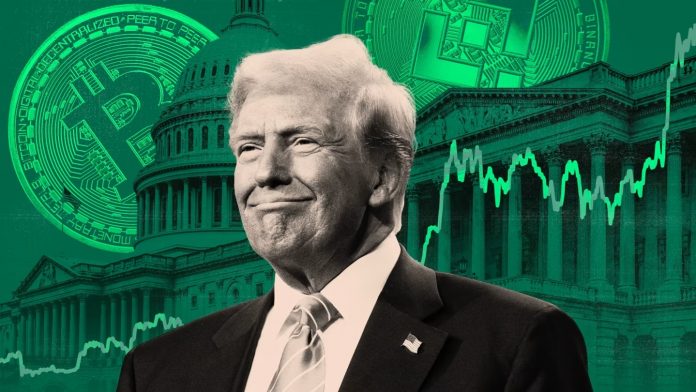
President Donald Trump hosted a private dinner at his Trump National Golf Club in Virginia for the top 220 investors in his $TRUMP memecoin, a cryptocurrency launched just before his second inauguration in January 2025. The event, billed as an exclusive opportunity to dine with the president, drew significant controversy due to its potential for ethical conflicts, as the Trump family directly profits from the memecoin’s transactions.

Over 100 protesters gathered outside the venue, organized by groups like Public Citizen and Our Revolution, holding signs with messages like “Stop Crypto Corruption” and “America is Not for Sale,” accusing Trump of leveraging his presidency for personal gain. Hours before the dinner, Representative Maxine Waters, a California Democrat and ranking member of the House Financial Services Committee, introduced the “Stop Trading, Retention, and Unfair Market Payoffs in Crypto Act of 2025” (HR 3573), acronymized as the “Stop TRUMP in Crypto Act.”

The bill aims to prohibit the president, vice president, members of Congress, and their immediate families from issuing, holding, or profiting from cryptocurrencies while in office, citing concerns over “crypto crime” and potential foreign influence through anonymous transactions. The dinner, attended by notable crypto figures like Tron founder Justin Sun, sparked further criticism from Democratic lawmakers like Senators Chris Murphy and Elizabeth Warren, who called it a “pay-to-play” scheme and an “orgy of corruption.”

Critics highlighted the anonymity of many attendees, with some using pseudonyms like “Ogle,” and raised concerns about foreign nationals potentially buying access to the president, which could violate the U.S. Constitution’s foreign emoluments clause. The $TRUMP memecoin, which surged in value after the dinner announcement, has generated significant revenue for the Trump family, with estimates of over $324 million in trading fees since its launch.

However, the token’s volatility has led to substantial losses for many retail investors, with blockchain data indicating over 590,000 wallets losing nearly $4 billion. Despite White House claims that Trump’s assets are in a blind trust managed by his sons and that he acts in the public’s interest, the event has intensified scrutiny over his crypto ventures, including ties to World Liberty Financial and a stablecoin called USD1.

The dinner raises questions about potential violations of the U.S. Constitution’s foreign emoluments clause, which prohibits federal officeholders from accepting money from foreign governments without congressional consent. If foreign nationals attended the event or invested heavily in $TRUMP, it could trigger legal challenges, though proving direct influence would be complex due to the anonymity of crypto transactions.

The “Stop TRUMP in Crypto Act” (HR 3573), introduced by Rep. Maxine Waters, seeks to close loopholes allowing public officials to profit from cryptocurrencies. If passed, it would set a precedent for regulating digital assets held by elected officials, potentially facing resistance from pro-crypto lawmakers but gaining traction among those concerned about corruption. The bill’s specificity to sitting officials could limit its scope but may inspire broader crypto regulation.

The SEC and CFTC may investigate $TRUMP for market manipulation or unregistered securities offerings, given its volatility and the Trump family’s direct financial stake. The anonymous nature of some investors could also prompt probes into compliance with anti-money laundering (AML) and know-your-customer (KYC) regulations. The event deepens partisan divides, with Democrats framing it as evidence of corruption and Republicans likely defending it as a legitimate business venture.

This could fuel campaign narratives in future elections, with Democrats leveraging the issue to rally anti-Trump voters and Republicans portraying the bill as an overreach targeting the president. The perception of “pay-to-play” access erodes trust in government, especially among voters already skeptical of institutional integrity. Protests outside the dinner signal growing public discontent, which could pressure lawmakers to act but also galvanize Trump’s base, who may see the controversy as an attack on his entrepreneurial freedom.

The bill’s introduction may spur hearings or investigations by the House Financial Services Committee, potentially exposing more details about Trump’s crypto ventures. However, passage in a polarized Congress is uncertain, especially if Republicans hold key majorities. The $TRUMP memecoin’s volatility—surging post-dinner but causing $4 billion in losses for retail investors—highlights risks in celebrity-driven cryptocurrencies. This could dampen enthusiasm for memecoins, affect market sentiment, or prompt stricter oversight of similar projects.

The reported $324 million in trading fees underscores the significant personal financial stakes for the Trump family, potentially incentivizing further promotion of $TRUMP or related ventures like World Liberty Financial. However, legal or regulatory crackdowns could jeopardize these revenue streams. The losses incurred by over 590,000 wallets may deter retail investors from crypto markets, particularly in politically tied projects, while reinforcing skepticism about the stability of non-regulated digital assets.

Trump’s direct profit from $TRUMP, despite claims of a blind trust, raises ethical questions about a sitting president monetizing their influence. The dinner’s exclusivity for top investors suggests access to the president may be tied to financial contributions, undermining democratic principles. The anonymity of attendees, including figures like “Ogle,” fuels concerns about undisclosed foreign or corporate influence, challenging the integrity of public office.

If unaddressed, this event could normalize elected officials leveraging their positions for crypto profits, setting a dangerous precedent for governance and accountability. The controversy aligns with ongoing debates about cryptocurrency’s role in politics and governance, especially as digital assets gain mainstream traction. It may accelerate calls for comprehensive crypto regulation, balancing innovation with accountability.

Internationally, the event could draw scrutiny from allies and adversaries, with implications for U.S. credibility in global financial markets if foreign influence is confirmed. The dinner and the proposed bill highlight tensions between personal profit, public office, and emerging financial technologies, with potential ripple effects on policy, markets, and public trust. The outcome of HR 3573 and any related investigations will shape the intersection of cryptocurrency and political power in the U.S.
How Oladele, Olaoluwa Are Shaping the Race for Oyo 2027

1
Source: Nigerian Newspapers, 2024-2025; Infoprations Analysis, 2025

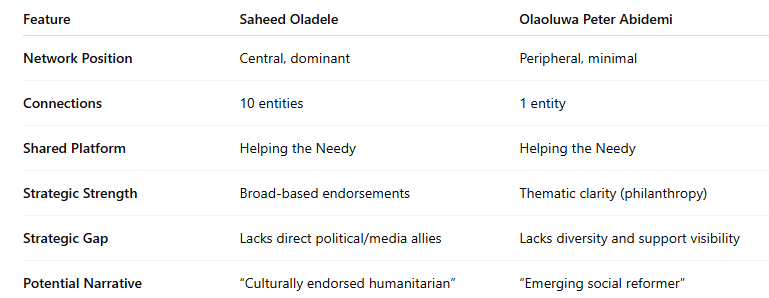
As the 2027 governorship election in Oyo State approaches, conversations are already heating up about who has the best chance of leading the state into a new era. While political parties and power blocs continue to position themselves behind closed doors, some individual aspirants are already making bold moves in the public space. Among them are Saheed Oladele and Olaoluwa Peter Abidemi, two men who are not only declaring their intentions but are also shaping their public image in ways that resonate with the people.

What makes their stories particularly interesting is how both are using philanthropy and social outreach as major parts of their public identity. In a time when many voters are disillusioned with traditional politics and are looking for leaders who can offer compassion, practical help, and vision, both aspirants have made visible efforts to align themselves with the needs of ordinary citizens.

Saheed Oladele: A Candidate with Strong Community Ties

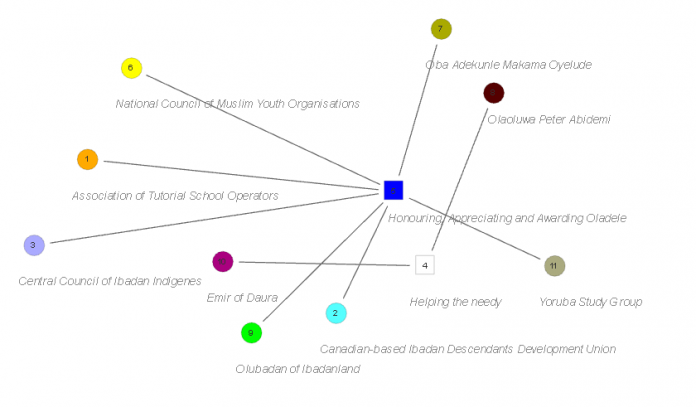
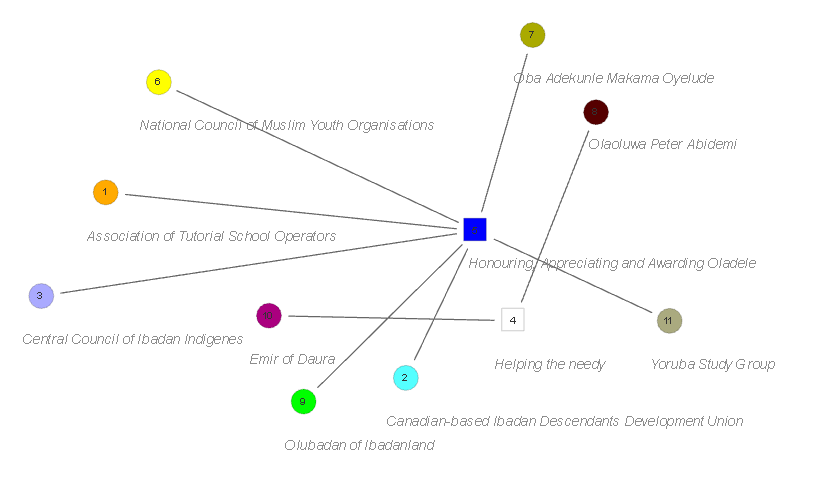
Saheed Oladele has already managed to gather support from a wide range of respected individuals and groups across different sectors. His supporters include traditional rulers, such as the Olubadan of Ibadanland and Oba Adekunle Makama Oyelude, both of whom carry immense cultural authority. He also has the backing of religious youth organizations, alumni associations, and a diaspora group in Canada, showing that his appeal extends beyond local communities.

His connection to the widely respected “Helping the Needy” initiative has further strengthened his public image. This group is known for providing food, medical assistance, and other social services to those in need. In a state where poverty, unemployment, and inadequate healthcare continue to affect millions, being associated with a program that brings relief and hope is a strong point in his favor.

Source: Nigerian Newspapers, 2024-2025; Infoprations Analysis, 2025

What sets Oladele apart is the diversity of people and institutions standing behind him. He has made efforts to be seen not just as a politician, but as someone who is deeply connected to the fabric of society. From community-based groups to religious and cultural institutions, his support base reflects a strategy that emphasizes inclusiveness and local relevance.

He also appears to be reaching beyond the Southwest. His association with the Emir of Daura, a traditional ruler from northern Nigeria, suggests a deliberate attempt to build relationships across regional lines. This could signal that he is thinking nationally, or at least showing that he can collaborate with stakeholders from different parts of the country.

However, one potential weakness in Oladele’s current setup is that his supporters appear to be directly connected to him, but not to each other. This could make coordination more difficult as his campaign grows. It means the burden of holding everything together may fall on his personal leadership and presence.

Olaoluwa Peter Abidemi: A Fresh Voice Focused on Compassion

In contrast, Olaoluwa Peter Abidemi has taken a more reserved but focused approach. At this point, the most visible part of his public identity is his alignment with the “Helping the Needy” initiative. Unlike Oladele, he does not appear to have secured endorsements from traditional leaders or multiple civic organizations. Yet his involvement in this humanitarian work sends a powerful message.

Abidemi may be presenting himself as a reformer or underdog who wants to break away from the usual political pattern. Instead of relying on long-standing networks or power brokers, he is choosing to let his acts of service speak for him. By focusing on helping the poor, he taps into the frustrations of many citizens who have grown tired of politicians who make promises but deliver little.

This minimalist strategy could work well with younger voters or those in urban areas who are looking for sincerity, honesty, and a new kind of politics. However, it also carries a risk. Without broader support from traditional institutions or visible engagement with different sectors of society, Abidemi might be seen as lacking the influence or resources to run a successful campaign.

To move from being seen as a compassionate figure to being recognized as a serious contender, Abidemi will likely need to expand his public engagements. Building relationships with community leaders, youth groups, market associations, and religious institutions could help strengthen his visibility and credibility.

Source: Nigerian Newspapers, 2024-2025; Infoprations Analysis, 2025

Philanthropy as a Political Strategy

One thing that unites both aspirants is their decision to make humanitarian service a central part of their image. In a political environment where many citizens feel abandoned, this is more than just a branding choice. It is a reflection of what people now demand from those who want to lead them.

For both men, involvement in “Helping the Needy” is not only about charity. It sends a deeper message. It says, “I see you. I understand your struggles. And I am willing to do something about it.” This emotional connection could turn out to be more powerful than party loyalty or high-profile endorsements.

However, while kindness opens doors, political leadership also requires strategy, coordination, and the ability to build alliances. Oladele seems to understand this and has already built a web of relationships that span across institutions and communities. Abidemi’s approach, on the other hand, is rooted in values and empathy. If he can combine that authenticity with broader public engagement, he could evolve into a compelling candidate.

The World’s Top Banker and Lessons on Bitcoin, Expertise and Profit

0
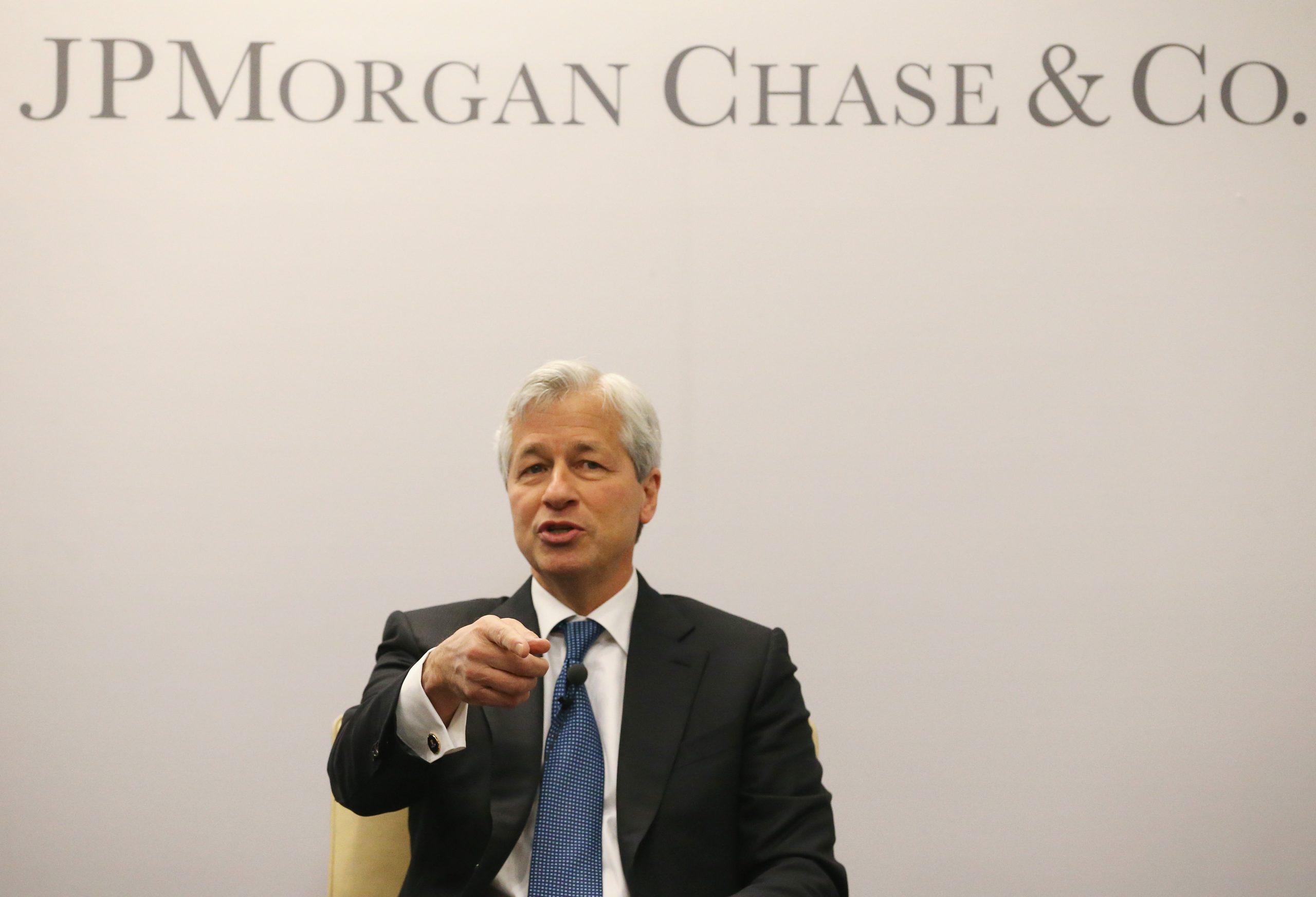
JP Morgan Chase puts contents through its CEO account, it goes viral. But the same content via JPMC account, no one cares (WSJ)

Be careful with the gatekeepers to know when they’re speaking to protect their castles.  In an Igbo novel, Uwadiegwu [the literal meaning of the title is that the world is mystical], the author dropped many wise lessons, and one has to do with knowing the person to listen to.

J.P. Morgan Chase CEO Jamie Dimon: “I’m a major skeptic on crypto tokens which you call currency, like Bitcoin. They are decentralized Ponzi schemes.” – Sept 2022

J.P. Morgan Chase CEO Jamie Dimon: “We are going to allow you to buy it [Bitcoin]”  – May 2025

In a Logic and Philosophy class (GST 103) as an undergraduate in Federal University of Technology Owerri (FUTO), the professor explained “subjects” and “predicates” as he tried to teach us how to make logical statements. Using that course, one can extrapolate that the world’s finest bank is now allowing its clients to participate in decentralized Ponzi schemes so that the bank can make money!

Certainly, JP Morgan Chase occupies the zenith of global banking with a fortress balance sheet. But that does not mean its leader knows everything. The book – The Richest Man in Babylon – admonished us to seek the experts, understanding that your banker is not qualified to be an expert for an abdominal surgery. But when we transfer domain expertise, mindlessly, we run into troubles.

I tell startup founders that your college advisor may not be qualified to be your startup mentor unless he understands the terrain of startups. The problem comes when you cannot differentiate who you listen to, across different vectors you play in your career.

Sure – this is not to endorse Bitcoin or crypto; I am simply saying that if you know A, it does not mean you know B. And those seeking directions must do all to understand that. Imagine asking me how to win the Nigerian presidency, I will likely tell you to present a vision for Nigeria. But experts in that game possibly know that can even disqualify the candidate!

Comment on feed and my response:

You are not commenting on this piece as you have not explained what you did not agree with. Also, I did not say he is right or wrong. I also said that people should not outsource their brains and minds to “experts” because no human understands everything. Your doctor is an expert in his space but may not know anything about flying a plane. But when you transfer his medical expertise to flying a plane, you get into trouble.

Sophon Network TGE and Listing Scheduled For 28th May on Binance Alpha and OKX

0

Sophon has scheduled its Token Generation Event (TGE) for the SOPH token on May 28, 2025. The SOPH token has a fixed supply of 10 billion tokens. Of this, 57% is allocated to the community, including 20% for node rewards, 26% for ecosystem reserves, 9% for airdrops, and 2% for L2 liquidity mining (reduced from 4% due to a shortened program duration). Additionally, 25% goes to the Sophon Foundation (released over 4 years), 18% to seed round investors (released over 3 years), and 5% to advisors.

SOPH is the native utility token for the Sophon Network, a ZK Stack Validium Layer-2 solution built on zkSync’s Elastic Chain, focused on consumer applications like gaming, ticketing, and betting. It serves two primary functions at launch. SOPH is required for transaction fees on the Sophon Network, though native paymaster technology allows applications to sponsor fees, reducing the need for users to hold SOPH directly.

SOPH secures the network through decentralized sequencing, with staking available initially via the Sophon Foundation’s Full Node. Users can stake within the claim window or through Sophon Home’s Earn section, with rewards distributed every ~15 minutes. 9% of the token supply (900 million SOPH) is allocated for airdrops, with 6% for L1 Farm participants and 3% for early supporters (Sophon users, ZKsync active users, NFT holders, and community contributors).

OKX Exchange users who pre-register will receive a 5% bonus in SOPH at TGE, delivered directly to their accounts. SOPH will be listed on Binance Alpha and OKX for spot trading starting May 28, 2025, at 13:00 (UTC). Binance Futures will also launch SOPH/USDT perpetual contracts with up to 50x leverage at 13:30 (UTC). Binance offers exclusive airdrops for eligible users via Binance Alpha points, claimable from May 28 to May 29, 2025.

Sophon leverages zkSync’s technology for high scalability, low-cost transactions, and native account abstraction, targeting mainstream adoption in entertainment. Paymaster technology enhances user experience by allowing fee sponsorship, and the network supports interoperability with other ZK chains. Posts on X reflect excitement about the TGE, with users highlighting SOPH’s role in blockchain entertainment and gaming, though some note the lack of detailed tokenomics at the time of their posts.

The TGE, with 9% of the 10 billion SOPH tokens allocated for airdrops (900 million tokens), offers early adopters, L1 Farm participants, and community contributors a chance to gain value, especially with listings on major exchanges like Binance and OKX. The 5% bonus for OKX pre-registrants and Binance Alpha points could further incentivize participation, potentially creating wealth for early supporters if SOPH’s value rises.

Staking SOPH for decentralized sequencing, with rewards distributed every ~15 minutes, provides ongoing earning potential. However, this favors those with the resources to stake significant amounts, potentially concentrating rewards among larger holders. The Binance futures listing with 50x leverage suggests high trading volatility, which could attract speculators but also risks significant losses for inexperienced traders. The fixed 10 billion token supply may stabilize value long-term, but short-term price swings are likely post-TGE.

Sophon’s ZK Stack Validium Layer-2, with low-cost transactions and paymaster technology, aims to make blockchain gaming, ticketing, and betting accessible to mainstream users. This could drive adoption in entertainment sectors, positioning Sophon as a competitor to other Layer-2 solutions like zkSync or Polygon. The 26% ecosystem reserve could fund dApp development, attracting developers to build consumer-focused applications. This could create a robust ecosystem but depends on effective allocation by the Sophon Foundation.

The airdrop structure (6% for L1 Farm, 3% for early supporters) rewards existing crypto users, particularly those active on zkSync or holding Sophon NFTs. This fosters loyalty but may exclude newer users who missed early engagement opportunities. The airdrop and staking rewards favor early adopters, zkSync users, and those with resources to stake or trade on exchanges. This could widen the gap between crypto-savvy insiders and newcomers, especially if SOPH’s value spikes post-TGE.

Staking via the Sophon Foundation’s Full Node requires holding SOPH, which may be cost-prohibitive for some, concentrating rewards among wealthier participants. Sophon’s Layer-2 solution requires users to interact with wallets or dApps, which may exclude non-technical users unfamiliar with blockchain. While paymaster technology simplifies fees, it still assumes some crypto literacy.

Users in regions with limited internet access or regulatory restrictions on crypto may struggle to participate in the TGE or network, deepening global digital divides. The airdrop prioritizes existing zkSync users and Sophon supporters, potentially alienating new community members. X posts highlight excitement but also frustration over eligibility criteria, which could create a perception of exclusivity.

Traders leveraging Binance’s 50x futures may prioritize short-term gains, while developers and long-term holders focus on ecosystem growth. This could lead to conflicting priorities within the community. Clear communication of tokenomics and airdrop eligibility, as seen on claim.sophon.xyz, can reduce mistrust. The Sophon Foundation should continue updating the community via platforms like blog.sophon.xyz.

Expanding airdrop access or offering educational resources could onboard non-crypto-native users, particularly for entertainment-focused applications. Lowering barriers to staking (e.g., via pooled staking options) could distribute rewards more evenly. Ensuring global accessibility, where legally feasible, could address regional disparities.

The SOPH TGE could drive significant adoption for Sophon’s entertainment-focused Layer-2 network, creating economic opportunities through airdrops, staking, and trading. However, it risks exacerbating divides in wealth, technology access, and community inclusion unless deliberate steps are taken to broaden participation.

If You Put $15000 in XRP at the Beginning of 2021, You Made $139950 by Year-End: How Much You Could Make in 2025 and Top Rival to Consider

0

The ‘cross-border finance redefinition’ as well as Ripple’s XRP were among the trending buzz in the crypto world during 2021. If you purchased XRP at the start of 2021, in January, and invested $15,000 USD, you would have seen it reach an estimated $139,950 by the end of the year. That’s $124,950 USD profit, or about an 833% increase in 12 months. With the four-year cycle returning in 2025, investors are wondering if XRP could repeat its success and deliver similar returns again. Also, is there a fresh contender you should be eyeing alongside it? Let’s dive in.

The XRP Rollercoaster

In January 2021, XRP traded around $0.22. By the start of Q2, it had surged to nearly $1.96 due to speculative fervor and hopes of a successful legal resolution. Even after the mid-year pullback, the year-end price still hovered around $0.88—enough to turn a $15k position into a six-figure sum.

Key drivers back then included:

  • Legal optimism: Investors bet heavily on a favorable SEC outcome.
  • On-chain partnerships: Ripple inked deals across Asia and Europe for cross-border payments.
  • Market momentum: Altcoins were on fire, and XRP was among the brightest stars.

Fast-Forward to 2025: Can XRP Stage Another Comeback?

XRP currently sits at a different crossroads. The legal clarity it sought in 2021 has materialized, but global adoption of its On-Demand Liquidity rails remains gradual. Can we expect another massive run in 2025? Let’s break down the possibility.

Bullish Catalysts for XRP in 2025

  1. Regulatory Maturity
     The SEC’s positive outlook and recent court wins have positioned XRP as a compliant digital asset. The recently approved XRP ETFs could open the floodgates for institutional inflows.
  2. CBDC & Stablecoin Integration
     Central banks are pivoting towards token-based settlements and cross-border payments. XRP’s throughput and low fees make it a compelling option for tokenized currency corridors.
  3. Government Acceptance
     The US government is considering buying XRP as a reserve asset using Treasury bills. This move has the potential to drive up demand, adoption, and the price of the coin.

Once XRP captures even a fraction of these catalysts, a 5x-10x move from today’s $2.29 level isn’t out of the question.

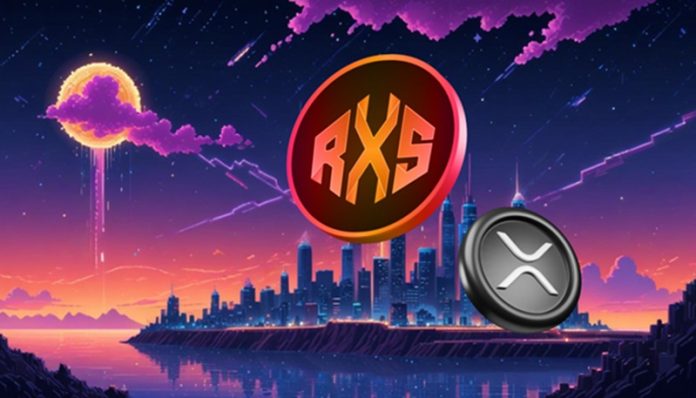
Top Rival Watch: Rexas Finance (RXS)

Rexas Finance (RXS) is the newest crypto darling stealing headlines in 2025 and positioned as XRP’s rival thanks to its emphasis on asset tokenization. Real World Asset (RWA) tokenization is one of the most talked-about trends in finance right now. A prominent Hedge Fund manager called it the “next generation for markets.” And Rexas Finance is positioning itself as the platform that turns this narrative into usable infrastructure. Here are some reasons why Rexas Finance is worth considering:

1. Real-World Asset Tokenization

Traditional investment in physical assets, such as real estate, gold, or fine art, requires a significant amount of capital. Rexas Finance lets users fractionalize these assets on-chain, democratizing access and unlocking liquidity.

2. Holistic Ecosystem

RXS powers the comprehensive chain of Rexas Finance, which includes:

  • Rexas Token Builder: enables No-code asset minting for properties, commodities, or businesses.
  • Rexas Launchpad: Decentralized fundraising feature for asset projects.
  • Rexas Marketplace: Trade fractional tokens 24/7, globally, with integrated compliance (KYC/AML).

3. Impressive Presale Performance

  • Stage 1 price: $0.03
  • Current presale price: $0.20 (566% gain)
  • Tokens sold: 462 million of 500 million.
  • Funds raised: $48.4 million.

Rexas Finance will be publicly launched on exchanges in June at $0.25. Buyers of RXS at $0.20 lock in 25% upside instantly, and the long-term holders have a massive shot at another round of 500% gain.

Final Thoughts

XRP’s 800% gain in 2021 was thrilling, but unique market conditions and regulatory drama fueled that ride. In 2025, the game has changed.  XRP still offers upside, mainly as it solidifies its institutional appeal, but Rexas Finance represents the frontier of real-world asset tokenization, a space primed for explosive growth. By blending the established momentum of XRP with a calculated stake in RXS’s cutting-edge ecosystem, you position yourself to capitalize on both waves—traditional financial rails meeting the decentralized age of digital assets. In crypto, those who diversify thoughtfully and act decisively often come out ahead.


For more information about Rexas Finance (RXS) visit the links below:

Website: https://rexas.com

Win $1 Million Giveaway: https://bit.ly/Rexas1M

Whitepaper: https://rexas.com/rexas-whitepaper.pdf

Twitter/X: https://x.com/rexasfinance

Telegram: https://t.me/rexasfinance