DD
MM
YYYY

PAGES

DD
MM
YYYY

spot_img

PAGES

Home Blog Page 1121

Dissolution of the UTI on Libra Token Rugpull Risks Exacerbating Argentina’s Political and Social Divides

0
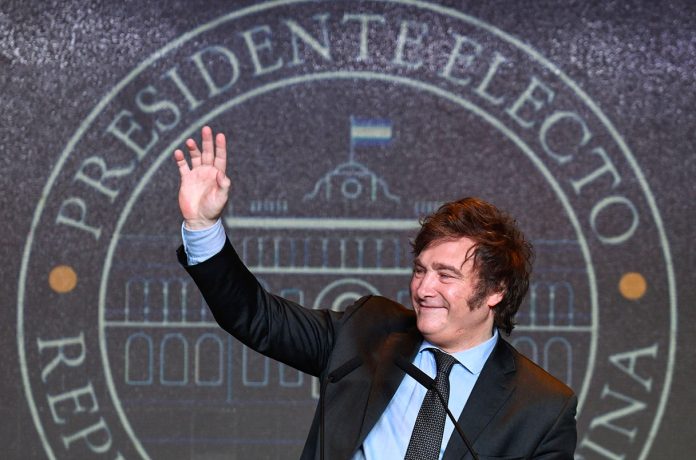
TOPSHOT - Argentine presidential candidate for the La Libertad Avanza alliance Javier Milei waves to supporters after winning the presidential election runoff at his party headquarters in Buenos Aires on November 19, 2023. Libertarian outsider Javier Milei pulled off a massive upset Sunday with a resounding win in Argentina's presidential election, a stinging rebuke of the traditional parties that have overseen decades of economic decline. (Photo by Luis ROBAYO / AFP) (Photo by LUIS ROBAYO/AFP via Getty Images)

Argentine President Javier Milei has dismantled the Investigative Task Force (UTI), a body established three months ago to probe the $Libra cryptocurrency scandal, as per a decree published in the official gazette, signed by Milei and Justice Minister Mariano Cúneo Libarona. The UTI was tasked with investigating allegations of irregularities after Milei promoted the $Libra token on X in February 2025, which led to a rapid spike and subsequent crash in its value, causing significant investor losses.

The $Libra scandal, often referred to as “Cryptogate,” erupted when Milei endorsed the cryptocurrency, claiming it would boost Argentina’s economy by funding small businesses. The token’s value surged from $0.000001 to $5.20 within 40 minutes but plummeted to $0.99 within hours, resulting in approximately $250 million in losses for an estimated 74,000 investors. Blockchain researchers reported that eight digital wallets linked to the token’s creators withdrew around $99 million, with allegations of a “rug pull” scam where insiders sold off their holdings after inflating the price.

Milei has faced significant backlash, including over 100 criminal complaints alleging fraud, calls for impeachment, and investigations in Argentina, the U.S., and Spain. He has denied wrongdoing, claiming he acted in good faith and was unaware of the project’s details, and ordered the Anti-Corruption Office to investigate. Critics, including opposition lawmakers and former President Cristina Fernández de Kirchner, have accused him of participating in a scam, with some labeling his actions a violation of Argentina’s Public Ethics Law.

The decision to shut down the UTI has raised concerns about transparency and accountability, as it was meant to scrutinize the roles of Milei and his sister, Karina, in the scandal. No official reason for the dissolution was detailed in the decree, but it coincides with ongoing legal and political challenges, including a federal judge’s investigation and international lawsuits. The move has sparked further criticism, with opponents arguing it undermines efforts to address the scandal’s fallout.

The dissolution of the Investigative Task Force (UTI) probing the $Libra cryptocurrency scandal under Argentine President Javier Milei carries significant implications and has deepened existing political and social divides in Argentina. Shutting down the UTI, which was tasked with investigating Milei’s role in the $Libra scandal, fuels perceptions of a cover-up. This move risks further eroding public confidence in Milei’s administration, already under scrutiny for promoting a cryptocurrency that led to $250 million in investor losses.

The lack of transparency, coupled with Milei’s denial of wrongdoing and the absence of a clear explanation for dissolving the UTI, may intensify accusations of corruption or mismanagement, damaging his credibility both domestically and internationally. The decision has amplified calls for Milei’s impeachment, with opposition figures like Cristina Fernández de Kirchner labeling it a deliberate obstruction of justice. This could escalate political instability, especially as Milei’s libertarian coalition, La Libertad Avanza, holds a fragile minority in Congress.

The scandal and UTI’s closure may weaken Milei’s ability to push his economic reform agenda, including his push for dollarization and deregulation, as public and legislative support wanes. The ongoing investigations in Argentina, the U.S., and Spain into the $Libra scandal are unlikely to be affected by the UTI’s dissolution, as they are led by independent judicial bodies or foreign authorities. However, the move could complicate Argentina’s international relations, particularly with countries pursuing lawsuits over the scam.

Domestically, the federal judge overseeing the case may face pressure to intensify scrutiny, potentially leading to legal challenges for Milei and his sister, Karina, who has been implicated in related allegations. The $Libra scandal has already cost an estimated 74,000 investors significant losses, further straining Argentina’s fragile economy, which is grappling with hyperinflation and currency devaluation. The UTI’s closure may deter future investment in Argentine markets, as it signals weak accountability for financial misconduct.

Milei’s initial promotion of $Libra as a tool to fund small businesses now appears contradictory to his libertarian free-market principles, potentially alienating his core supporters who expected economic innovation. The scandal has reignited discussions about regulating cryptocurrencies in Argentina, where crypto adoption has grown amid economic instability. The UTI’s dissolution may delay or derail efforts to establish oversight, leaving investors vulnerable to similar scams in the future.

Milei’s base, largely libertarian and anti-establishment, may view the UTI’s closure as a pragmatic move to avoid a politicized witch hunt. They argue that Milei acted in good faith and that the scandal is being exploited by opponents to undermine his reformist agenda. Opposition groups, including Peronists and center-left coalitions, see the UTI’s dissolution as evidence of Milei’s complicity or an attempt to evade responsibility. They argue it violates public ethics and democratic norms, with figures like Fernández de Kirchner accusing Milei of orchestrating a scam. This has fueled demands for impeachment and protests in Buenos Aires.

lower-income groups who lost savings in $Libra feel abandoned, while Milei’s middle-class and entrepreneurial supporters may prioritize his broader economic vision over the scandal. The judiciary and Anti-Corruption Office now face increased pressure to deliver results, as the UTI’s dissolution shifts responsibility to these bodies. This creates a rift between Milei’s executive branch and independent institutions, with potential for further legal battles.

The move also highlights tensions between Milei’s libertarian ideology, which favors minimal government intervention, and the need for state mechanisms to address financial misconduct, deepening ideological debates. Internationally, the scandal and UTI’s closure have drawn scrutiny from investors and regulators in the U.S. and Spain, where lawsuits are pending. This contrasts with domestic narratives, where Milei’s supporters frame the issue as a distraction from his economic reforms, while critics see it as a global embarrassment.

The dissolution of the UTI risks exacerbating Argentina’s political and social divides, undermining Milei’s credibility, and stalling economic recovery efforts. It intensifies the clash between his libertarian base and a broad opposition, while leaving unresolved questions about accountability in the $Libra scandal. The fallout could reshape Argentina’s political landscape and influence future cryptocurrency regulation, with Milei’s leadership increasingly under strain as legal and public pressures mount.


Obi slams N7tn budget insertions, says Nigeria is ‘run like a crime scene’, As questions mount over Tinubu’s silence

0

Labour Party’s presidential candidate in the 2023 general election, Peter Obi, has described the N6.93 trillion worth of suspicious projects allegedly smuggled into Nigeria’s 2025 national budget as further proof that the country is being “run like a crime scene,” warning that systemic corruption and impunity have now reached unprecedented levels of boldness.

Obi’s remarks followed a damning exposé by civic-tech organization BudgIT, which revealed that over 11,000 projects—many of them vague, duplicated, or linked to questionable entities—were inserted into the budget by members of the National Assembly. The group described the revelations as part of a “deeply entrenched culture of exploitation and abuse” within the federal legislature.

BudgIT’s findings triggered a storm of public outcry, with analysts and civil society groups calling for an immediate investigation into what is now being described as one of the most bloated and compromised national budgets in recent memory.

Troubling Silence from the Presidency

However, the presidency has maintained a conspicuous silence—one that critics and observers say points to a dubious alliance between the executive and the legislature.

Over 72 hours since BudgIT’s report surfaced, neither the President, the Budget Office, nor the Federal Ministry of Finance has said a word—raising questions about the administration’s commitment to transparency.

Many analysts believe the silence may not be accidental. Instead, they suggest it reflects a growing pattern of collusion between the executive and legislative branches of government.

Several civil society actors have pointed to what they describe as a quid pro quo arrangement—where the National Assembly allows the executive wide latitude in fiscal discretion in exchange for the freedom to inject massive, often opaque, constituency projects into the national budget.

“The insertion of over 11,000 projects worth N6.93 trillion into the 2025 budget by the National Assembly is not just alarming, it is an assault on fiscal responsibility. This trend, increasingly normalized, undermines the purpose of national budgeting, distorts development priorities, and redirects scarce resources into the hands of political elites, Gabriel Okeowo, BudgIT’s Country Director, said, stressing the urgent need to restore integrity to Nigeria’s budgeting process,

Obi: “Nigeria must cease to function as a crime scene”

In a statement issued on Tuesday, Obi said the revelations confirm his long-standing view that corruption is not only endemic but structurally embedded in how Nigeria is governed.

“Nigeria remains a relentless scene of corruption. I have consistently maintained that for this country to make progress, Nigeria must cease to function as a crime scene and be repositioned for genuine development,” Obi said.

“These findings are deeply troubling and confirm my long-held position. This entrenched corruption—persistent and deeply rooted—must be nipped in the bud if there is to be any meaningful turnaround.”

The former Anambra governor noted that while BudgIT uncovered N6.93 trillion in suspicious insertions, the actual amount misappropriated may be significantly higher.

“We must urgently and aggressively combat corruption, misappropriation, and fiscal recklessness in order to manage our resources effectively and efficiently, and invest in critical areas of development: health, education, and lifting our people out of poverty,” he said.

Obi linked Nigeria’s deteriorating public education and healthcare systems to what he called the “brazen impunity” of political leaders. He warned that the same pattern of fiscal irresponsibility is why Nigeria is failing to improve agricultural productivity, create jobs through MSME support, and enhance food security.

“This brazen impunity by our leaders is precisely why the country cannot invest adequately in education—hence the existence of nearly 20 million out-of-school children,” he stated. “It is also why we cannot support MSMEs, fix our hospitals, or tackle food insecurity and rising poverty.”

Lawmakers under scrutiny

At the center of the controversy are Senate President Godswill Akpabio and House Speaker Tajudeen Abbas—both of the ruling All Progressives Congress (APC)—who head the two chambers of the National Assembly. BudgIT’s report suggests that under their leadership, the legislative arm of government has continued a pattern of inflating the budget with non-essential or non-existent projects in exchange for political and financial leverage.

One example cited in the report is the inclusion of projects with little or no description, others with overlapping scopes, and some assigned to agencies without mandates to implement such work. BudgIT also flagged projects assigned to private companies and NGOs without procurement scrutiny or proper oversight.

A growing number of Nigerians and civil society groups are now calling for an independent investigation into both the National Assembly’s role and the Presidency’s complicity. Many have demanded that the Federal Government publish a full breakdown of all budget line items and their executing agencies.

As the silence from the presidency persists, Obi is urging Nigerians to remain vigilant and to demand that public resources be protected from elite capture.

“We must confront this corruption, misappropriation, and fiscal recklessness with unwavering resolve. Our national resources must be transparently managed and strategically invested in key sectors—health, education, and poverty alleviation—to secure a better future for our people,” Obi said.

“We must turn this nation around.”

Cost Savings with LPG Forklifts vs. Traditional Gas Forklifts

0

LPG (Liquefied Petroleum Gas) forklifts offer significant cost advantages over traditional gasoline-powered models across several key areas. For businesses looking to optimize their material handling operations, the switch to LPG can yield substantial savings while maintaining high performance standards.

Fuel Cost Savings

LPG typically costs 30-40% less per operational hour compared to gasoline. A medium-duty forklift running on gasoline might consume $12-15 worth of fuel per 8-hour shift, while an equivalent LPG model would use only $7-9 worth of fuel for the same period. For a fleet of just five forklifts operating daily, this represents potential annual savings of $15,000-$20,000.

Maintenance Cost Reduction

LPG forklifts experience less engine wear due to cleaner combustion. This regulator, the Impco Model J, is particularly effective at delivering consistent fuel flow that reduces carbon buildup and extends engine life. The reduced carbon deposits translate to:

  • 20-30% fewer oil changes
  • Extended spark plug life
  • Less frequent tune-ups
  • Reduced engine component replacement

These maintenance advantages typically save operators $800-1,200 per forklift annually compared to gasoline models.

Operational Efficiency

LPG forklifts provide several operational benefits that translate directly to cost savings:

  • Quick refueling (2-3 minutes to swap tanks vs. 10+ minutes for refueling)
  • No fuel spillage waste or cleanup costs
  • Less downtime for repairs
  • Consistent power output throughout tank usage

Extended Equipment Lifespan

The cleaner-burning properties of LPG contribute to an average 15-20% longer service life for the forklift. With proper maintenance, an LPG forklift can remain operational for 12,000-15,000 hours versus 10,000-12,000 for comparable gasoline models, representing thousands in delayed replacement costs.

Total Cost of Ownership

When calculating the total five-year cost of ownership for a medium-duty forklift:

  • Gasoline forklift: Approximately $65,000-75,000
  • LPG forklift: Approximately $52,000-60,000

This represents potential savings of $13,000-15,000 per unit over this period.

Environmental Compliance Cost Avoidance

LPG forklifts produce fewer emissions, helping businesses avoid potential non-compliance penalties in jurisdictions with strict environmental regulations. They produce approximately 60% less carbon monoxide than gasoline counterparts, with significantly reduced particulate matter and nitrogen oxide emissions.

For businesses considering their material handling equipment options, the switch to LPG forklifts presents a compelling financial case alongside operational and environmental benefits, making them an increasingly popular choice for warehouse and logistics operations.

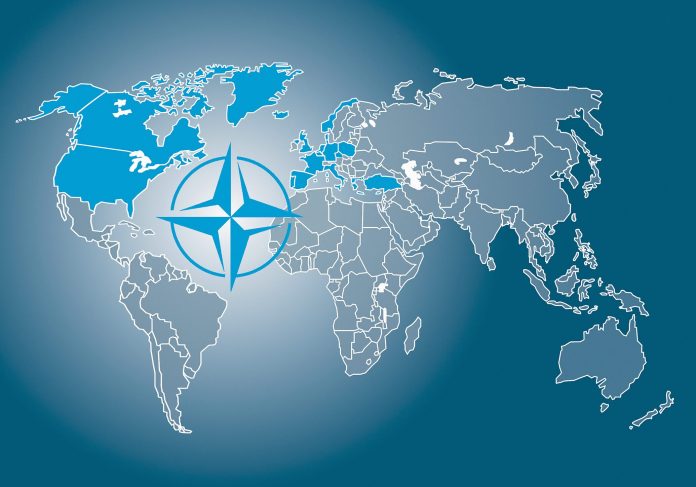
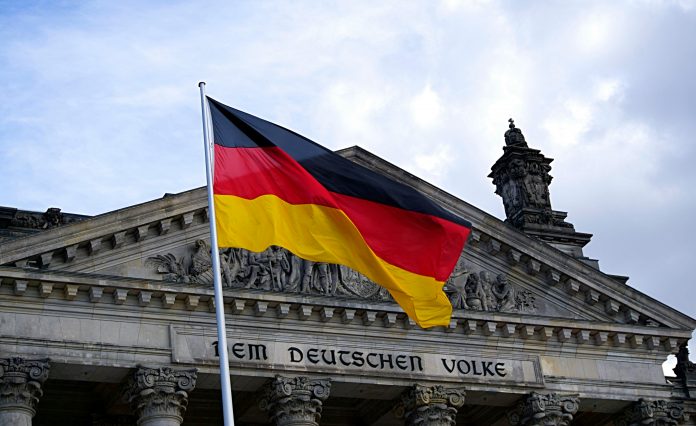
Evaluating NATO’s Defense Stance and Germany’s Push For Increased 5% Defense Spending

0

Recent developments indicate Germany’s evolving stance on NATO defense spending, particularly in response to calls for increased contributions, including U.S. President Donald Trump’s push for NATO members to spend 5% of GDP on defense. Boris Pistorius has expressed skepticism about the feasibility of a 5% GDP defense spending target, noting in early 2025 that it would require around 42% of Germany’s federal budget, approximately €230 billion, which he called “unrealistic” and unnecessary. He emphasized that meeting NATO’s capability targets within agreed timelines is more critical than chasing specific percentages.

By May 2025, Pistorius appeared to signal openness to higher defense spending, stating that Germany’s defense budget would need to exceed 3% of GDP to meet NATO capability goals, potentially aligning with broader discussions about reaching 5% when including infrastructure and other security-related costs. This shift followed comments from German Foreign Minister Johann Wadephul, who endorsed Trump’s 5% target, suggesting Germany would “follow” this demand.

Pistorius has advocated for a significant increase in Germany’s defense budget, proposing a rise to over €60 billion annually starting in 2025, up from €51.8 billion in 2024, with plans to reach €80–90 billion by 2028 to address heightened security concerns, particularly the Russian threat. These funds would support NATO commitments, Ukraine aid, and modernization of the Bundeswehr, which Chancellor Friedrich Merz aims to make Europe’s strongest conventional army.

Discussions around the 5% target include redefining defense spending to encompass infrastructure (e.g., roads and bridges for military mobility), intelligence, and other security costs, potentially bringing Germany closer to the 5% figure without solely focusing on military budgets. Germany faces budgetary constraints, with a collapsed coalition government in November 2024 and snap elections in February 2025 delaying long-term fiscal planning. The constitutional debt brake further complicates funding, though Pistorius has pushed for its reform to accommodate defense spending.

While Pistorius has not explicitly outlined a detailed “roadmap” for a 5% target, his recent statements suggest a strategy involving incremental budget increases, a focus on NATO capability goals, and potentially redefining defense spending to include broader security investments. The implications of German Defense Minister Boris Pistorius’ evolving stance on NATO’s proposed 5% GDP defense spending target, as well as Germany’s broader defense strategy, are significant for Germany, NATO, and global security dynamics.

Achieving or approaching a 5% GDP target (approximately €230 billion annually) would require a massive reallocation of resources, potentially consuming 42% of Germany’s federal budget. This could strain public finances, especially given the constitutional debt brake, which limits deficit spending. Reforming the debt brake, as Pistorius advocates, could face political resistance but may be necessary to fund defense increases.

The collapse of the coalition government in November 2024 and upcoming snap elections in February 2025 complicate long-term budget planning. A new government, led by Friedrich Merz, may prioritize defense but face challenges balancing social welfare, infrastructure, and security spending amid public and political scrutiny. Increased defense spending could spark domestic debate, as Germans have historically been cautious about militarization. Pistorius would need to justify the economic trade-offs to maintain public support, particularly if taxes rise or other sectors face cuts.

Germany’s willingness to exceed the current 2% NATO target (already met in 2024) and consider 3–5% demonstrates a stronger commitment to collective defense, potentially boosting its influence within NATO. This aligns with Chancellor Merz’s goal of making the Bundeswehr Europe’s strongest conventional army. U.S. President Donald Trump’s push for a 5% target has pressured allies like Germany. By signaling openness to higher spending, Germany may mitigate transatlantic tensions and avoid U.S. criticism or threats to reduce NATO commitments, fostering alliance cohesion.

Germany’s budget increases could set a precedent for other NATO members, encouraging wealthier allies to contribute more. However, redefining defense spending to include infrastructure and intelligence could spark debates over what qualifies as “defense,” potentially complicating NATO’s accounting standards. Increased funding (e.g., €60 billion in 2025, aiming for €80–90 billion by 2028) would accelerate modernization of Germany’s armed forces, addressing critical gaps in equipment, personnel, and readiness exposed by years of underinvestment. This supports NATO’s capability targets and enhances deterrence against threats like Russia.

Higher budgets would enable Germany to sustain or increase aid to Ukraine, reinforcing its role as a key European security provider. This is critical given ongoing Russian aggression and the need for NATO’s eastern flank to remain robust. Including infrastructure like roads and bridges in defense spending could improve NATO’s military mobility across Europe, enabling faster deployment of forces in a crisis. This aligns with NATO’s strategic priorities but requires coordination with allies.

Germany’s increased defense spending and focus on NATO capabilities directly address the heightened Russian threat, particularly following the 2022 invasion of Ukraine. A stronger Bundeswehr enhances deterrence and signals to Moscow that NATO’s European members are serious about collective defense. As a leading EU economy, Germany’s defense buildup could drive greater European strategic autonomy, reducing reliance on the U.S. while complementing NATO. This aligns with calls from leaders like Merz to make Europe’s defense more self-sufficient.

A more militarily assertive Germany could reshape its global image, moving away from post-WWII restraint. However, this shift may raise concerns among neighbors, requiring careful diplomacy to avoid misperceptions of German militarism. Higher budgets would stimulate Germany’s defense sector, benefiting companies like Rheinmetall and creating jobs. This could also enhance Germany’s role in European defense initiatives, such as joint procurement and innovation.

Diverting funds to defense could limit investments in climate, healthcare, or education, potentially impacting Germany’s economic competitiveness. Pistorius’ push to redefine defense spending (e.g., including infrastructure) may mitigate this by leveraging dual-use investments. The debt brake and post-election budget negotiations could delay or limit spending increases, undermining Germany’s ability to meet NATO targets quickly.

Aligning Germany’s spending with NATO’s capability goals requires agreement on priorities, timelines, and metrics, which could be complicated by differing ally perspectives. Sustaining high defense budgets over time, especially if the 5% target becomes a formal NATO goal, will test Germany’s economic resilience and political will, particularly if global economic conditions worsen.

Germany’s potential roadmap toward a 5% NATO target, as implied by Pistorius’ statements, signals a strategic pivot toward greater defense investment and leadership within NATO. While enhancing deterrence, alliance cohesion, and military modernization, it poses domestic fiscal and political challenges. The redefinition of defense spending to include infrastructure and broader security costs could help Germany approach the target without crippling other sectors, but implementation hinges on post-election stability and NATO-wide coordination.

Workplace Gender Harassment Indicates 24% Female Vs 15% Male Workers in Germany

0

A recent survey by the Nuremberg-based Institute for Employment Research found that 20% of employees in Germany have experienced or witnessed sexual harassment in the workplace. The study, released on May 20, 2025, indicates that 24% of female workers and 15% of male workers are affected. The survey included workers and businesses with at least 50 employees. It highlighted that incidents often go unreported due to fear of negative consequences or shame, with only 13% of surveyed companies reporting at least one case in the past two years.

The study also noted that men in sectors like healthcare, social services, public administration, education, and teaching report higher instances of harassment compared to other industries, while women are less likely to trust employers to address complaints effectively. The Institute for Employment Research survey revealing that 20% of German workers experience or witness sexual harassment at work has significant implications for workplace culture, policy, and gender dynamics.

The low reporting rate (only 13% of companies noted incidents in the past two years) suggests a lack of trust in employers’ ability to handle complaints effectively, particularly among women. This can perpetuate a culture of silence, allowing harassment to persist unchecked. Fear of negative consequences or shame, as noted in the study, indicates a need for stronger workplace policies that protect victims and encourage reporting without retaliation.

Sectors like healthcare, social services, public administration, education, and teaching show higher rates of harassment, particularly for men. This suggests that industries with close interpersonal interactions or hierarchical structures may be more prone to such issues, requiring targeted interventions. The variation across industries highlights the need for tailored training and awareness programs to address specific workplace dynamics.

Economic and Productivity Impacts

Sexual harassment can lead to decreased job satisfaction, higher turnover, and reduced productivity. Companies that fail to address these issues risk financial losses and reputational damage. Employees experiencing harassment may face mental health challenges, increasing absenteeism and healthcare costs. The findings underscore the need for stronger enforcement of anti-harassment laws and policies in Germany. Companies with 50+ employees, as surveyed, must implement clearer reporting mechanisms and training to comply with legal standards and foster safer workplaces.

Policymakers may face pressure to introduce stricter regulations or incentives to ensure companies prioritize harassment prevention. The prevalence of harassment reflects broader societal attitudes toward gender and power dynamics. Public discourse and education campaigns may be needed to challenge norms that enable such behavior. The data could spur advocacy for more inclusive workplace cultures that prioritize respect and equity.

24% of female workers versus 15% of male workers report experiencing or witnessing harassment. This disparity reflects women’s greater vulnerability to harassment, likely due to systemic gender inequalities and power imbalances in workplaces. Men in sectors like healthcare and education report higher rates of harassment compared to other industries, possibly due to interactions with clients, patients, or students. Women, however, face harassment across a broader range of sectors, indicating a more pervasive issue.

Women are less likely to trust employers to handle complaints effectively, which may stem from experiences of dismissal or retaliation. This lack of trust exacerbates underreporting among female workers compared to their male counterparts. Men may be less likely to recognize or report certain behaviors as harassment due to social norms around masculinity, potentially understating their experiences. Women, conversely, may be more aware of harassment due to its higher prevalence and societal discussions around #MeToo and similar movements.

To address these issues, companies and policymakers could: Implement anonymous reporting systems to build trust and encourage reporting across genders. Conduct gender-specific training to address the unique experiences of men and women, focusing on awareness and bystander intervention.

Foster inclusive leadership to challenge power dynamics that disproportionately affect women. Promote sector-specific policies, particularly in high-risk industries like healthcare and education, to protect all workers. The gender divide in experiences and trust underscores the need for nuanced approaches that consider both shared and distinct challenges faced by men and women in combating workplace sexual harassment.