DD
MM
YYYY

PAGES

DD
MM
YYYY

spot_img

PAGES

Home Blog Page 1123

Tekedia Capital welcomes Bramble

0

Tekedia Capital welcomes Bramble, an AI-backed real estate brokerage that provides end-to-end homebuying services for one simple flat fee. Get instant AI help to set up tours, research homes, submit offers, and close confidently – with support from an expert agent whenever you need it.

Buyers today already do a lot of work themselves to find and visit houses, but buyer agents continue to charge a very high fee (2-3% of a home’s purchase price) for what’s often a frustratingly unresponsive and opaque experience. On top of that, the 2024 NAR settlement means that buyers are now fully exposed to that fee.

Bramble solves this problem by giving buyers the experience of a top-tier real estate agent without the sky-high commissions. Early access is open in California, where the average homebuyer gets more than $20k back at close.

Bramble.com owns edgedive.com

57.9% of Total VC Investment For 2025 Went Into AI Startups – Report

0

In Q1 2025, AI startups captured 57.9% of global venture capital (VC) investment, totaling $73.2 billion of the $126.3 billion raised by startups worldwide, according to the State of AI Venture Capital in 2025 report. 

The AI sector’s dominance in VC funding has grown significantly since 2015, when it accounted for just 8.6% of global deal activity. With the global AI market projected to reach $4.8 trillion by 2033, investor interest remains strong.

OpenAI’s $40 billion funding round, led by SoftBank, set a record for the largest private tech investment ever, boosting its valuation to $300 billion and cementing its status as the world’s most valuable AI startup, behind only ByteDance and SpaceX among global unicorns.

Meanwhile, despite the increased growth in the first quarter of 2025, recent data suggests investor enthusiasm may be cooling. The number of VC-backed AI deals dropped to a five-year low in Q1 2025, with only 2,101 completed funding rounds, down from 2,516 in Q1 2024 and 3,022 in Q1 2022.

However, startup funding increased, with VC firms’ funding reaching $126.3 billion in the first quarter of 2025. Still, this is nowhere near the record-high venture capital activity in 2021. In the last quarter of that year, the funding raised from venture capital firms peaked at $211.4 billion, according to data from Pitchbook.

While OpenAI’s $40 billion investment round made up a significant portion of that total, Q1 2025 would still rank as the strongest first quarter for AI venture deals even without this landmark investment.

Although AI VC deals have surged in value, deal count fell to its lowest point since Q1 2021, as explained above. VC firms recorded a total of 2,101 AI investment deals this quarter, compared to 2,516 in Q1 2024 and 2,332 in Q1 2023. This trend may be attributed to the high failure rate of newly founded AI startups; data shows that over 90% of AI startups fail within the first five years.

Reports reveal that VC firms are increasingly cautious about investing in AI startups without a clear path to monetisation. The largest AI investments in Q1 2025 were all late-stage deals, reflecting a preference for backing proven companies over taking risks in an increasingly saturated market.

The Biggest VC Deals So Far in 2025

OpenAI made history this year by signing a $40 billion private funding deal, with SoftBank as the lead investor. Not only was this the biggest AI deal of the year, but it also broke the record for the largest private tech investment of all time. Following the deal, OpenAI’s valuation rose to $300 billion, making it the world’s most valuable AI startup and the third most valuable unicorn globally, after ByteDance and SpaceX.

Anthropic’s $3.5 billion funding round, led by VC firm Lightspeed Venture Partners, placed the company in second for the highest private funding round of the quarter. The deal raised Claude AI’s parent company’s valuation from $58 billion to $61.5 billion. Anthropic now ranks third among all AI startup unicorns.

Coming in third is Infinite Reality, a 3D technology, AI, and entertainment company. Earlier this year, it received a $3 billion investment from an anonymous contributor (who according to the startup cited by Forbes is represented or connected to Sterling Equities and the prominent Katz family), raising its valuation to $12 billion. In April 2025, Infinite Reality’s valuation rose again to $15.5 billion following its acquisition of an AI avatar company.

Regionally, European VC firms invested $5.10 billion in AI during Q1 2025 across 525 deals, representing 24.98% of the 2,101 VC-backed AI deals for the quarter. Data from the rest of the world shows 90 additional AI deals were made, with a combined investment of $500 million. Globally, venture deals peaked in 2021 with 57,386 recorded transactions, while AI has accounted for an increasingly larger share of total VC activity in recent years.

While Q1 2025 funding outpaced recent years, it remains below the 2021 peak of $211.4 billion in Q4. The trend of fewer but larger deals suggests a maturing AI market, with investors favoring scalability and clear monetization paths over speculative early-stage ventures.

Mark Cuban Warns Trump’s New Phone May Be a “Trojan Horse” for Crypto Scheme

0

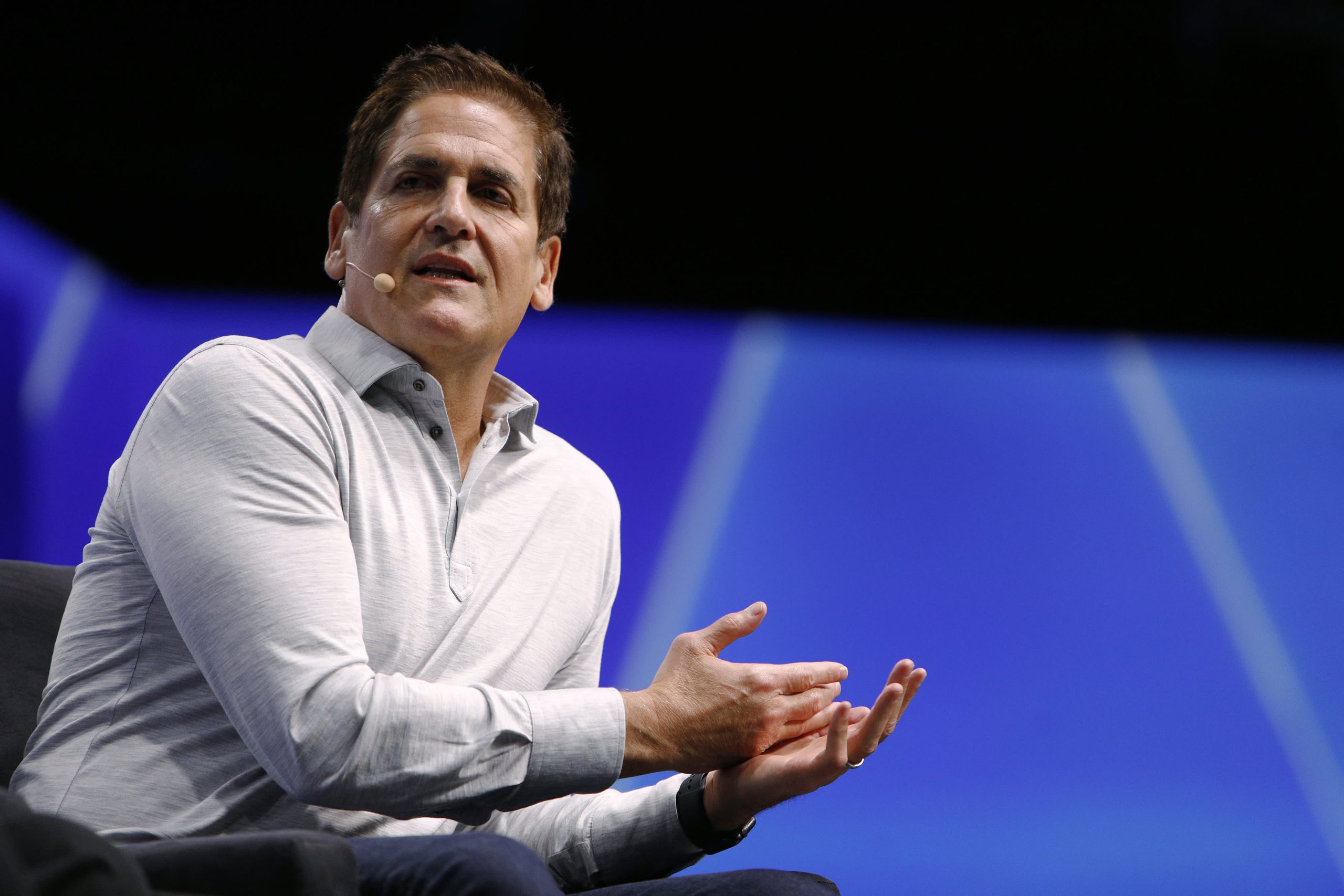
Billionaire investor Mark Cuban has sounded the alarm over what he believes is the true purpose behind Donald Trump’s newly launched smartphone: not mobile innovation, but crypto profits.

The $499 gold-colored “T1” device was unveiled Monday by Donald Trump Jr. and Eric Trump as part of the Trump Mobile initiative, described as a patriotic, American-made alternative to mainstream mobile carriers. But Cuban, reacting on X (formerly Twitter), suggested the real money-making idea may be baked into the software, not the hardware.

“I think the smart game they are probably playing is to put a crypto wallet on the phone that leverages WLF, $TRUMP, and their stable coins,” Cuban posted.

WLF refers to World Liberty Financial, a crypto firm reportedly linked to the Trump family. Cuban, who made his fortune in tech and has been both a critic and user of blockchain technology, implied that the phone could be a gateway to a preloaded Trump-centric Web3 ecosystem—complete with digital wallets, Trump-themed meme coins, and transactional tools that generate revenue for the president’s orbit.

“Whatever transactions they can create generates fees for them,” he added. “There are so many ways to sell things and pre-load whatever they want.”

A Crypto Empire in the Making

Cuban’s speculation comes amid mounting evidence that Donald Trump’s business interests are rapidly intertwining with cryptocurrency. Earlier this year, Trump launched his own meme coin, $TRUMP, which at its peak in January hit a staggering $70 billion in valuation. The coin’s hype has turned into serious money for insiders. Data from blockchain analytics firm Chainalysis shows that Trump’s backers—including family members and affiliate firms—have raked in more than $350 million in trading fees.

Last month, the Trump family hosted a private dinner for top $TRUMP coin holders. NBC News reported that the average required investment to attend was nearly $1.8 million. On Monday, the same day the T1 phone launched, Trump Media & Technology Group filed with the SEC to launch a bitcoin and ether ETF, proposing a fund with 75% in bitcoin and 25% in ethereum. The move marks a deeper push into the crypto market, positioning the Trump brand not just as a political or tech player, but also as a financial force in the decentralized economy.

The T1 Smartphone: A Front for Web3?

While Trump Jr. touted the T1 as a “true value” device and Eric Trump called it a “revolution” in mobile technology, Cuban has raised valid questions about who actually manufactures the device and where it’s built. There is currently no clear answer.

“I just want to know who makes them and where,” Cuban wrote on X.

The Trump Mobile website makes no mention of crypto integration, only highlighting features such as wireless coverage, telemedicine access, roadside assistance, and of course, the T1 smartphone itself. But Cuban’s theory—shared widely across crypto circles—suggests that the device may act as a Trojan horse: once in the hands of supporters, it could be used to push users deeper into the Trump-backed crypto economy.

Political Capital Turned Digital Asset?

The fusion of Trump’s political capital with digital assets appears to be accelerating. The T1 device is being marketed as a defiant challenge to Big Tech and mainstream mobile operators, appealing to Trump’s base. But behind that message may be a much more lucrative ambition: building a vertically integrated ecosystem in which Trump loyalists spend, trade, and engage exclusively through Trump-branded blockchain tools and assets.

The implications of such a strategy are profound. It would not only give Trump financial leverage through transaction fees and asset inflation but also potentially shield vast parts of his financial network from regulatory oversight by embedding it within decentralized technologies.

With $TRUMP coins already generating hundreds of millions of dollars and a possible ETF in the pipeline, the T1 phone could be the final piece of the infrastructure—packaging crypto access, political identity, and financial transactions into one handheld product.

Currently, the Trump Mobile website is quiet on anything crypto-related. But observers like Cuban believe that silence could be the real red flag.

Cryptocurrency Regulations: How Different Countries Approach Digital Currency

0

The world of digital currencies continues to evolve at breakneck speed, but the regulatory landscape surrounding these assets remains fragmented and complex. As governments worldwide grapple with how to oversee this emerging technology, their approaches vary dramatically, creating a patchwork of rules that can confuse investors and businesses alike. Understanding these diverse regulatory frameworks is crucial for anyone looking to navigate the global digital asset ecosystem effectively.

The Regulatory Spectrum: From Embrace to Ban

Countries regulate actors in the crypto sector using various approaches, with each nation being assigned regulatory statuses ranging from legal (where all activities are permitted) to partial bans (where one or more activities are restricted) and general bans (where all activity is limited). This spectrum creates vastly different environments for digital asset adoption and innovation.

For individuals exploring various online platforms and services, including gaming and entertainment options like Spincity casino login, understanding these regulatory differences becomes increasingly important as digital payments and cryptocurrencies become more integrated into everyday transactions.

The regulatory approaches generally fall into three main categories: progressive frameworks that embrace innovation while maintaining oversight, restrictive approaches that allow limited use with heavy regulation, and complete prohibition models that ban most or all activities related to digital assets.

Progressive Frameworks: Leading by Example

Several countries have emerged as leaders in creating comprehensive yet innovation-friendly regulatory environments. Cryptocurrency is legal throughout most of the European Union, although exchange governance depends on individual member states, with taxation varying by country within the EU and ranging from 0% to about 48%.

The European Union has been particularly proactive in developing structured frameworks through initiatives like the Markets in Crypto-Assets (MiCA) regulation. This comprehensive approach aims to create a unified regulatory environment across member states while protecting consumers and maintaining financial stability.

Canada has also positioned itself as a progressive jurisdiction for digital assets. It has embraced cryptocurrency, and it is completely legal to buy, sell, and use digital currencies in the country, with Canada ranking 19th in the 2023 Global Crypto Adoption Index by Chainalysis. The Canadian approach focuses on bringing crypto businesses under existing securities regulations while allowing innovation to flourish.

Singapore represents another model of progressive regulation, creating clear guidelines for crypto businesses while maintaining strict compliance requirements. Their approach has attracted numerous blockchain companies and established the city-state as a major hub for digital asset innovation in Asia.

Restrictive Approaches: Cautious Adoption

Many countries have adopted more cautious approaches, allowing certain activities while implementing strict oversight mechanisms. The United States exemplifies this fragmented approach, with different agencies taking varying stances on digital assets.

India also had a ban on crypto, but its Supreme Court removed it in 2020, following which a Cryptocurrency and Regulation of Official Digital Currency Bill has been scheduled. India’s evolving stance demonstrates how countries can shift their regulatory approaches as they gain more understanding of the technology and its implications.

These restrictive approaches often focus on specific concerns such as money laundering, terrorist financing, and consumer protection. While allowing some level of innovation, they typically require extensive licensing, reporting, and compliance measures that can be costly for businesses to implement.

Countries in this category often struggle with balancing innovation and protection, leading to regulatory uncertainty that can stifle growth while attempting to maintain oversight.

Complete Restrictions: The Ban Approach

At the other end of the spectrum, some countries have implemented comprehensive bans on digital assets. China is one of the strictest countries when it comes to cryptocurrency, with bans on exchanges, trading, and crypto mining.

China’s approach represents the most restrictive model, prohibiting virtually all activities related to cryptocurrencies while simultaneously developing its own Central Bank Digital Currency (CBDC). This approach reflects concerns about financial stability, capital controls, and maintaining governmental control over monetary systems.

Other countries with similar restrictive approaches often cite concerns about protecting consumers from volatility, preventing money laundering, and maintaining control over their monetary systems. These bans typically extend to trading, mining, and sometimes even possession of digital assets.

The effectiveness of these complete restrictions varies, with some countries experiencing continued underground activity despite official prohibitions.

Key Regulatory Considerations Across Jurisdictions

Regardless of their overall approach, most countries focus on several key areas when developing digital asset regulations. Anti-money laundering (AML) and know-your-customer (KYC) requirements feature prominently across different jurisdictions, reflecting global concerns about illicit financial activities.

Consumer protection measures represent another common focus area, with regulators seeking to protect retail investors from the volatility and risks associated with digital assets. These protections often include disclosure requirements, risk warnings, and limits on certain types of investments.

Taxation frameworks vary significantly between countries, with some treating digital assets as commodities, others as securities, and still others as currencies for tax purposes. This diversity creates compliance challenges for businesses and individuals operating across multiple jurisdictions.

Exchange licensing requirements have become increasingly common, with most progressive jurisdictions requiring digital asset exchanges to obtain proper licensing and comply with financial services regulations.

Impact on Global Adoption and Innovation

Europe leads this curve with structured frameworks that showcase how to balance innovation with regulation, while jurisdictions like the United States and China remain at opposite extremes, from merely prudent adoption of blockchain technology to outright bans.

The regulatory environment significantly impacts where innovation occurs and how quickly digital assets are adopted. Countries with clear, supportive frameworks tend to attract more businesses and investment, creating positive feedback loops that further enhance their position as innovation hubs.

Conversely, countries with restrictive or unclear regulations often see businesses relocate to more favourable jurisdictions, potentially missing out on the economic benefits of this emerging technology sector.

The global nature of digital assets means that overly restrictive regulations in one country can often be circumvented through cross-border activities, reducing the effectiveness of such measures while potentially driving innovation elsewhere.

Navigating the Global Regulatory Landscape

For individuals and businesses operating in the digital asset space, understanding and complying with relevant regulations across different jurisdictions is essential. This complexity requires careful planning and often professional legal guidance to ensure compliance.

The regulatory landscape continues to evolve rapidly, with many countries updating their approaches based on market developments and international cooperation efforts. Staying informed about these changes is crucial for anyone involved in the digital asset ecosystem.

Future trends suggest a move toward greater international coordination and standardization of regulatory approaches, though significant differences are likely to persist based on each country’s unique economic and political considerations. As the technology matures and governments gain more experience with oversight, we can expect continued refinement of these regulatory frameworks worldwide.

Ndubuisi Ekekwe Congratulates Layer3 Nigeria for Its 20th Anniversary

0

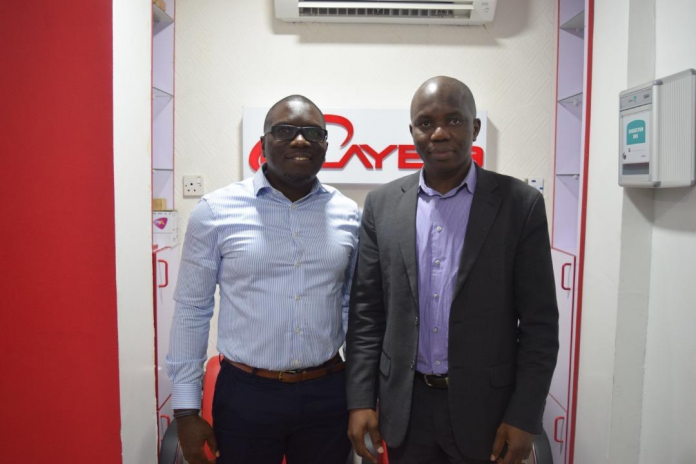
Good People, join me to congratulate my FUTO classmate, Oyaje Idoko, as his company, Layer3, celebrates the 20th anniversary. If you can start a company in Nigeria and it stays alive for 20 years, you sabi well well. Oyaje knows his stuff and is built with FUTO’s peerless and unmatched excellence in technology leadership and service.

Layer3 is the only cloud provider that has the 3S in Nigeria and that means with Layer3, you get Data Sovereignty (your data is there in Nigeria), Data Infrastructure (the infrastructure is there in Nigeria) and Personnel Sovereignty (Nigerians run the show). No other company can brag about that, and that is why when security matters, Layer3 has served Nigeria.

I was checking his LinkedIn page and noticed the 20th year anniversary and moved to commend how he has provided hundreds of jobs in our nation. I went to check how he is coping with the security challenges in his state of Benue. To our brothers and sisters in Benue and beyond, we wish everyone strength over the incessant security paralysis in Nigeria. What is going on?

Back to focus, let us wish Layer3 many more business years ahead. I have many classmates who run many amazing businesses in Nigeria, and whenever I remember them, I am moved on the power of education., Yes, some went straight to business without working for anyone, just on the pure knowledge they acquired from FUTO. (Those days it was a tough call because there were many jobs for great grads; every week, banks and telcos were hiring thousands)