DD
MM
YYYY

PAGES

DD
MM
YYYY

spot_img

PAGES

Home Blog Page 1186

U.S. SEC Considering Conditional Exemption to Facilitate Trading of Tokenized Securities

0

U.S. Securities and Exchange Commission (SEC) is considering a conditional exemption to facilitate the trading of tokenized securities on blockchain platforms, aiming to balance innovation with investor protection. This initiative, led by the SEC’s Crypto Task Force, would allow qualified firms to issue, trade, and settle securities using distributed ledger technology (DLT) without needing to register as broker-dealers, clearing agencies, or exchanges under traditional SEC frameworks.

The exemption seeks to address current regulatory barriers, such as those in Regulation National Market System, which require lengthy and costly compliance processes that deter firms from entering the tokenized securities space. Firms benefiting from this exemption would still need to comply with anti-fraud and market manipulation rules, maintain adequate capital, and provide disclosures about platform operations, wallet and custody arrangements, and blockchain-specific risks.

The SEC is also exploring a regulatory “sandbox” to let crypto exchanges experiment with tokenized securities in a controlled environment, drawing inspiration from frameworks in countries like the UK and Colombia. This sandbox could enable platforms like Coinbase to test tokenized securities trading before formal rules are established.

Commissioner Hester Peirce has emphasized that this is a work-in-progress, welcoming feedback from market participants to create a commercially feasible approach. The shift in the SEC’s stance, particularly under new leadership since April 2025, reflects a narrower view of its jurisdiction over digital assets, with recent guidance stating that memecoins and stablecoins used for payments may not qualify as securities.

This development could accelerate blockchain-based trading, enhance U.S. competitiveness in the global crypto market, and democratize access to high-value assets through fractional ownership, though concerns remain about regulatory arbitrage and investor protection. By reducing regulatory barriers, the exemptions could spur more companies to tokenize securities (e.g., stocks, bonds, real estate) on blockchain platforms, leveraging D benefits like transparency, efficiency, and fractional ownership.

The U.S. could strengthen its position in the global blockchain market, competing with jurisdictions like Singapore and the EU, which already have crypto-friendly frameworks. Tokenization could democratize access to high-value assets, enabling retail investors to own fractions of assets like real estate or private equity. The SEC’s regulatory sandbox allows controlled experimentation, potentially leading to permanent, tailored rules for tokenized securities.

Exemptions from broker-dealer and exchange registration lower costs and complexity, encouraging more platforms to enter the market. Firms must still comply with anti-fraud, capital adequacy, and disclosure rules, balancing innovation with safeguards. Firms might exploit loopholes, moving operations to less-regulated jurisdictions while targeting U.S. investors.

Blockchain-specific risks (e.g., smart contract vulnerabilities, custody issues) could expose investors to new forms of fraud or loss. Without robust oversight, tokenized securities could be prone to pump-and-dump schemes or insider trading on decentralized platforms. Broker-dealers and exchanges may face competition from blockchain platforms, pushing them to adopt DLT or risk obsolescence.

Firms like Coinbase could expand tokenized securities trading, diversifying revenue beyond crypto spot trading. Tokenization could provide smaller firms with easier access to capital markets through tokenized offerings. The SEC’s exploration of tokenized securities exemptions has sparked a divide among stakeholders, reflecting differing priorities and concerns.

Crypto exchanges, blockchain startups, and pro-crypto investors view exemptions as a long-overdue step to legitimize and scale tokenized securities. They argue it fosters innovation, reduces costs, and aligns the U.S. with crypto hubs like Singapore and Dubai. Leaders like Coinbase’s Brian Armstrong and Commissioner Hester Peirce (“Crypto Mom”) champion this as a way to integrate blockchain into mainstream finance.

They warn that overly restrictive conditions (e.g., stringent disclosures) could stifle the benefits, pushing firms offshore. Traditional financial institutions and some SEC officials worry that exemptions could undermine investor protections and create systemic risks. They cite past crypto scams (e.g., FTX) as evidence of inadequate oversight.

Risks like custody failures, market manipulation, and regulatory arbitrage dominate their arguments. They fear tokenized securities could bypass existing safeguards like the Securities Act of 1933. They demand clear, enforceable rules before exemptions are finalized, emphasizing robust audits and compliance.

The issue reflects broader U.S. political divides. Progressive lawmakers advocate for strict oversight to protect retail investors, while pro-business factions (e.g., some Republicans) support deregulation to spur economic growth. The U.S. risks falling behind jurisdictions with established tokenized securities frameworks (e.g., EU’s DLT Pilot Regime). However, some argue the SEC’s cautious approach ensures stability, unlike less-regulated markets prone to volatility.

Countries like Colombia and Thailand are experimenting with tokenization sandboxes, potentially attracting U.S. firms if domestic rules remain stringent. The SEC’s sandbox could appease both sides by allowing innovation under controlled conditions, gathering data to inform permanent rules.

Ongoing feedback, as emphasized by Peirce, could align regulations with industry needs while addressing risks. Integrating tokenized securities with existing frameworks (e.g., ATS rules) could satisfy traditional finance while enabling blockchain adoption.

The exemptions signal a pivotal moment for U.S. crypto policy, but the divide underscores the challenge of balancing innovation, investor safety, and global competitiveness. The outcome will shape whether tokenized securities become a mainstream asset class or remain a niche experiment.


SOL Strategies Set To Tokenize Its Equity on Solana Blockchain

0

SOL Strategies, a Canadian firm focused on the Solana blockchain, has announced plans to explore tokenizing its equity on the Solana blockchain through a non-binding partnership with Superstate, a tokenized asset management company. This initiative aims to make SOL Strategies the first public company to issue SEC-registered shares directly on-chain, using Superstate’s Opening Bell platform.

The move is part of their mission to build institutional trust in Solana’s infrastructure and expand participation in decentralized networks. No shares are being tokenized yet, and there’s no plan to issue derivative tokens or convert existing equity into tokenized form. The announcement led to a 20% spike in SOL Strategies’ share price on May 8, 2025. The decision by SOL Strategies to explore issuing tokenized shares on the Solana blockchain has significant implications for both the company and the broader financial ecosystem.

Tokenizing shares on a blockchain could democratize access to investment opportunities. Fractional ownership of tokenized shares lowers the barrier to entry, allowing retail investors with limited capital to participate in SOL Strategies’ equity market. On-chain shares could enhance liquidity, as blockchain-based assets can be traded 24/7 on decentralized exchanges (DEXs) or other platforms, bypassing traditional stock market hours and intermediaries. This could attract a broader investor base, including crypto-native investors.

The 20% spike in SOL Strategies’ share price on May 8, 2025, following the announcement suggests market enthusiasm for the potential of on-chain equity to drive demand. Blockchain-based share issuance leverages smart contracts to automate processes like dividend distribution, shareholder voting, and compliance, reducing administrative costs and errors. Solana’s high-throughput, low-cost blockchain is particularly suited for this, with transaction fees averaging ~$0.00025 compared to Ethereum’s ~$1-10 during peak congestion.

On-chain shares provide immutable records of ownership and transactions, enhancing trust and auditability for investors and regulators. SOL Strategies will need to ensure robust cybersecurity to protect against hacks or vulnerabilities in smart contracts, which have historically led to significant losses in DeFi (e.g., $3.7 billion in losses across DeFi protocols in 2022).

As the first public company to issue SEC-registered shares on-chain, SOL Strategies could set a precedent for regulatory acceptance of tokenized securities. This aligns with the SEC’s gradual openness to blockchain-based financial instruments, as seen in approvals for Bitcoin and Ethereum ETFs in 2024. Regulatory uncertainty remains. The SEC could impose stringent requirements on tokenized securities, such as KYC/AML compliance or restrictions on secondary trading, which could limit the benefits of decentralization. Non-compliance could lead to legal challenges or fines.

Solana Ecosystem Growth

By leveraging Solana, SOL Strategies reinforces the blockchain’s position as a viable infrastructure for institutional finance. This could attract more projects and capital to Solana, increasing its total value locked (TVL), which stood at ~$12 billion as of May 2025, compared to Ethereum’s ~$80 billion. Increased adoption could drive SOL’s price and network activity, benefiting Solana’s stakeholders, including validators and token holders.

The partnership with Superstate, a regulated asset manager, signals growing institutional interest in blockchain-based finance. This could encourage other public companies to explore tokenization, accelerating the convergence of traditional finance (TradFi) and decentralized finance (DeFi). Institutional adoption may be slowed by concerns over blockchain scalability, regulatory clarity, and integration with existing financial systems.

The move to issue shares on-chain could create or widen several divides in the financial and technological landscape. Investors and institutions familiar with blockchain technology (e.g., crypto-native users, DeFi participants) will likely adapt quickly to tokenized shares, while those reliant on traditional systems (e.g., legacy brokers, older retail investors) may face a steep learning curve. Accessing on-chain shares requires crypto wallets, understanding of blockchain interfaces, and familiarity with DEXs or tokenized platforms.

This could exclude less tech-savvy investors, creating an uneven playing field unless user-friendly interfaces (e.g., Superstate’s Opening Bell) bridge the gap. For example, only ~16% of Americans owned crypto in 2024, per Pew Research, indicating a significant portion of the population may be unprepared. SOL Strategies and Superstate could invest in education and onboarding tools, but the initial divide may persist.

While tokenization lowers barriers through fractional ownership, wealthier investors with access to better infrastructure (e.g., high-speed internet, advanced trading tools) and knowledge of DeFi strategies (e.g., liquidity provision, yield farming) may still dominate trading and profit opportunities. Early adopters in the crypto space, often younger and more affluent, could gain disproportionate benefits, exacerbating wealth inequality. For instance, DeFi users tend to be concentrated in high-income countries, with ~70% of global crypto trading volume originating from North America and Western Europe in 2024.

Broadening access to tokenized shares through traditional platforms (e.g., integrating with Robinhood or Fidelity) could help, but this risks diluting the decentralized ethos. Jurisdictions with progressive crypto regulations (e.g., Canada, Singapore) may embrace tokenized securities faster than those with restrictive frameworks (e.g., China, India). Within the U.S., the SEC’s approval could create a divide between compliant tokenized assets and unregulated crypto markets.

Investors in restrictive regions may be excluded from participating in SOL Strategies’ on-chain shares, limiting global adoption. This could also create a two-tier market: regulated tokenized securities for institutional players and unregulated tokens for retail speculators. Harmonizing global regulations through frameworks like the EU’s Markets in Crypto-Assets could reduce this divide, but progress is slow.

Institutional investors with access to Superstate’s platform and regulatory expertise may have an advantage in navigating tokenized shares, while retail investors could face barriers like high compliance costs or limited access to sophisticated trading strategies. This could reinforce the dominance of institutional players in tokenized markets, mirroring trends in TradFi where hedge funds and banks often outperform retail traders. For example, institutional crypto custody solutions held ~$20 billion in assets in 2024, compared to retail-dominated wallets.

SOL Strategies could prioritize retail-friendly features, such as low-cost trading or simplified voting mechanisms, but institutional bias may persist. SOL Strategies’ choice of Solana over competitors like Ethereum, Polygon, or Binance Smart Chain could deepen the divide between blockchain ecosystems. Solana’s focus on speed and low costs (1,400 TPS vs. Ethereum’s ~30 TPS) may attract more tokenized projects, but Ethereum’s larger developer base (4,000 monthly active developers vs. Solana’s ~1,200 in 2024) and DeFi dominance could limit Solana’s appeal.

This could fragment the tokenized securities market, with different blockchains hosting competing standards, reducing interoperability and investor choice. Cross-chain bridges and interoperability protocols like Chainlink’s CCIP could unify ecosystems, but technical and governance challenges remain.

SOL Strategies’ move to tokenize shares on Solana is a pioneering step that could enhance accessibility, efficiency, and trust in blockchain-based finance while setting a regulatory precedent. However, it risks creating divides between tech-savvy and traditional investors, wealthy and retail participants, progressive and restrictive jurisdictions, and competing blockchain ecosystems.

To maximize inclusivity, SOL Strategies and Superstate must prioritize user education, regulatory compliance, and interoperable infrastructure. The success of this initiative will likely hinge on balancing decentralization’s promise with the practical needs of a diverse investor base.

Better Buy: Shiba Inu (SHIB) Before It Skyrockets to $0.00020 or Rexas Finance (RXS) Before a 15820% Pump?

0

Shiba Inu (SHIB) and Rexas Finance (RXS) showcase different investment potentials in the cryptocurrency market through their distinct growth prospects. Shiba Inu has established itself as a popular meme token supported by an active community, but Rexas Finance has developed its position in blockchain technology through its RWA tokenization initiative.

SHIB Soars 578% in Burn Rate—Is $0.00020 Closer Than You Think?

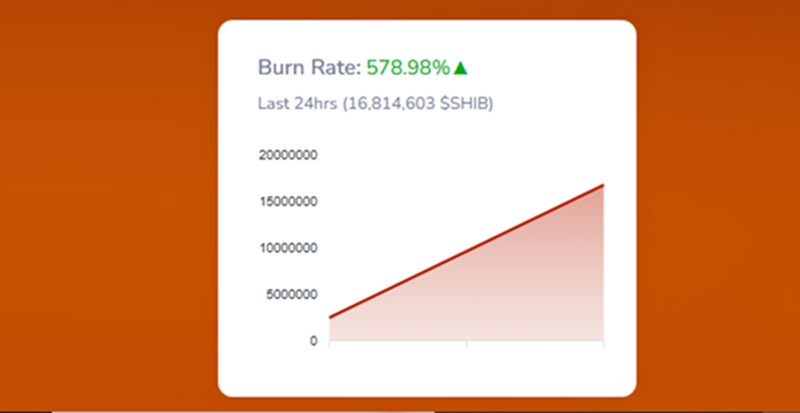
Shiba Inu (SHIB) stands out in the crypto market because its community-backed activities combine with speculative trading to fuel its success. The price of SHIB currently sits at $0.00001223 with a 4.98% daily increase, and its ability to achieve $0.00020 depends significantly on its planned burn rate strategy. In the last 24 hours, SHIB has accomplished a token burning rate of 578.98%, which has led to the removal of 16,814,603 tokens from its circulating supply. The price reaching $0.00020 requires extended burning operations and wider SHIB adoption in decentralized applications and payment systems to achieve this long-term goal.

Rexas Finance (RXS) Unlocks Trillions—Tokenize Real-World Assets with Just a Click!

Rexas Finance (RXS) represents a transformative force in the crypto industry because it focuses on creating tokens for real-world assets (RWAs). The utility of RXS stands out from Shiba Inu because it allows users to tokenize assets, including gold real estate and intellectual property. Through this method, blockchain technology gains access to multiple trillion-dollar markets. The RXS token serves as the central component of this ecosystem because it enables transactions, governance functions, and stakeholding activities. The RXS token operates under the ERC-20 standard, which provides wallet and decentralized application compatibility. Rexas Finance makes previously inaccessible illiquid markets more accessible through its features for fractional asset ownership and its no-code token builder for simple asset tokenization.

RXS Presale 92% Complete—Last Chance to Get In Before June 19 Listing at $0.25!

RXS currently stands at Stage 12 of its presale phase while attracting considerable investor interest through its $0.200 pricing and planned June 19, 2025, listing at $0.25. The RXS presale’s final phase shows 92.08% completion as investors have contributed $48,085,318 toward its $56 million target while purchasing 460,424,302 tokens from its 500 million total supply. Investor confidence in RXS’s blockchain-based asset management revolution stands strong because of these significant financial indicators.

RXS Set for 15,820% Surge? Real-World Asset Focus & Certik Audit Fuel Investor Hype!

The utility of Rexas Finance rests in its RWAs sector focus because blockchains project exponential growth for the next few years, while Shiba Inu depends on speculative trading and community initiatives for its expansion. The analysts project RXS has the potential to experience an enormous price increase of 15,820% because of its innovative method of merging traditional assets with decentralized finance (DeFi).

Security assurances provided by Certik support Rexas Finance because the platform exists on CoinMarketCap and CoinGecko alongside their auditing process. Its credibility and investment appeal derive from these factors, which support its standing as a promising investment option.

Conclusion

Rexas Finance is a better investment choice than Shiba Inu due to its practical utility alongside its real-world application. RXS will drive the potential asset tokenization transformation as analysts predict its value could increase by up to 15,820%. With presale almost selling out, savvy investors have a limited time to act and buy into the final presale stage 12.


Website: https://rexas.com

Whitepaper: https://rexas.com/rexas-whitepaper.pdf

Twitter/X: https://x.com/rexasfinance

Telegram: https://t.me/rexasfinance

The GENIUS Stablecoin Act Bill Failed To Pass a Key Procedural Vote

0

The GENIUS Stablecoin Act failed to pass a key procedural vote in the U.S. Senate. The vote, known as a cloture vote, aimed to end debate and advance the bill toward a full vote but fell short of the required 60 votes, with a tally of 49 in favor and 48 against.

Several pro-crypto Democrats, including Ruben Gallego, Mark Warner, Lisa Blunt Rochester, Andy Kim, Kirsten Gillibrand, and Angela Alsobrooks, voted against cloture, citing concerns over the bill’s latest draft, particularly around anti-money laundering provisions, national security, and perceived conflicts of interest tied to President Donald Trump’s crypto ventures, such as the $USD1 stablecoin linked to World Liberty Financial.

Republican Senators Josh Hawley and Rand Paul also voted against it, with Senate Majority Leader John Thune switching his vote to “no” to allow revisiting the legislation later. The failure has raised doubts about the bill’s immediate future and could impact other crypto-related legislation, as bipartisan support has weakened. Democrats have expressed concerns about the bill’s lack of safeguards against corruption and its potential to benefit Trump’s financial interests, while some Republicans criticized Democrats for playing partisan politics.

Negotiations continue, with hopes of revising the bill for another vote, possibly as early as the following week, but the setback has dimmed prospects for swift passage. The failure to pass the procedural vote delays comprehensive U.S. stablecoin regulation, leaving the crypto industry in a state of uncertainty. Stablecoins, critical for crypto trading and DeFi, lack clear federal oversight, potentially stifling innovation and investor confidence.

The setback could dampen crypto market sentiment, particularly for stablecoin-related projects. Uncertainty may lead to reduced investment in U.S.-based crypto ventures, as firms may look to jurisdictions with clearer regulations, like the EU or Singapore. The vote highlights growing political tensions over crypto policy. The failure may embolden critics of crypto-friendly legislation, while pro-crypto lawmakers face pressure to address concerns about transparency, anti-money laundering (AML), and conflicts of interest.

Allegations of the bill favoring Trump-affiliated projects, like $USD1 tied to World Liberty Financial, have intensified scrutiny. This could lead to stricter oversight of political figures’ involvement in crypto or demands for divestment from such ventures. The bipartisan divide may complicate other crypto bills, such as those addressing DeFi or crypto taxation. Lawmakers must now renegotiate to bridge gaps, but trust issues and partisan posturing could hinder progress.

Senators like Mark Warner and Kirsten Gillibrand expressed unease over weak AML provisions, fearing stablecoins could facilitate illicit finance or evade sanctions. Democrats, including Ruben Gallego and Angela Alsobrooks, criticized the bill for potentially benefiting Trump’s crypto ventures, pointing to $USD1 and World Liberty Financial. They argue the bill lacks safeguards against conflicts of interest. Some Democrats pushed for stronger measures to protect retail investors from stablecoin volatility or issuer insolvency, citing past failures like TerraUSD.

Most Republicans, led by figures like Senate Banking Committee Chair Tim Scott, supported the bill, arguing it fosters innovation and positions the U.S. as a crypto leader. They view stablecoin regulation as a step toward mainstream adoption. Republicans accused Democrats of politicizing the vote, claiming their opposition stems from anti-Trump sentiment rather than substantive policy issues. They argue delays harm U.S. competitiveness. Senators Josh Hawley and Rand Paul broke ranks, with Hawley skeptical of crypto’s broader societal value and Paul citing libertarian concerns over regulatory overreach.

The vote revealed a fractured coalition. While some Democrats like Cory Booker initially backed crypto-friendly policies, the latest draft’s perceived flaws and Trump ties eroded support. Republicans, meanwhile, struggled to unify their caucus, with procedural tactics (e.g., Thune’s vote switch) signaling internal doubts about immediate passage. The divide reflects broader ideological splits: Democrats prioritize regulation and equity, while Republicans emphasize innovation and deregulation. Reconciling these views will require compromise on AML rules, conflict-of-interest provisions, and consumer safeguards.

Negotiations are underway to revise the bill, with potential amendments to strengthen AML measures and address conflict-of-interest concerns. A new vote could occur soon, but the divide suggests passage remains uncertain without significant concessions. The outcome will shape U.S. crypto policy and influence global regulatory trends.

What Every Vaper Should Know About THC Cartridges

0

THC cartridges are rapidly growing in popularity among vapers, appealing to both seasoned users and newcomers alike. These cartridges contain concentrated forms of tetrahydrocannabinol (THC), the compound responsible for the psychoactive effects of cannabis. Unlike traditional methods of consuming marijuana, THC cartridges offer a discreet and straightforward way to enjoy the benefits of cannabis. The market is filled with various options, and it can be challenging to differentiate between quality products and potentially harmful ones.

Understanding THC Cartridges

THC cartridges typically come in two forms: pre-filled cartridges and refillable options. Pre-filled cartridges are ready to use right out of the package, containing a predetermined amount of THC oil. These products are perfect for individuals who prefer convenience and do not want to deal with the complexities of refilling a cartridge.

On the other hand, refillable cartridges give users the flexibility to choose their preferred oil and customize their experience. This option can be appealing for those who enjoy exploring different flavors and potency levels. One crucial factor to consider when selecting THC cartridges is the source of the oil. It is advisable to choose products made from organic cannabis, ensuring a higher quality and better taste.

Quality and Safety Considerations

The quality of the THC cartridge directly affects the user experience, making it a vital consideration. Consumers should always verify that the product has been lab-tested by independent facilities.

Lab results can reveal essential information, such as the potency of THC, the presence of other cannabinoids, and any harmful substances or contaminants. Recognizing the importance of this can help you find safe THC vape options that suit individual preferences. It’s critical to check the extraction method used for the cannabis oil. Methods such as CO2 extraction are preferred, as they tend to produce cleaner and more efficient results compared to others.

Terpenes and Flavor Profiles

Terpenes are aromatic compounds found in cannabis and many other plants, contributing to the flavor profiles of THC cartridges and to potential therapeutic effects. Different strains of cannabis contain varying terpene profiles, which can enhance the overall experience. When purchasing THC cartridges, it is advisable to look for those that specify terpene content, as this can provide a more enjoyable and flavorful vaping experience.

Users often gravitate towards specific terpenes, such as myrcene or limonene, which may influence mood, relaxation, or energy levels. The wider variety of terpenes available allows vapers to explore unique flavor combinations and effects, elevating the overall enjoyment of using THC cartridges.

Dosage and Potency

Understanding the dosage and potency of THC cartridges is essential for ensuring a responsible and enjoyable experience. Most cartridges specify the milligrams of THC contained within, allowing users to gauge their intake accurately. Beginners should start with lower-potency options and gradually increase their dosage until they find their ideal level.

Knowledge about personal tolerance is crucial since everyone reacts differently to THC.  Some may feel the effects more strongly, while others might have a higher tolerance. Always take it slow and be aware of the potential effects before fully committing to a higher dosage.

Legal and Regulatory Concerns

The legal landscape surrounding THC cartridges can vary significantly by region. For those looking to purchase products, it’s crucial to understand local laws regarding cannabis use, including whether THC cartridges are legal for recreational or medicinal purposes.

Compliance with regulations, such as testing and labeling requirements, ensures safer products for consumers. Being informed about your specific jurisdiction’s laws will help you avoid potential legal issues and make safe and educated choices concerning THC cartridges.

Environmental Impact

As more cannabis enthusiasts turn to vaping, awareness of the environmental impact associated with THC cartridges is becoming increasingly important. The production and disposal of these cartridges can contribute to plastic waste and other environmental concerns.

Many manufacturers are beginning to prioritize sustainability by offering eco-friendly packaging and recyclable cartridges. When purchasing THC cartridges, consider supporting brands that implement environmentally friendly practices, as this can contribute positively to the overall sustainability of cannabis consumption.

Best Practices for Vaping THC Cartridges

To maximize your experience and preserve the quality of THC cartridges, it’s essential to follow specific best practices. Store cartridges in a cool, dark place to prevent degradation of the oil and flavor. When using a vape pen, ensure the battery is charged adequately for optimal performance. Clean your vape pen regularly to maintain the taste and functionality of the cartridge. Lastly, be mindful of the environment when disposing of cartridges, as responsible disposal helps mitigate ecological harm.

By adopting these best practices, users can enjoy a more satisfying and sustainable vaping experience. The rising popularity of THC cartridges encourages greater awareness of the factors that contribute to a fulfilling vaping experience. Understanding the intricacies of THC products, such as their sourcing, quality, safety, and dosage, empowers consumers to make informed decisions.

With knowledge about your options and how to choose the best variety of THC cartridges, you can enhance your enjoyment while minimizing risks. Careful consideration of legal aspects, environmental impacts, and best practices ensures a responsible approach to cannabis use. Overall, being well-informed is the key to maximizing the benefits of THC cartridges.