DD
MM
YYYY

PAGES

DD
MM
YYYY

spot_img

PAGES

Home Blog Page 1234

U.S. Vs Chinese Trade-Talks Stalled, May Need Direct Trump-Xi Talks, Says U.S. Treasury Secretary Scott Bessent

0

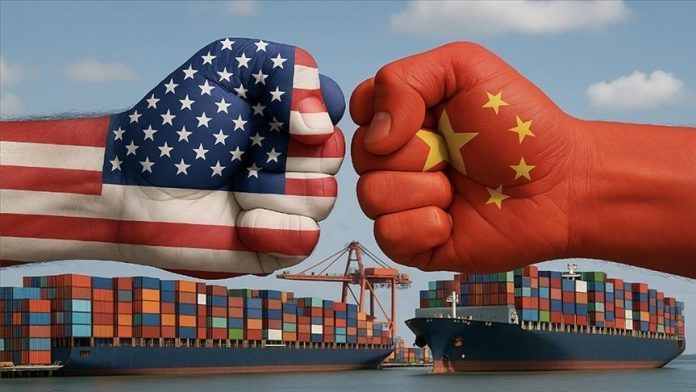
U.S. Treasury Secretary Scott Bessent stated on May 30, 2025, that trade negotiations with China are “a bit stalled” and may require direct involvement from President Donald Trump and Chinese President Xi Jinping to move forward. This follows a temporary trade truce agreed upon earlier in May 2025 in Geneva, where both nations reduced tariffs for 90 days—U.S. tariffs on Chinese goods dropped from 145% to 30%, and China’s tariffs on U.S. goods fell from 125% to 10%. Despite initial progress, Bessent indicated the complexity of the issues necessitates further high-level discussions, with more talks expected in the coming weeks.

The stalling of U.S.-China trade negotiations, as noted by Treasury Secretary Scott Bessent, carries significant economic and geopolitical implications, with a clear divide in priorities and approaches between the two nations. The temporary trade truce in May 2025 reduced tariffs (U.S. from 145% to 30%, China from 125% to 10% for 90 days), providing short-term relief to global supply chains and markets.

However, stalled talks risk renewed tariff escalations, potentially disrupting trade flows, increasing costs for consumers, and affecting industries reliant on U.S.-China trade like electronics, agriculture, and manufacturing. Prolonged uncertainty could dampen business investment and consumer confidence. Higher tariffs, if reimposed, may raise prices for U.S. consumers and strain exporters like farmers facing Chinese retaliatory tariffs.

China faces pressure from potential U.S. tariffs on its exports, which could exacerbate domestic economic challenges, including property sector woes and slower growth. However, China’s retaliatory measures could further limit U.S. market access for American firms. Other nations, like the EU and ASEAN countries, may face pressure to align with either the U.S. or China, complicating global trade dynamics and potentially fragmenting supply chains further.

The stall reflects deeper mistrust, with both sides leveraging trade as a tool in a broader strategic rivalry. This could escalate tensions in areas like technology (e.g., semiconductors) and regional influence (e.g., South China Sea). Bessent’s call for direct Trump-Xi talks underscores the need for high-level political will to break the deadlock, but differing leadership styles—Trump’s aggressive deal-making versus Xi’s focus on long-term strategic goals—complicate negotiations.

The U.S. may push allies to adopt stricter trade policies against China, while China could deepen ties with Global South nations to counter U.S. influence. Investors are likely to remain cautious, with stock markets, commodity prices (e.g., soybeans, tech components), and currencies like the yuan and dollar sensitive to trade talk outcomes. A failure to extend the truce could trigger sell-offs.

U.S. seeks to reduce trade deficits, protect intellectual property, and curb China’s dominance in critical sectors like tech and manufacturing. The U.S. pushes for enforceable commitments, viewing China’s subsidies and state-driven economy as unfair. China prioritizes economic stability, technological self-reliance (e.g., Made in China 2025), and maintaining export-driven growth. China resists U.S. demands for structural reforms, seeing them as infringing on sovereignty.

U.S. employs aggressive rhetoric and tariff threats, with Trump’s “America First” approach aiming to pressure China into concessions. Bessent’s comments suggest a reliance on top-level deal-making to bypass bureaucratic gridlock. China adopts a patient, long-term stance, using retaliatory tariffs and diplomatic maneuvering to deflect U.S. pressure while seeking to maintain access to global markets.

The U.S. frames the trade war as a defense of free-market principles and national security, citing issues like forced technology transfers and supply chain vulnerabilities. China views U.S. actions as containment efforts to suppress its rise, emphasizing its right to develop its economy and technology on its terms. Past agreements, like the Phase One deal in 2020, saw China fall short on purchase commitments, fueling U.S. skepticism. Conversely, China perceives U.S. tariffs and sanctions (e.g., on Huawei) as bad-faith moves, deepening mistrust.

The 90-day truce expires in early August 2025, and without progress, both sides may revert to higher tariffs, escalating economic costs. Trump-Xi talks could yield breakthroughs, but entrenched differences suggest limited scope for a comprehensive deal. The divide—rooted in competing economic models, strategic goals, and mistrust—means negotiations will likely remain contentious, with incremental agreements (e.g., on specific sectors like agriculture or tech) more feasible than a broad resolution. Global markets and allied nations will closely watch upcoming talks for signs of de-escalation or further polarization.

Bitcoin Options Open Interest Surges To $48.85B ATH

0

Bitcoin options open interest has reached an all-time high, with recent data indicating a surge to $48.85 billion as of May 26, 2025, according to CoinGlass. This milestone reflects heightened speculative and institutional activity, particularly on exchanges like Deribit, which holds $36.02 billion of the total, followed by CME ($4.73 billion), OKX ($3.46 billion), Binance ($1.48 billion), and Bybit (under $1 billion).

The surge is driven by Bitcoin trading at $109,700, with significant interest in $300,000 strike call options expiring June 27, 2025, signaling strong bullish sentiment. Institutional involvement, especially via CME, suggests funds are seeking regulated exposure or hedging tools ahead of potential market catalysts. This record-breaking open interest underscores the maturing crypto derivatives market, with potential for increased volatility as the June expiry approaches.

The all-time high in Bitcoin options open interest at $48.85 billion signals significant market implications and highlights a growing divide in market participation. The record open interest, particularly in high-strike call options like $300,000, indicates strong bullish sentiment. However, it also suggests potential for sharp price swings as these contracts near expiry (e.g., June 27, 2025). Large open interest can amplify volatility if holders unwind positions or if the market moves against leveraged bets.

Institutional Involvement: The significant open interest on CME ($4.73 billion) points to growing institutional participation, likely driven by regulated entities like hedge funds and asset managers. This reflects Bitcoin’s increasing legitimacy as an asset class but also introduces sophisticated strategies (e.g., hedging, arbitrage) that could stabilize or destabilize prices depending on execution.

Market Maturity: The dominance of Deribit ($36.02 billion) and the spread across exchanges like Binance and OKX show a maturing derivatives market. This depth allows for better price discovery and risk management but also increases complexity, with potential systemic risks if liquidity dries up during extreme market moves.

Potential Catalysts: The concentration of interest in far-out-of-the-money calls suggests traders are betting on a significant price rally, possibly tied to macroeconomic shifts (e.g., Federal Reserve policy changes, inflation hedges) or crypto-specific events (e.g., ETF approvals, regulatory clarity). A failure to meet these expectations could lead to liquidations and downward pressure.

The divide between retail and institutional traders is widening. Retail traders, often active on platforms like Binance and OKX, are more likely to chase speculative, high-risk call options. Institutions on CME, however, may use options for hedging or structured products, reflecting a more conservative approach. This split can lead to divergent market behaviors, with retail driving short-term momentum and institutions stabilizing or amplifying longer-term trends. Retail traders often lack access to the capital or tools needed for complex options strategies, creating a knowledge and resource gap. Institutions, with deeper pockets and advanced analytics, can exploit this divide, potentially leading to market inefficiencies or manipulation risks.

The concentration of open interest on Deribit (less regulated) versus CME (highly regulated) highlights a regulatory divide. Traders in jurisdictions with strict rules may face barriers to accessing certain platforms, while those in less regulated regions can engage in riskier strategies, creating uneven market dynamics. The divide also manifests in risk tolerance. Retail traders’ focus on high-strike calls suggests a speculative frenzy, while institutional hedging indicates caution. This could lead to a feedback loop where retail exuberance drives prices up, only for institutional unwinding to trigger corrections.

The record open interest underscores Bitcoin’s growing financialization but also exposes fault lines between retail and institutional players, risk appetites, and regulatory environments. The market is primed for volatility, with the potential for significant price moves depending on how these divides play out. Monitor June’s expiry and macroeconomic developments for further signals.

Tesla Appeal to Senate As Solar Business Faces Threat from Republican Bill Targeting Clean Energy Tax Credits

0
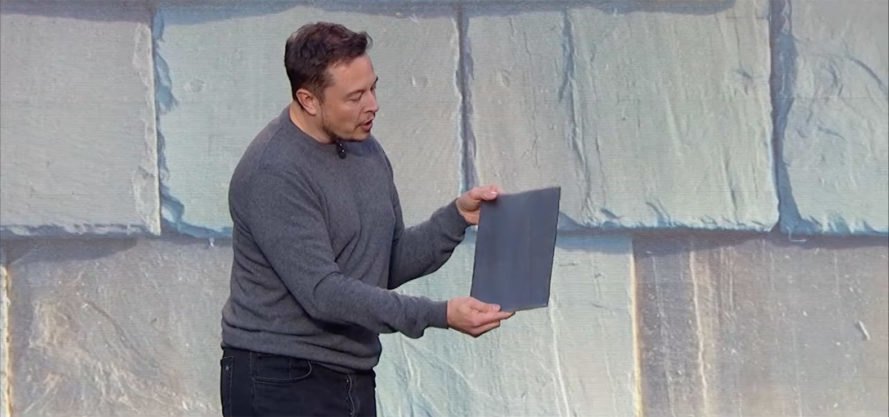
Elon Musk, Founder of Tesla

Tesla’s clean energy business, once a quietly growing part of Elon Musk’s corporate empire, is facing its most serious political threat yet — a direct result, many observers say, of Musk’s vocal alignment with the American Right and the Republican Party’s aggressive push to dismantle climate policies.

House Republicans last week passed a sweeping reconciliation bill that seeks to unravel much of the Inflation Reduction Act (IRA), the landmark 2022 law that unlocked billions in clean energy tax credits. If passed by the Senate in its current form, the bill would slash incentives for both residential and utility-scale solar — incentives that have powered Tesla Energy’s rapid rise amid softening demand for its electric vehicles.

Tesla’s solar and energy storage unit reported $2.7 billion in revenue in the first quarter of 2025, up 67% from a year earlier. But that surge now hangs in the balance. The proposed bill would end residential solar credits four years earlier than planned and impose immediate constraints on developers, requiring construction to begin within 60 days of the law’s passage.

In public, Tesla has issued pleas for a “sensible wind down” of the tax credits to avoid undercutting deployment of solar and grid-scale batteries, which the company says are essential to American energy independence and the country’s ability to support rising AI-powered infrastructure.

Musk’s Alliance with the Right

But behind the industry backlash lies a political calculus that is increasingly scrutinizing Elon Musk himself — a billionaire entrepreneur whose public allegiance to Trump and the far-right policy orbit is now being viewed as self-defeating.

Over the past two years, Musk has openly embraced key figures of the American Right, including Donald Trump, whose administration has made fossil fuel expansion a top priority. Musk has amplified far-right influencers on X (formerly Twitter), rolled back misinformation rules that had been used to curb climate denial, and criticized environmental regulations and government subsidies — even as his companies continue to benefit from both.

While Tesla was founded on the premise of accelerating the world’s transition to clean energy, its CEO has increasingly positioned himself in a political lane hostile to those very goals. That contradiction is now coming to a head.

Trump-era figures and many Republicans in Congress have never disguised their skepticism — or outright hostility — toward green subsidies. Trump himself has routinely mocked electric cars, dismissed climate change as a hoax, and rolled back Obama-era fuel efficiency rules during his first term.

Now again, Trump and the GOP lawmakers have stepped up efforts to undercut the climate law that President Joe Biden made a centerpiece of his economic agenda. That law has catalyzed more than $300 billion in clean energy investments nationwide.

Musk, despite knowing the risks, has remained a vocal supporter of the movement seeking to tear it down.

Growing Apathy and Market Fallout

This has also affected Tesla, shifting the EV’s support base. Once hailed as a climate hero and innovation icon, Musk’s image has become polarizing, especially among younger, left-leaning climate-conscious consumers who once made up Tesla’s core market.

Surveys show declining enthusiasm for Tesla among Democrats and centrists. Meanwhile, Republican-led attacks on the EV industry, from rolled-back fuel standards to derailed charging infrastructure plans, have left Tesla exposed to a hostile political climate it arguably helped shape.

On Wall Street, the signs are already visible. Solar stocks have plummeted this year amid fears that the IRA’s provisions may be repealed. Enphase is down 45%, Sunrun has dropped 25%, and First Solar is off by 15%. Tesla’s energy arm, heavily reliant on those same credits, faces similar headwinds.

The irony is that Tesla, often cited as the single biggest success story of the clean energy transition — is now lobbying frantically to preserve policies that its CEO has politically abandoned.

“Abruptly ending the energy tax credits would threaten America’s energy independence and the reliability of our grid – we urge the Senate to enact legislation with a sensible wind down of 25D and 48E,” Tesla Energy wrote.
“This will ensure continued speedy deployment of over 60 GW capacity per year to support AI and domestic manufacturing growth.”

But many Senate Republicans appear unmoved, and Democrats have only a narrow majority with which to fight off the repeal effort. The reconciliation bill’s future remains uncertain, but the political climate is undeniably shifting against Tesla — and much of that shift can be traced to the man at the center of it all.

The Cost of Political Contradictions

Musk’s business empire was built, in no small part, on government intervention. A $465 million federal loan jumpstarted Tesla in 2009. Since 2012, Tesla has earned nearly a third of its $32 billion in profits from selling emissions credits to other automakers. The IRA’s generous tax incentives helped turbocharge its clean energy division at a moment when EV sales are weakening globally.

Yet Musk has increasingly painted government support as unnecessary or unwise, arguing that markets, not policy, should determine success. This philosophical detour, while popular in libertarian and far-right circles, now threatens to undermine the very industries he leads.

Whether the Senate preserves the IRA’s clean energy credits or allows them to be gutted, Tesla is already suffering the reputational and strategic fallout of Musk’s political choices. And with Trump’s influence growing again on Capitol Hill, the pressure on Tesla’s energy division, once its quiet success story, appears to only just beginning.

AfDB Warns Nigeria to Brace for 75% Interest Payment Burden in 2025 as Debt Servicing Soars

0

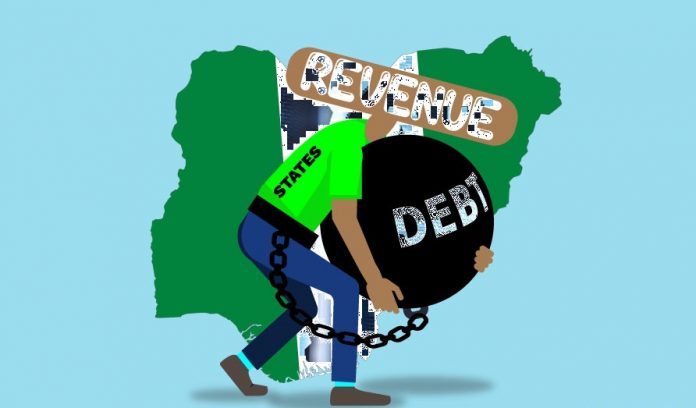
The African Development Bank (AfDB) has sounded fresh alarms over Nigeria’s rising debt burden, warning that the country may spend as much as 75% of its revenues on interest payments alone in 2025—a level that risks choking public spending and stalling economic recovery.

The warning is contained in the AfDB’s 2025 African Economic Outlook, which highlights how countries with seemingly manageable debt-to-GDP ratios can still face unsustainable debt conditions when revenues are persistently low and debt servicing costs rise sharply.

“Nigeria presents a classic case in point. In 2025, the country’s public debt was projected at 47 percent of GDP. In contrast, three quarters of federal government revenues were projected to be spent on federal government interest payments,” the report stated.

This latest caution from Africa’s leading development finance institution comes as President Bola Tinubu’s administration pursues an aggressive borrowing agenda that could push Nigeria’s total public debt above N180 trillion in the coming months.

The Tinubu administration said it is seeking $21.5 billion in new external loans, alongside a N758 billion bond issuance and an additional $2 billion in domestic borrowing, to fund critical infrastructure projects and settle legacy obligations such as pension arrears.

The government has defended the move, citing urgent national needs, including financing infrastructure gaps, modernizing transport systems, completing energy projects, and addressing long-standing public sector liabilities like unpaid pensions. But experts warn that the sheer scale of the proposed borrowing could significantly worsen the country’s debt outlook.

If approved and drawn down, these facilities—especially the dollar-denominated loans—could catapult Nigeria’s total debt stock beyond N180 trillion, up from N144.7 trillion, as of December 2024, according to the Debt Management Office (DMO).

Although the AfDB acknowledges that Nigeria’s debt-to-GDP ratio of 47% may appear sustainable when compared to some advanced economies, it insists that the real concern lies in the country’s weak revenue base, which leaves little room for fiscal maneuverability.

“Debt interest and amortization payments are not necessarily tied to the size of GDP but are made from government revenue,” the report stated, warning that such conditions can create a situation where governments are locked into repaying loans without sufficient funds left for development or essential services.

The Bank further noted that while some African countries benefitted from declining debt ratios between 2022 and 2023 due to favorable interest-growth dynamics, this trend is fragile and could easily reverse if economic growth slows or global interest rates rise. “Reckless fiscal behavior and excessive borrowing, especially on commercial terms, could undermine progress,” it warned.

Foreign Reserves Under Pressure from Debt Payments

New data from the Central Bank of Nigeria (CBN) shows that $2.01 billion was spent on external debt servicing between January and April 2025, a 50% surge from $1.33 billion in the same period in 2024.

Debt servicing accounted for 77.1% of total international payments made by the government in the first four months of 2025, compared to 64.5% in the corresponding period the year before. Overall FX outflows during the period stood at $2.60 billion, with external debt repayment alone wiping out a significant portion of Nigeria’s dollar reserves.

The consequence is a growing crowding out of other critical FX needs, including trade transactions, education remittances, medical tourism, and industrial imports. The country’s reserves were depleted by $3 billion in just four months, largely to service maturing external obligations.

Future Debt Trap Looms

Experts are increasingly warning that unless the Tinubu administration recalibrates its fiscal strategy, Nigeria risks falling into a debt trap, where new loans are simply used to refinance old ones, leaving the country with little to no room for actual investment.

Already, the debt service-to-revenue ratio is among the highest in the world, and the cost of debt—both in naira and foreign currency—continues to rise. The naira’s devaluation since the unification of the FX market in mid-2023 has further inflated the domestic currency equivalent of Nigeria’s external debt, compounding repayment pressures.

The World Bank and International Monetary Fund have previously cautioned Nigeria to increase its domestic revenue mobilization and cut back on non-essential borrowing. Despite these warnings, the Tinubu administration maintains that borrowing remains crucial for delivering on its infrastructure and welfare agenda.

Economists warn that in the short term, these ambitious borrowing plans if pursued without complementary fiscal reforms and transparent execution, could worsen Nigeria’s debt profile, limit capital investment, and strain the economy’s already fragile recovery path.

This Crypto Rival to Shiba Inu, That Recently Blew Up with Top-Tier CEX Listings, Could Soar Another 1700% in May: Buy Like There’s No Tomorrow?

0

There’s been a growing sentiment across crypto circles about a rising meme token giving Shiba Inu real competition.

Currently trading on major platforms with solid traction, it has gained momentum in the last few weeks. Salamanca, a BSC-based meme project inspired by the infamous Salamanca cartel, has stirred massive interest with strong community backing and top-tier listings.

With talks of further gains this month, this opportunity should be treated as one not to miss.

Understanding the Salamanca Project

Salamanca is not just another meme coin riding the trend wave. The project has crafted its identity around the iconic Salamanca family from Breaking Bad and Better Call Saul, tapping into pop culture with a sharp edge. It combines entertainment appeal with blockchain fundamentals, aiming to lead in the Binance Smart Chain meme sector.

Built on BSC with a fixed supply of 1,000,000,000 tokens, Salamanca’s $DON token is designed for rapid market growth. The project’s vision goes beyond memes, it intends to establish itself as the top meme asset on BSC. Its early traction shows promise, and the groundwork being laid now signals bigger plans for the months ahead.

Recent Listings and Price Performance

$DON is already listed on three major platforms: Gate.io, MEXC, and Pancakeswap. These listings have fueled growing liquidity and visibility, giving the token strong early footing.

According to CoinMarketCap, it trades around $0.001009. Over the week, it has swung between $0.0009895 and $0.001132. This range offers a strategic entry point before a potential breakout.

Trading volume is robust, currently above $3.6 million, and projections for a 2000% rally are being taken seriously by analysts. If momentum pushes it above $0.001132, a run toward its all-time high of $0.008522 could be next. On the flip side, if buying slows, support may hold around $0.0009895, a level from which a solid rebound has been observed previously.

What drives many meme coins forward is not just utility, but community. Salamanca boasts a strong social presence with thousands of active followers on X. Its Telegram group has already crossed 20,000 members, fostering discussions, updates, and organic hype that keeps investor interest alive.

This engaged community acts as a backbone for price movements and provides a steady stream of attention. It also contributes to increased awareness ahead of larger exchange listings, particularly with Binance possibly being next.

Why Salamanca Could Be the Breakout Meme Coin of 2025

Positioned as the best BSC meme coin of 2025, Salamanca ticks all the right boxes. Its narrative is culturally powerful, its tokenomics are tight, and its momentum across major exchanges is evident. The prospect of a Binance listing adds more weight to its trajectory and could unlock even wider adoption in the coming weeks.

With a focused roadmap, increasing volume, and room for a substantial upside move, Salamanca is being closely watched.

A 1700% to 2000% price increase may not be far-fetched given current dynamics and market sentiment. Investors looking for the next breakout meme coin should pay close attention to Salamanca now, before another major price leg takes off.