DD
MM
YYYY

PAGES

DD
MM
YYYY

spot_img

PAGES

Home Blog Page 1278

U.S. Department of Justice Launches An Investigation Into Coinbase Data Breach

0

The U.S. Department of Justice (DOJ) has launched an investigation into a recent data breach at Coinbase, the largest U.S. cryptocurrency exchange, which exposed sensitive customer information. The breach, disclosed by Coinbase on May 15, 2025, involved cybercriminals bribing overseas support agents, primarily in India, to access and steal data from internal systems.

The compromised data, affecting approximately 1% of Coinbase’s 9.7 million monthly active users (around 100,000 individuals), included names, addresses, phone numbers, email addresses, the last four digits of Social Security numbers, masked bank account numbers, government-issued IDs (e.g., driver’s licenses, passports), account balances, transaction histories, and limited corporate data like training materials and communications. No passwords, private keys, or funds were accessed, and Coinbase Prime accounts remained unaffected.

The attackers demanded a $20 million ransom in Bitcoin to not publicly disclose the stolen data, which Coinbase refused to pay. Instead, the company established a $20 million reward fund for information leading to the arrest and conviction of the perpetrators. Coinbase has terminated the involved support staff, is cooperating with the DOJ and international law enforcement, and has implemented heightened fraud monitoring, including additional ID checks for large withdrawals and mandatory scam-awareness prompts. The company estimates remediation costs, including customer reimbursements, to range between $180 million and $400 million.

The DOJ’s probe, involving its criminal division in Washington, is focused on the circumstances of the breach, particularly the insider bribery, and not on Coinbase itself, according to a source cited by Reuters. The investigation highlights ongoing cybersecurity challenges in the cryptocurrency sector, with attackers using stolen data for social engineering scams, leading to losses like the $7 million reported in a single day and a $2 million loss for one user. Legal actions, including potential class action lawsuits, are emerging as affected users seek compensation for privacy violations and losses.

Coinbase is also opening a new U.S.-based support hub and enhancing insider-threat detection and security measures to prevent future breaches. The company has warned users about potential phishing attempts and impersonation scams, advising them to enable two-factor authentication (2FA) with hardware keys and withdrawal allow-listing to secure transfers. Separately, the U.S. Securities and Exchange Commission (SEC) is investigating Coinbase’s past “verified user” metrics, though this is unrelated to the data breach and stems from a prior administration’s inquiry into a metric Coinbase stopped reporting in 2022.

The Coinbase data breach and the subsequent U.S. Department of Justice (DOJ) investigation carry significant implications across multiple dimensions, including Coinbase’s operations, the cryptocurrency industry, affected users, and broader regulatory and cybersecurity landscapes. Remediation costs, including customer reimbursements, are estimated at $180–$400 million, potentially straining Coinbase’s financials, though its $8.2 billion cash reserve (as of Q3 2024) provides a buffer.

The $20 million reward fund for tracking perpetrators adds to expenses but signals proactive engagement with law enforcement. Potential class action lawsuits could further increase costs, depending on settlements or judgments. The breach undermines trust in Coinbase as a secure platform, critical in the crypto industry where security is paramount. This could lead to user churn, particularly among high-net-worth clients.

Termination of involved support staff and the establishment of a U.S.-based support hub indicate a shift to reduce reliance on overseas contractors, potentially increasing operational costs but improving security oversight. Investments in insider-threat detection, enhanced fraud monitoring (e.g., ID checks for large withdrawals), and mandatory scam-awareness prompts reflect long-term commitments to bolster cybersecurity.

While the DOJ investigation targets the breach’s perpetrators, not Coinbase, it may uncover compliance gaps, prompting stricter oversight or fines. The unrelated SEC probe into past “verified user” metrics could compound regulatory pressure, potentially affecting investor confidence. The exposure of sensitive data (names, addresses, SSNs, account details) increases risks of identity theft, phishing, and social engineering scams. Reported losses, like $7 million in a single day, highlight the immediate financial impact.

Users face potential long-term consequences, such as fraudulent accounts opened in their names or targeted scams leveraging stolen data. Class action lawsuits are emerging, offering affected users a chance to seek compensation for privacy violations and losses. Success depends on proving Coinbase’s negligence, which may hinge on its handling of overseas support staff.

Users are advised to enable two-factor authentication (2FA) with hardware keys and use withdrawal allow-listing. This may push less tech-savvy users to adopt stronger security practices or abandon crypto platforms altogether. The breach reinforces concerns about cybersecurity in crypto, likely prompting regulators to push for stricter standards on data protection, insider threat prevention, and third-party contractor oversight.

It may accelerate discussions around mandatory cybersecurity frameworks for crypto exchanges, similar to traditional financial institutions. Other exchanges may face pressure to audit their own systems, particularly those relying on outsourced support, to avoid similar breaches. The incident could drive adoption of decentralized or self-custodial solutions, as users seek alternatives to centralized exchanges like Coinbase.

The bribery of overseas support agents underscores insider threats as a critical vulnerability, likely prompting other industries to scrutinize third-party contractor security. Companies may invest more in employee vetting, monitoring, and localized operations to mitigate similar risks. The DOJ’s collaboration with international law enforcement (e.g., in India) highlights the need for cross-border efforts to combat cybercrime, potentially leading to stronger global frameworks for prosecuting such cases.

The breach may fuel calls for enhanced consumer protections in the crypto sector, such as mandatory breach disclosures, free credit monitoring for affected users, or stricter penalties for data mishandling. Coinbase’s ability to manage the crisis, cooperate with authorities, and implement robust fixes will determine whether it regains user and investor trust. Its dominant position in the U.S. market provides some resilience.

The Coinbase data breach and DOJ investigation highlight systemic challenges in the crypto industry, from insider threats to regulatory gaps. For Coinbase, the incident tests its ability to balance costly remediation with user trust and operational improvements.  For users, it underscores the risks of centralized platforms and the need for proactive security measures.

Industry-wide, it may catalyze stronger regulations and security standards, while globally, it emphasizes the importance of coordinated cybercrime responses. The long-term impact depends on Coinbase’s execution of its remediation plan and the broader industry’s ability to adapt to heightened scrutiny.

Implications of a Potential Circle Acquisition by Coinbase or Ripple

0

Circle is in talks for a $10B+ acquisition with Coinbase or Ripple. However, recent reports indicate Circle, the issuer of the USDC stablecoin, has been engaged in informal discussions with both companies about a potential sale, while simultaneously pursuing a $5B initial public offering (IPO).

Sources suggest Circle rejected a $4B-$5B offer from Ripple, deeming it too low, and some unconfirmed claims on X mention Ripple raising its bid to $9B-$11B, potentially including cash and XRP. Other unverified rumors on X suggested a $20B offer, but experts like Dom Kwok argue this is unrealistic, estimating a more plausible bid range of $6B-$6.5B based on Circle’s $5B IPO valuation target.

Coinbase is seen as a more likely acquirer due to its deep integration with Circle’s USDC ecosystem, including a revenue-sharing arrangement and an equity stake from their dissolved Centre Consortium partnership. Coinbase’s $8B cash reserves and public market access strengthen its position, though Ripple’s substantial XRP holdings (valued at over $90B) provide financial leverage. Circle has publicly denied being for sale, emphasizing its IPO focus, but sources note the situation remains fluid. No formal offers are confirmed, and all discussions appear exploratory

A potential acquisition of Circle, the issuer of the USDC stablecoin, by either Coinbase or Ripple would have significant implications for the cryptocurrency industry, particularly in the stablecoin and broader digital asset markets. Coinbase, already a major player in the crypto exchange space, acquiring Circle would solidify its dominance in the stablecoin market. USDC, with a market cap of over $60 billion (based on recent data), is the second-largest stablecoin after Tether’s USDT.

Coinbase’s existing integration with USDC (through co-ownership of the Centre Consortium until its dissolution in 2023) and its revenue-sharing agreement with Circle would make this a natural fit. It could enhance Coinbase’s ecosystem, streamlining USDC’s use across its trading platform, custody services, and institutional offerings. Ripple acquiring Circle would position it as a major player in the stablecoin market, diversifying its focus beyond XRP and cross-border payments.

Ripple’s significant XRP holdings (valued at over $90 billion) could be leveraged to fund the deal, but integrating USDC into Ripple’s ecosystem might be less seamless due to its focus on XRP-based solutions like On-Demand Liquidity (ODL). As a publicly traded U.S. company, Coinbase operates under strict regulatory oversight, which aligns with Circle’s compliance-focused approach (e.g., USDC’s full reserve backing and transparency reports). An acquisition could strengthen their joint ability to navigate U.S. regulations, especially with increasing scrutiny on stablecoins under frameworks like the U.S. Stablecoin Act.

Ripple’s ongoing legal battles with the SEC over XRP’s status as a security could complicate an acquisition. Regulatory uncertainty around Ripple might raise concerns about Circle’s ability to maintain USDC’s reputation as a compliant, transparent stablecoin. However, Ripple’s global reach could expand USDC’s adoption in markets outside the U.S.

An acquisition by either party would signal further consolidation in the crypto industry, potentially reducing competition in the stablecoin sector. This could attract antitrust scrutiny, particularly if Coinbase, already a dominant exchange, acquires Circle. A Ripple acquisition might diversify the stablecoin market by introducing a new major player, but it could also spark competition concerns if Ripple uses USDC to bolster its XRP ecosystem, potentially sidelining other stablecoins.

Coinbase with its robust infrastructure (exchange, wallet, custody), could integrate USDC more deeply into DeFi, NFTs, and institutional finance, potentially accelerating innovation in these areas. However, Coinbase’s centralized model might limit the pace of decentralized innovation. Ripple’s focus on cross-border payments could lead to USDC being integrated into global remittance and financial institution networks, potentially competing with SWIFT and other traditional systems.

However, Ripple’s XRP-centric approach might prioritize its own token over USDC in some applications. Circle’s reported $5B IPO valuation and rumored $10B+ acquisition talks suggest a high-stakes deal. Coinbase’s $8B cash reserves and public market access make it financially capable, but a $10B+ deal could strain its balance sheet or require stock issuance. Ripple’s XRP holdings provide significant liquidity, but using XRP in the deal could introduce volatility and regulatory risks.

For Circle, an acquisition could provide immediate liquidity and scale, but it risks losing autonomy compared to an IPO, which would allow it to remain independent and raise capital on its own terms. The divide between Coinbase and Ripple as potential acquirers lies in their strategic goals, operational models, and market positioning. Acquiring Circle aligns with Coinbase’s goal of building a comprehensive crypto ecosystem.

USDC is already deeply integrated into Coinbase’s platform, and full ownership could streamline operations, reduce costs, and enhance profitability through USDC’s transaction fees and reserve interest. Coinbase’s focus on institutional clients and retail investors makes it a natural fit for scaling USDC’s adoption. Ripple’s interest in Circle seems driven by a desire to diversify beyond XRP and gain a foothold in the stablecoin market. USDC could complement Ripple’s cross-border payment solutions, but the integration would require significant reengineering to align with Ripple’s XRP Ledger and ODL system.

Ripple’s global focus contrasts with Coinbase’s U.S.-centric approach. Coinbase as a regulated, publicly traded entity, is better positioned to manage the regulatory complexities of owning a major stablecoin. Its compliance track record aligns with Circle’s transparent, fully reserved USDC model.
Ripple: Ripple’s unresolved SEC lawsuit creates uncertainty, which could deter Circle from aligning with it. A Ripple acquisition might face regulatory hurdles, especially if XRP is deemed a security, impacting the deal’s structure or feasibility.

With $8B in cash and access to public markets, Coinbase can fund a $10B+ deal, though it may require a mix of cash and stock. Its stable financial position makes it a safer bet for Circle’s stakeholders. Ripple’s vast XRP holdings provide theoretical liquidity, but their value is subject to market volatility and legal risks. A cash-and-XRP deal (as rumored) could complicate negotiations and valuation. The market views Coinbase as a stable, established player, and its acquisition of Circle would likely be seen as a logical consolidation. However, it could raise concerns about Coinbase’s dominance in the U.S. crypto market.

Ripple’s acquisition would be seen as a bold move to challenge Tether and Coinbase but could face skepticism due to its legal issues and XRP focus. The crypto community might question whether Ripple would prioritize USDC or use it to prop up XRP. Coinbase shares Circle’s U.S.-centric, compliance-driven culture, making integration smoother. Their prior partnership in the Centre Consortium suggests operational synergy. Ripple operates with a more global, decentralized ethos, which could clash with Circle’s centralized stablecoin model. Ripple’s focus on financial institutions contrasts with Circle’s broader DeFi and retail applications.

The implications of a Circle acquisition hinge on the acquirer’s ability to integrate USDC into their ecosystem while navigating regulatory and market dynamics. Coinbase appears better positioned due to its financial stability, regulatory alignment, and existing USDC integration, but Ripple’s global ambitions and XRP liquidity make it a wildcard.

The divide reflects a choice between Coinbase’s centralized, U.S.-focused dominance and Ripple’s riskier, globally oriented vision. However, Circle’s public commitment to an IPO suggests it may prefer independence, rendering these discussions speculative unless a compelling offer emerges.

4 Best Meme Coins to Buy as Crypto Prices Go Parabolic: Number 4 Has a Stronger Community Than PEPE and BONK Together

0

As Bitcoin flirts with six-figure prices and altcoins surge in its wake, meme coins are back in the spotlight — and this time, the stakes are even higher. While many investors once laughed at the idea of meme-based cryptocurrencies, history has shown that tokens like Dogecoin (DOGE) and Shiba Inu (SHIB) can deliver staggering gains. Now, in 2025’s bull run, traders are searching for the next meme coin moonshot — and these four tokens are leading the charge.

Let’s dive into the four best meme coins to consider as prices go parabolic — and why Number 4 might have a stronger community than PEPE and BONK combined.

  1. Dogecoin (DOGE)

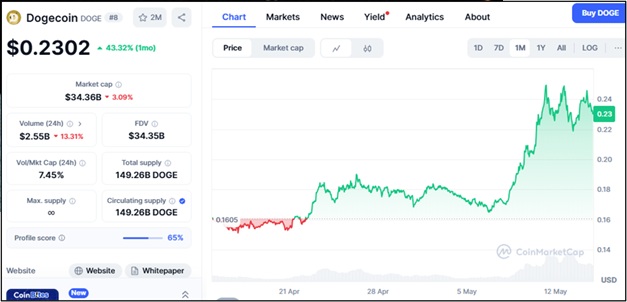
Dogecoin remains the original meme coin that started it all. What began as a joke has grown into a globally recognized cryptocurrency backed by using a strong online community and endorsements from high-profile figures like Elon Musk. DOGE continues to hold its place in many of the top 10 cryptocurrencies by market cap and is broadly accepted by merchants, tipping platforms, and exchanges. As crypto prices surge, DOGE regularly leads the meme coin rally — making it a reliable play for each seasoned and new traders seeking to ride the wave.

  1. PepeCoin (PEPE)

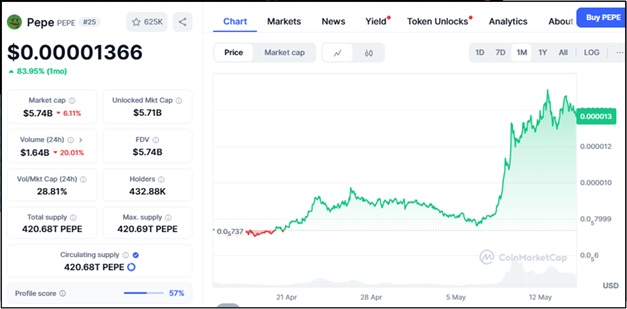
PepeCoin was one of the standout performers in 2023, riding the wave of internet meme culture. Inspired by the famous “Pepe the Frog” meme, PEPE exploded in popularity due to its fast-growing community and clever marketing. Although it saw periods of volatility, it has maintained a core following. With crypto sentiment rising, PEPE is once again heating up — making it a solid speculative bet for those chasing high-risk, high-reward plays.

  1. Floki Inu (FLOKI)

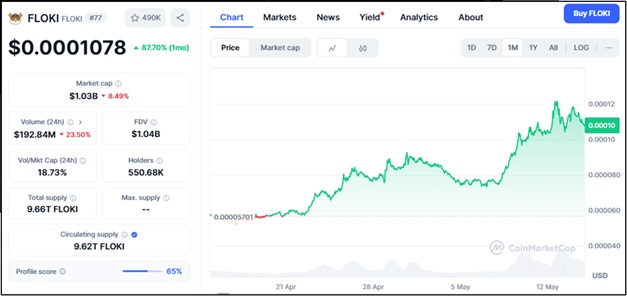
Floki Inu, inspired by Elon Musk’s dog, has positioned itself not just as a meme coin, but as a full ecosystem. FLOKI is building a decentralized finance (DeFi) platform, educational tools like “Floki University,” and NFT/metaverse integrations. This commitment to real-world use cases and a forward-looking roadmap gives FLOKI a different edge compared to pure hype-based tokens. Its dedicated team and steady development give FLOKI long-term viability in a meme coin segment often defined by flash-in-the-pan tokens.

  1. Salamanca (DON)

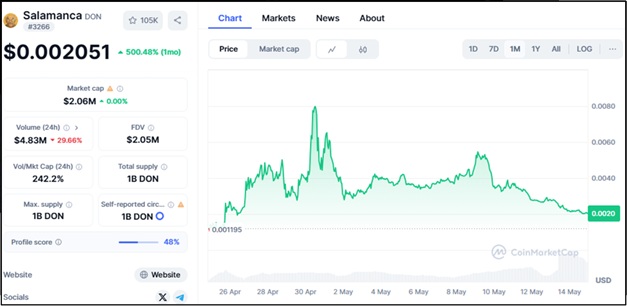
Inspired by the infamous Salamanca family from Breaking Bad and Better Call Saul, Salamanca (DON) has emerged as the dark horse of 2025’s meme coin season. Built on Binance Smart Chain, DON has built a cult-like following drawn to its edgy branding, viral social media campaigns, and clever meme content.

Despite being a newer entrant, DON’s 24-hour trading volume has exceeded $5 million, and it’s seeing rapid wallet growth and consistent social trend spikes. Early investors and influencers alike are rallying around DON, calling it the “next SHIB” — but with an even stronger sense of identity and community engagement.

Unlike PEPE and BONK, which rely heavily on meme recognition alone, DON has established a narrative, aesthetic, and roadmap that gives it more staying power. Its community is active, creative, and fiercely loyal — exactly the kind of environment that drives explosive growth in meme coin cycles.

As crypto prices go parabolic in 2025, meme coins are once again proving that culture, community, and speculation can be a powerful combination. While Dogecoin and PEPE still hold strong, new challengers like Salamanca (DON) are rising fast — and possibly set to outshine the originals. If you’re looking to make bold plays this bull cycle, these four meme coins should be on your radar — especially DON, which could be the biggest surprise of the year.

About Salamanca (DON)

Salamanca (DON) is a rising meme coin stimulated through the notorious Salamanca cartel from Breaking Bad and Better Call Saul, mixing popular culture with crypto hype. Built at the Binance Smart Chain, DON isn’t only a novelty — it is positioning itself as a critical project in the meme coin space.


Website: https://salamanca.club/

Telegram: https://t.me/salamancatoken

Twitter: https://x.com/salamanca_token

Could Rexas Finance (RXS) Deliver 21730% Returns Faster than Dogecoin (DOGE)?

0

Rexas Finance (RXS) stands as a leading cryptocurrency which has generated intense market interest because experts predict it will reach 21,730% returns possibly faster than Dogecoin achieved its legendary growth. RXS generates intense anticipation because its official listing at $0.25 will happen on June 19, 2025 while the presale has reached 92.27% completion and has raised more than $48 million from selling over 461 million tokens. Rexas Finance establishes itself as a leading blockchain innovation through its 52,000 holders while targeting real-world assets including gold and real estate from multi-trillion-dollar markets.

RXS Unlocks Global Access to Real Assets — Trade Real Estate, Art & Gold Like Crypto

Rexas Finance was constructed to transform the current methods of traditional asset accessibility and management as well as trading systems. Through blockchain technology Rexas Finance enables users to digitize real assets into tradeable tokens accessible for instant purchase and sale. The solution enables regular investors to enter lucrative markets including art, real estate and commodities by enabling fractional ownership and continuous trading. The RXS native token serves as the foundation for this ecosystem because it allows users to execute transactions and make governance choices and engage in liquidity mining through staking or participate directly. Rexas Finance exists to enhance asset trading transparency while securing its efficiency thus enabling worldwide investment access for all.

Utilities That Set RXS Apart

RXS stands apart from other digital tokens because its multiple functions enhance every aspect of the Rexas Finance platform. Holders utilize RXS tokens to pay transaction fees for cross-chain transfers as well as purchase tokenized assets while making use of these tokens for participation. The token provides users access to staking rewards together with liquidity mining features that offer more ways to generate earnings. RXS holders gain governance power through which they can influence platform developments and asset listings and major platform decisions while driving decisions through community participation. RXS offers asset management solutions through its combination of AI security capabilities with no-code token builders and DeFi tools that create an efficient secure system for users to manage their assets. RXS functions as a bridge between traditional financial methods and decentralized digital environments while simultaneously making investments accessible to everyone and establishing new wealth generation possibilities.

RXS and the 21,730% Potential: Why the Hype Is Real

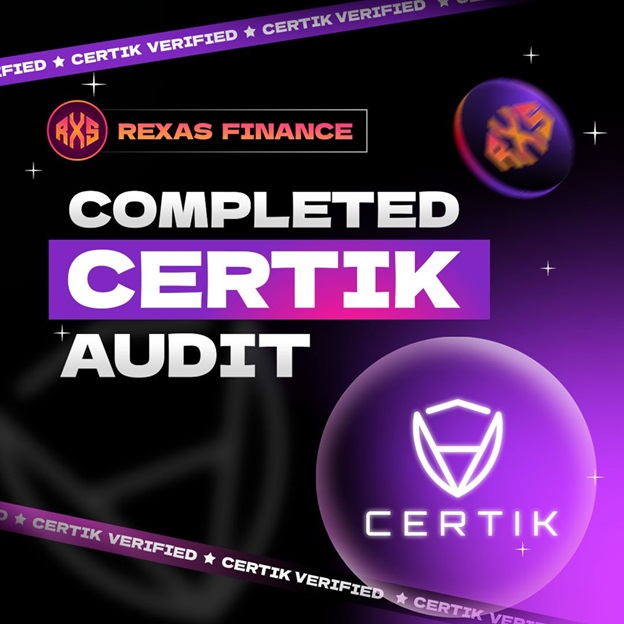
The market interest in RXS stems from its distinctive method of RWA tokenization and its swift acceptance among investors which could generate a 21,730% return. The current stage of RXS presale shows strong investor support because it has raised $48 million from more than 461 million token sales. RXS’s credibility gains further strength because it already exists on CoinMarketCap and CoinGecko and passed the CertiK audit. The remaining 7.73% of presale tokens will complete before the June 19, 2025 listing date at $0.25 price point when explosive growth becomes possible.

The market signals are strong because RXS has accumulated over 52,000+ holders and concentrates on high-end markets such as gold and real estate that show increasing global interest. RXS stands prepared to deliver extraordinary growth that may surpass Dogecoin’s historical success because it combines solid backing with modern technological advancements.

Conclusion: The Road to 21,730%—Is RXS the Next Big Thing?

Rexas Finance (RXS) enters the market with promising potential as it brings its innovative RWA tokenization model alongside high levels of investor support and a presale that has already reached 92% completion. The anticipated 21,730% return has genuine foundations because RXS enables massive market access while delivering functional benefits to its user base. All attention is focused on RXS before its $0.25 listing on June 19, 2025 since it raised over $48 million through the sale of 461 million tokens. RXS demonstrates all the potential to become the next major crypto sensation which could transform the 21,730% profit projections into actual value for early investors.

Website: https://rexas.com

Whitepaper: https://rexas.com/rexas-whitepaper.pdf

Twitter/X: https://x.com/rexasfinance

Telegram: https://t.me/rexasfinance


What’s a Mining Game? The Case of Miner Wars by GoMining

0

GameFi is quickly changing how people think about crypto. No longer is it just about charts, wallets, and technical jargon. With GameFi, the process of earning digital assets becomes immersive, interactive, and yes, fun. It merges gaming mechanics with decentralized finance (DeFi), giving players a chance to earn crypto through skill, strategy, or time spent playing. One of the more fascinating niches in this space? Mining games. And one standout example is Miner Wars by GoMining.

In this article, we’ll break down what mining games are, how they work, and how GoMining has turned Bitcoin mining into a gamified experience that even newcomers can enjoy. We’ll also explore how this fits into the larger GoMining ecosystem and how it helps bring Bitcoin mass adoption a step closer.

What Are Mining Games in GameFi?

GameFi, short for Gaming Finance, is all about merging play and profit. In the context of mining games, it usually refers to games that simulate or connect with the process of crypto mining. These games let users earn rewards (usually in the form of tokens or real crypto) by participating in mining-themed gameplay.

There are generally two types of mining games:

  1. Simulation Mining Games: These mimic mining behavior but don’t actually connect to real-world mining. Players upgrade fictional mining rigs, earn in-game currency, and progress by improving their equipment and strategies.
  2. Connected Mining Games: These games link directly to real mining operations or digital assets. Your progress in the game translates into real-world crypto rewards. Miner Wars by GoMining is a perfect example of this second category.

What is Digital Mining?

Before diving into Miner Wars, let’s clarify what digital mining is. Traditional Bitcoin mining involves using physical hardware, usually ASIC miners, to solve complex mathematical problems and validate transactions on the Bitcoin blockchain. This process consumes massive energy and requires substantial upfront investment.

Digital mining, on the other hand, is a next-gen approach. Instead of buying hardware, you buy or earn a digital miner (an NFT) that represents a share of real-world mining power. These digital assets are connected to physical mining facilities managed by companies like GoMining.

You still get daily Bitcoin rewards, but without worrying about electricity costs, cooling systems, or maintenance. It’s the perfect hybrid between real mining and modern digital asset management.

So when people ask, “what is mining Bitcoin” or “how to mine Bitcoin”, the answer today might just involve a crypto mining app that leverages digital miners.

Miner Wars: GoMining Turns Mining Into a Game

Enter Miner Wars — a gamified ecosystem built by GoMining. Unlike most Bitcoin mining apps, Miner Wars integrates real-world mining economics into an engaging strategy game. Players use digital miners to participate in clan-based mining competitions, earn rewards, and level up.

The game is structured around weekly clan wars where players team up to earn Bitcoin (BTC) and GOMINING token rewards. Performance is determined by mining power, strategy, upgrades, and teamwork. Clans compete in different leagues based on skill and experience:

  • Dune: Ideal for newcomers exploring Bitcoin mining on phone or with entry-level equipment.
  • Horizon: Intermediate league for those ready to scale.
  • Eclipse: Advanced players with well-upgraded miners and active clans.
  • Odyssey: The top-tier competition with elite teams and maximum rewards.

What makes Miner Wars stand out compared to any other Bitcoin mining app is the combination of:

  • Real BTC rewards
  • NFT ownership of mining power
  • No need for physical equipment
  • Gamified competition and clan dynamics

It’s not just a game. It’s a real form of passive income.

Advantages of Miner Wars vs Other Mining Games

While many crypto mining games are limited to simulation and in-game tokens with little real-world value, Miner Wars is different. Here’s why:

  • Real Mining Power: Each digital miner in Miner Wars represents actual hashrate from GoMining’s physical mining facilities.
  • Gamified Experience: Team-based clan wars, upgrade strategies, and competitive leagues create an engaging loop.
  • Flexibility: Available on desktop and as a Bitcoin mining app for Android, making it accessible to most users.
  • In-game Perks: Thanks to a GoMining promo code, a boost, a GoMiner avatar, or just simple discount system, users can get more convenient terms.

So, is Bitcoin mining profitable? With GoMining and Miner Wars, the answer is increasingly yes, especially when compared to the risks and costs of traditional setups.

Miner Wars is essentially similar to passive income apps, yet it’s designed for both gamers and crypto investors.

How Miner Wars Uses Tools to Help Players

Success in Miner Wars isn’t just about joining a clan and hoping for the best. The game offers numerous tools and features to enhance your journey:

  • Upgrades: Boost your digital miner’s efficiency and power to increase rewards.
  • Boosters: Temporary enhancements to mining performance during competitions.
  • Clans: Join or build a team to climb the ranks and access higher league rewards.
  • GoMining Promo Code: Use special promo codes to unlock extra perks, discounts, or in-game advantages.
  • Crypto Mining Calculator: Estimate your potential earnings using GoMining’s in-platform tools to strategize better.

Whether you’re curious about how to earn Bitcoin or exploring passive income ideas, Miner Wars provides both fun and functionality.

The Larger GoMining Ecosystem

Miner Wars isn’t an isolated project. It’s part of a broader GoMining ecosystem designed to simplify and democratize Bitcoin mining.

  • Digital Miners: These NFTs represent real-world hashrate. Think of them as your mining rigs in the cloud.
  • GOMINING Token: The platform’s native token, used for upgrades, discounts, and governance. Check the GOMINING token price to see how it’s performing.
  • GoMining Launchpad: Supports new projects related to Bitcoin mining, liquidity pool mechanics, and passive income apps.
  • LBH (Liquid Bitcoin Hashrate): A new concept pioneered by GoMining, LBH makes hashrate more fluid and tradable, just like any digital asset.

And yes, GoMining offers full support via its Bitcoin mining website, and companion Bitcoin miner app. Whether you’re on mobile or desktop, there’s a way to tap into the ecosystem.

Is GoMining Legit?

Let’s answer the big question many newcomers have: Is GoMining legit? The answer is a strong yes.

  • Positive GoMining review feedback across forums and social platforms.
  • Well-rated Go Mining app review and GoMining app review from industry watchdogs.
  • Transparent team, listed data centers, and an active member of the Bitcoin Mining Council.
  • Real-time mining stats and easy withdrawals reinforce their legitimacy.

Could it be the best Bitcoin mining app? It’s definitely the most fun.

Conclusion: A Shortcut to Bitcoin Mass Adoption

As any Bitcoin Maximalist would point out, true adoption will require tools that make Bitcoin more accessible to everyone. GameFi, through products like Miner Wars, might be one of the most effective gateways.

You don’t need to know what is Bitcoin mining in-depth, nor do you need to own a warehouse full of hardware. All you need is a digital miner, a decent team, and a bit of strategy. Whether you’re using a Bitcoin miner app, exploring crypto mining sites, or just want to try Bitcoin mining on phone, GoMining has an option for you.

For anyone exploring the question of is mining Bitcoin profitable? or looking for passive income ideas, Miner Wars and the GoMining ecosystem offer a practical, enjoyable, and profitable answer.

And that might just be the future of legit Bitcoin mining.