DD
MM
YYYY

PAGES

DD
MM
YYYY

spot_img

PAGES

Home Blog Page 1342

Schedule Your Tekedia Growth Hour

0

We have started scheduling Tekedia Growth Hour (batch 3) for the current edition of Tekedia Mini-MBA. This is for our corporate and group clients who enrolled Learners in bulk. Please check your emails and follow the instructions to schedule.

During Tekedia Mini-MBA, we schedule Tekedia Growth Hour with groups and corporate participants attending our program. We use the opportunity to discuss, at more specific levels, how some of the frameworks and business models we have studied could be applied in the companies. We do batch this throughout the program. I personally coordinate that via Zoom.

Register for the next edition of Tekedia Mini-MBA here 

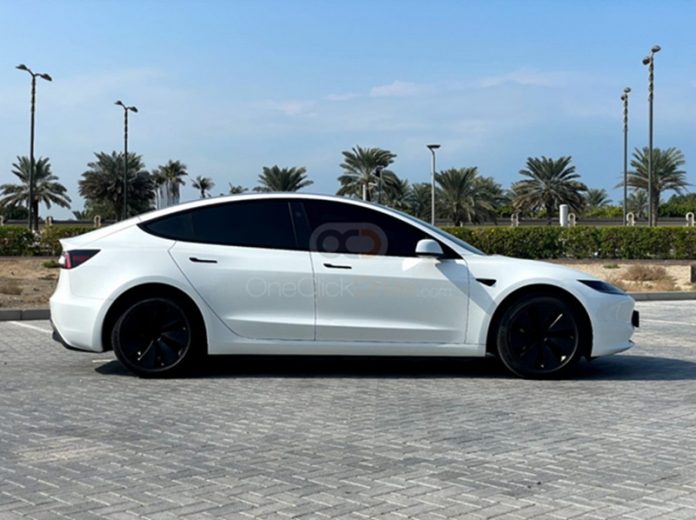
From the Desert to the City: UAE’s Top Car Rental Marketplace Makes Dubai Car Rental a Breeze

0

Dubai, the cosmopolitan city with fabulous contemporary structures, endless deserts, and luxury lifestyle, is a host to a large number of tourists every year- be it business travelers or the ones on a leisurely vacation. For anyone exploring Dubai, the most crucial element is the possession of a reliable and convenient means of transport. O has emerged as the most leading car rental Dubai marketplace to rent electric car Dubai, offering a seamless and hassle-free experience for both residents and visitors alike.

Whether one is driving across the iconic skyscrapers of Downtown Dubai or navigating the golden sand dunes of the desert, the local suppliers at O ensure that getting a car in Dubai is easy and stress-free.

O is a marketplace that connects users to local car rental providers throughout Dubai. While most traditional car rental services require tedious paperwork, associated hidden fees and complicated booking procedures, O has simplified everything in its very user-friendly platform. Customers can browse an enormous range of rental options- with budget-friendly compact cars to luxury vehicles to suit varied needs and preferences.

The platform caters to both locals and visitors, offering an even greater flexibility in rental periods ranging from a couple of hours to month-long rentals. For tourists who want their trips to be memorable by cruising the city in high-end luxury cars, sports cars or even Dubai monthly rent a car, through the suppliers at O. In addition, there are compact and sedan cars, such as Toyota, Honda, and Nissan, for those on a tighter budget and still needing a convenient ride.

O understands that people who visit Dubai want to take pleasure in its deserts and nature exploration. There are also available 4×4 SUVs such as the Toyota Land Cruiser and Nissan Patrol on this platform- these vehicles are suitable for off-road adventures.

O has really gone all the way to ensure that the entire car rental process is as simple as possible. The website and mobile app are even equipped with user-friendly interfaces for browsing through available vehicles, comparing price quotes, and booking. Customers can also filter results using vehicle type, duration of rental, or price range.

On top of that, O provides customers with pickup and drop-off locations available throughout Dubai, ranging from the airports, hotels, and big sites- this feature is sure to be appreciated by both tourists and residents. The delivery can be made doorstep convenient, whether delivering the rental car directly to a user’s site for an uninterrupted journey.

Whether new to Dubai or a longtime resident, O through its listings from local suppliers offers a simple, effective, and inexpensive car rental solution.

Aso Villa Goes Solar as Power Bills Soar, Signaling More Challenge in Nigeria’s Electricity Sector

0
Concept of house in paper on blue color background for real estate property industry

In a move that has left many Nigerians seething, the Federal Government has earmarked a staggering N10 billion in the 2025 budget to install a solar-powered mini-grid at the Presidential Villa, suggesting it is walking away from the national electricity grid,  per The Punch.

The plan, tucked inside the N57.1 billion proposed for the State House next year, covers the “solarization” of the Villa, including its main buildings in Abuja, the State House Medical Centre, and the former seat of government at Dodan Barracks in Lagos. According to internal projections, the project is expected to save the Villa up to N5 billion annually in electricity bills.

The decision has stirred a fresh conversation about Nigeria’s electricity challenge. While officials say the project is aimed at promoting clean energy, many believe it lays bare the growing crisis in Nigeria’s power sector — one that the government itself now appears eager to escape.

The Villa’s pivot to solar isn’t happening in a vacuum. In February this year, the Abuja Electricity Distribution Company (AEDC) publicly named the Presidential Villa among its top debtors, claiming the State House owed over N923 million in unpaid electricity bills. The presidency initially disputed the figure, but after a reconciliation process, it acknowledged a debt of N342 million, which President Bola Tinubu ordered paid immediately.

The scale of the Villa’s power consumption has since become a matter of national interest. According to GovSpend, a public finance tracking platform, the presidency spent more than N483 million on electricity in 2024 alone. A large chunk of that came from a lump-sum payment of N316.88 million in October, presumably to settle part of the backlog.

Meanwhile, the State House has continued to burn millions on diesel. In the three months following that payment, records show that over N88 million was spent on diesel alone — a signal that power from the national grid, even when paid for, isn’t always available.

Still, the move to spend N10 billion on solar power is raising serious questions, not just about the presidency’s energy choices, but about the message it sends to a nation whose power sector is already wobbling under the weight of high tariffs, low supply, and dwindling public trust. For ordinary Nigerians who are grappling with record-high electricity costs and epileptic supply, the question now is: if the Villa can’t cope with grid electricity, how are the rest of the country’s consumers supposed to survive?

The concern is more notable among Nigeria’s electricity consumers, who have faced exorbitant tariff increases over the last year. The most punishing of these came in April when the Nigerian Electricity Regulatory Commission (NERC) approved a new Band A tariff of N209.5 per kilowatt-hour, more than triple the previous rate of N68. Band A customers are meant to receive at least 20 hours of electricity daily. However, many of them still struggle with intermittent supply.

The Villa is classified under this premium band, and it’s no surprise the costs are stacking up. Last week,  Lagos State’s Deputy Governor, Obafemi Hamzat, revealed that he was slapped with an N29 million electricity bill for a single month.

For many, the government’s decision to disconnect itself from the grid, even in the name of sustainability, confirms that the national electricity supply system is not only unreliable but unaffordable.

A Sector Focused on Revenue, Not Service

The discontent deepened earlier this month when the Minister of Power, Adebayo Adelabu, announced that the electricity sector had raked in N700 billion in revenue in 2024. While the government has touted the figure as a sign of improvement in the power sector, critics say it reveals a troubling shift in focus — from service delivery to aggressive revenue generation.

The solarization of the Presidential Villa, as extensive and strategic as it may seem, is not part of any clear national solar roadmap. There is no indication that the government plans to extend similar installations to schools, hospitals, or local government secretariats, many of which continue to operate without basic electricity.

The project itself is already running behind schedule. Construction of a 1.2MW solar facility at the State House Medical Centre was launched in October 2024, but by early 2025, no physical work had begun on solar infrastructure for the main Villa complex. Officials blame procurement delays, but critics suspect the project could be bogged down by bureaucratic inertia or even mismanagement.

The Villa’s move for solar energy underlines Nigeria’s current electricity situation, where individuals and businesses are increasingly seeing solar as an alternative to the country’s expensive – yet unstable power supply.

Savings Emerged as The Second Fastest Growing Financial Service Among Mobile Money Providers in 2024

0
Piggybank for saving has enslaved many to online lenders

Mobile money usage worldwide has continued to gain momentum, as millions of people now use their cell phones to manage their finances.

A state of the industry report on mobile money 2025, revealed that last year, savings was the second fastest-growing mobile money adjacent financial service. In 2024, 34% of mobile money providers were reported to be offering savings services, up from 23% in 2023.

As a result, the cumulative number of unique customers who transferred funds to a savings account grew by 80% between September 2023 and June 2024. This includes customers using a dedicated interest-bearing savings account (where regulations permit) or others who use mobile money accounts as a reliable store of value.

Demand-side data supports this latter point. In several African and Asian countries, mobile money is being used by more customers to save money. The number of customers saving money via mobile money over the past 12 months grew by more than 20 percentage points in Ethiopia, India, Indonesia and Nigeria.

Customers who used mobile money to send money to a savings account in the past 12 months in Nigeria, from 2023 and 2024, grew from 40% to 71%. Senegal grew from 5% to 8%, Bangladesh grew from 7% to 14% and Pakistan grew from 3% to 15%. Significant increases were also observed in Pakistan and Uganda.

Notably, a high number of users were already using mobile money to save money in Kenya in 2023, leading to a modest rise in 2024. As of 2023, responses to the 2024 GSMA Global
Adoption Survey suggest that women continue to rely on mobile money to save money. Among MMPs that offer savings accounts, the number that collect gender-disaggregated data remains small but has grown by nearly half year on year. MMPs that collected this data reported a 91% increase in the cumulative number of unique female customers saving money via mobile money.

Growth of savings on mobile money platforms reflects a broader trend in which mobile money services are transitioning from simple payment tools to more comprehensive digital financial ecosystems. This growth is majorly attributed to ease of access in making deposits and withdrawals.

As competition in the mobile money space intensifies, providers are seeking to differentiate themselves by offering value-added services that meet the broader financial needs of their users. Savings products, in particular, serve a dual purpose: they not only help users manage their money more effectively but also deepen engagement with the platform and foster long-term customer loyalty.

The increased availability of savings services can be attributed to several factors. First, there is a growing demand among users especially in underserved or unbanked regions for tools that allow them to securely store and grow their money. Mobile money platforms, which often offer easier access than traditional banks, are well-positioned to meet this need. By offering savings accounts or wallet-based savings features, MMPs can help users cultivate better financial habits, build resilience, and achieve their financial goals.

Second, regulatory environments in many markets have become more supportive of financial inclusion, encouraging mobile money operators to expand their range of services. Partnerships between mobile money providers and financial institutions have also played a critical role, enabling the integration of savings accounts that are backed by banks, thus adding a layer of security and trust for users.

Third, advancements in technology have made it easier and more cost-effective for mobile money platforms to roll out savings products. Digital onboarding, mobile KYC (Know Your Customer) processes, and intuitive user interfaces have lowered the barriers for both providers and users to adopt these services.

Looking ahead

The upward trajectory of savings on mobile money platforms is a positive indicator of the shift toward more holistic financial offerings. If this trend continues, savings could soon rival core mobile money services in terms of both relevance and user adoption marking an important milestone in the journey toward greater financial inclusion and economic empowerment through digital finance.

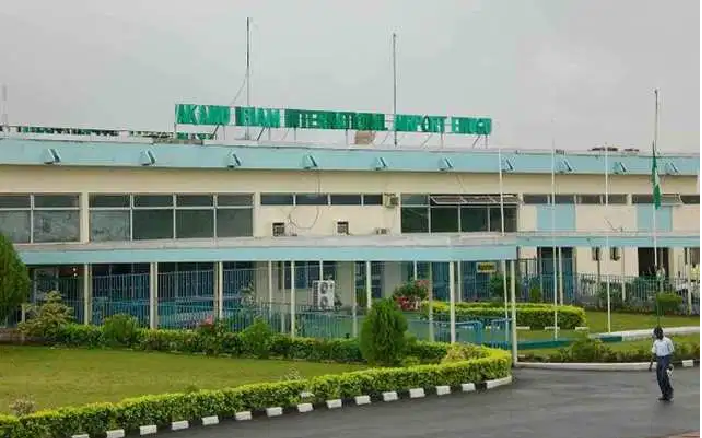
Concerns Mount Over Akanu Ibiam Airport Concession as Enugu Govt. Confirms 70% Progress

0

The Enugu State Government has announced that the concession process for the Akanu Ibiam International Airport in Enugu is now over 70 percent complete, with expectations that it will be finalized by the second quarter of 2025.

This was disclosed by the State Commissioner for Transportation, Dr. Obi Ozor, during a program on Afia TV.

According to Dr. Ozor, the process is being managed by the Federal Ministry of Aviation in collaboration with private investors. Once completed, the concessionaire will commence upgrades to the international wing of the airport, including the long-abandoned international terminal, the cargo terminal, aircraft maintenance, repair and overhaul (MRO) facilities, hangars, and runway extension.

But while the state government is optimistic, the airport concession has sparked growing unease among citizens, particularly those from the Southeast where Akanu Ibiam remains the only functional international airport. Many believe that the current move might not be to make the airport more efficient but to weaken it through a calculated strategy masked as a concession deal.

Allegations of Sabotage and Lack of Transparency

The distrust is not new. For years, the Southeast has had to lobby for the reopening or rehabilitation of the Akanu Ibiam Airport, which has repeatedly suffered neglect and funding delays. Now that the Federal Government has approved its concession, critics argue that the manner of the process raises red flags.

Financial analyst and commentator, Kalu Aja, took the questions directly to Aviation Minister Festus Keyamo, demanding answers to what he describes as glaring omissions and a lack of transparency surrounding the deal.

“Who exactly is Aero Alliance Consortium?” Aja asked. “Are they registered in Nigeria? Who are their promoters?”

Despite being named as the preferred bidder, virtually no public information exists about the Aero Alliance Consortium—its history, its executives, or its financial and technical credentials. This opacity has fueled suspicions about the motives behind the concession and whether due process was followed.

Did the Concession Follow Nigeria’s PPP Guidelines?

Aja pointed to the guidelines under the Infrastructure Concession Regulatory Commission (ICRC) Act of 2005, which mandates that all public-private partnerships (PPPs) must follow a competitive bidding process. He raised issues of concern and questioned whether the process adhered to the key provisions of the law:

Competitive Bidding: There is no evidence that multiple bids were invited or evaluated in a competitive manner. The ICRC rules require the bidder with the most technically and economically sound proposal to be selected through a transparent process. Did that happen here?

Technical Expertise: According to the ICRC, any private sector firm vying for an airport concession must demonstrate strong technical capacity in managing international aviation facilities. Yet there are no publicly available records of Aero Alliance Consortium’s involvement in any airport management project, either within or outside Nigeria.

Financial Capacity: Bidders are required to show a net worth of at least N30 billion (around $72 million) and obtain support letters from credible financial institutions to prove they can manage airport infrastructure. Many believe there is no evidence that Aero Alliance has met this threshold.

The 80-Year Tenor: A New Precedent?

Another concern that’s drawn public outrage is the unprecedented length of the concession period—80 years. That is more than double the tenors given for the concessions of other Nigerian airports, most of which are under 30 years.

“What’s the rationale behind locking down a strategic infrastructure asset for 80 years?” Aja questioned. “That’s two generations. Airports in Lagos and Abuja have 20 to 30-year concessions. Why is the East different?”

As the unusually long tenor deepens fears that the aim may not be efficient management, but a calculated sidelining of the only international gateway in the region, some Southeast stakeholders are calling for the agreement to be published and scrutinized by the National Assembly or a public oversight body before it is allowed to proceed.

What Happens to the Free Trade Zone?

The uncertainty doesn’t end with the concession contract itself. There are also concerns about what parts of the airport complex fall under the deal. Aja raised a pointed question: “Is the Free Trade Zone at Akanu Ibiam International Airport covered under this concession?”

The Free Trade Zone, if included in the concession, would mean ceding a potentially lucrative economic zone to a private entity for the next 80 years, without input from the state government or even clarity on how such assets will be managed.

Revenue Guarantees and Risk Transfer

Perhaps the most worrying detail to emerge is that the Federal Government appears to have agreed to “guarantee” the concessionaire’s projected revenues over the 80-year period—an arrangement critics argue is reckless and places enormous financial risk on taxpayers.

“If the concessionaire fails to meet its revenue targets, will the government really cover those shortfalls with public funds?” Aja asked. “Why should Nigerian taxpayers be saddled with 80 years of projected revenue risk for a deal they had no say in?”

Such an arrangement, if true, would amount to privatizing the gains while socializing the risks—a model that has repeatedly failed in Nigeria, especially in power, rail, and telecoms concessions.

“This is the most outrageous agreement I have seen. According to the Enugu Airport concession, if this concession is terminated and the termination is a result of the FGN default, then the FGN must pay outstanding loans, third-party liabilities, equity investment, and projected returns,” Aja noted.

He went further to ask: “Have we gone mad in this nation? Nigeria will repay “equity investment” and PROJECTED returns? So if the concessionaires say they projected to make 500%, FGN will repay 500%? On whose authority is Keyamo signing this contingent liability on the Federation? Is the Debt Management Office (DMO) aware that a contingent liability is being created here? Is the ICRCNG going to really sign off on an 80 year lease? Is this in the public interest?”

Aja went further to liken the concession to the P&ID controversial deal. “This is how P&ID’s liability was created: You draft a nonsense contract, get it signed, you get paid, and if it’s cancelled you also get paid. The same method was used in Ajaokuta Steel Mill and Mambila Power; both projects are now dead.

“This is a tactic to burden Enugu airport with debt and kill it, making it inoperable. Why would any government agree to be liable for “projected returns”? This is a setup against the entire region.”

State Government Optimism

In contrast to the criticism, Enugu’s state government remains hopeful. Dr. Ozor insisted the Federal Government and private investors are working closely to ensure the airport becomes fully operational with modern facilities. He said the aim is to turn the airport into a regional hub for international travel, commerce, and logistics.

He also noted that the airport upgrades align with broader plans, including the upcoming launch of Enugu Air—a state-backed airline scheduled to commence operations in May 2025.

Against the backdrop of the questions being raised, the government has been urged to release more information about the Aero Alliance Consortium, the concession agreement, and the future governance structure of the airport if it hopes to regain public trust and secure buy-in for the project.