
DD
MM
YYYY

PAGES

DD
MM
YYYY

spot_img

PAGES

Home Blog Page 1458

How to Hire an Ethical Professional Hacker for Corporate Services

0

Companies try to get ahead of the competition by getting private information from rivals. This type of operation is called corporate hacking. Legal market research and competitive analysis are common ways for companies to gather information, but some companies hire hacker to break into rivals’ systems, steal trade secrets, or mess up operations.

Corporate services activities have become easier to do with the fact the hacking services get more accessible, but doing so comes with big legal, financial, and reputational risks. Get to know further about how professional hackers work on corporate services, where to find them, and the risks of hiring them.

One must do so within the law and in compliance with all regulations.

Corporate Hacking Services

Hacking services covering corporate services involve cybercriminals who exploit their hacking skills to get financial gain. Unlike ethical hackers, who work to strengthen cybersecurity defenses, these hackers operate illegally, targeting individuals, businesses, and even governments.

Corporate services hacking services that can be ordered range from breaching networks to stealing confidential data, conducting phishing attacks to obtain login credentials, and deploying malware on the network system for long-term services. Some even execute ransomware attacks to cripple corporate operations and demand payments in exchange for restoring access.

These illegal services are typically advertised on dark web forums or private hacker networks, making them difficult to trace. Some hack-for-hire groups operate independently, while others are linked to organized cybercrime syndicates or even state-sponsored entities. These groups sell their skills to the highest bidder, often conducting large-scale cyber-services campaigns for corporations seeking an unfair advantage over competitors.

The anonymity of cryptocurrency transactions and encrypted communication channels further shields these hackers from detection, making them a persistent threat in the corporate world.

Where to Find Professional Hackers for Corporate Services

It’s not as easy as posting a job ad to hire a hacker for corporate services projects. Most hackers work in secret groups on the dark web, but you can also find them in some cybersecurity forums. Here are some of the most popular places where hackers who work for hire post ads for their services:

Dark Web Markets

On the dark web, where black-hat hackers typically promote their skills, you can often find corporate services services included. However, you can’t be tracked on these sites without using a special browser like Tor. Listings often include services like DDoS attacks, data breaches, and business services. Payments in cryptocurrency should ensure confidentiality.

Online communities for hackers

Some proficient hackers prefer to operate within exclusive groups, restricted to those who have received invitations or provided evidence of their experience. People talk about hacking methods, cybercrime strategies, and client requests on these forums. There are chances where you can hire hackers through open ads or recommendations in the communities. These private networks can only be entered through insiders or underground cybersecurity communities.

Encrypted Instant Messaging Platforms

Many hackers working for hire now utilize encrypted instant messaging platforms such as Telegram and Signal to carry out their tasks. End-to-end encryption is available on these platforms, which lets hackers talk to clients without being seen. Hackers in these groups often use secret language to advertise their services, which makes it harder for the police to keep track of illegal activities.

Secret Cybercrime Networks

Organized crime networks not surprisingly employ some of the most skilled hackers. There are specialized teams that handle different parts of cyberattacks on these networks, which work like companies. People who want to use their services might have to go through middlemen or brokers, who help with deals while keeping everyone’s identities secret.

Pricing for Corporate Services

You can hire a hacker for corporate Services but the actual price depends on the complexity of the task, the level of security protecting the target, and the potential risks involved. Simple infiltration methods typically cost between $500 and $7K, such as hacking an executive’s email account to intercept sensitive communications. More advanced breaches, like infiltrating a corporate database to extract trade secrets, range from $10K to over six figures, depending on the advance of the target’s cybersecurity defenses.

For long-term corporate spying, hackers may deploy malware that enables continuous surveillance of a competitor’s systems, costing anywhere from $5K to $75K. If the goal is to sabotage a rival company, ransomware attacks can be arranged for $50k to millions of dollars, crippling business operations until a ransom is paid. Social engineering tactics, such as manipulating employees into divulging login credentials or confidential information, typically cost between $1K and $25K. Pricing varies based on the hacker’s expertise, reputation, and the urgency of the request. Most professional hackers operate anonymously, requiring payment in cryptocurrencies to avoid detection and to keep the anonymity.

Risks of Corporate Services

Participating in corporate services through hacking is exceedingly dangerous, with legal, financial, and reputational ramifications. Companies taking such steps should be aware of the following risks:

Legal Consequences

Most countries consider unauthorized hacking to be a criminal violation, and perpetrators are prosecuted under stringent cybercrime laws. Businesses that hire hackers may face harsh penalties, including large fines, lawsuits, and possibly jail time for executives involved. Regulatory and law enforcement authorities regularly monitor company cyber operations, making it increasingly difficult to evade detection.

Scams & Fraud

Many so-called corporate services specialists are scammers who demand upfront cash and then disappear without delivering results. Others may masquerade as legitimate hackers, but they are actually law enforcement officials conducting sting operations to apprehend those seeking illegal services. Hiring an untrustworthy hacker also increases the likelihood of them disclosing vital business information or blackmailing their clients.

Retaliation by Competitors

If a target company notices a hacking effort, it may increase its cybersecurity and take countermeasures such as executing its own cyberattacks or filing a lawsuit. If the breach is made public, the hiring company’s reputation may suffer irreparable damage, resulting in a loss of trust from customers, partners, and investors.

Law Enforcement Defrauds

Many corporate hacking services, particularly those promoted on underground forums, are covert police enforcement traps. Agencies such as the FBI, Europol, and Interpol constantly monitor and infiltrate cybercriminal networks, resulting in the arrest of individuals and companies attempting to conduct corporate services through these services. Those caught in these defrauds may face prosecution and long-term legal sentences.

What’s Next in Corporate Hacking Services?

Cybersecurity threats change over time, and so do the ways that companies spy on each other. Companies are putting a lot of money into AI-powered infrastructure that can detect threats, but hacker groups that do work for hire are also adapting by using AI to develop and deploy attacks. The popularity of ransomware has been making hacking easier to do, letting even less skilled hackers carry out even complex corporate services attacks.

Companies need to improve their safety and keep up with new hacking trends to protect themselves from these threats. The best way to protect against corporate spying is to put in place strong security measures.

*all players must follow local and global laws and must be done within the law.
Transforming Financial Transactions with QR Codes

0

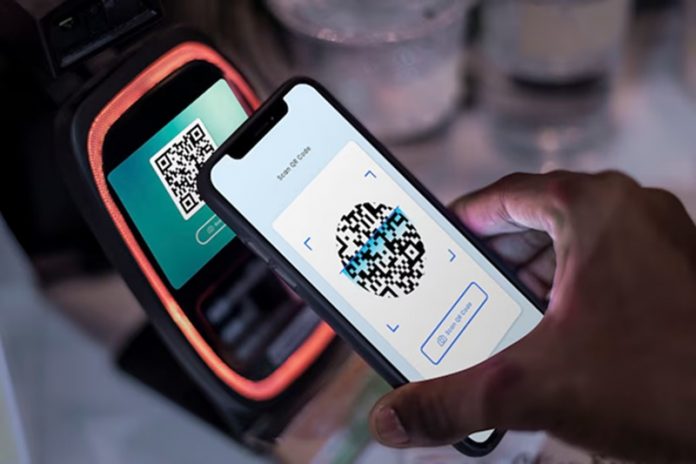
In today’s fast-paced financial landscape, QR codes are becoming a key tool for enhancing security, efficiency, and convenience. With the ability to provide instantaneous access to payment platforms, banking services, and financial information, QR codes are transforming the way we manage money. If you’re looking for a way to streamline your financial processes, using a QR code creator can open up a world of possibilities.

How QR Codes are Revolutionizing the Financial Sector

QR codes offer more than just a quick link to websites, they’re becoming integral to financial services and transaction management. Whether you’re enabling faster payments or improving data security, QR codes provide businesses and consumers alike with a simpler way to manage finances.

Simplified Payments and Transactions

QR codes can simplify payment processing, enabling quick and secure transactions without the need for physical cash or card swiping. By using a QR code maker, businesses can generate unique codes that customers can scan to instantly make payments via digital wallets, such as PayPal, Venmo, or mobile banking apps.

Easy Access to Financial Information

With a QR code generator, businesses and financial institutions can provide quick access to account statements, loan details, or financial reports. This reduces the need for clients to navigate complex systems or wait for a representative, improving overall customer satisfaction.

Enhanced Security Measures

QR codes are increasingly used for two-factor authentication (2FA) in online banking and financial apps. By scanning a QR code free from a trusted source, users can ensure that their logins and transactions are secure, reducing the risk of fraud.

Benefits of QR Codes in Financial Transactions

The advantages of QR codes go beyond convenience. They help businesses streamline operations, enhance customer service, and improve security, all essential aspects of the modern financial landscape. Here’s why QR codes are becoming indispensable for financial transactions:

– efficiency – QR codes allow for quick transactions, saving time for both customers and businesses;

– cost-effective – Implementing a free QR code generator for payments and records reduces the need for expensive hardware or complex payment systems;

– security – With QR code generators online, you can integrate encrypted data and even limit access to specific users, reducing the risk of fraud;

– accessibility – QR codes can be scanned using smartphones, making them accessible to a wide range of consumers without the need for specialized equipment.

As businesses continue to embrace automation and digital transformation, the use of QR code creators will likely expand beyond just payments, unlocking new possibilities for customer interaction, data security, and financial transparency.

Conclusion

QR codes are revolutionizing the financial world by offering a fast, secure, and convenient way to manage payments, track transactions, and access financial data. Whether you’re a business owner or a consumer, integrating QR codes into your financial operations can significantly enhance efficiency and security.

With the help of tools like ME-QR, businesses can create QR code free for various uses, whether it’s for simplifying transactions, enhancing customer engagement, or ensuring compliance with industry standards. QR codes are more than just a trend, they’re an essential part of the future of finance.

By leveraging a QR code generator free online, businesses can easily adopt these technologies and start reaping the benefits of smarter, faster, and more secure financial transactions.

Trade Your Escalade for Innoson: Atiku Knocks Tinubu, As Applause, Doubts Greet ‘Nigeria First’ Policy

0

The Federal Government’s newly approved Nigeria First policy—an economic strategy that prioritizes patronage of locally made goods and services—has drawn a mix of commendation and criticism across industry, political, and civic spheres.

At its core, the policy promises to reduce Nigeria’s dependence on imported goods by strengthening domestic production. The government has announced a ban on its agencies from importing goods that are made in Nigeria to foster the policy.

However, less than 48 hours after the policy was unveiled, it has attracted criticism and praise from many quarters. Atiku, the 2023 presidential candidate of the Peoples Democratic Party (PDP), has thrown down the gauntlet. If Tinubu is truly committed to economic nationalism, he said, the president should park his foreign-made Cadillac Escalade and embrace Nigerian brands like Innoson or Nord.

“Nigerians have grown weary of hollow speeches,” Atiku said through his spokesman, Phrank Shaibu. “We challenge President Tinubu to stop the noise and trade in his beloved Escalade for an Innoson. That single act will do more to promote local industry than a thousand policy memos.”

Atiku’s criticism did not stop at presidential vehicles. He also called on Tinubu to forgo overseas medical trips and vacation destinations in Europe, suggesting instead that the president embrace Nigeria’s local hospitals and tourist attractions.

“And speaking of double standards, it’s time Mr. President shelves his love affair with Paris and London. If he’s serious about patriotism, his next vacation should be at Obudu Cattle Ranch, Yankari Game Reserve, or Erin Ijesha Waterfalls. Nigeria is beautiful—unless, of course, the President thinks otherwise,” he said.

He added: “More importantly, the era of jetting off for medical tourism while preaching self-reliance must end. We demand that President Tinubu—champion of Nigeria First—conduct all future medical check-ups at LUTH, National Hospital, Abuja, UCH Ibadan, or even the #41 billion Naira Akwa Ibom world-class hospital built by an uncommon transformer, in Uyo.

‘’If these hospitals are good enough for ordinary Nigerians, they should be good enough for their Commander-in-Chief. Anything less is sheer hypocrisy.

The Minister of Information and National Orientation, Mohammed Idris, had on Monday announced the Nigeria First policy as part of a broader “Renewed Hope” framework approved by the Federal Executive Council (FEC). Idris said the move signals a “bold shift” in the country’s economic strategy, aimed at reducing foreign dependence and expanding local capacity.

Manufacturing Sector Hails the Move

For Nigeria’s struggling manufacturing sector, the announcement feels long overdue.

Segun Ajayi-Kadir, Director General of the Manufacturers Association of Nigeria (MAN), called it “a welcome relief” for local producers who have remained resilient in the face of tough economic headwinds. He said the policy, if properly implemented, could increase capacity utilization, stimulate demand, and attract critical investments.

He added that MAN’s earlier research indicates that the policy could potentially boost GDP by 56 percent and cut unemployment by 37 percent.

“We believe it will have a multiplier effect on the economy,” Ajayi-Kadir said.

He urged all levels of government and government-affiliated institutions—especially security agencies, legislators, and the Presidency—to lead by example.

“All government contracts should prioritize the patronage of made-in-Nigeria materials. The government must consult manufacturers to ensure implementation is effective,” he said.

Ajayi-Kadir also stressed that Nigeria’s economic transformation hinges on beneficiation, adding value to local raw materials rather than exporting them in crude form.

“Let us put action to consuming what we produce so we can expand the production of what we consume,” he said.

NECA Echoes Industry Enthusiasm

The Nigeria Employers’ Consultative Association (NECA) shares the enthusiasm. Adewale-Smatt Oyerinde, Director General of NECA, described the policy as a long-awaited economic imperative.

“Over the past few years, we’ve urged government to prioritize patronage of made-in-Nigeria goods,” he said. “This will reduce pressure on forex, stimulate industrial growth, and create jobs.”

However, Oyerinde warned that policy alone is not enough. Without full-scale implementation across ministries and departments, he said, “the policy could suffer the fate of many like it.”

PETROAN Warns of Potential Pitfalls

However, not everyone is celebrating without caution.

The Petroleum Refineries Owners Association of Nigeria (PETROAN) welcomed the intent of the policy but flagged serious risks if not carefully executed.

Dr. Billy Gillis-Harry, the association’s president, warned that a blanket ban on imports could unintentionally trigger inflation, especially in sectors where local production remains insufficient, like petroleum products and pharmaceuticals.

“Essential and sensitive products, such as petroleum products, pharmaceuticals, and other highly consumable goods, should be exempted from the ban or have a waiver to ensure their continuous availability,” the group said.

PETROAN emphasized that while local refining capacity is expanding, it is not yet robust enough to meet domestic demand. A hasty implementation could lead to shortages and price spikes, aggravating an already precarious economic climate.

The association noted other factors that may necessitate importing goods include: “Unavailability of specialized technology or expertise locally, higher quality standards of imported goods, economies of scale favoring imports and strategic or critical nature of the product.”

The group added, “Our primary concern is the availability and affordability of petroleum products in Nigeria to meet the daily consumption volume of over 46 million liters of petrol and other petroleum products.

“We must ensure that our policies do not compromise energy security, as this could have far-reaching consequences for the economy and the well-being of Nigerians.”

A PR Stunt or a Paradigm Shift?

Atiku’s challenge, layered in sarcasm and frustration, frames the broader skepticism surrounding government pronouncements in Nigeria. His reference to ministers riding in Rolls-Royce and the President’s trips to foreign hospitals underscores the disconnect between public declarations and personal behavior.

“Let’s see the ministers, those shameless Rolls Royce connoisseurs, sweat it out in Nigerian-made vehicles too. Or is Nigeria First only for the masses?” he asked.

He accused the administration of demanding economic sacrifices from the public while indulging in the very foreign luxuries the policy seeks to curb.

For the Nigeria First policy to succeed, observers say the government must do more than issue executive orders. It must reflect a cultural shift, where those at the highest levels walk the talk—using local products, investing in local institutions, and abandoning the prestige associated with foreign alternatives.

The Trump Administration Has Restarted Collections on Defaulted Federal Student Loans

0

The Trump administration restarted collections on defaulted federal student loans on May 5, 2025, ending a five-year pause that began in March 2020 during the COVID-19 pandemic. This affects over 5 million borrowers in default, with another 4 million in late-stage delinquency (91-180 days late), potentially leading to nearly 10 million in default soon.

The U.S. Department of Education, led by Secretary Linda McMahon, is using the Treasury Offset Program to withhold tax refunds, federal salaries, and Social Security benefits, with wage garnishment set to begin this summer after a 30-day notice. The move aims to protect taxpayers from bearing the cost of unpaid loans, as 42.7 million borrowers owe over $1.6 trillion, but only 38% are current on payments.

Borrowers face risks like credit score damage, with subprime borrowers potentially losing 87-129 points, and financial strain from garnished wages or benefits. Critics, like the Student Borrower Protection Center, call this “cruel” amid economic uncertainty, especially as the Education Department faces staff cuts and a potential shift of the loan portfolio to the Small Business Administration.

Over 5 million borrowers in default, plus 4 million in late-stage delinquency, face immediate financial pressure. Wage garnishment (up to 15% of disposable income), tax refund offsets, and Social Security benefit reductions will hit low- and middle-income households hardest, reducing disposable income for essentials like housing and healthcare. Defaulted loans already lower credit scores, but aggressive collections could worsen this, with subprime borrowers losing 87-129 points.

This limits access to mortgages, auto loans, and jobs requiring credit checks, perpetuating economic hardship. Loan rehabilitation or income-driven repayment plans are available, but staffing cuts at the Education Department and potential loan portfolio transfers to the Small Business Administration may cause delays, leaving borrowers stuck in default. Older borrowers reliant on Social Security, single parents, and minority groups with higher default rates (e.g., Black borrowers at 17% default rate vs. 9% for white borrowers) face heightened vulnerability.

Garnished wages and withheld refunds will curb spending, potentially slowing economic growth. With $1.6 trillion in total student debt, a significant portion of the 42.7 million borrowers cutting back could dampen retail, housing, and service sectors. Financial stress and credit damage may force borrowers into lower-paying jobs or discourage workforce participation, especially for those facing job loss from concurrent tariffs or economic shifts.

Wealthier borrowers who avoided default continue building assets, while lower-income defaulters face deeper financial traps, exacerbating wealth gaps. The administration frames collections as protecting taxpayers from footing the bill for unpaid loans (only 38% of borrowers are current). However, critics argue this prioritizes fiscal austerity over borrower welfare, especially without broader debt forgiveness, which Trump has rejected.

Staffing reductions and a potential shift of the loan portfolio to the Small Business Administration could disrupt loan servicing, risking mismanagement or delays in borrower support programs. The “cruel” label from advocacy groups like the Student Borrower Protection Center may fuel opposition, especially among younger voters and progressives. This could complicate Republican messaging in future elections, particularly if economic conditions worsen.

Aggressive collections may deter future borrowing or college enrollment, especially among low-income students, potentially reducing higher education access and long-term workforce skills. With 4 million borrowers nearing default, collections could push total defaults higher, straining the federal loan system and increasing taxpayer exposure if defaults become unmanageable.

Borrowers may pursue lawsuits or administrative appeals, clogging courts and agencies, especially if servicing errors occur during the transition. Borrowers can mitigate impacts by contacting the Default Resolution Group for rehabilitation or repayment plans, but systemic bottlenecks and economic pressures may limit success. The policy reflects a shift toward fiscal accountability but risks deepening economic inequality and borrower distress without complementary relief measures.

Ripple Donates $25M RLUSD in Honor of Teacher’s Appreciation Week

0

Ripple announced a $25 million donation to support U.S. teachers and classrooms, coinciding with Teacher Appreciation Week (May 5-9, 2025). The funds, primarily in Ripple’s stablecoin Ripple USD (RLUSD), will be distributed through partnerships with DonorsChoose and Teach For America.

The donation aims to address educational resource gaps, funding classroom supplies, tutoring programs, STEM initiatives, and financial literacy programs. This initiative is part of Ripple’s broader philanthropy, having contributed over $200 million globally since 2018. The use of RLUSD highlights the growing role of stablecoins in efficient charitable giving.

The funds, distributed via DonorsChoose and Teach For America, will directly support classroom resources, tutoring, STEM, and financial literacy programs, addressing critical gaps in underfunded U.S. schools. This could enhance student outcomes, particularly in underserved communities.

By using Ripple USD (RLUSD), Ripple promotes blockchain-based stablecoins for philanthropy. This showcases their potential for transparent, low-cost, and efficient transactions, potentially encouraging other organizations to adopt similar technologies. Ripple’s high-profile donation reinforces the growing trend of corporate social responsibility, especially in tech and crypto sectors. It may pressure competitors to match or expand their own charitable efforts.

The donation highlights the undervalued role of teachers, potentially boosting morale and drawing attention to the need for systemic investment in education. However, it’s a one-time contribution, not a long-term solution to teacher pay or retention issues. Ripple’s initiative could improve the public image of the crypto industry, often criticized for speculation, by demonstrating tangible social impact. This aligns with Ripple’s history of over $200 million in global donations.

Highlighting stablecoin use in philanthropy may influence regulators to view crypto assets favorably, potentially impacting future stablecoin legislation, especially as RLUSD operates under a New York trust charter. The donation’s scale and blockchain integration make it a notable case study for corporate giving and crypto’s real-world utility, though its long-term educational impact depends on effective fund allocation.

By partnering with DonorsChoose and Teach For America, Ripple’s donation targets underfunded schools and classrooms, many in low-income areas. Funding classroom supplies, tutoring, STEM programs, and financial literacy initiatives can reduce disparities in educational access, potentially improving academic outcomes for disadvantaged students.

Enhanced educational resources and exposure to STEM and financial literacy can equip students with skills for higher-paying careers, fostering upward mobility and reducing generational poverty in affected communities. The donation acknowledges teachers’ critical role during Teacher Appreciation Week, potentially improving morale in a profession often plagued by low pay and burnout. Providing resources directly to classrooms alleviates financial burdens on teachers, who frequently spend personal funds on supplies.

While the donation offers immediate relief, it’s a one-time contribution and doesn’t address systemic issues like low salaries or poor working conditions. However, it may inspire broader public or policy focus on teacher support, indirectly aiding retention. Ripple’s use of its stablecoin, Ripple USD (RLUSD), for philanthropy demonstrates blockchain’s potential for transparent and efficient fund transfers. This could encourage adoption of stablecoins in charitable giving, reducing transaction costs and increasing accessibility for grassroots organizations.

By funding financial literacy initiatives, Ripple empowers students and communities with knowledge about budgeting, investing, and emerging technologies like crypto. This aligns with Ripple’s mission to promote financial inclusion, particularly in regions with limited access to traditional banking. Schools receiving funds through DonorsChoose often purchase supplies locally, stimulating small businesses. Additionally, improved education outcomes can attract investment to underserved areas, fostering economic growth.

Supporting teachers and students signals corporate investment in community welfare, potentially strengthening trust between businesses and local populations. This is especially relevant in areas skeptical of the crypto industry’s societal value. The crypto sector often faces criticism for volatility and speculative trading. Ripple’s high-profile donation counters this by showcasing a practical, socially beneficial application of blockchain technology, potentially improving public and regulatory perceptions.

Ripple’s initiative, part of its $200 million in global philanthropy since 2018, sets a precedent for other crypto firms to engage in impactful CSR, which could normalize such efforts across the industry. The use of RLUSD, regulated under a New York trust charter, highlights the stability and compliance of certain crypto assets. This could bolster arguments for favorable stablecoin regulations, influencing policymakers to support blockchain innovation in philanthropy and finance.

Ripple’s collaboration with established nonprofits like Teach For America may encourage policymakers to explore similar partnerships, leveraging private-sector resources to address public-sector challenges like education funding. While the $25 million is substantial, it’s a one-time donation and may not address systemic education funding shortages. Without sustained investment, socioeconomic benefits could be limited.

Programs emphasizing STEM and financial literacy may inadvertently exclude communities with limited access to technology, potentially widening digital inequities if not paired with infrastructure support. Some may view the donation as a publicity stunt to offset Ripple’s legal battles (e.g., SEC lawsuits) or to promote RLUSD. This could temper trust in Ripple’s motives, particularly among crypto critics.

Ripple’s donation aligns with growing corporate emphasis on social impact, particularly in tech and crypto. By focusing on education—a universally valued sector—Ripple positions itself as a leader in socially responsible innovation. However, the socioeconomic benefits hinge on effective fund allocation, sustained engagement, and complementary efforts to address structural issues in education and financial access.