DD
MM
YYYY

PAGES

DD
MM
YYYY

spot_img

PAGES

Home Blog Page 146

EU Court Rejects Amazon’s Bid to Escape Strict “Very Large Online Platform” Rules Under Digital Services Act

0

The European Union’s General Court on Wednesday rejected Amazon’s attempt to overturn its designation as a “Very Large Online Platform” (VLOP) under the bloc’s Digital Services Act (DSA), reinforcing the EU’s power to impose its toughest obligations on the world’s biggest digital companies.

Amazon had asked the court to nullify the provision that places platforms with more than 45 million users in the highest-risk category. This classification triggers extensive compliance demands, including stepped-up efforts to curb illegal and harmful content, stronger consumer safeguards, robust reporting systems, and heightened oversight of marketplace risks.

The court dismissed the request in full, ruling that the European Commission had acted within its authority by including Amazon among the platforms required to follow the stricter rules. Judges said that even though Amazon is not a social media network and does not distribute opinions or news, it still has the capacity to expose millions of consumers to illicit or unsafe products, risks the DSA specifically aims to address.

The court emphasized that online marketplaces can “pose a risk to society” through the “dissemination of illegal content or infringing fundamental rights, including consumer protection.” It added that the obligations imposed are justified, even if they “entail significant financial burdens” for companies of Amazon’s scale.

Amazon criticized the decision and signaled plans to appeal to the EU Court of Justice.

“The Very Large Online Platform status was designed to address systemic risks posed by very large companies with advertising as their primary revenue and that distribute speech and information,” the company said. “The Amazon Store, as an online marketplace, does not pose any such systemic risks; it only sells goods, and it doesn’t disseminate or amplify information, views or opinions.”

That argument failed to sway the judges, who wrote that consumer-facing risks fall squarely within the purpose of the DSA. As long as a platform’s scale enables illegal listings, unsafe products, or deceptive commercial practices to reach users on a massive level, regulators may intervene, the ruling said.

The court also reviewed and dismissed all of Amazon’s remaining objections, leaving the company fully bound by the DSA’s strictest requirements.

The decision sits within a much wider regulatory push in Brussels that has been steadily tightening rules for dominant digital companies, many of which are headquartered in the United States. Over the past decade, the EU has launched high-profile investigations, competition cases, and data-protection actions against several U.S. firms, prompting recurring claims in Washington and Silicon Valley that Europe is disproportionately targeting American tech companies.

The DSA — alongside the EU’s Digital Markets Act, GDPR enforcement, and a series of competition rulings — has deepened that perception. European officials deny any bias, arguing that their focus is on market power, risk management, and consumer safety rather than nationality. Still, the pattern is hard to ignore: the vast majority of companies designated under the EU’s newest digital rulebooks are based in the United States.

Wednesday’s judgment reinforces that trajectory. It confirms that Brussels intends to hold online marketplaces to the same high standard as social media platforms and search engines, especially when their scale gives them influence over the goods that flow through the digital economy.

Amazon must now continue complying with enhanced obligations while it prepares its next legal challenge. Meanwhile, the ruling strengthens the Commission’s hand as it continues reshaping how the biggest global tech firms operate across Europe — and signals that any further attempts to push back on the DSA are likely to face difficult odds.

Bullish Q3 2025 Earnings Record Profits Amid Stock Dip

0

Bullish Inc, the crypto exchange backed by Peter Thiel and parent company of CoinDesk, reported its strongest quarter since going public in August 2025.

For Q3 2025, the firm swung to a net income of $18.5 million, a dramatic turnaround from a $67.3 million loss in the prior-year period. This equated to earnings per share (EPS) of $0.10, aligning with analyst estimates.

Adjusted revenue: $76.5 million, up 72% year-over-year from $44.6 million, fueled by the launch of U.S. spot markets and crypto options trading. Adjusted EBITDA: $28.6 million, a 271% increase.

Options trading milestone surpassed $1 billion in volume shortly after launch. Assets under management: Grew to $49 billion tied to Bullish indices, up from $41 billion. Despite these positives, BLSH shares fell 3.5% to 8% on November 19, 2025, trading around $36.42—below its $37 IPO price.

The stock has declined nearly 40% over the past month, reflecting broader caution toward newly public crypto firms. Analysts like Cantor Fitzgerald maintained an “overweight” rating but trimmed the price target to $56 from $59, citing sector-wide multiple compression.

Investor reaction may stem from a slight dip in adjusted transaction revenue to $26.7 million from $32.9 million due to lighter trading volumes, even as institutional adoption grew. CEO Tom Farley emphasized momentum:

We launched our crypto options trading and U.S. spot trading businesses, signed notable institutional clients, and expanded our liquidity services.

Looking ahead, Q4 guidance projects subscriptions, services, and other revenue (SS&O) between $47–$53 million, with adjusted operating expenses at $48–$50 million. Notably, Cathie Wood’s ARK Invest added $10.2 million in BLSH shares across three ETFs just days prior.

Bitcoin Miner Fees Hit 12-Month Low: Spotlight on Subsidy Dependence

Bitcoin transaction fees for miners have plunged to a 12-month low of about $300,000 per day as of mid-November 2025, accounting for less than 1% of total miner revenue.

This underscores the network’s ongoing heavy reliance on block subsidies, which currently provide ~$45 million daily based on 3.125 BTC per block at prevailing prices. Bitcoin’s reward structure splits miner income between: Block subsidy: Newly minted BTC halved to 3.125 BTC post-2024 halving, set to continue declining until zero issuance around 2140.

Transaction fees: Paid by users for block inclusion, which fluctuate with network demand. Historically, fees spiked during high-activity periods—like 2023–2024 Ordinals and Runes hype—peaking at over 40% of revenue.

But with calmer on-chain usage primarily as a monetary transfer layer rather than app platform, fees now contribute minimally. Post-halving, subsidies dominate even more, raising long-term questions about fee growth to sustain security as subsidies fade.

This isn’t an immediate crisis—the next halving isn’t until 2028, and aggregate miner revenue remains robust ~$1 billion+ monthly. Solutions could include rising Bitcoin prices boosting subsidy value in fiat terms, broader adoption for fee-generating transactions, or innovations like Layer-2 scaling.

Still, it highlights the need for organic demand growth to transition toward a fee-dominant model without compromising hash rate or network integrity.

The $18.5 M profit and 72% revenue growth were already priced in after the IPO hype and ARK Invest buying. Investors focused on the sequential drop in transaction revenue and broader de-rating of public crypto stocks.

BLSH still trades with relatively low float and high short interest ~18%. Any negative headline triggers outsized moves. The dip reinforces that newly public crypto companies Bullish, Circle, Kraken if it lists are trading more like high-beta growth stocks than stable financials, highly sensitive to BTC price and macro liquidity.

Bullish is proving it can generate real earnings from institutional flow options, custody, indices rather than just retail spot trading. This is a differentiator vs. Coinbase, which still derives ~70–80% from retail transaction fees.

If Bullish keeps hitting $25–30 M quarterly EBITDA while trading at ~8× EV/EBITDA current levels, it becomes an attractive takeover target for traditional exchanges Nasdaq, CME, ICE or banks wanting regulated crypto exposure.

Cathie Wood/ARK adding shares signals belief that regulated, U.S.-focused crypto infrastructure will compound as Trump administration eases enforcement. At ~$70k–$100k BTC, the 3.125 BTC subsidy is worth ~$220k–$310k per block. Even with tiny fees, daily revenue per block is still $230k–$320k—plenty to keep most efficient miners profitable.

Hash-rate growth will slow or stall in 2026–2027 as marginal miners older-gen machines get squeezed post-halving profitability cliff. The 2028 halving to 1.5625 BTC will cut subsidy revenue another 50%. If BTC price doesn’t at least double from the halving price and fees remain <10% of revenue, a large portion of current hash rate becomes unprofitable.

Security budget debate re-ignited: Bitcoin’s long-term economic security ultimately depends on transaction fee volume growing 10–20× from today’s levels. Current data shows the opposite trend outside of periodic meme-coin/Ordinals spikes.

Higher BTC price linearly increases subsidy value in USD, buying another 4–8 years of breathing room. Organic fee market growth: Requires widespread adoption of Bitcoin as a settlement layer (Lightning, Ark, statechains, BitVM apps, stablecoins on Bitcoin, etc.).

Tail emission or protocol change: Extremely unlikely and politically toxic in the core community. Hash rate centralization: Less efficient miners shut off ? surviving large industrial players like Marathon, Riot, CleanSpark, Bitfarms capture more share ? higher geographic and corporate concentration risk.

Bullish’s earnings prove institutions are willing to pay premium fees on regulated venues ? potential fee upside for Bitcoin if similar institutional activity migrates on-chain or via Layer-2. But today’s fee collapse shows retail-driven hype cycles are not sticky enough to replace subsidies yet.

Bitcoin’s economic security remains a 2030–2040 problem, not a 2025–2027 problem, as long as price trends upward every cycle. The Bullish result is mildly bullish for that thesis—regulated venues can extract healthy fees from institutions, hinting at what a mature fee market could eventually look like.

Zeeh Africa Unveils Enhanced Direct Debit Feature to Tackle Loan Repayment Challenges in Nigeria

0

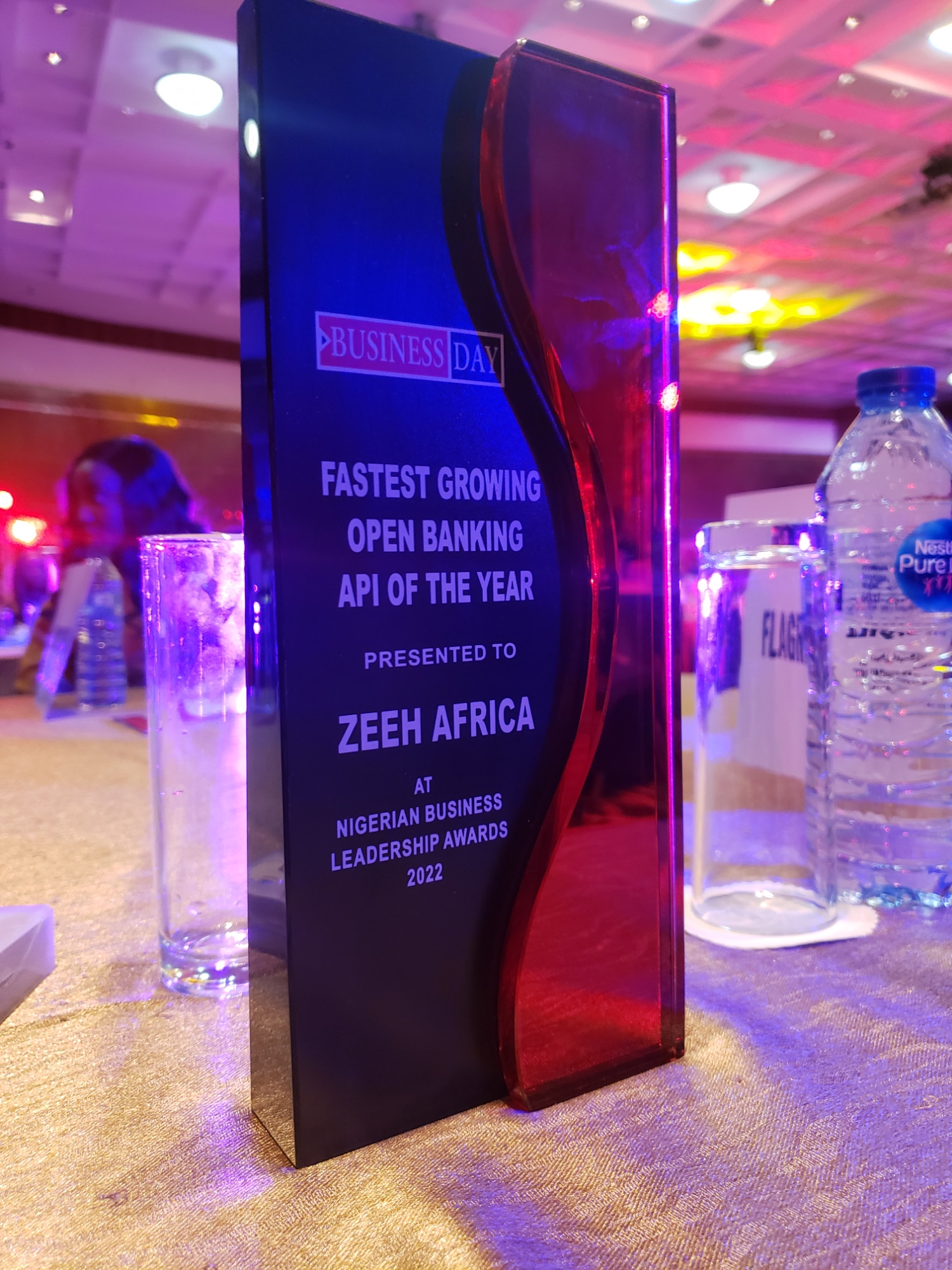
Zeeh Africa, a Tekedia portfolio company that unlocks value in financial data for people and businesses in Africa, has relaunched its Direct Debit feature.

The update aims to tackle one of Nigeria’s digital lending sector’s biggest challenges, ensuring timely loan repayments from borrowers.

The revamped Direct Debit solution enables users to access secure, automated direct debit payments for seamless collections, helping lenders easily manage recurring payments and minimize collection risks.

Highlighting the urgency of the solution, Zeeh Africa CEO David Adeleke said,

“The irony of Nigeria’s fintech boom is that while we’ve made it incredibly easy to disburse loans, we’ve remained inefficient at collecting repayments. Manual follow-ups, failed bank transfers, and unreliable payment promises create a cycle where good borrowers get lumped with bad ones.”

Key Features of the Direct Debit Solution Include;

Automated Payment Collections

Businesses can automate recurring payments and gain access to detailed transaction records, offering insights into user spending and payment patterns.

Reduced Payment Defaults

The system helps minimize missed payments through secure, reliable direct debit processes that support consistent loan repayment.

Secure and Efficient Transactions

Direct debit enhances transaction security, reduces fraud exposure, and ensures smoother payment flows for businesses.

Fixed Recurring Payments

Enables the collection of consistent payment amounts spread across predetermined intervals.

Enhanced Security

Mandate setup requires customer authorization and consent, ensuring secure and compliant transactions.

Swift Mandate Setup and Authorization

Mandates can be created in under five minutes, enabling faster onboarding and payment processing.

Multi-Institutional Support

The platform supports mandate setup across more than 30 Nigerian commercial banks, broadening payment collection options.

The launch of this feature comes at a strategic time, following the Central Bank of Nigeria’s (CBN) Q3 2025 Credit Conditions Survey, which revealed an interesting shift in the country’s lending landscape. According to the report, lenders recorded a decrease in default rates for unsecured lending, while default rates for secured lending increased during the review quarter.

The rise in default rates highlights growing pressure on asset-backed borrowers. Secured loans, such as mortgages, auto loans, and business loans backed by collateral, are usually seen as safer for lenders. However, the Q3 data indicates that borrowers are struggling to meet repayment obligations.

Zeeh Africa, founded in 2022 by Adeleke and Frank Uwajeh, has positioned itself as a leading AI-powered cross-border financial identity and credit data infrastructure provider, trusted by financial institutions, digital banks, and fintechs to verify users, assess risk, and power inclusive credit decisions.

The company’s infrastructure grants access to real-time insights and financial data drawn from over 85 million financial records. Through secure APIs and no-code tools, Zeeh aggregates financial data, behavioral analytics, and verified identity records including NIN, BVN, and facial match into actionable intelligence.

These capabilities help partners onboard customers faster, reduce fraud, and extend credit confidently, even to thin-file or previously unbanked users.

In just a few years, the fintech company has become a key player in Africa’s open finance evolution, serving more than 65 financial institutions across Nigeria, Ghana, and Kenya, and influencing over $15.5 million in credit decisions.

As the company expands into new regions including Canada and diaspora corridors, it remains committed to unlocking financial identity for everyone, everywhere.

Perplexity Escalates “Agentic” Commerce War with PayPal Partnership

0

In a strategic maneuver designed to capitalize on the upcoming holiday spending surge, artificial intelligence startup Perplexity announced on Wednesday that it will roll out a free “agentic” shopping product for U.S. users next week.

This launch marks a significant escalation in the race to monetize AI search, moving beyond simple information retrieval to direct transaction facilitation. The initiative is anchored by a robust infrastructure partnership with PayPal, which will enable users to purchase items directly from more than 5,000 merchants without ever leaving the Perplexity search engine interface.

The core value proposition of this new offering centers on the concept of “agentic” commerce—a term increasingly used to describe AI that acts on behalf of the user rather than merely advising them. Dmitry Shevelenko, Perplexity’s chief business officer, defined this pivot by noting that while most consumers still desire the autonomy to conduct their own research, they demand a streamlined bridge between discovery and acquisition.

“The agentic part is the seamless purchase right from the answer,” Shevelenko told CNBC in an interview. “Most people want to still do their own research. They want that streamlined and simplified, and so that’s the part that is agentic in this launch.”

The “agentic” component effectively collapses the traditional sales funnel, allowing for a seamless purchase immediately following the answer to a user’s query. To achieve this, the new free product utilizes memory from a user’s previous searches to better detect shopping intent and deliver highly personalized results, an evolution from the company’s initial “Buy With Pro” offering released for paid subscribers late last year.

A critical operational shift in this launch involves the “Merchant of Record” status, a detail with significant legal and logistical implications. Under the previous “Buy With Pro” model, Perplexity acted as the intermediary that completed purchases. However, under the new framework, the merchants themselves will serve as the merchants of record.

This means the retailers will retain control over the transaction lifecycle, including customer service and returns, while utilizing PayPal’s backend architecture to process the payments. Michelle Gill, who leads PayPal’s agentic strategy, emphasized that this infrastructure includes the company’s buyer protection policies, ensuring that users remain reimbursed if problems arise—a necessary layer of trust as consumers begin transacting on novel AI platforms.

The timing and structure of this rollout place Perplexity in direct confrontation with OpenAI, which is aggressively building its own e-commerce ecosystem. OpenAI announced a similar feature called Instant Checkout in September, allowing ChatGPT users to transact directly with initial partners like Etsy, Shopify, and eventually PayPal.

A key point of divergence in their business models appears to be monetization; while OpenAI has explicitly stated it will take a fee from purchases made through its “Instant Checkout,” Perplexity has declined to share whether it will earn revenue from these transactions. This silence suggests Perplexity may be prioritizing user growth and market share over immediate monetization in the early stages of this “next era of commerce.”

What’s in it for Perplexity?

Some analysts believe that this structural change significantly de-risks Perplexity’s business model by shielding the company from three specific liabilities. First, it mitigates financial and fraud liability. In the previous intermediary model, Perplexity was exposed to chargeback risks if a user utilized a stolen credit card; now, PayPal processes the payment directly between the user and the merchant, removing Perplexity from the flow of funds. Second, it alleviates the burden of sales tax compliance. Because the merchant is now the record holder, they retain the responsibility for calculating, collecting, and remitting sales tax, allowing Perplexity to avoid the complex legal status of a “marketplace facilitator” across thousands of jurisdictions.

Finally, the shift transfers operational and product liability back to the retailer. Perplexity explicitly stated that merchants will handle processes like purchases, customer service, and returns directly.

Furthermore, Gill emphasized that PayPal’s buyer protection policies will apply to these transactions. This ensures that users remain reimbursed if problems arise, but the operational overhead of triaging returns and defective products falls on the retailer and PayPal rather than Perplexity. This pivot transforms Perplexity from a logistics-heavy reseller into a scalable technology platform.

Nokia Leans Heavily Into AI With New Strategy, Targets 60% Profit Surge by 2028

0

Nokia has laid out an ambitious reinvention plan centered on artificial intelligence, placing itself squarely in the escalating global race among the world’s biggest technology companies to dominate the next wave of digital infrastructure.

The Finnish telecoms equipment maker said the shift marks a structural reset designed to simplify its business, expand beyond its traditional markets, and ride a sector-wide belief that AI is the next major engine of corporate growth.

Beginning in 2026, Nokia will reorganize its operations into two major units. The first, Network Infrastructure, will focus on AI-powered and data-center-grade technologies such as optical networking, routing, and cloud connectivity. The second, Mobile Infrastructure, will oversee the company’s core telecoms operations, including the radio-access equipment that powers mobile networks.

The new structure will support a financial overhaul. Nokia is now targeting an annual comparable operating profit of 2.7 billion to 3.2 billion euros by 2028, up from 2 billion euros last year. That would amount to as much as a 60% jump in profitability.

The move comes as virtually every major tech company intensifies its AI push. Google, Amazon, Meta, Microsoft, Nvidia, IBM, and startups like OpenAI and Anthropic have poured tens of billions into training compute, data-center expansions, and model development. Executives across Silicon Valley now describe AI as the next major platform shift — a transformation akin to the rise of the smartphone, cloud computing, or the early internet. Nokia’s plan signals its determination not to be left behind as AI becomes the focal point of both innovation and investment.

Nokia’s strategic pivot follows a difficult period for telecom equipment suppliers, who have been hit by a global slowdown in 5G rollouts and weak capital spending from mobile operators. In search of steadier ground, the company has been building deeper ties with the cloud and AI ecosystem. Earlier this year, it acquired U.S. optical networking firm Infinera, whose technology is widely used by hyperscale cloud providers. The purchase has already boosted sales and expanded Nokia’s reach into the fast-growing data-centre connectivity market.

That expansion was reinforced when Nvidia pumped $1 billion into Nokia for a 2.9% stake, an endorsement from the most influential chipmaker in the AI boom. Nvidia’s investment signaled confidence in Nokia’s attempt to realign itself with the needs of AI infrastructure builders rather than relying solely on telecoms operators.

At Nokia’s capital markets day in New York, CEO Justin Hotard pointed out that the balance of power in global connectivity has shifted.

“The largest hyperscalers are now investing more each quarter than the largest telcos invest in a year,” he said.

Hotard noted that nine of the world’s ten biggest cloud providers now rely on Nokia technology, underscoring the company’s growing relevance beyond mobile networks.

Alongside its commercial strategy, Nokia announced plans to launch a new defense incubation unit to develop secure connectivity for Western governments — a reflection of rising geopolitical tensions and growing spending on cyber-secure communication capabilities.

The company also intends to cut operating expenses dramatically. It aims to bring group operating costs down to 150 million euros by 2028 from 350 million euros today, freeing up capital for AI-heavy infrastructure and product development.

Investors, however, were not impressed in the immediate term. Nokia shares fell as much as 6%, making it one of the weakest performers on the Stoxx 600 on Wednesday, though the stock remains up about 25% so far this year. Analysts said the sell-off stemmed from lofty expectations after the recent rally.

“Market expectations were higher after a strong share price increase,” said Atte Riikola of Inderes.

Paolo Pescatore of PP Foresight added that the strategy was not dramatically different from the company’s existing direction and warned that the AI build-out is capital-intensive with uncertain long-term returns.

Nokia’s plan aligns with the wider industry narrative that AI is now seen as the defining force of the digital economy. Every major player wants to secure a role, whether through chipmaking, cloud infrastructure, model development, or the communications backbone that keeps these systems running.

The next several years will determine whether Nokia’s repositioning itself at the heart of the AI surge is enough to transform its fortunes.