DD
MM
YYYY

PAGES

DD
MM
YYYY

spot_img

PAGES

Home Blog Page 19

A Look At the Ongoing Political Divides in Minnesota and Tim Walz Perspectives

0

Minnesota Governor Tim Walz made a sterling statement during a press conference addressing a fatal shooting involving a U.S. Immigration and Customs Enforcement (ICE) officer in south Minneapolis.

The incident occurred earlier that day when an ICE officer shot and killed a woman reportedly in her 30s during an immigration enforcement operation. Federal authorities (DHS) described it as self-defense, claiming the woman attempted to run over officers with her vehicle.

Walz and local officials disputed this account, with Walz saying he had seen video evidence and calling the federal narrative “propaganda.” He urged peaceful protests while criticizing the Trump administration’s escalated immigration operations in Minnesota, which involve thousands of agents targeting undocumented immigrants amid an ongoing welfare fraud investigation.

Walz issued a “warning order” to prepare the Minnesota National Guard for potential deployment if unrest escalates like riots similar to 2020. This is a preliminary alert for equipment checks and notifications—it is not a full activation or deployment. He also activated the State’s Emergency Operations Center.

In his remarks:

I’ve issued a warning order to prepare the Minnesota National Guard… these National Guard troops are our National Guard troops. Minnesota will not allow our community to be used as a prop in a national political fight.” He added context like: “We do not need any further help from the federal government… To Donald Trump and [DHS Secretary] Kristi Noem: You’ve done enough.

Walz emphasized the Guard would protect Minnesotans’ safety and rights, urged peaceful demonstrations, and said the state would not “take the bait” by allowing escalation into violence that could justify further federal intervention.

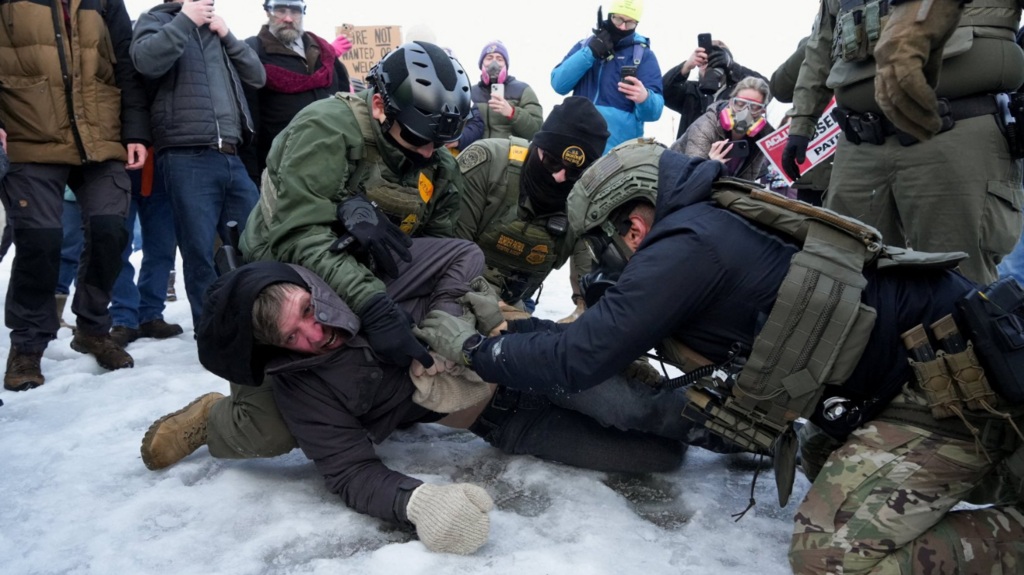
This comes amid heightened tensions from the Trump administration’s deployment of ~2,000 federal agents to Minnesota for immigration enforcement and fraud probes largely involving the Somali community. Protests followed the shooting, with some reports of unrest (e.g., damage to a federal courthouse), but no widespread riots as of now.

CBS Minnesota, confirm the quote and details, though interpretations vary: some view it as preparing to confront federal agents, others as standard precaution for public safety/order. No full Guard deployment has occurred.

Protests following the January 7 fatal shooting of a 37-year-old woman identified as Renee Good in some reports by an ICE officer have turned chaotic, with reports of rioters smashing doors at a federal courthouse and chants of “ICE OUT NOW!” Walz’s warning order prepares the Guard primarily for potential civil unrest, similar to precautions during the 2020 George Floyd protests.

He has repeatedly urged peaceful demonstrations, warning that violence could “take the bait” and justify further federal intervention. The “warning order” is a preparatory step—alerting ~13,000 Guard members for equipment checks and notifications—not an activation.

The State Emergency Operations Center is active, coordinating with local law enforcement. As of now, no widespread riots have been reported beyond isolated damage. Federal officials (DHS, ICE) claim self-defense, saying the woman attempted to run over agents.

Walz and Minneapolis Mayor Jacob Frey dispute this, citing video evidence, and call the federal account “propaganda” or “bulls**t.” Investigations by the Minnesota Bureau of Criminal Apprehension and FBI are ongoing.

Walz’s rhetoric—”We do not need any further help from the federal government… You’ve done enough” directed at Trump and DHS Secretary Kristi Noem—frames the ~2,000 federal agents’ presence as a “political fight” and public safety threat.

His emphasis on “these National Guard troops are our National Guard troops” asserts state control while the Guard remains in state status not federalized. This echoes sanctuary policies but stops short of direct interference with ICE operations.

Conservative sources interpret this as “civil war-style rhetoric” or potential obstruction of federal law (immigration enforcement). If unrest escalates and Walz deploys the Guard to prioritize local order over federal operations, it could lead to standoffs. President Trump could federalize the Minnesota National Guard under the Insurrection Act, overriding Walz—a move discussed in right-leaning media but not yet indicated.

The federal surge targets alleged multi-billion-dollar welfare fraud like child care and feeding programs involving Somali communities, with funds frozen and over 1,000 arrests reported. Walz views it as demonization; critics see state resistance as protecting fraud or sanctuary policies.

This could blueprint conflicts in other Democratic-led states/cities e.g., Chicago, LA facing similar surges. Walz called for solidarity among targeted areas. Increased fear in immigrant communities especially Somali-Minnesotans, potential for more protests, and strained local-federal coordination.

Neutral/local sources emphasize Walz’s focus on protecting constitutional rights and preventing 2020-style destruction. Political fallout: amplifies partisan divides—left-leaning views see federal actions as reckless and overreach; right-leaning as necessary law enforcement met with defiance.

No evidence of Walz intending Guard confrontation with feds; primary goal appears maintaining state control over public order. The situation remains fluid, with risks of escalation if protests intensify or federal operations continue aggressively.

Everyday Details Most People Ignore And Why They Matter

0

Everyday details most people ignore shape how life feels without anyone realizing it. These details are not dramatic moments. They are quiet signals from your habits, your environment, and your reactions. When you start noticing them, daily life becomes clearer and more manageable.

Most people believe change requires new goals or big plans. In reality, it often comes from paying attention to the small patterns that repeat each day.

The Hidden Patterns In Your Morning

Your morning routine contains clues about your stress, energy, and priorities. You may think you wake up tired, but often it is not lack of sleep. It is the rush created by unprepared evenings or immediate phone use.

How Your First Thought Directs The Day

The first thought after waking up sets an emotional tone. If it is about pressure or delay, the body tightens instantly. Noticing this gives you a chance to replace it with a calmer intention.

The Effect Of Rushing Before Breakfast

Skipping slow moments in the morning creates mental noise. People who pay attention often realize their stress does not come from work but from how they start their day.

The Quiet Signals In Your Work Habits

Work frustration often feels mysterious. Paying attention shows exactly where it comes from.

Tasks That Energize Versus Drain

Some tasks leave you focused while others exhaust you. This pattern becomes especially clear when you manage a health blog, where creative energy rises and falls throughout the day.

Why You Delay Certain Work

Avoidance is information. It usually points to confusion or missing clarity, not laziness.

What You Miss In Conversations

Everyday details most people ignore appear clearly in how others speak and pause. Conversations are not only about words. They include tone, speed, silence, and body language.

When Someone Wants Attention Not Advice

Many people offer solutions when someone is sharing feelings. Attention shows that listening without fixing builds stronger connections.

The Meaning Of Silence

Silence after a sentence is not empty. It often carries hesitation, doubt, or reflection. When you notice it, your responses become more thoughtful.

Messages Hidden In Your Living Space

Your environment is a mirror of your mental state. Everyday details most people ignore become obvious when you pause and observe.

Items You Always Search For

If you lose the same things every day, it is not memory. It is lack of a fixed home for them.

How Visual Clutter Creates Stress

A crowded desk does not just look messy. It competes for your attention and drains focus silently, which becomes obvious when you are managing a broad platform like priceless magazine that demands deep concentration.

Details Your Body Is Always Sharing

Your body communicates constantly, but most people are too busy to notice.

Posture And Emotional State

Slouching restricts breathing and reduces confidence. Standing upright changes how you feel within minutes.

Hunger Or Habit

Not every craving is hunger. Many people eat when bored or tired. Awareness changes this automatically.

Distractions You Do Not Realize Exist

Most distractions do not announce themselves.

The Moment You Reach For Your Phone

This movement often happens before you feel bored. Noticing it gives you control back.

The Sound That Breaks Focus

There is usually one background noise that constantly disrupts concentration. Identifying it improves productivity immediately, especially when you are compiling lists such as things that are 8 inches long, where sustained focus is essential.

Emotional Clues You Overlook Daily

Feelings appear in the body before they become thoughts.

Tension In Shoulders And Jaw

Tight muscles are early stress signals. Ignoring them lets stress grow unnoticed.

Relief After Setting Boundaries

Pay attention to how calm you feel after saying no. That feeling is information about your real limits.

Why These Details Change Everything

Life improves not because you chase perfection but because you finally see what has always been there. Everyday details most people ignore are quiet teachers. When you notice them, your decisions become clearer, your habits lighter, and your days smoother.

Polymarket To Integrate Prediction Technologies Across Dow Jones Platforms

0

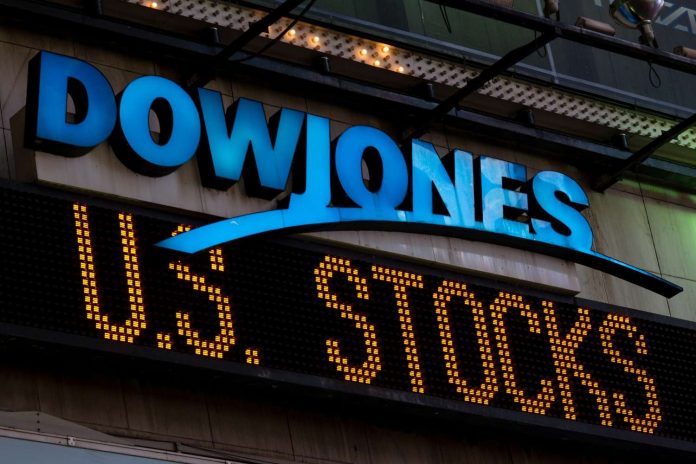
Polymarket announced an exclusive partnership with Dow Jones, the publisher of The Wall Street Journal, to integrate its real-time prediction market data across Dow Jones platforms, including WSJ, Barron’s, MarketWatch, and Investor’s Business Daily.

This data, which reflects crowd-sourced probabilities on future events like elections, sports, and financial outcomes, will appear in digital stories and select print editions to provide readers with additional market sentiment insights alongside traditional reporting.

Polymarket’s CEO, Shayne Coplan, described it as a “monumental step for institutional adoption,” noting that such a collaboration with major legacy media outlets seemed unlikely just a year prior.

The partnership builds on Polymarket’s growing mainstream traction, following integrations with platforms like X and Yahoo Finance, and aims to blend decentralized prediction markets with established financial journalism.

This move could accelerate the normalization of prediction markets in traditional finance, potentially driving higher user engagement and volumes on Polymarket while offering Dow Jones audiences a novel tool for gauging event probabilities.

Chainlink, a partner of Polymarket, congratulated them on the deal, highlighting its significance for the crypto ecosystem. This deal, announced marks a pivotal moment for prediction markets, bridging decentralized crypto platforms with legacy financial media.

Prediction markets are now positioned as a credible financial indicator alongside traditional tools like polls, analyst forecasts, and economic data.

By embedding Polymarket’s real-time probabilities into WSJ articles, Barron’s, MarketWatch, and print editions, it normalizes “skin-in-the-game” crowd wisdom over opinion-based reporting. This follows Polymarket’s prior integrations with X, Yahoo Finance and counters rivals like Kalshi’s CNN deal, giving Polymarket exclusivity in high-prestige financial journalism.

Readers gain a new layer: market-implied odds on events e.g., Fed rate hikes, corporate earnings beats, elections. Features like a custom earnings calendar will show probabilities of companies exceeding expectations, potentially outperforming traditional analyst consensus due to financial incentives aligning predictions.

Shifts focus from “what experts think” to “what people bet on,” often more accurate as capital risks drive better forecasting. Massive visibility boost: Exposure to millions of WSJ/Dow Jones readers could drive user sign-ups, trading volume already >$10B in late 2025, and liquidity.

Accelerates institutional adoption—Polymarket CEO Shayne Coplan called it “monumental,” unimaginable a year ago. Strengthens Polymarket’s lead in the sector, building on U.S. relaunch post-2022 CFTC settlement.

Signals growing TradFi embrace of blockchain-based tools, potentially attracting hedge funds/institutions to use prediction markets for hedging sentiment on politics, macro events, or earnings. Could diminish reliance on traditional polling already declining post-2024/2025 elections where prediction markets proved superior.

Positive for crypto ecosystem: Highlights decentralized platforms’ real-world utility, following partnerships like xAI/Grok integration. Regulatory scrutiny may intensify—prediction markets face ongoing debates over gambling vs. hedging classifications.

Media bias concerns: Integrating betting odds into journalism could blur lines, though it adds transparency via verifiable on-chain data. This partnership accelerates the shift toward probability-based truth discovery in finance and news, potentially making 2026 a breakout year for prediction markets. It’s a clear win for institutional credibility and user growth.

Polymarket data is poised to appear in real-time across high-traffic platforms like WSJ.com, Barron’s, MarketWatch, and Investor’s Business Daily, exposing millions of traditional finance readers to crowd-sourced probabilities.

This exclusivity positions Polymarket as a primary indicator alongside polls and analyst forecasts, with features like a dedicated earnings calendar showing odds on companies beating expectations.

Community reaction on X is overwhelmingly positive: Traders and analysts describe it as “mainstream af,” a “huge win for on-chain data,” and a signal that “prediction markets just crossed fully into TradFi.”

Polymarket’s 24-hour trading volume shows strength at ~$195M up 13.8% recently, contributing to broader platform metrics like $15B+ cumulative volume. The deal aligns with ongoing recovery: Open interest at ~$253M, and diverse markets like Fed decisions, sports, geopolitics seeing high activity.

Analysts note this could accelerate user inflows from institutional and retail audiences trusting WSJ as a “source of truth,” potentially driving sign-ups and liquidity in non-election periods.

OpenAI Introduces ChatGPT Health, A New Dedicated Experience For Personalized Health And Wellness Support

0

OpenAI has introduced ChatGPT Health, a dedicated experience within ChatGPT designed to help people better understand, manage, and navigate their health and wellness.

This new feature securely combines users’ personal health information with ChatGPT’s intelligence, enabling more informed, relevant, and personalized conversations while prioritizing privacy, safety, and user control.

As millions of people already turn to ChatGPT each week for health-related questions, ChatGPT Health marks a major step toward delivering more tailored, supportive, and secure wellness guidance for everyday life.

The feature builds on users’ behavior by offering an environment specifically designed for sensitive health information, with enhanced privacy protections, purpose-built encryption, and data isolation to ensure conversations remain secure and compartmentalized.

Announcing the rollout of ChatGPT Health, the OpenAI wrote via a blogpost,

“We’re introducing ChatGPT Health, a dedicated experience that securely brings your health information and ChatGPT’s intelligence together, to help you feel more informed, prepared, and confident navigating your health.”

ChatGPT Health is currently rolling out to a limited group of early users, with plans to expand access in the coming weeks. Users on Free, Go, Plus, and Pro plans outside the EEA, Switzerland, and the UK are eligible for early access.

Today, health data is often scattered across multiple platforms apps, portals, PDFs, wearables, and medical notes making it difficult for individuals to see the full picture of their wellbeing. ChatGPT Health brings these sources together, allowing users to securely connect medical records and wellness apps such as Apple Health, Function, and MyFitnessPal.

With these connections, ChatGPT Health can help users interpret lab results, prepare for doctor appointments, understand lifestyle patterns, explore nutrition and fitness insights, and evaluate insurance options based on personal health trends. However, the experience is designed to support not replace clinical care, empowering users to feel more informed and prepared for conversations with healthcare professionals.

Privacy and Security at the Core

Recognizing the deeply personal nature of health data, OpenAI has built ChatGPT Health with multiple layers of protection. All conversations are encrypted by default, both at rest and in transit. Health adds additional safeguards, including specialized encryption and data isolation.

Health exists in its own dedicated environment, where chats, files, and connected apps are stored separately from other ChatGPT conversations. While limited non-health context such as lifestyle changes may be used to improve relevance, health data never flows into non-health chats. Users can review, manage, or delete Health memories at any time.

Users can also choose to connect their medical records and wellness apps to ChatGPT Health. In the U.S., OpenAI partners with b.well, a secure healthcare data network, to enable access to trusted medical providers. Users can revoke access at any time.

Built with Physicians

ChatGPT Health was developed in close collaboration with over 260 physicians across 60 countries and multiple specialties. Their feedback provided more than 600,000 times has shaped how the system responds to health questions, emphasizing clarity, safety, appropriate escalation, and responsible guidance.

The system is evaluated using HealthBench, a physician-informed framework that assesses responses based on real-world clinical standards rather than simple accuracy tests. This ensures ChatGPT Health is helpful for tasks such as explaining lab results, summarizing care instructions, preparing appointment questions, and interpreting wearable data.

Outlook

As ChatGPT Health expands to more users globally, it is expected to play a growing role in how individuals interact with and understand their personal health data.

By centralizing fragmented medical and wellness information into a single, intelligent interface, the platform could help users become more proactive, informed, and engaged in their care journeys.

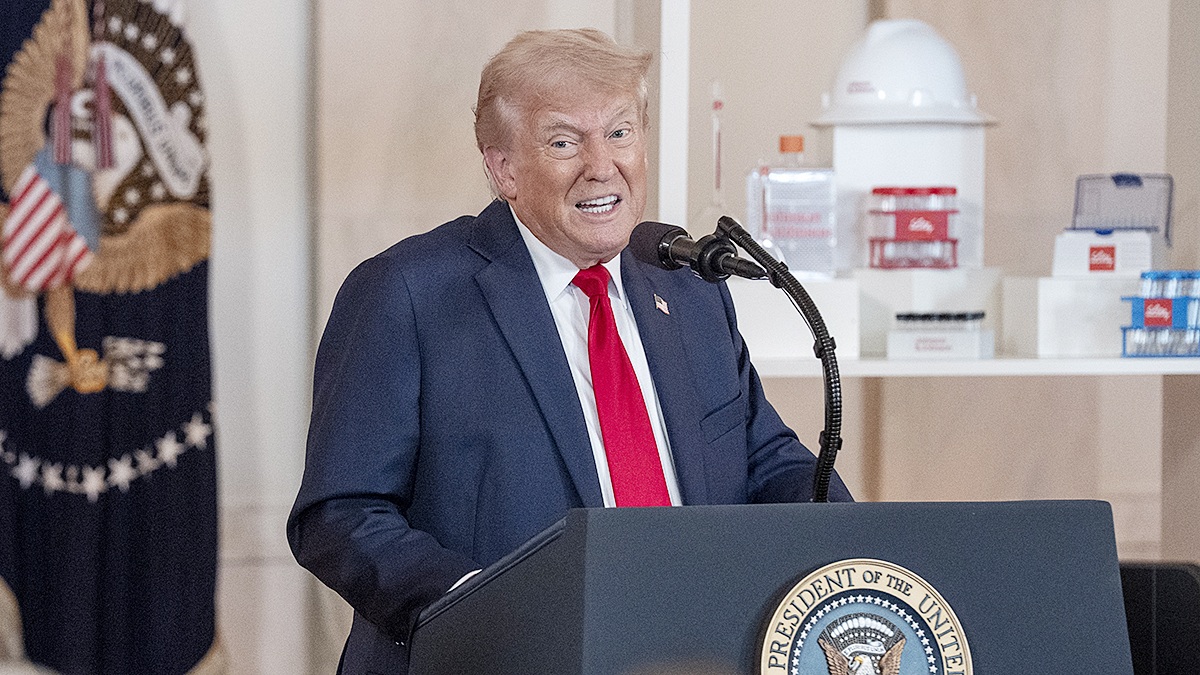
President Trump’s Order to Cease Funding 66 International Organizations Creates Loops on U.S. Foreign Policy

0

President Donald Trump signed a Presidential Memorandum directing U.S. executive departments and agencies to cease participation in and funding for 66 international organizations deemed no longer to serve American interests. This breaks down as: 35 non-UN organizations, 31 UN-affiliated entities.

The action follows a review of U.S. involvement in intergovernmental organizations and aims to end taxpayer funding for entities seen as advancing “globalist agendas” over U.S. priorities.

Reports from sources like Reuters, others confirm the signing, though the White House briefly posted and then removed details, and no full list of the specific organizations was publicly released at the time. This aligns with Trump’s “America First” policy, building on prior withdrawals from WHO, Paris Agreement, and certain UN bodies during his second term.

The U.S. withdrawal from 66 international organizations— 31 UN-affiliated and 35 non-UN marks a significant escalation of America First isolationism, with profound short- and long-term effects on global diplomacy.

The move signals a broad retreat from multilateralism, building on prior withdrawals. It diminishes U.S. influence in global standard-setting on issues like climate, labor, population, and human rights, which the administration labels as promoting “woke” or “globalist” agendas.

Experts and reports from AP, and Washington Post describe it as a further erosion of post-WWII institutions the U.S. helped build, weakening collective responses to transnational challenges.

For instance, exiting the UNFCCC underlying the Paris Agreement hampers international climate negotiations and gives other nations an “excuse” to delay emissions reductions, per climate scientists.

Strain on Alliances and Trust

Allies view this as rattling transatlantic and global partnerships, especially amid concurrent U.S. actions like threats regarding Greenland, military operations. European sources express alarm over declining U.S. reliability, prompting calls for greater EU autonomy in defense and diplomacy.

The decision reinforces perceptions of U.S. unpredictability, potentially pushing partners toward alternative frameworks like stronger EU-China ties on climate or trade. The administration aims to redirect resources to bodies where U.S.-China competition is direct seeking to counter Chinese influence.

However, critics argue the withdrawals create vacuums that China and Russia can fill, enhancing their soft power in global governance. In UN-related entities, reduced U.S. funding may force program cuts, indirectly benefiting authoritarian narratives against “Western-dominated” institutions.

Supporters frame it as ending wasteful spending on “mismanaged” or “redundant” entities that threaten U.S. sovereignty. No widespread public international support is evident in early reporting; instead, regret from UN agencies and concerns over weakened global cooperation dominate.

This aligns with a transactional, unilateral approach, prioritizing bilateral deals over multilateral commitments. It could accelerate fragmentation of the liberal international order, complicating diplomacy on issues requiring U.S. buy-in such as health pandemics, climate finance.

While the U.S. retains core engagements like UN Security Council veto, the scale—66 entities—represents the most sweeping disengagement in modern history, likely reshaping global diplomacy toward a more multipolar, less cooperative landscape. Effects will unfold over months and years as funding ceases and participation ends.

U.S. now fully outside UNFCCC/IPCC frameworks building on Paris Agreement exit effective Jan 27, limiting influence on trillions in global investments and clean energy standards—potentially ceding ground to China in renewable tech.

Immediate directives to cease contributions where lawful; reports of looming UN staffing cuts and NGO project closures, echoing prior aid slashes. Withdrawal from Senate-ratified treaties like UNFCCC may face challenges; experts anticipate lawsuits over unilateral executive action.

This sweeping move—described as the largest U.S. disengagement from multilateralism in history—accelerates a transactional, unilateral foreign policy. Heightened tensions with allies, reduced U.S. soft power.

Fragmented global cooperation on transnational issues, with effects compounding as withdrawals formalize in coming months. Developments remain fluid amid ongoing reviews of additional entities.