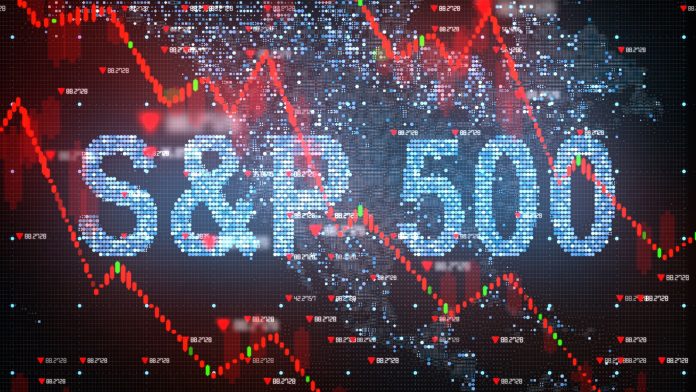
Wall Street edged closer to a historic milestone as the S&P 500 closed just 20 points below its previous all-time high, fueled by growing optimism that a new peace agreement involving Iran could reduce geopolitical tensions in the Middle East.
The rally reflected a broad shift in investor sentiment, with traders moving back into risk assets as fears of an extended regional conflict began to ease.
Markets have spent much of the year reacting to uncertainty surrounding geopolitical flashpoints, inflation, and central bank policy.
The latest developments surrounding Iran, however, introduced a rare wave of optimism. Reports suggesting that negotiations toward a new peace framework are progressing encouraged investors to believe that one of the world’s most significant geopolitical risks may be entering a more stable phase.
Energy markets were among the first to respond. Oil prices softened as expectations of reduced military tensions lowered concerns about supply disruptions in the Persian Gulf, one of the world’s most important energy corridors.
Lower oil prices are generally welcomed by equity investors because they ease inflationary pressures, reduce costs for businesses, and improve consumer purchasing power. Those factors collectively strengthen the outlook for corporate earnings and economic growth.
The S&P 500’s strong performance was broad-based, with technology, financial, industrial, and consumer discretionary stocks contributing to the advance.
Technology companies continued to attract investors due to their exposure to artificial intelligence, cloud computing, and digital infrastructure, while industrial firms benefited from expectations of stronger global trade if geopolitical risks continue to decline.
Investor confidence has been supported by resilient economic data. Despite higher interest rates over the past two years, the U.S. economy has remained remarkably durable. Employment has stayed relatively strong, corporate profits have exceeded many analysts’ expectations, and consumer spending has continued to support growth.
These fundamentals have provided a solid foundation for equities even during periods of heightened uncertainty. The possibility of a diplomatic breakthrough with Iran carries significance beyond financial markets.
Reduced tensions could improve global trade flows, stabilize commodity markets, and lessen the risk premium that investors have attached to assets over recent months. While negotiations remain delicate and any agreement would still require careful implementation.
Markets often respond well before political agreements are formally completed. Analysts caution that volatility remains a possibility. Peace negotiations are rarely straightforward, and unexpected developments could quickly reverse investor sentiment.
Additionally, markets continue to monitor the U.S. Federal Reserve’s policy decisions, inflation trends, and upcoming corporate earnings reports. Any disappointment in these areas could temporarily slow the current rally.
For long-term investors, the market’s approach toward a new all-time high demonstrates the resilience of U.S. equities. Even after navigating geopolitical conflicts, elevated interest rates, banking sector concerns, and economic uncertainty, the benchmark index has continued to recover.
This resilience highlights investors’ confidence in the long-term earnings potential of leading American companies. Should diplomatic progress continue and macroeconomic conditions remain supportive.
The S&P 500 may soon surpass its previous record and establish a fresh all-time high. Such a milestone would not simply represent a symbolic achievement but would reinforce confidence that financial markets can continue advancing despite periods of global uncertainty.
For investors worldwide, the combination of easing geopolitical tensions and resilient economic fundamentals offers renewed optimism that the current bull market still has room to run.