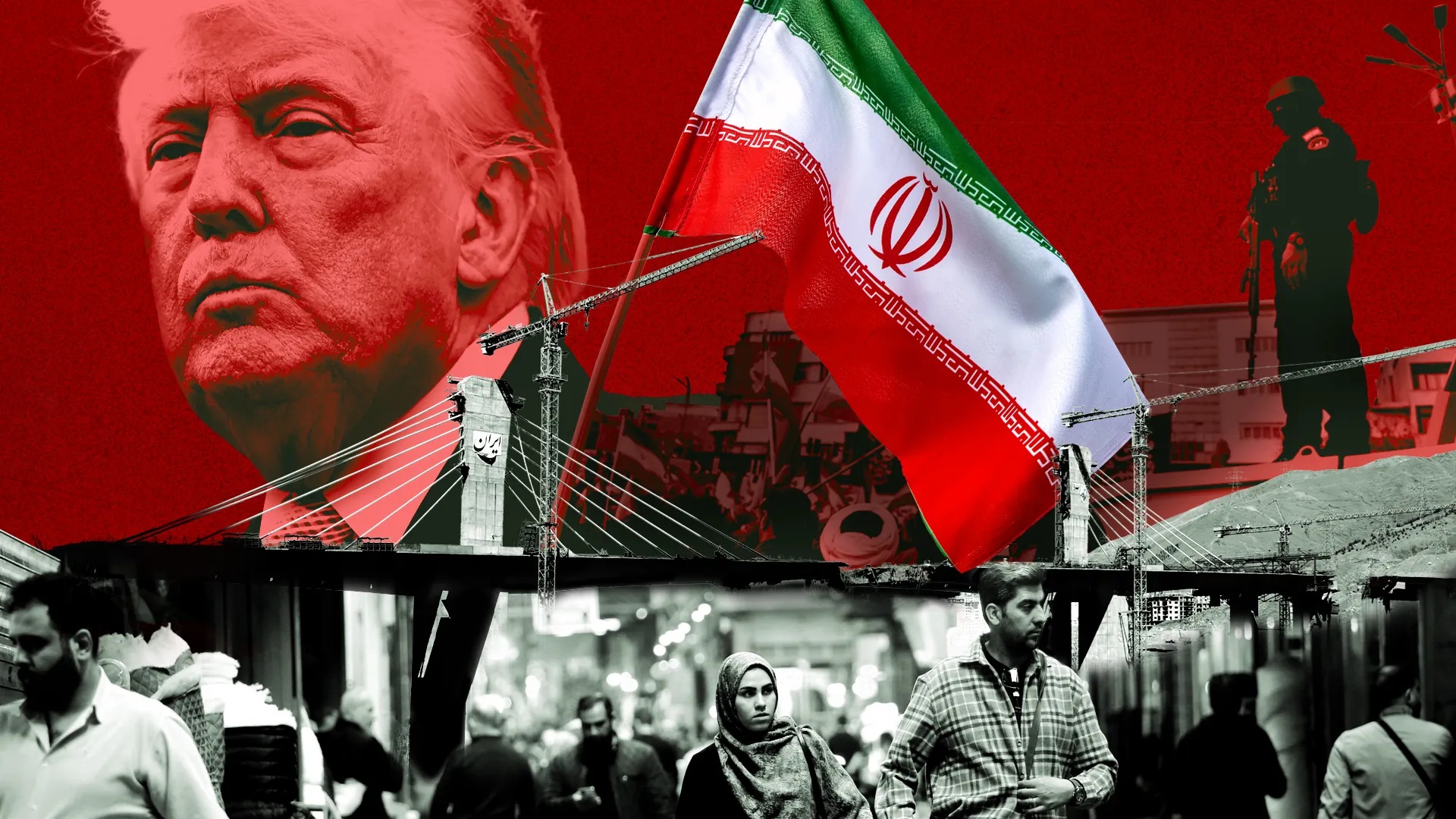
The prospect of a U.S.-Iran nuclear agreement collapsing has moved from diplomatic uncertainty to a potentially dangerous phase of military escalation.
On August 17, 2026, the 60-day deadline established under the June memorandum of understanding expired without a broader settlement.
The agreement was intended to halt hostilities, reopen the Strait of Hormuz and create a framework for negotiations over Iran’s nuclear program. Instead, mutual accusations of violations have left the diplomatic process badly weakened.
The immediate concern is that the collapse of diplomacy could create a vacuum in which military calculations dominate. Iran has warned that it could escalate if Washington does not implement the interim arrangement, including measures connected to the Strait of Hormuz.
Reuters reported on Monday that a senior Iranian official warned of possible military action if the United States fails to make progress within weeks. Washington, meanwhile, is maintaining an uncompromising position on Iran’s nuclear ambitions.
President Donald Trump has demanded Iranian surrender and reiterated that preventing Tehran from obtaining a nuclear weapon is a central objective. At the same time, Trump has confirmed that a direct backchannel involving Iran’s Islamic Revolutionary Guard Corps exists, suggesting that diplomacy has not completely disappeared despite the public confrontation.
The most alarming claim now circulating is that U.S. officials are discussing the possible use of nuclear weapons against Iran. That allegation requires considerable caution. Former U.S. Representative Marjorie Taylor Greene has claimed that high-level discussions about potential nuclear weapons use are taking place.
But reports say she provided no evidence for the assertion. Therefore, it should not be presented as an established U.S. policy decision. Nevertheless, even an unverified claim of this nature illustrates how rapidly the strategic environment has deteriorated.
Any serious discussion of nuclear use would represent an extraordinary escalation, carrying consequences far beyond the immediate U.S.-Iran battlefield. It could trigger regional proliferation pressures, intensify attacks on American and allied interests, disrupt energy markets and fundamentally alter international perceptions of the nuclear taboo.
The danger is amplified by the strategic importance of the Strait of Hormuz. Shipping through the waterway has already slowed dramatically, while oil markets are monitoring the possibility of prolonged disruption.
Reuters reported that Brent crude was around $88.58 a barrel on August 17 as stalled peace talks and uncertainty over Hormuz continued to influence markets. The collapse of the June framework does not necessarily mean diplomacy is finished.
Oman remains an important intermediary, and reports indicate that channels between Washington and Tehran continue even as the public rhetoric becomes harsher. The existence of backchannel communication may provide the narrowest path toward de-escalation at precisely this moment.
For markets and policymakers, the immediate lesson is that the probability of a clean diplomatic resolution has fallen. The nuclear issue is now intertwined with sanctions, military deployments, Hormuz, regional security and competing demands over sovereignty and reparations.
A failed agreement could therefore become more than a diplomatic setback: it could become the trigger for a wider confrontation. The central question is no longer simply whether Washington and Tehran can negotiate a nuclear deal.
It is whether both governments can prevent the collapse of diplomacy from becoming a self-reinforcing cycle of retaliation. With military pressure rising and extraordinary nuclear-use allegations circulating without substantiation, the margin for miscalculation is becoming dangerously thin.