DD
MM
YYYY

PAGES

DD
MM
YYYY

spot_img

PAGES

Home Blog Page 2236

Canada Seeks New Export Markets To Circumvent Future US Tariffs

0

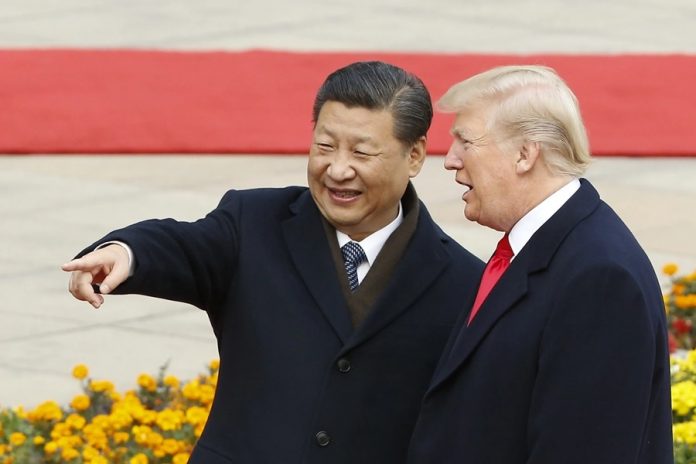
Canadian Prime Minister Justin Trudeau is urging the country to reduce its deep-rooted economic dependence on the United States, a move that aligns with concerns expressed by U.S. economists about the long-term impact of protectionist trade policies.

This comes as Trudeau secured a temporary reprieve from U.S. tariffs after a direct conversation with U.S. President Donald Trump, highlighting the growing uncertainty in trade relations between the two neighbors.

Trudeau, who has been a vocal critic of U.S. trade barriers, is now pushing for Canada to expand its trade footprint by fostering stronger partnerships with other global markets. He’s expected to convene an economic summit in Toronto on Friday, bringing together top business executives, policy analysts, and labor unions to deliberate on how Canada can break free from its reliance on the American market.

“The goal is to make it easier to build and trade within our borders and diversify export markets,” Trudeau told reporters yesterday.

The Canadian move underscores growing concerns among U.S. economists who have long warned that Trump’s tariff-heavy policies could end up harming America more than its trading partners. The imposition of a 25% tariff on most Canadian imports—excluding energy products, which face a 10% levy—sent shockwaves through the Canadian economy, but experts argue that it could also deal a heavy blow to the U.S. itself.

Economists have repeatedly cautioned that such tariffs will incentivize affected countries to diversify their trade partners, effectively reducing U.S. economic leverage while compounding inflation at home. By forcing Canada, Mexico, China, and other trade partners to seek alternative markets for their goods and services, the tariffs could lead to supply shortages in the U.S., driving up the cost of imported goods and putting additional pressure on American consumers.

Parallels with BRICS Nations Seeking to De-Dollarize

Canada’s attempt to lessen its economic reliance on the U.S. mirrors a broader trend seen among BRICS nations—Brazil, Russia, India, China, and South Africa—which are actively working to reduce their dependence on the U.S. dollar in global trade. Faced with the possibility of future financial sanctions, these countries have sought to conduct more transactions in local currencies, creating alternative financial mechanisms to avoid being at the mercy of Washington’s economic policies.

For years, U.S. dominance in global trade has been underpinned by the dollar’s status as the world’s reserve currency. However, the increasing use of sanctions as a geopolitical weapon has motivated countries to explore alternatives. The same logic is now driving Canada’s push to lessen its economic reliance on the U.S., fearing that continued dependence on American markets makes the country vulnerable to abrupt policy shifts and trade restrictions.

“Buy Canadian” Movement Gains Momentum

Within Canada, the tariff dispute has ignited a nationalistic economic response. A recent poll by Angus Reid found that 91% of Canadians now support diversifying trade away from the U.S., with many actively choosing Canadian-made products over American imports. The growing “Buy Canadian” movement reflects widespread frustration with Washington’s economic policies and is rapidly gaining traction among businesses and consumers.

Public sentiment has also translated into personal financial decisions. Retired schoolteacher Carole Chandler, who had long vacationed in Florida, canceled her trip in protest against the tariffs.

“I love America and Americans,” she told the BBC. “But I don’t want to be one.”

Energy Infrastructure: Canada’s Weak Spot

Despite Canada’s drive to pivot away from U.S. markets, some industry leaders believe that the country’s energy infrastructure remains inadequate for expanding exports beyond North America. Dissents have blamed Trudeau’s government for failing to develop enough oil and gas pipelines, which would allow Canada to export energy resources directly to international markets rather than relying on U.S. refineries.

While Canada did complete the long-delayed Trans Mountain Expansion pipeline in May last year, experts say it is not enough. Adam Waterous, CEO of Strathcona Resources, Canada’s fifth-largest oil producer, warned that regulatory red tape continues to stifle progress.

“If we cut the red tape, we could have a pipeline built in two years,” he said, stressing that Canada must accelerate infrastructure projects to truly diversify its trade.

FDIC Revises Guidance to Allow US Banks Engage in Crypto Activities

0

The FDIC is revising its guidance to allow banks to engage in crypto-related activities without prior approval, including crypto custody and tokenized deposits. This move, reflecting a broader crypto-friendly policy shift, has led to a positive market response and could increase institutional involvement in cryptocurrencies while still requiring adherence to safety and regulatory standards. US Banks might now offer crypto custody services, including holding cryptocurrencies for clients or facilitating crypto transactions. There’s also talk of “tokenized deposits,” where traditional checking accounts could be integrated with blockchain technology.

The revised rules suggest that banks can engage in certain crypto activities without the previous requirement of getting explicit regulatory permission beforehand. This move aims to streamline processes and encourage bank involvement in the crypto sector. Following the announcement, there was an immediate positive market response, with significant increases in the trading volumes and prices of major cryptocurrencies like Bitcoin and Ethereum. This indicates a bullish sentiment towards regulatory clarity and institutional participation in the crypto market.

The FDIC has historically been cautious about crypto assets, focusing on risks like credit, liquidity, market, and operational risks. The new guidance seems to address past regulatory hurdles by providing a framework for banks to navigate these risks while engaging in crypto activities. This change aligns with other regulatory bodies like the USSECGOV, which has also shown a shift towards more crypto-friendly policies, especially with the revocation of certain rules like SAB 121.

This new FDIC template could lead to a significant transformation in how banks interact with cryptocurrencies, potentially leading to more institutional money flowing into the crypto market, enhancing its mainstream acceptance. However, banks will still need to adhere to safety and soundness standards, manage consumer protection, and comply with anti-money laundering regulations.

Banks engaging in crypto activities can significantly boost mainstream adoption by providing a trusted gateway for individuals and businesses to interact with cryptocurrencies. Institutional involvement can lead to increased liquidity in crypto markets, potentially reducing volatility and adding stability due to the large capital reserves and risk management strategies of banks.

Banks can leverage blockchain technology for offering new services like tokenized assets, digital currencies, or more efficient, secure, and transparent payment systems. By integrating cryptocurrencies, banks could expand their services to the unbanked or underbanked, leveraging the global and accessible nature of digital currencies. New products and services related to crypto can open up additional revenue streams for banks, from custody services to trading platforms.

Here are the key risks associated with crypto custody

Both hot (online) and cold (offline) storage solutions are vulnerable to cyberattacks. Hot wallets are particularly at risk due to their internet connectivity. For cold storage, physical theft or loss of hardware wallets can lead to permanent loss of assets. If private keys are lost or forgotten, assets can be irretrievably lost since there’s no central authority to recover them.

Exposure to cryptocurrencies introduces banks to a highly volatile asset class, which could affect their balance sheets or lead to significant losses if not managed properly. Managing crypto custody, dealing with blockchain technology, or integrating with decentralized systems requires new operational frameworks, potentially leading to errors or inefficiencies.

Any association with crypto scandals or market downturns could tarnish a bank’s reputation, especially if they’re perceived as endorsing risky or speculative investments. If banks hold large amounts of cryptocurrencies or are heavily involved in crypto markets, there’s a risk of systemic impact should the crypto market experience significant turmoil.

Sudden changes in regulations could affect how custodians operate or even the legality of holding cryptocurrencies in certain jurisdictions. Compliance: Non-compliance with laws like AML (Anti-Money Laundering) and KYC (Know Your Customer) can lead to legal issues for both custodians and clients.

Nigerian Port Authority Increases Port Charges by 15%, Stirring Higher Inflation

0

The Nigerian Ports Authority (NPA) has announced a 15% increase in port charges, marking the first tariff adjustment in three decades. The agency argues that the move is necessary to fund infrastructural improvements, modernize equipment, and enhance efficiency at the nation’s ports.

Dr. Abubakar Dantsoho, Managing Director of the NPA, made the announcement during a maritime stakeholders’ meeting held in Lagos. He was represented by Mr. Olalekan Badmus, the Executive Director of Marine and Operations, who explained that while the new rates had already been approved by the Federal Government, the agency deemed it necessary to consult stakeholders before implementation.

According to Badmus, the upward review was long overdue, as the current rates had remained unchanged since 1993 despite significant economic changes over the years.

“Though the NPA rates review has already been approved by the Federal Government, the management decided to meet with stakeholders on the issue out of the desire to carry everyone along,” Badmus said.

He further justified the decision, stating that the increased charges were needed to address critical issues such as aging port infrastructure, outdated equipment, and the slow pace of expansion, all of which have hindered efficiency and reduced Nigeria’s competitiveness in the maritime sector.

However, the decision has been met with apprehension, particularly as it comes at a time when Nigeria is battling record-high inflation, which has significantly eroded the purchasing power of its citizens.

For months, Nigerians have struggled under the weight of rising costs, with inflation currently hovering around 35%. One of the major drivers of this economic hardship has been the soaring cost of clearing goods at the ports, a situation largely attributed to exorbitant fees charged by the Nigerian Customs Service (NCS).

Importers and business owners have long complained that excessive port charges, coupled with delays and bureaucratic bottlenecks, drive up the prices of goods before they even reach the market. The latest increase by the NPA, many fear, will only make matters worse.

However, Maritime expert Joshua Asanga acknowledged that inflation has significantly eroded the value of NPA’s current tariff structure over the past three decades. He noted that port operations—including labor costs, fuel, and maintenance—have risen sharply, making a tariff review inevitable. However, he also expressed concerns about whether the additional revenue would be used effectively.

“We cannot deny that port operation costs have increased substantially over the years, yet the NPA tariffs have remained unchanged. But the question Nigerians are asking is: Will this increase translate to better services, or is it just another cost burden on businesses and consumers?” Asanga remarked.

Similarly, another industry player, Demian Ukagu, stressed the need for the additional revenue to be channeled into tangible improvements. He pointed out that Nigeria’s port system continues to lag behind those of neighboring countries such as Ghana and the Benin Republic, where faster turnaround times and better infrastructure have made them preferred alternatives for international shipping.

“The NPA should ensure that this increase leads to real infrastructural development. There should be investment in outer port facilities like the Kirikiri 11Lighter Terminal and critical maritime infrastructure across the country. Otherwise, we will only be increasing costs without solving the core problems,” Ukagu warned.

Despite the attempts to justify the hike, the fear among Nigerians remains that this increase will worsen the hardship already being faced by millions. With inflation already at a record high and businesses struggling to manage costs, the last thing many expected was a new financial burden at the ports.

Some argue that instead of focusing on revenue generation, the government should be looking for ways to reduce costs and inefficiencies in the port system.

The announcement has reignited broader concerns about Nigeria’s economic policies, with many accusing policymakers of failing to address the real issues affecting trade and commerce. Being critical of the increase, many urge the government to, instead of increasing charges without offering corresponding improvements in service delivery, take meaningful steps to reduce red tape, simplify customs procedures, and enhance operational efficiency.

While Nigerians brace for the impact of the tariff hike, experts warn that without clear accountability and strategic investments in port infrastructure, the NPA’s decision may do more harm than good in an economy already struggling under the weight of inflation and rising costs.

Cardano (ADA) and Ripple (XRP) Traders Are Betting on This Emerging AI Crypto for a 44,000% Upside

0

Cardano (ADA) and Ripple (XRP) have long been dominant forces in the crypto market, offering robust systems and real-world utility. However, their recent price action has been relatively slow compared to newer, high-growth opportunities. Now, traders of both tokens are looking for the next altcoin that can deliver exponential gains.

One altcoin catching their attention is RCO Finance (RCOF), an AI crypto offering innovative AI features and real-world utility poised for a staggering 44,000% surge. With AI revolutionizing various industries, RCOF’s next-gen DeFi solutions show it could outperform ADA and XRP.

Why Cardano (ADA) and Ripple (XRP) Traders Are Looking for New Opportunities

Despite their strong market positions, Cadano ($0.75) and XRP ($2.56) face several challenges limiting their capacity to deliver explosive gains.

Cardano is a highly secure and scalable blockchain, yet its price movement has remained relatively slow and steady compared to some of its competitors. This is because of its slow developmental pace and market maturity. Because Cardano lacks the rapid price appreciation that many traders seek they are pivoting to new cryptos.

As for Ripple’s XRP, its unresolved regulatory case has put off investors and impeded its growth. While Ripple’s recent victories have helped it stabilize XRP’s prices, many investors, especially institutions, are hesitant to fully commit until the uncertainty surrounding XRP is resolved.

With the rise of AI, the crypto market has seen an explosion of new altcoins integrating this technology. These AI cryptos are offering more innovation and utility than Cardano and XRP, creating fierce competition for the tokens and stealing investors from them. thi

RCO Finance (RCOF): The Emerging AI Crypto with 44,000% Growth Potential

Where Cardano and XRP’s growth is slowing, RCO Finance is emerging as a high-growth altcoin offering AI features, real-world asset integration and 44,000% growth potential.

This AI crypto’s core offering is its innovative AI robo-advisor. It uses AI machine learning to provide personalized investment strategies, real-time market insights, and predictive analytics to guide users toward the best investment opportunities. The AI tool analyzes historical and current market data to craft custom investment strategies tailored to your risk profile and financial goals.

For example, if you are a conservative investor, the AI robo-advisor might recommend a mix of stable assets like bonds and blue-chip stocks, along with a smaller allocation to high-growth cryptos. On the other hand, if you have a high-risk appetite, the AI can identify trending low-cap altcoins like DEEPSEEKAI and Raydium (RAY), short-term swing trades, and DeFi yield farming opportunities with high APY.

The robo-advisor’s data-backed insights empower your decision-making by helping you make smarter choices and optimize your investment strategy for maximum returns. Its automated portfolio management feature lets it rebalance your portfolio in response to market changes. This feature’s hands-off approach saves you time and effort, allowing you to maintain profitability while mitigating risk.

This AI crypto offers access to over 120,000 tradable assets, including real-world assets (RWAs) like ETFs, bonds, commodities and real estate, providing diversified exposure across multiple asset classes. This inclusivity is a game changer as it offers diversity and stability all in one platform.

The platform’s deflationary tokenomics add a layer of sustainability to its growth. RCOF reduces its circulating supply by regularly burning tokens, creating scarcity and driving value appreciation over time. This model ensures that RCOF’s growth is not only rapid but also sustainable, rewarding long-term holders with exponential gains.

RCOF operates within a KYC-free financial ecosystem, allowing users to participate without fulfilling strict KYC requirements. This feature promotes global participation without compromising user privacy or locking users out due to their geographical location.

SolidProof has audited this AI crypto’s smart contracts and codebase to certify they are free of vulnerabilities. This audit guarantees a high standard of security, instilling confidence among investors.

To demonstrate its commitment to innovation, RCOF has launched a beta platform where users can experience its features firsthand. This beta version has been a big hit, with over 10k users already using the platform. Want to see the robo-advisor in action? Try it out here.

Trade Smarter, Not Harder, With RCOF

For Cardano and XRP traders seeking higher-growth opportunities, RCO Finance presents a more lucrative alternative with higher ROI potential thanks to its low entry price, AI-driven investing and real-world asset integration. Predicted to generate 44,000% gains, this AI crypto could be your ticket to unprecedented gains.

Joining the ongoing presale is your opportunity to purchase RCOF tokens at their lowest price. Now in its 5th stage, tokens are going for $0.10, and if you join now, you also get a 40% welcome bonus to boost your overall returns. With its explosive growth rate, an investment of $1,000 could turn into $617,400.

Make the smart choice. Join the over 10k users already experiencing the RCOF difference.

For more information about the RCO Finance (RCOF) Presale:

Visit RCO Finance Presale

Join The RCO Finance Community

XLM Partners with UNDP as LDO Displays Bullish Pattern – Best Crypto to Buy Now: BlockDAG’s TG Tap Miner Goes Viral!

0

What’s the next major development in crypto? Stellar (XLM) is in the news for its collaboration with the UNDP, aiming to expand financial access using blockchain in Europe and Central Asia. Meanwhile, Lido’s strong market patterns have caught the attention of many after a significant purchase by a major player hinted at a possible price increase. As several leading projects prepare for substantial advancements, the question arises: which crypto should you acquire now before prices rise?

BlockDAG (BDAG) distinguish itself by providing a straightforward method to acquire crypto at no cost prior to its market introduction. The TG Tap Miner enables you to begin accumulating BDAG coins in merely 60 seconds—no need for costly equipment or elaborate arrangements. Numerous users are already amassing thousands of BDAG coins daily. So, why not you?

Earning BDAG Coins Becomes Easy: Explore How!

It only takes a minute to begin accumulating BDAG with the TG Tap Miner. No need for costly hardware or intricate setups—simply tap, play, and collect BDAG. Several users are gathering thousands of BDAG coins daily, and with BlockDAG’s pre-sale reaching over $193 million, early participants could see significant benefits. With plans to list on ten major exchanges, now might be the right time to get involved before the price jumps.

BlockDAG’s pre-sale has been remarkably successful in 2025, having sold 18.3 billion BDAG coins over 27 batches. The current rate is $0.0248, showing a dramatic 2,380% rise from the initial batch. Early participants are witnessing substantial gains, and with each new batch, the price continues to rise. Delaying could lead to higher costs later.

The TG Tap Miner is revolutionizing the way people mine crypto. Unlike traditional methods that require powerful hardware and significant electricity costs, this game-based approach simplifies earning BDAG. Players tap falling balls, accumulate points, and convert these into BDAG once the network is live. The best part? New sessions are available every two hours, offering multiple opportunities daily to increase your holdings.

With over 100,000 participants already mining BDAG, this opportunity is fleeting. Whether you purchase BDAG during the pre-sale or mine it for free, BlockDAG is poised to become a top crypto to acquire before it debuts on major exchanges.

Stellar (XLM) Enhances Global Finance with UNDP Collaboration

Stellar (XLM) is advancing global financial inclusion through its new partnership with the United Nations Development Programme (UNDP). This initiative aims to improve financial access across Europe and Central Asia, positioning Stellar as a pivotal blockchain network for international payments and economic advancement. The integration of Stellar’s technology into mainstream financial services broadens its impact, reaching beyond typical crypto audiences to influence global economic frameworks.

Currently, XLM’s price is at $0.3399, with a recent peak at $0.3747, indicating robust market engagement. The strengthening of partnerships and the broadening adoption of blockchain could drive further interest in Stellar. As more institutions adopt Stellar’s offerings, the demand for XLM may rise, potentially enhancing its market value in the future.

Lido’s LDO Attracts Attention with Bullish Signs and Significant Acquisition

LDO is drawing significant attention following a substantial acquisition by a prominent buyer, who purchased 1.167 million LDO tokens for $2.38 million. This move has sparked confidence in Lido’s potential for growth, particularly as LDO’s price has recently surged from a key descending channel, suggesting potential for further gains. Traders are keeping a close eye on Lido as it solidifies its role in the staking domain.

Moreover, Lido is expanding its reach by integrating stETH and wstETH with Soneium, a novel Ethereum Layer 2 solution developed by Sony Block Solutions Labs. This could increase the uptake of Lido’s liquid staking solutions, enhancing its market position. With the formation of a bullish pattern and the unfolding of strategic partnerships, expectations are set for Lido’s price to possibly rally in the near future.

The Bottom Line

The partnership between Stellar (XLM) and UNDP is propelling Stellar to the forefront of blockchain-based financial solutions. Simultaneously, the bullish behavior of LDO following significant market activity and technological integrations is capturing the market’s attention. As these developments unfold, those looking to engage with cryptos are keen to identify promising opportunities before market conditions shift.

BlockDAG differentiates itself in this domain. Its crypto presale success, with $193 million raised and a 2,380% price increase since its inception, highlights its potential. However, acquiring BDAG isn’t necessary to start earning.

The TG Tap Miner allows for mining BDAG at no cost in just 60 seconds—without the need for costly hardware or complicated processes. With over 100,000 participants already involved, now is an opportune time to start. The chance to join is fleeting, so immediate action is recommended.


Presale: https://purchase.blockdag.network

Website: https://blockdag.network

Telegram: https://t.me/blockDAGnetworkOfficial

Discord: https://discord.gg/Q7BxghMVyu