DD
MM
YYYY

PAGES

DD
MM
YYYY

spot_img

PAGES

Home Blog Page 2385

Landmark Partners with Enugu State to Transform Nike Lake Resort Amid Shift to Eastern Nigeria

0

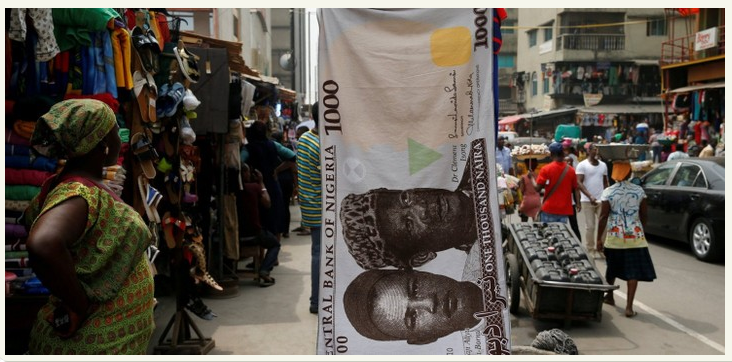
Landmark Africa Group, a prominent name in tourism and real estate, has partnered with the Enugu State Government to revitalize the 150-hectare Nike Lake Resort, aiming to create a premier tourism and leisure destination in Nigeria’s South East.

The agreement, signed on January 16, 2025, between Landmark Africa CEO Paul Onwuanibe and Enugu State Governor Peter Mbah, signifies a strategic pivot for the company following significant setbacks in Lagos.

The joint venture will see the Enugu State Government contributing Nike Lake Resort as an asset, while Landmark Africa will manage and operate the facility, transforming it into a world-class leisure destination.

Onwuanibe, speaking at the signing, expressed confidence in Enugu’s potential to become the tourism and hospitality capital of the South East and possibly Nigeria.

“We feel there is a big opportunity, not just because the state is a progressive state, but on the basis that Enugu State very much can become the tourism and hospitality capital of the South East, and probably of Nigeria,” he remarked.

Recalling the resort’s prominence during his university days in Enugu, Onwuanibe emphasized Landmark’s commitment to restoring its former glory. The project aims to combine hotel accommodations, a convention center, and a leisure tourist destination, leveraging Landmark’s expertise in creating integrated business, leisure, and lifestyle platforms.

While reports have suggested a 35-year lease agreement, neither Landmark Africa nor the Enugu State Government has released an official statement giving details of the deal.

Landmark’s Move to the East

Landmark Africa’s decision to relocate its operations to Nigeria’s eastern region stems from significant safety concerns, particularly following the demolition of its flagship Landmark Beach Resort in Lagos in 2024. The beach resort, which had become a symbol of leisure and innovation in Lagos, was demolished to make way for the Lagos-Calabar Coastal Highway, forcing the company to reevaluate its presence in the region.

The demolition underscored growing concerns about the unpredictability of large-scale investments in Lagos, particularly for businesses reliant on government cooperation.

The Nike Lake Resort project is part of Landmark Africa’s broader expansion strategy, which includes ventures in Port Harcourt and other regions across Africa. The company recently announced plans to redevelop the Port Harcourt Tourist Beach into a premier leisure and tourism destination in collaboration with the Rivers State Government.

Work on the Port Harcourt project is set to begin in the first quarter of 2025, with phased completion expected by the fourth quarter.

Landmark Africa’s shift to the East is driven by a belief that the region offers a more stable and business-friendly environment.

The partnership with Landmark Africa aligns with Governor Peter Mbah’s vision of leveraging public-private partnerships to drive economic growth in Enugu State. The revamped Nike Lake Resort is expected to attract domestic and international tourists, create jobs, and boost the local economy.

Industry insiders believe that the Enugu and Rivers State Governments, both of which have embraced Landmark Africa’s projects, are better positioned to ensure the safety and protection of the company’s investments. The collaborative nature of the agreements with these states is seen as a stark contrast to the challenges faced in Lagos, where Landmark’s operations were disrupted despite its significant contributions to the city’s economy.

In addition to its Nigerian expansion, Landmark Africa is also exploring opportunities in two other African countries and three additional Nigerian states. After receiving expressions of interest from 12 states, the company selected three for new ventures following a rigorous six-month evaluation process. Enugu and Rivers States have been confirmed, with the third state to be announced soon.

Afreximbank Launches Initiative to Provide Nigerian Airlines with 25 Dry-Leased Aircraft

0

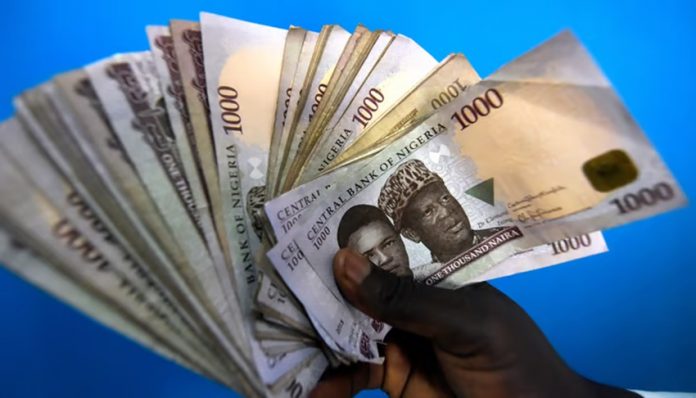
The African Export-Import Bank (Afreximbank) has announced an ambitious plan to support Nigerian airlines with 25 aircraft through its leasing subsidiary, leveraging a dry lease financing model.

This initiative, revealed by Mrs. Helen Brume, Director of Project and Asset-Based Finance at Afreximbank, during the Airline Economics Growth Frontiers Global conference in Dublin, aims to address critical gaps in Nigeria’s aviation infrastructure.

While this development is being celebrated as a significant step toward boosting the competitiveness of Nigerian airlines, experts have noted that it addresses only a fraction of the industry’s deep-seated challenges.

Dry lease financing, which allows airlines to lease aircraft without additional services such as crew, maintenance, or insurance, provides operators with greater operational control and flexibility.

“This initiative aims to provide Nigerian airlines with access to dry-leased aircraft, enabling them to better service Bilateral Air Service Agreement (BASA) routes and domestic operations,” said Brume.

She highlighted Afreximbank’s extensive history of supporting African carriers such as Arik Air, Kenya Airways, and TAG Airline.

The announcement aligns with recent reforms championed by Nigeria’s Minister of Aviation, Festus Keyamo, under President Bola Tinubu’s administration. Keyamo has prioritized creating a more favorable environment for Nigerian airlines to secure dry-lease aircraft, marking a departure from the wet lease agreements that have long dominated the industry.

Aircraft Are Not the Core Problem

Although the initiative has been lauded, industry experts have pointed out that the Nigerian aviation sector is plagued by more fundamental issues that cannot be resolved solely by increasing access to aircraft.

Nigeria’s aviation sector has long suffered from inconsistent policies and a lack of coherent long-term planning. Regulatory bottlenecks, overlapping responsibilities among agencies, and a lack of transparency in decision-making processes have hindered progress in the sector.

With over 60% of Nigerians living in multidimensional poverty, many simply cannot afford air travel. The high cost of flight tickets, exacerbated by inflation and surging operational costs, has resulted in low patronage. Airlines are struggling to fill seats, especially on domestic routes, making it difficult to achieve profitability.

The ongoing FX crisis has placed immense pressure on airlines, which rely heavily on foreign currency to lease aircraft, purchase spare parts, and pay for other operational expenses. The inability to access FX at competitive rates has driven up operational costs, leading to a cycle of debt and inefficiency.

Beyond aircraft, the aviation sector faces severe infrastructure challenges, including outdated airport facilities, inadequate maintenance hangars, and insufficient navigational aids. These issues undermine operational efficiency and safety, limiting the sector’s potential for growth.

However, in recent months, the aviation sector has made commendable strides in addressing some of these issues, particularly in compliance with international standards. Nigeria’s compliance with the Cape Town Convention, which governs international aircraft financing and leasing, has significantly improved. The country’s score rose from 49% to 75.5%, earning it a High category rating and positioning it as Africa’s leader in compliance.

These reforms have been instrumental in removing Nigeria from the Aviation Working Group (AWG) watchlist in October 2024, opening the door for Nigerian airlines to access global aircraft leasing markets. Key contributions include the issuance of the Federal High Court Practice Direction in September 2024, introducing binding rules and timelines for enforcing foreign court orders, and partnerships with Boeing and global financiers to secure aircraft insurance for Nigerian airlines, a critical step toward facilitating dry lease agreements.

While the initiative by Afreximbank to provide 25 dry-leased aircraft represents a potential game-changer, it is only part of the solution. Experts reveal that addressing the broader challenges requires streamlining regulations, improving governance, and ensuring consistency in aviation policies to build investor confidence.

Nigerian Government Announces N75,000 Cash Transfers to 70m “Poorest of The Poor” Nigerians in 2025

0

The Federal Government of Nigeria has announced a plan to distribute N75,000 cash transfers to approximately 70 million of the nation’s “poorest of the poor” by the end of 2025.

The initiative, disclosed by Prof. Nentawe Yilwatda, Minister of Humanitarian Affairs and Poverty Reduction, aims to address extreme poverty and create a more inclusive social safety net amidst the economic challenges facing the country.

The program aims to distribute N75,000 per person to households identified as the most vulnerable. According to Prof. Yilwatda, the Ministry plans to deploy the initiative across all 36 states by January 2025, registering up to 18.1 million households through the National Identity Number (NIN) system.

President Tinubu’s directive targets 15 million households, translating to about 70 million individuals nationwide. Each household, averaging 4 to 5 members, is expected to benefit from the cash transfers this year.

“We want to deploy by the end of January across all states to start harvesting the NIN numbers of up to 18.1 million Nigerian households. This will allow us to make payments to them,” Prof. Yilwatda explained.

The cash transfer program is part of President Bola Tinubu’s strategy to mitigate the severe economic impact of his administration’s reform policies. These reforms, notably the removal of fuel subsidies and the unification of the naira exchange rate, were intended to stabilize the economy but have dramatically increased the cost of living, leaving many Nigerians unable to afford basic necessities.

While the program is seen as a critical response to widespread hardship, it is believed that it has failed to deliver meaningful relief. Many believe the allocated funds are insufficient or do not reach those most in need due to systemic corruption and mismanagement.

To ensure effective implementation, the program is closely tied to increasing digital identities among low-income Nigerians. The Ministry is collaborating with the National Identity Management Commission (NIMC) to enhance NIN registration efforts, streamlining the process to ensure inclusion and minimize errors.

“We are deploying resources, conducting training, and working with NIMC to capture data accurately. Currently, only 1.4 million of the poorest individuals are registered with NIN. With the World Bank’s support, we are scaling up these efforts significantly,” the Minister added.

Training programs have already begun in states such as Rivers, Kwara, Abuja, and Nasarawa, with a nationwide rollout planned for early 2025.

Persistent Corruption Concern

The cash transfer program has faced significant criticism. Many Nigerians argue that it has done little to alleviate the worsening economic conditions. Many allege that systemic corruption and poor oversight have allowed funds to be diverted away from their intended recipients, leaving the most vulnerable populations without meaningful support.

Moreover, economists and social commentators have raised concerns about the program’s effectiveness in addressing the root causes of poverty. They argue that cash transfers provide only temporary relief and do not address structural issues like unemployment, inflation, and high transportation costs that continue to exacerbate the cost of living crisis.

Backdrop of Controversies

The announcement of the program comes on the heels of a series of controversies surrounding Nigeria’s social welfare initiatives. Earlier in 2024, President Tinubu suspended all programs managed by the National Social Investment Programme Agency (NSIPA) and the Ministry of Humanitarian Affairs and Poverty Alleviation, citing allegations of misappropriation, particularly within the direct cash transfer initiative.

Additionally, Betta Edu, the former Minister of Humanitarian Affairs, was suspended last year over allegations of funds mismanagement within NSIPA.

These developments have cast doubt on the government’s ability to manage large-scale poverty alleviation programs effectively. It is believed that without robust oversight and accountability mechanisms, the new cash transfer initiative may suffer the same fate.

However, many believe the fund allocated to the humanitarian program should have been used to subsidize the cost of petrol, which is a major contributor to economic hardship.

“This ‘palliative’ amounts to N5.25 Trillion,” Dipo, a concerned Nigerian wrote. “In 2022, when petrol subsidy was fully in place, we paid a total of N3.36 Trillion on subsidy.”

Nigeria’s Inflation Hits 34.80% in December Amid Festive Season Price Hikes

0

Nigeria’s inflation rate climbed to 34.80% in December 2024, a marginal increase from 33.60% in November, according to the latest Consumer Price Index (CPI) report from the National Bureau of Statistics (NBS).

This marks yet another month of inflationary pressure, underscoring the persistent challenges facing the country’s economy. The NBS attributed the rise to increased demand for goods and services during the festive period, but experts argue that deeper structural issues are driving the unrelenting inflation.

On a year-on-year basis, the December 2024 inflation rate was 5.87 percentage points higher than the 28.92% recorded in December 2023, reflecting the severity of price increases over the past year. However, on a month-on-month basis, the headline inflation rate eased slightly to 2.44% in December from 2.64% in November, indicating a marginal slowdown in the rate of price increases within the month.

Food Inflation Remains Alarmingly High

Food inflation, a critical component of Nigeria’s overall inflation, rose to 39.84% on a year-on-year basis in December 2024, up from 33.93% in December 2023. The NBS attributed the surge to significant price increases in staples such as yam, water yam, sweet potatoes, beer, maize grains, rice, and dried fish. These items form the backbone of many Nigerian diets, making the rising prices especially impactful on households.

On a month-on-month basis, however, food inflation declined to 2.66% in December from 2.98% in November. The slight drop was attributed to reduced prices in items like local beer (Burukutu), fruit juice, malt drinks, rice, maize flour, and water yam. Despite this monthly decline, the year-long trends reveal a broader crisis in the food sector.

The average annual food inflation rate for 2024 stood at 39.12%, an increase of 11.16 percentage points from the 27.96% recorded in 2023, further underscoring the worsening food affordability for most Nigerians.

Inflation’s Uneven Impact Across States

Inflationary pressures have not been evenly distributed across the country. States such as Sokoto (57.47%), Zamfara (46.39%), and Edo (46.32%) recorded the highest food inflation rates on a year-on-year basis in December 2024. In contrast, Ogun (34.24%), Rivers (35.43%), and Kwara (35.58%) experienced the slowest increases.

On a month-on-month basis, food inflation remained highest in Kogi (6.53%), Sokoto (6.21%), and Cross River (5.90%), while Yobe (-3.21%), Kano (-1.29%), and Abuja (-0.79%) saw declines.

Underlying Causes of Persistent Inflation

Despite repeated efforts by the government to control inflation, the consistent rise over recent months highlights the ineffectiveness of current policies. Analysts attribute the inflationary pressure largely to two key factors: the high cost of food and the devaluation of the naira. The devaluation, which has significantly weakened the local currency, has made imports more expensive, driving up costs across the board, particularly for food and essential goods.

Transportation costs, which have soared due to the removal of fuel subsidies earlier in the year, have further exacerbated the situation. With fuel prices remaining high, the cost of moving goods, especially agricultural produce, has surged, leading to sharp increases in food prices.

The persistent rise in inflation has led to growing calls for the government to adopt a more comprehensive approach to tackling Nigeria’s economic crisis. The suggestion to reopen borders and ease restrictions on food imports has been particularly prominent. Experts argue that these measures would help increase the supply of food, thereby reducing prices and alleviating some of the pressure on households.

Additionally, analysts have emphasized the need for improved transportation infrastructure and policies to reduce logistics costs, a major driver of food inflation. Subsidies or incentives for local food producers have also been touted to help stabilize prices in the long term.

How to Maximize Your Wins on the Mines Game Mobile App

0

The Mines game app offers users access to top-tier gambling experiences thanks to its quality. To maximize this app’s potential, bettors must learn to balance risk and reward during gameplay. Success depends on mastering mechanics, leveraging features, and optimizing settings. This article provides strategies to enhance playing at mines-game.com. Follow along as we reveal these exciting tips.

Understanding the Mechanics of the Mines Game

The Mines game download is a thrilling grid-based challenge where players aim to uncover safe tiles while avoiding hidden mines. Each safe tile reveals a multiplier that increases your potential winnings. The more consecutive safe tiles you uncover, the higher your rewards grow. However, selecting a mine results in losing all accumulated multipliers for that round.

A key element of the Mines game earning app download is the ability to adjust the number of mines on the grid. Fewer mines reduce risk and lower the potential reward, making it a suitable starting point for beginners. Conversely, more mines increase risk and payout potential, offering a higher challenge for experienced players.

To balance risk and rewards effectively, start with a moderate number of mines and gradually increase difficulty as you become familiar with the game’s mechanics. Always plan moves strategically to maximize safe tile discoveries while minimizing potential losses.

Using the Mobile App Features to Your Advantage

The Mines game mobile apps have several features designed to enhance your gameplay and improve your chances of success. One of the most valuable is the Mines game download apk adjustable difficulty levels, which allow you to customize the number of mines on the grid. Beginners can start with fewer mines to understand the game mechanics, while experienced players can increase the challenge to achieve higher rewards.

Interactive tutorials are another helpful tool. They guide new players through the basics and provide step-by-step demonstrations. These tutorials help players grasp strategies for managing risk effectively.

Lastly, progress tracking is essential for evaluating your performance over time. This feature records your success rates, average winnings, and gameplay patterns, giving you insights to refine your approach. Using these tools strategically can improve decision-making, boost confidence, and gradually increase your game mastery.

Optimizing Game Settings on the Mobile App

Optimizing your Mines casino game settings can significantly enhance performance and enjoyment. Start by adjusting the graphics settings to suit your device. Lower-quality graphics are ideal for older devices, ensuring smooth gameplay, while higher settings can provide stunning visuals on newer models.

Next, enable battery saver mode if the app offers this option. It reduces power consumption, allowing for extended play sessions without compromising functionality.

For better focus, customize sound settings to your preferences. Reduce background music if distracting or amplify sound effects for an immersive experience. These tweaks create a seamless gaming environment tailored to your needs.

Identifying the Best Bonuses Available on the App

Bonuses on Mines game online casino apps provide excellent opportunities to boost your gameplay. Welcome bonuses are often available for new players, offering extra in-game currency or power-ups upon account creation. Daily rewards encourage consistent engagement by granting bonuses for logging in daily, while achievement-based bonuses unlock when you complete specific milestones or challenges.

To maximize these perks, regularly check for promotional offers, which may include limited-time bonuses or exclusive deals. Leverage these rewards by planning your gameplay around high-value promotions, ensuring you use them strategically to enhance your winning potential and prolong your gaming experience.

Customizing Graphics and Sound for an Enhanced Experience

Customizing graphics and sound settings in the Mines game apk download can elevate your gaming experience. Personalizing themes and skins lets you choose visuals that appeal to your style, making the interface more engaging and enjoyable. Similarly, selecting or adjusting soundtracks allows you to set the mood, whether you prefer energizing music or soothing tunes for focus.

Tuning sound effects can also improve your Mines game apk gameplay. Amplify cues that help with decision-making or mute distracting sounds to enhance concentration. Tailoring these settings creates a more immersive and personalized environment that boosts enjoyment and performance.