DD
MM
YYYY

PAGES

DD
MM
YYYY

spot_img

PAGES

Home Blog Page 2440

Kenya Leads East Africa in Diaspora Remittances With $4.8 Billion in 2024

0

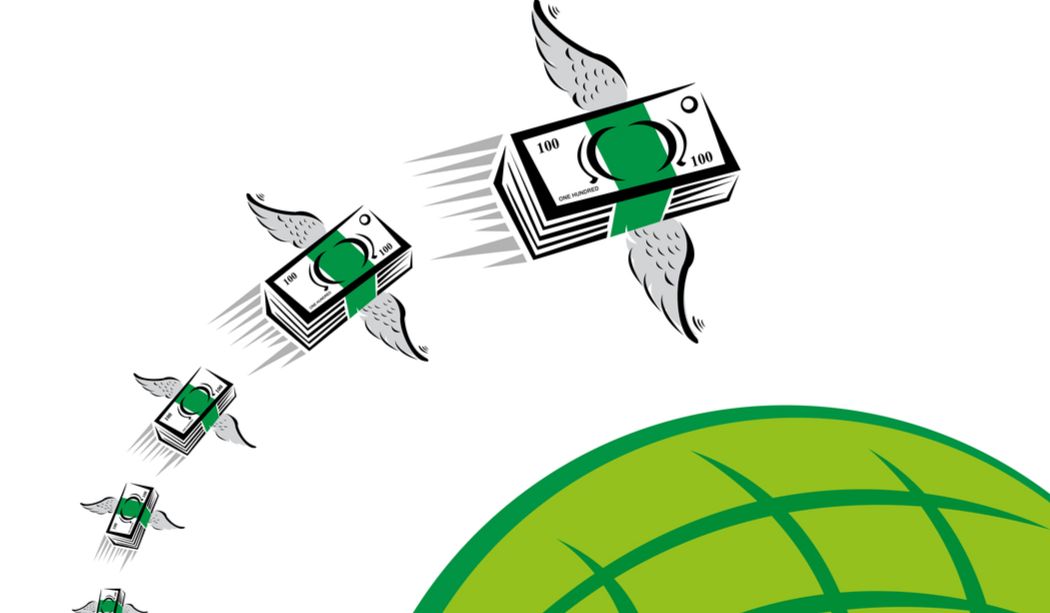
Kenya has solidified its position as the top recipient of diaspora remittances in East Africa, attracting an impressive $4.8 billion (Sh537.6 billion) in 2024, according to the latest World Bank data.

In the first five months of the year, Kenyans living and working abroad sent home $2 billion (Sh258.9 billion), marking an 18.9 percent jump from the inflows recorded during a similar period last year on the back of easing inflationary pressures in developed economies. The US remained the largest source of remittances to Kenya, accounting for 48 percent in May 2024.

The total figure of remittances Kenya received for the year 2024, far exceeded the inflows of its regional counterparts, with Somalia receiving $1.73 billion (Sh223.8 billion) and Uganda $1.49 billion (Sh192.5 billion). Other nations in the region, including the Democratic Republic of Congo (DRC) and South Sudan, recorded declines compared to previous years, with DRC’s remittances falling to $1.35 billion (Sh174.7 billion) and South Sudan’s to $1.14 billion (Sh147.4 billion).

Tanzania, Rwanda, and Burundi remain below the $1 billion (Sh129.25 billion) threshold in remittance receipts, highlighting disparities in regional inflows. The World Bank report underscores the growing importance of remittances in global financial flows, noting that they have overtaken Foreign Direct Investments (FDIs) in low- and middle-income countries over the past decade.

In East Africa, South Sudan and Somalia are particularly reliant on remittances, with these transfers contributing 17.5% and 13.6% of their respective GDPs in 2024. Kenya, while less dependent, has seen its remittance-to-GDP ratio rise to 4.6%, up from just $51 million (Sh6.6 billion) in 2001. Rwanda’s ratio increased to 3.9% as inflows grew from $518 million (Sh67.0 billion) in 2023 to $537 million (Sh69.4 billion) in 2024.

Uganda’s ratio stands at 2.6%, while Tanzania, DRC, and Burundi report ratios below 2%. Regional Disparities in Remittance Contributions Tanzania’s remittance inflows remain the lowest in the region, at $757 million (5h97.8 billion), contributing just 1% to its GDP in 2024. DRC’s remittance-to-GDP ratio dropped to 1.8%, reflecting a sharp decline from record levels of $3.26 billion (Sh421.6 billion) in 2022. Burundi has consistently received under $50 million (Sh6.5 billion) annually since 2018, contributing just 1.6% to its GDP.

On the African continent, Egypt leads with $22.65 billion in remittances, followed by Nigeria at $19.84 billion  and Morocco at $12.05 billion. East African country, Uganda, has maintained a steady stream of remittance inflows, growing from $238 million (Sh30.8 billion) in 2000 to $1,49 billion (Sh192.5 billion) in 2024. In contrast, Tanzania has faced slower growth, partly due to its reluctance to allow dual citizenship.

The growth of diaspora remittances across Africa, with Kenya leading the way in East Africa at $4.8 billion in 2024, carries profound implications for the continent’s economic development and resilience. Remittances have become a cornerstone of financial inflows to African nations, Surpassing Foreign Direct Investments (FDIs) in low- and middle-income countries. This shift underscores the increasing importance of diaspora contributions as a reliable source of funding for households, businesses, and national economies.

For Africa, remittances represent a lifeline for millions, providing essential support for education, healthcare, and daily living expenses. These funds often serve as a cushion against economic shocks, reducing poverty and inequality while boosting household purchasing power. They also contribute significantly to foreign exchange reserves, helping stabilize local currencies and enabling countries to manage trade deficits more effectively.

Overall, the prominence of remittances reflects Africa’s increasing integration into the global economy and the critical role of its diaspora in fostering economic growth. By implementing supportive policies and enhancing financial infrastructure, African nations can unlock the full potential of remittances to drive sustainable development, reduce poverty, and solidify economic resilience.


Real Talk: How to Spot Genuine Profiles on Casual Hookup Sites

0

Casual hookup sites have become an increasingly popular way for people to connect, whether for short-term companionship or more serious relationships. However, these platforms have their share of challenges, with one of the primary issues being distinguishing genuine profiles from fake ones. Scammers, bots, and dishonest users can often lurk among users on these platforms and create fake accounts to deceive or exploit others. This guide offers detailed strategies to help identify authentic users while protecting yourself against potential risks.

Understanding Genuine Profiles

Genuine profiles are often created by real people actively searching for connections – be it casual romance or otherwise. Conversely, scammers or bots may create fake profiles designed to harvest personal data or money.

One telltale sign of an authentic profile is its detailed bio. Real users typically take time and care crafting their bios and sharing personal details such as hobbies, interests, and what they hope to find on the platform – an indication of genuine effort to find meaningful interactions. Meanwhile, fake profiles lack specifics, leaving little or no personal data out or providing generic descriptions like “Looking for fun.”

Photos are another essential factor. Genuine profiles typically present natural images from various settings or poses that showcase hobbies, travel adventures, or simply spending time with friends. In contrast, fake profiles often rely on overly polished or staged photos that seem professional or staged – stock images that look too perfect should be treated with caution.

Attributes of an Authentic Profile

To make sure you’re dealing with an authentic profile, look out for these traits:

1. Complete “About Me” Sections

Genuine users often provide comprehensive bios that give an in-depth glimpse of their personality and interests. Typical bios may contain details regarding jobs, hobbies, or special preferences, such as whether or not they prefer outdoor activities to quiet nights.

2. Natural and Varied Photos

To identify real users, search profiles with photos taken in various environments – for instance, a combination of selfies, group shots, and candid moments is indicative.

3. Honest and Realistic Expectations

Genuine profiles typically offer grounded descriptions of what they are seeking in their relationship. Be wary of anyone promising instantaneous love or offering extravagant wealth declarations; authentic profiles tend to present realistic descriptions.

By paying attention to these features, you can more quickly identify real users and reduce time wasted tracing fake accounts.

Finding Red Flags

Understanding what an authentic profile looks like is essential, but so too is being aware of any warning signs associated with fake ones. Many counterfeit profiles can appear convincing at first glance; here are a few red flags you should keep an eye out for:

1. Overly Attractive Photos

Be wary of profiles featuring overly attractive photos, such as professional headshots or overly glamorous poses that seem too perfect. Such profiles could contain stolen stock photos from social media.

2. Generic or Inconsistent Messages 

Fake profiles often send generic or inconsistent messages that don’t align with their bio or are overly formal in tone, such as repeating “Hello, how are you today?” without variation. Real users typically engage in more personalized and thoughtful dialogue.

3. Pressure to Move Off Platform

Scammers often attempt to switch conversations off to other platforms, like WhatsApp or email, that provide fewer monitoring systems, so if anyone quickly suggests moving it elsewhere, be wary.

4. Requests for Money or Sensitive Data

One telltale sign of a fraudulent profile is its sudden demand for money or sensitive details such as your bank account information. Genuine users would never ask for such things outright.

How to Check an Online Profile’s Authenticity (and Avoid Fake Accounts)

When interacting with someone online, taking steps to verify their authenticity is both simple and effective. Here are a few strategies that will help confirm whether a profile exists.

  • Engage people by asking open-ended questions about their hobbies, favorite places, or reasons for joining the platform. Genuine users will respond with thoughtful answers that match their profiles.
  • Before meeting in person, suggest initiating a video call to verify who they are and establish trust and rapport. This will save time in travel costs and ensure you meet someone with whom you can connect quickly and comfortably.
  • Focus on how consistent their behavior is over time. Genuine users maintain a steady approach, while fake profiles may change their story or stop responding after just a few messages.

Practical Tips for Secure Online Dating

Prioritize safety when engaging with profiles on casual hookup sites. By following these tips, you can protect yourself from scammers and have a safer experience:

  • Utilise Platform Communication Tools: Keep all conversations within the platform’s messaging system to add an extra layer of security and report suspicious activities quickly and efficiently.
  • Avoid Sharing Your Private Information: Never share sensitive details such as your home address, financial details, or other sensitive data with someone you just met online.
  • Trust Your Instincts: If something seems fishy, don’t ignore it. Be it an unusual photo or biography, pushy behavior, or any other potential red flags, it is best to avoid caution and follow your gut.
  • Reverse Image Search: Use online tools to conduct reverse image searches of profile photos that appear elsewhere online. This may help detect stolen or stock images used by fake profiles and assist with the identification of stolen or stock images commonly utilized.

Advanced Techniques for Identifying Fakes

For those who wish to take extra precautions against fake profiles, here are a few advanced strategies that may assist:

  • Researching Social Media: Verify whether the person has social media accounts that match their dating profile. An absence online could be a red flag.
  • Examine Metadata: If someone sends you a photo, using its metadata can provide invaluable clues as to when and where it was taken. This can be especially beneficial if you suspect they have created a fake profile.
  • Track Message Patterns: Bots often employ automated responses. If the messages you receive seem repetitive or overly structured, they may not belong to a real person.

Building Trust Gradually

Once you feel that a profile is genuine, take the time to build it gradually through consistent communication, transparency, and mutual respect. Don’t rush into sharing personal details or meeting in person until you are completely comfortable doing so.

  • Communicate Regularly: Regular, meaningful interactions are key to creating trust between two people.
  • Plan Public Meetings: When meeting someone for the first time, select a public location and notify a friend or family member of your plans.

Navigating casual hookup sites doesn’t need to be complicated or daunting. By understanding the hallmarks of genuine profiles, recognizing red flags, and employing safety measures, you can make informed decisions and have a successful online dating experience. Listen to your instincts, remain cautious, and remember that authenticity is at the core of meaningful connections; this approach allows you to engage with others confidently while keeping yourself safe.

Can Michael Saylor’s Proposed Digital Assets Framework Push Bitcoin Upwards? What About Ethereum And New Crypto Rollblock?

0

2024 winds up with Michael Saylor and Microstrategy’s quest to gain as much Bitcoin as is possible, triggering FOMO from retail and Corporate Bond investors. Ethereum, on the other hand, struggles to gain momentum, but could its new upgrade initiate a bull run for the second biggest cryptocurrency?

Speaking of FOMO, new crypto Rollblock is taking the market by storm and is still in presale. Analysts have been bullish on Rollblock since it was first announced, but many are revising their predictions even further upwards for this exciting new GambleFi platform.

Rollblock Presale is Taking Market by Storm

New GambleFi sensation Rollblock is gaining massive attention during its presale as one of the most innovative projects this year. There’s been a growing buzz about Rollblock since it was first announced, but this revolutionary online casino with DeFi features has exceeded even the most bullish predictions.

Now in stage 9 of its presale, Rollblock has already raised over $7.8 million. The massive hype is being driven by Rollblock’s innovative DeFi features and its potential to disrupt the lucrative $500 billion online gambling industry.

Thanks to its decentralized framework, Rollblock offers users a unique experience, blending transparency, passive income opportunities, and a fair gaming environment, something the gambling industry has sorely lacked.

As well as all the gaming experience you’d expect from an online gambling platform, Rollblock offers its investors a lucrative Revenue Sharing Model. This guarantees any token holder a share in the success of the platform as the revenue is shared among holders.

As excitement continues to build, the success of Rollblock’s presale is driving up the price of the token further, so the window to secure $RBLK at a discounted price is closing. And with the 2025 bull run expected to trigger plenty of FOMO, getting Rollblock at cheaper prices now looks like a savvy move.

Michael Sayor’s Digital Assets Framework to Trigger FOMO for Bitcoin

Bitcoin goes from strength to strength as more governments and institutions learn about it. Michael Saylor is arguably the most prominent Bitcoin advocate, and the executive chairman of MicroStrategy proposed a digital assets framework to the U.S. government.

This framework aims to strengthen fiscal policy and position the United States as a leader in the Bitcoin space. With regulatory clarity coming under President Trump, it’s expected to drive significant institutional adoption for Bitcoin, and 2025 should be a big year.

Ethereum Upgrade Pectra to Drive FOMO

Ethereum has surprisingly underperformed since the launch of ETFs in July, disappointing many investors. While it has enjoyed a strong Q4, Ethereum lacks a Michael Saylor type buyer.  However, optimism is returning to Ethereum with the introduction of Options on the ETFs, and with Pectra, a significant upgrade that’s set to enhance Ethereum’s scalability and functionality. Analysts believe this upgrade could spark renewed interest and trigger FOMO for the Ethereum price as the 2025 bull run gets going.

Conclusion

Bitcoin and Ethereum should be a part of any crypto portfolio, and if the US government takes Michael Saylor by his word, it could turn out to be a huge year for BTC. As for Rollblock, it’s certainly exciting times as it looks to disrupt the $500 billion online gambling industry.


Discover the exciting opportunities of the Rollblock (RBLK) presale today!

Website: https://presale.rollblock.io/

Socials: https://linktr.ee/rollblockcasino

Google’s CEO Sundar Pichai Says Year 2025 Will be Critical, Amid Rising Competition

0

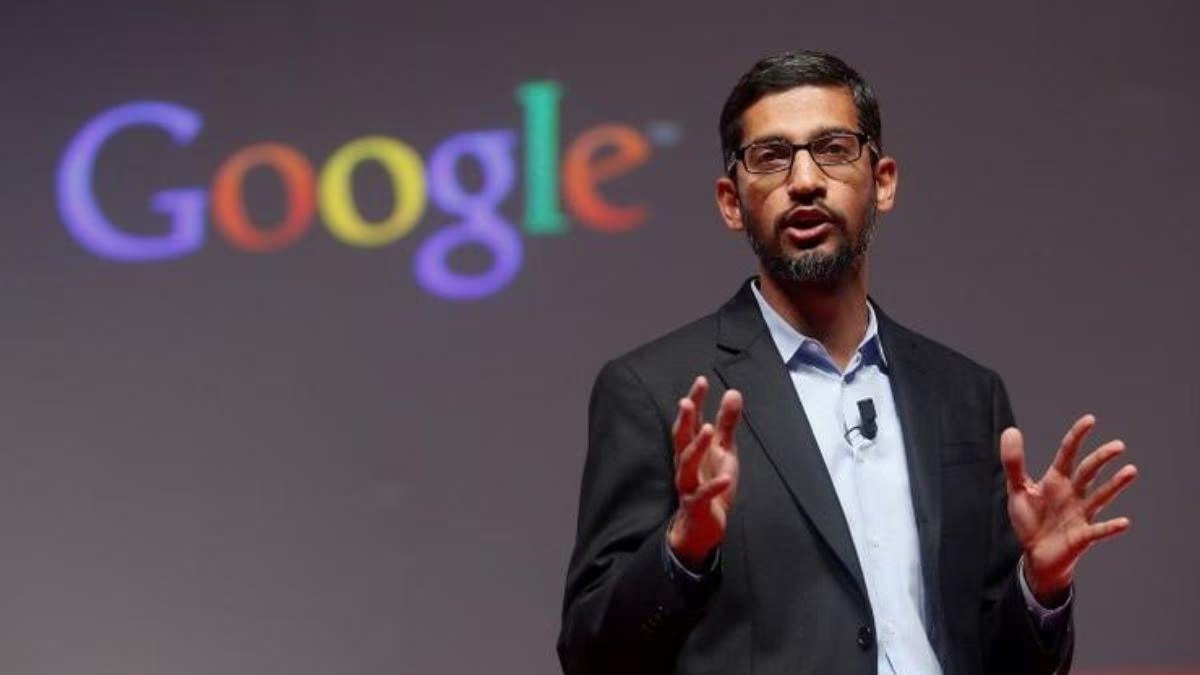
Google CEO Sundar Pichai, recently emphasized the importance of the year 2025 during a company strategy meeting held in December.

Addressing employees, Pichai alongside other executives highlighted the critical challenges ahead, particularly in Artificial Intelligence.

“I think 2025 will be critical,” Pichai said. “I think it’s really important we internalize the urgency of this moment, and need to move faster as a company. The stakes are high. These are disruptive moments. In 2025, we need to be relentlessly focused on unlocking the benefits of this technology and solve real user problems.”

This call to action comes as Google navigates one of its most challenging periods since its inception. While the company has seen strong revenue growth in search ads and cloud services, it faces mounting competition, internal cultural challenges, and intensified regulatory scrutiny.

Recall that in September 2024, Britain’s competition watchdog issued a statement of objections over Google’s ad tech practices, which the regulator provisionally found are impacting competition in the U.K. In a statement, the Competition and Markets Authority alleged that the U.S. internet search giant “has harmed competition by using its dominance in online display advertising to favor its own ad tech services.”

Fast forward to November 2024, the U.S. Justice Department asked a federal judge to require Alphabet Inc.’s Google to sell off its Chrome browser. The Justice Department’s actions stem from an August ruling by U.S. District Judge Amit Mehta, which found that Google had illegally monopolized the online search market.

It is however interesting to note that Generative Al has sparked significant competition in Google’s core markets. OpenAl’s ChatGPT has continued to gain momentum, backed by Microsoft and valued at $157 billion. Early this month, OpenAI expanded its ChatGPT search feature to all users, including those using the free version, positioning it as a direct competitor to search engines like Google.

This development signified a significant shift in the search engine landscape, with OpenAl directly challenging established players by offering an Al-powered alternative that combines conversational interfaces with real-time web information.

To maintain its leadership, Google is heavily investing in Al, focusing on its flagship Gemini model. The Gemini app, designed to integrate a suite of Al tools, is poised to become Google’s next major success. Executives aim for it to join the company’s 15 apps that have surpassed half a billion users. “With the Gemini app, there is strong momentum, particularly over the last few months,” Pichai said. “But we have some work to do in 2025 to close the gap and establish a leadership position there as well.

Pichai also urged employees to remain “scrappy” as Google continues its cost-cutting measures. After laying off 6% of its workforce in 2023, the company remains focused on efficiency. “Building big, new business” is a top priority, Pichai emphasized. Beyond Al, the company is striving to adapt and innovate while addressing user needs and securing its leadership position.

As Google steps into 2025, the stakes couldn’t be higher. Success will depend on the company’s ability to navigate fierce competition, regulatory pressures, and rapid advancements in Al technology.

Adeleke’s Achievements and the Risk of Political Distraction

0
Osun local government

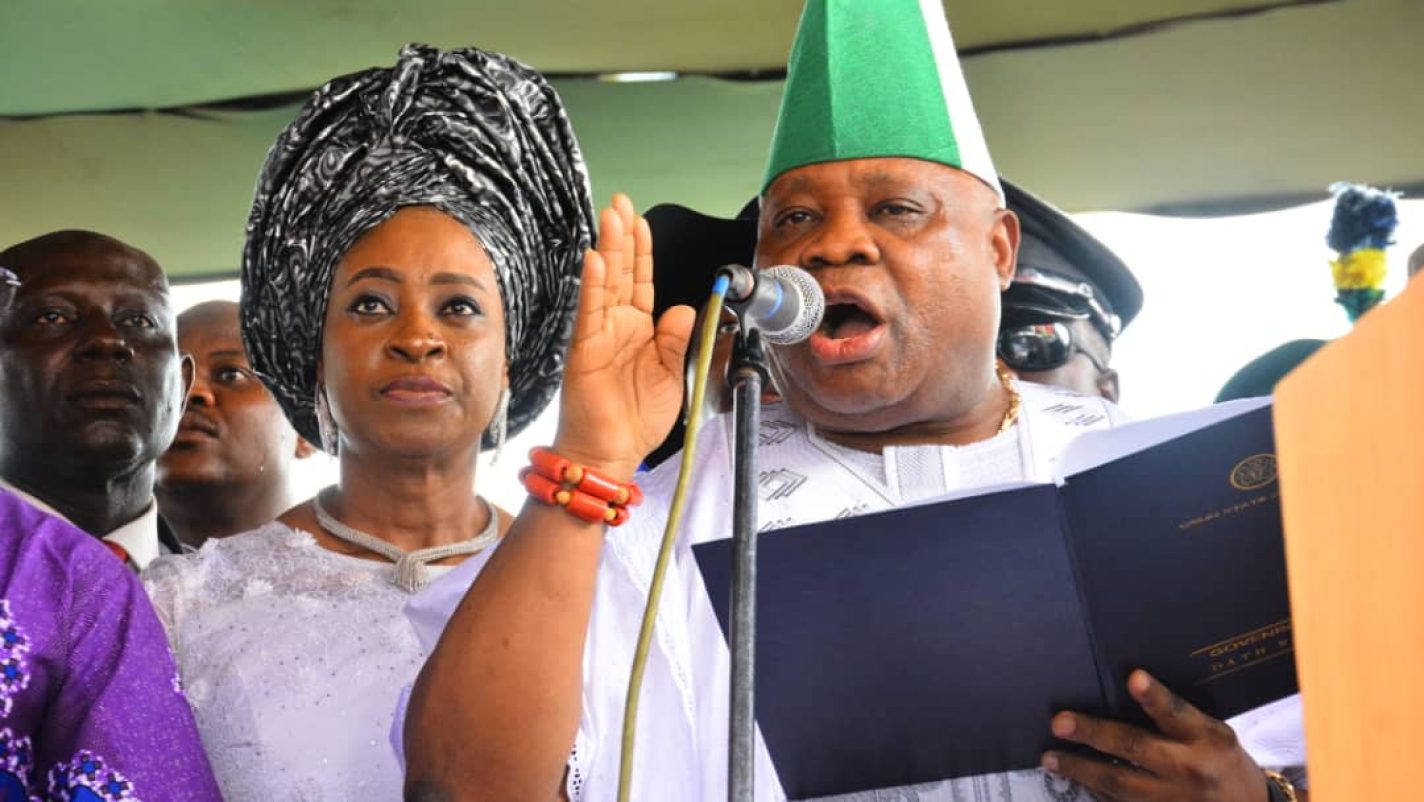
As the dawn of 2025 breaks over Osun State, the air is thick with anticipation. The 2026 governorship election looms large on the horizon, a pivotal moment for the state and its leadership. Governor Ademola Adeleke, fondly known as the “Dancing Governor,” has spent the last two years transforming campaign promises into tangible achievements. His tenure thus far has been marked by a relentless drive to improve infrastructure, bolster civil service welfare, and reform governance structures. Yet, the coming year poses a critical question: can Governor Adeleke maintain his focus on governance, or will the pull of political survival overshadow his dedication to serving the people?

Governor Adeleke’s journey since assuming office in November 2022 has been nothing short of remarkable. Osun State, often overshadowed by its neighbours, has emerged as a beacon of progress under his leadership. Completing the 17.4 km Oba (Sir) Adesoji Aderemi East Bypass indicates his commitment to infrastructure development. This vital project, abandoned by previous administrations, now serves as a critical artery, easing transportation and boosting economic activity. Similarly, the reconstruction of the 7.5 km Otan Ayegbaju – Iresi road has bridged communities long separated by neglect, a symbolic gesture of unity and progress.

Financial stewardship has also been a hallmark of his administration. By reducing domestic debt from ?148.37 billion to ?86.06 billion and foreign debt from $91.78 million to $78.17 million, Governor Adeleke has demonstrated a rare commitment to fiscal responsibility. These reductions, achieved in just two years, signal a disciplined approach to governance that prioritizes long-term stability over short-term gains.

The civil servants of Osun State have perhaps felt the most immediate impact of Governor Adeleke’s reforms. The payment of backlogged salaries, some owed for over 30 months, has restored dignity and morale among workers. Pensioners, too, have seen overdue recognition, with over N12.7 billion paid to contributory pensioners and N4.3 billion disbursed in gratuities. These actions are not merely financial transactions; they are declarations of respect for those who have dedicated their lives to public service.

Healthcare and education have not been left behind. Osun’s emergence as the Southwest Champion in Healthcare Delivery directly results from investments in primary healthcare. Meanwhile, the reopening of the Cooperative College in Ode Omu, abandoned for over a decade, indicates the administration’s focus on revitalizing educational institutions. These initiatives reflect a vision of governance that prioritizes human capital development alongside physical infrastructure.

However, as 2025 unfolds, the spectre of political distraction looms. The 2026 governorship election will undoubtedly demand Governor Adeleke’s attention, and the risk of governance taking a backseat to politics is real. This is a critical juncture, one that will test his ability to prioritize the people’s needs over the demands of political survival.

If governance falters in favour of electioneering, the consequences could be dire. Public trust, painstakingly built over two years, could erode. Projects that symbolize progress and hope may stall, leaving communities disillusioned. Worse still, Governor Adeleke risks squandering the opportunity to cement his legacy as a transformative leader who placed the people above politics.

Yet, this moment also presents an opportunity. By doubling down on governance and resisting the allure of political expediency, Governor Adeleke can set a new standard for leadership. Strengthening governance structures, ensuring transparency in communication, and prioritizing transformative projects can help sustain the momentum of progress. Delegating effectively and institutionalizing reforms will ensure that achievements endure beyond his tenure.

As the race toward 2026 begins, Governor Adeleke must walk a fine line. His achievements have given him a strong foundation, but the road ahead requires careful navigation. Osun State stands at a crossroads, with the promise of a brighter future within reach. The choices made in the coming months will determine whether that promise is fulfilled or deferred.